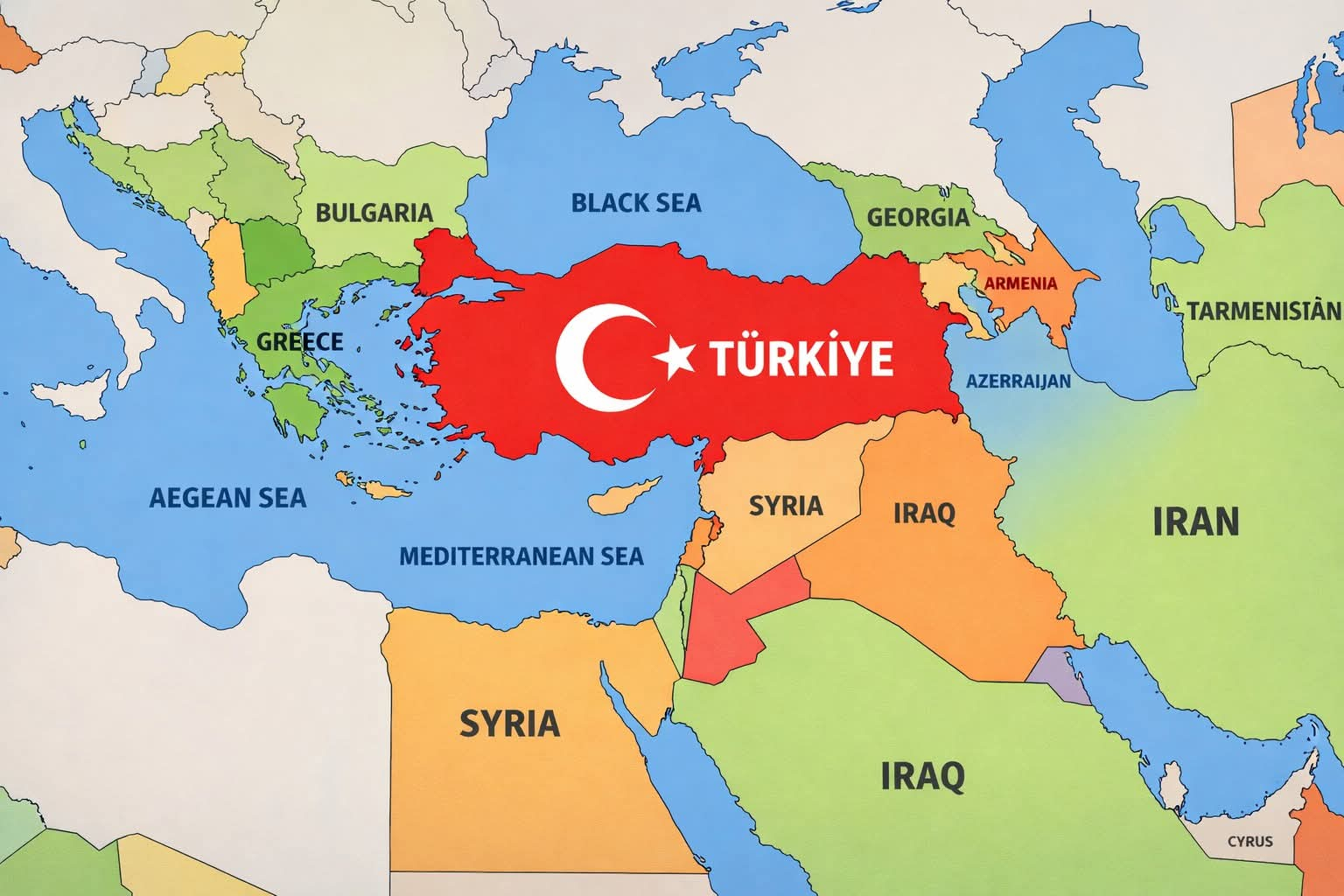
• The Ottoman Empire at Its Greatest Extent

    At its height, the Ottoman Empire was one of the most powerful states in world history, spanning large parts of Southeastern Europe, Western Asia, and North Africa.

    A Transcontinental Empire

    The empire controlled territories surrounding much of the Mediterranean, Black Sea, and Red Sea, creating a strategic bridge between Europe, Asia, and Africa.

    Major Regions Under Ottoman Rule

    Anatolia — the Ottoman heartland
    The Balkans — extensive territories across Southeastern Europe
    Greece — much of the region was incorporated into the empire at different periods
    The Levant — including Syria and surrounding territories
    Mesopotamia — major Ottoman territories in present-day Iraq
    Egypt — an important economic and strategic province
    North Africa — Ottoman territories along much of the southern Mediterranean
    The Arabian Peninsula — including the Hejaz and other regions
    The Caucasus — areas contested and controlled at different times

    Key Facts

    Istanbul (Constantinople) became the imperial capital after the Ottoman conquest of 1453.
    At its height, the empire controlled territories across three continents.
    The Mediterranean Sea, Black Sea, Red Sea, and major land routes were strategically important to Ottoman power.
    The empire ruled over a remarkable diversity of peoples, languages, religions, and cultures.
    Ottoman influence lasted for more than six centuries, from its foundation around the end of the 13th century until its dissolution in the early 20th century.

    From a Frontier State to a Global Power

    What began as a small Anatolian principality developed into a vast empire that became a major political and military power between Europe, Asia, and Africa.

    The Ottoman Empire was not simply a European or Asian empire—it was a truly transcontinental power.

    #OttomanEmpire #OttomanHistory #History #Geography #WorldHistory
    ๐Ÿ•Œ The Ottoman Empire at Its Greatest Extent At its height, the Ottoman Empire was one of the most powerful states in world history, spanning large parts of Southeastern Europe, Western Asia, and North Africa. ๐ŸŒ A Transcontinental Empire The empire controlled territories surrounding much of the Mediterranean, Black Sea, and Red Sea, creating a strategic bridge between Europe, Asia, and Africa. ๐Ÿ—บ๏ธ Major Regions Under Ottoman Rule ๐Ÿ‡น๐Ÿ‡ท Anatolia — the Ottoman heartland ๐ŸŒ The Balkans — extensive territories across Southeastern Europe ๐Ÿ‡ฌ๐Ÿ‡ท Greece — much of the region was incorporated into the empire at different periods ๐Ÿ‡ธ๐Ÿ‡พ The Levant — including Syria and surrounding territories ๐Ÿ‡ฎ๐Ÿ‡ถ Mesopotamia — major Ottoman territories in present-day Iraq ๐Ÿ‡ช๐Ÿ‡ฌ Egypt — an important economic and strategic province ๐ŸŒ North Africa — Ottoman territories along much of the southern Mediterranean ๐Ÿ•Œ The Arabian Peninsula — including the Hejaz and other regions โ›ฐ๏ธ The Caucasus — areas contested and controlled at different times โš”๏ธ Key Facts ๐Ÿ”น Istanbul (Constantinople) became the imperial capital after the Ottoman conquest of 1453. ๐Ÿ”น At its height, the empire controlled territories across three continents. ๐Ÿ”น The Mediterranean Sea, Black Sea, Red Sea, and major land routes were strategically important to Ottoman power. ๐Ÿ”น The empire ruled over a remarkable diversity of peoples, languages, religions, and cultures. ๐Ÿ”น Ottoman influence lasted for more than six centuries, from its foundation around the end of the 13th century until its dissolution in the early 20th century. ๐Ÿ›๏ธ From a Frontier State to a Global Power What began as a small Anatolian principality developed into a vast empire that became a major political and military power between Europe, Asia, and Africa. The Ottoman Empire was not simply a European or Asian empire—it was a truly transcontinental power. #OttomanEmpire #OttomanHistory #History #Geography #WorldHistory
    0 Commenti 0 condivisioni
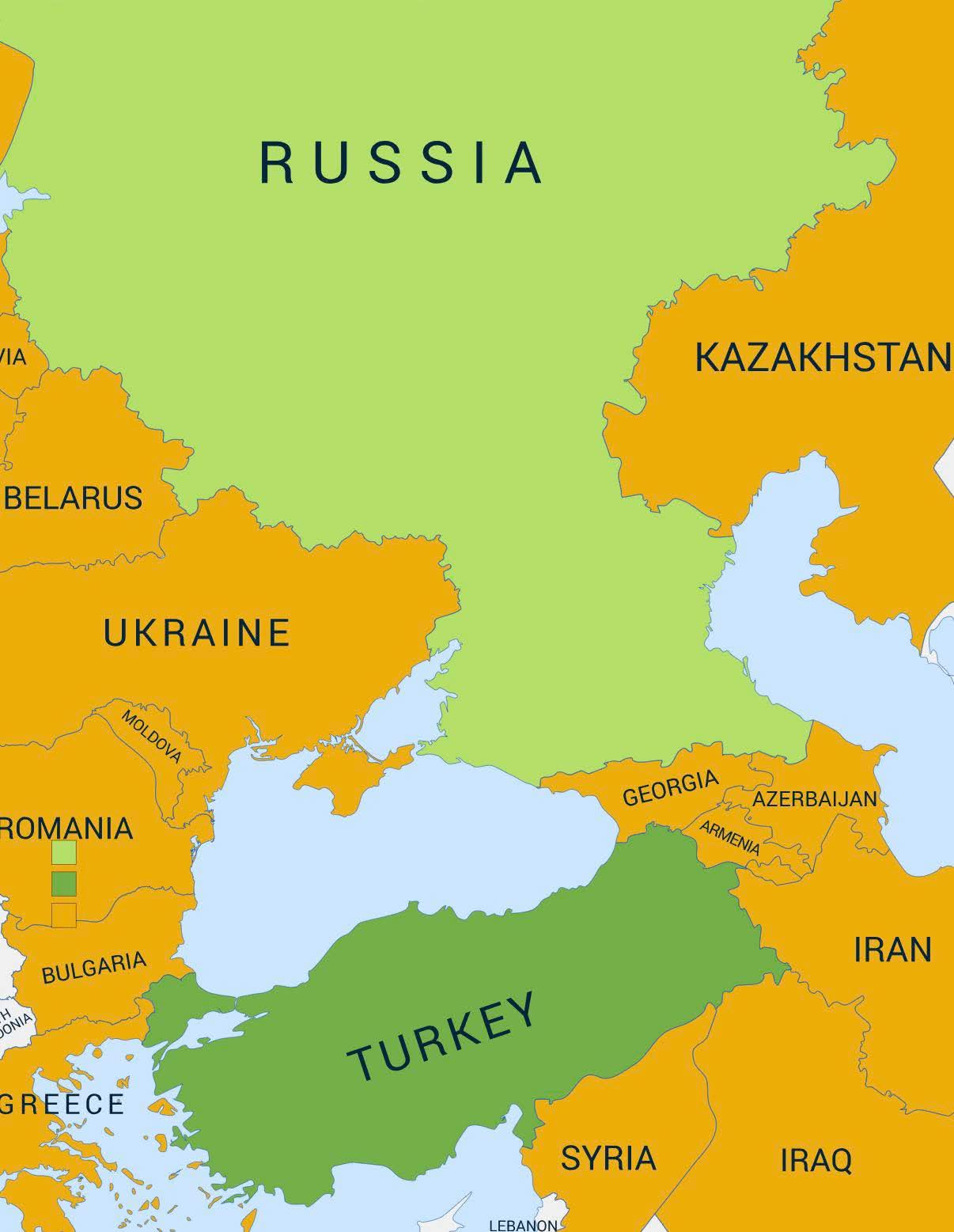
  • TURKEY: A COUNTRY CONNECTING EUROPE AND ASIA

    Turkey occupies a strategic position between Europe and Asia, with coastlines along the Black Sea, Aegean Sea, and Mediterranean Sea.

    It shares land borders with 8 countries, stretching from the Balkans to the Caucasus and the Middle East.

    Turkey’s Land Borders:

    Syria — 911 km
    Iran — 534 km
    Iraq — 367 km
    Armenia — 328 km
    Georgia — 273 km
    Bulgaria — 259 km
    Greece — 206 km
    Azerbaijan — ~17 km via Nakhchivan

    Key Facts

    Capital: Ankara
    Area: ~783,562 km²
    Population: ~86 million
    Official language: Turkish
    Currency: Turkish lira
    Highest peak: Mount Ararat — 5,137 m
    Government: Presidential republic
    Location: Europe & Asia
    Seas: Black Sea, Aegean Sea & Mediterranean Sea

    Did you know Turkey shares land borders with 8 countries?

    #Turkey #Geography #WorldMap #Europe #Asia
    ๐Ÿ‡น๐Ÿ‡ท TURKEY: A COUNTRY CONNECTING EUROPE AND ASIA ๐ŸŒ Turkey occupies a strategic position between Europe and Asia, with coastlines along the Black Sea, Aegean Sea, and Mediterranean Sea. It shares land borders with 8 countries, stretching from the Balkans to the Caucasus and the Middle East. ๐Ÿ—บ๏ธ Turkey’s Land Borders: ๐Ÿ‡ธ๐Ÿ‡พ Syria — 911 km ๐Ÿ‡ฎ๐Ÿ‡ท Iran — 534 km ๐Ÿ‡ฎ๐Ÿ‡ถ Iraq — 367 km ๐Ÿ‡ฆ๐Ÿ‡ฒ Armenia — 328 km ๐Ÿ‡ฌ๐Ÿ‡ช Georgia — 273 km ๐Ÿ‡ง๐Ÿ‡ฌ Bulgaria — 259 km ๐Ÿ‡ฌ๐Ÿ‡ท Greece — 206 km ๐Ÿ‡ฆ๐Ÿ‡ฟ Azerbaijan — ~17 km via Nakhchivan ๐Ÿ“Œ Key Facts ๐Ÿ™๏ธ Capital: Ankara ๐Ÿ“ Area: ~783,562 km² ๐Ÿ‘ฅ Population: ~86 million ๐Ÿ—ฃ๏ธ Official language: Turkish ๐Ÿ’ฐ Currency: Turkish lira โ›ฐ๏ธ Highest peak: Mount Ararat — 5,137 m ๐Ÿ›๏ธ Government: Presidential republic ๐ŸŒ Location: Europe & Asia ๐ŸŒŠ Seas: Black Sea, Aegean Sea & Mediterranean Sea ๐Ÿ’ฌ Did you know Turkey shares land borders with 8 countries? #Turkey #Geography #WorldMap #Europe #Asia
    0 Commenti 0 condivisioni
  • THE OTTOMAN EMPIRE

    The Ottoman Empire was one of the longest-lasting and most influential empires in world history, existing for more than 600 years, from 1299 to 1922.

    Origins: Founded by Osman I in the late 13th century, it began as a small principality in Anatolia and gradually expanded into a powerful empire.

    Greatest Expansion: At its height, the empire controlled vast territories across Southeastern Europe, Western Asia, the Middle East and North Africa, connecting three continents.

    Capital: After the conquest of Constantinople in 1453, the city became the political and cultural center of the empire. It is known today as Istanbul.

    Strategic Position: Ottoman territories surrounded major waterways and trade routes, including the Mediterranean Sea, Black Sea and Red Sea, giving the empire enormous geopolitical importance.

    Legacy: The Ottoman Empire left a lasting impact on architecture, culture, cuisine, art, politics and the history of numerous countries across Europe, Asia and Africa.

    From a small Anatolian principality to a vast transcontinental empire, the Ottoman Empire played a major role in shaping the history of three continents.

    #OttomanEmpire #WorldHistory #HistoryFacts #HistoricalMaps #Geography #Empire #Istanbul #History
    ๐Ÿ›๏ธ THE OTTOMAN EMPIRE The Ottoman Empire was one of the longest-lasting and most influential empires in world history, existing for more than 600 years, from 1299 to 1922. ๐Ÿ”น Origins: Founded by Osman I in the late 13th century, it began as a small principality in Anatolia and gradually expanded into a powerful empire. ๐Ÿ”น Greatest Expansion: At its height, the empire controlled vast territories across Southeastern Europe, Western Asia, the Middle East and North Africa, connecting three continents. ๐Ÿ”น Capital: After the conquest of Constantinople in 1453, the city became the political and cultural center of the empire. It is known today as Istanbul. ๐Ÿ”น Strategic Position: Ottoman territories surrounded major waterways and trade routes, including the Mediterranean Sea, Black Sea and Red Sea, giving the empire enormous geopolitical importance. ๐Ÿ”น Legacy: The Ottoman Empire left a lasting impact on architecture, culture, cuisine, art, politics and the history of numerous countries across Europe, Asia and Africa. ๐ŸŒ From a small Anatolian principality to a vast transcontinental empire, the Ottoman Empire played a major role in shaping the history of three continents. #OttomanEmpire #WorldHistory #HistoryFacts #HistoricalMaps #Geography #Empire #Istanbul #History
    0 Commenti 0 condivisioni
  • Can you believe that Europe and Asia are just 700 meters apart in Istanbul?!

    Yes — less than one kilometer separates two continents at one of the most fascinating geographical points on Earth.

    This is the Bosphorus Strait, which divides Istanbul between its European and Asian sides, making the city one of the few major cities in the world located on two continents.

    Amazing Bosphorus Facts:
    • Length: About 31 km
    • Narrowest point: About 700 m
    • Widest point: Up to 3.7 km
    • Depth: Over 100 m in some areas
    • North: Black Sea
    • South: Sea of Marmara

    But the Bosphorus is far more than a geographical boundary. It is a vital international waterway connecting the Black Sea with the Sea of Marmara, and providing a maritime route toward the Aegean and Mediterranean seas.

    This extraordinary location gives Istanbul something very few cities can claim:

    One city. Two continents. One legendary strait.

    Here’s the question:

    If you were standing on one side of the Bosphorus looking across at the other…

    Would you feel like you were looking at another continent or simply another part of the same city?

    Europe or Asia?
    Which side would you choose to explore first — and why?

    #Geography #BosphorusStrait #Istanbul #Turkey #AsiaAndEurope
    ๐ŸŒ Can you believe that Europe and Asia are just 700 meters apart in Istanbul?! Yes — less than one kilometer separates two continents at one of the most fascinating geographical points on Earth. ๐Ÿ“ This is the Bosphorus Strait, which divides Istanbul between its European and Asian sides, making the city one of the few major cities in the world located on two continents. ๐Ÿ“ Amazing Bosphorus Facts: • Length: About 31 km • Narrowest point: About 700 m • Widest point: Up to 3.7 km • Depth: Over 100 m in some areas • North: Black Sea • South: Sea of Marmara ๐Ÿšข But the Bosphorus is far more than a geographical boundary. It is a vital international waterway connecting the Black Sea with the Sea of Marmara, and providing a maritime route toward the Aegean and Mediterranean seas. ๐Ÿ™๏ธ This extraordinary location gives Istanbul something very few cities can claim: One city. Two continents. One legendary strait. ๐Ÿ”ฅ Here’s the question: If you were standing on one side of the Bosphorus looking across at the other… Would you feel like you were looking at another continent or simply another part of the same city? ๐Ÿ‡ช๐Ÿ‡บ Europe or ๐ŸŒ Asia? Which side would you choose to explore first — and why? #Geography #BosphorusStrait #Istanbul #Turkey #AsiaAndEurope
    0 Commenti 0 condivisioni
  • TURKEY
    Things you probably didn’t know about Türkiye (breaking common myths):

    A bridge between continents: One of the few countries in the world that spans both Europe and Asia — with Istanbul divided by the Bosphorus Strait.

    Not the capital you think: While Istanbul is the most famous city, the real capital is Ankara.

    Empire legacy: The heart of the Ottoman Empire for over 600 years, influencing Europe, Asia, and Africa.

    Hagia Sophia is unique: The iconic Hagia Sophia has served as a church, mosque, and museum throughout history.

    Cradle of civilizations: Home to ancient cultures like the Hittites, Greeks, and Romans — leaving behind incredible archaeological heritage.

    Tea > Coffee: Contrary to popular belief, tea is consumed more than coffee and is a daily essential.

    Turkish baths: The famous “hammam” is a centuries-old tradition of relaxation and cleansing from the Ottoman era.

    Unreal landscapes: Places like Cappadocia are known for fairy chimneys and breathtaking hot air balloon rides.

    Rich cuisine: From kebabs to baklava and Turkish delight, Turkish food is loved worldwide.

    Strategic location: Controls key routes between the Black Sea and the Mediterranean — making it geopolitically important.

    Historic bazaars: The Grand Bazaar in Istanbul is one of the oldest and largest covered markets in the world.

    Cultural diversity: A unique blend of European, Asian, and Middle Eastern influences in architecture, music, and traditions.

    Global TV hits: Turkish series and films are hugely popular in Latin America and beyond.

    Follow for more amazing facts!
    Like | Comment | Share

    #Turkey #Türkiye #Travel #History #Culture #Explore
    ๐Ÿ‡น๐Ÿ‡ท TURKEY ๐Ÿ‡น๐Ÿ‡ท ๐Ÿง ๐Ÿ˜ Things you probably didn’t know about Türkiye (breaking common myths): ๐Ÿ‘๐Ÿ‘ ๐ŸŒ A bridge between continents: One of the few countries in the world that spans both Europe and Asia — with Istanbul divided by the Bosphorus Strait. ๐Ÿ›๏ธ Not the capital you think: While Istanbul is the most famous city, the real capital is Ankara. ๐Ÿ‘‘ Empire legacy: The heart of the Ottoman Empire for over 600 years, influencing Europe, Asia, and Africa. ๐Ÿ•Œ Hagia Sophia is unique: The iconic Hagia Sophia has served as a church, mosque, and museum throughout history. ๐Ÿบ Cradle of civilizations: Home to ancient cultures like the Hittites, Greeks, and Romans — leaving behind incredible archaeological heritage. ๐Ÿต Tea > Coffee: Contrary to popular belief, tea is consumed more than coffee and is a daily essential. ๐Ÿ› Turkish baths: The famous “hammam” is a centuries-old tradition of relaxation and cleansing from the Ottoman era. ๐ŸŽˆ Unreal landscapes: Places like Cappadocia are known for fairy chimneys and breathtaking hot air balloon rides. ๐Ÿฝ๏ธ Rich cuisine: From kebabs to baklava and Turkish delight, Turkish food is loved worldwide. ๐ŸŒ Strategic location: Controls key routes between the Black Sea and the Mediterranean — making it geopolitically important. ๐Ÿ›๏ธ Historic bazaars: The Grand Bazaar in Istanbul is one of the oldest and largest covered markets in the world. ๐ŸŽถ Cultural diversity: A unique blend of European, Asian, and Middle Eastern influences in architecture, music, and traditions. ๐Ÿ“บ Global TV hits: Turkish series and films are hugely popular in Latin America and beyond. ๐Ÿ‘‰ Follow for more amazing facts! ๐ŸŒโœจ โค๏ธ Like | ๐Ÿ’ฌ Comment | ๐Ÿ” Share #Turkey #Türkiye #Travel #History #Culture #Explore
    1
    0 Commenti 0 condivisioni
  • 15 Interesting Facts About Türkiye

    Top Tourist Destination
    Türkiye is consistently among the Top 10 most visited countries in the world, attracting 50+ million international tourists annually.

    Largest City
    The biggest city is Istanbul, with 16+ million people, making it one of the largest cities in Europe.

    Capital City
    The capital is Ankara, located in central Anatolia.

    Population Power
    Türkiye has a population of about 85 million people, making it one of the most populous countries in Europe and the Middle East.

    Unique Geographic Location
    Türkiye sits between Europe and Asia, connected by the Bosphorus strait.

    Large Economy
    Türkiye has one of the largest economies in the world, usually ranking around Top 20 globally by GDP.

    Major Tourist Cities
    Popular tourist destinations include:
    • Istanbul
    • Antalya
    • Izmir
    • Bodrum
    • Cappadocia region.

    Ancient Civilization Center
    Türkiye has hosted many civilizations including the Hittites, Greeks, Romans, Byzantines, and Ottoman Empire.

    World Heritage Sites
    Türkiye has 19 UNESCO World Heritage Sites, including Göbekli Tepe, one of the oldest temples in the world (11,000+ years old).

    Agricultural Power
    Türkiye is one of the world’s largest producers of hazelnuts, apricots, figs, and cherries.

    Strategic Straits
    The Dardanelles and Bosphorus connect the Black Sea to the Mediterranean Sea.

    Huge Airline Hub
    Turkish Airlines flies to more countries than any other airline in the world.

    Beautiful Coastline
    Türkiye has about 8,300 km of coastline along the Black Sea, Aegean Sea, and Mediterranean Sea.

    Famous Cuisine
    Turkish cuisine includes global favorites like Kebab, Baklava, and Turkish Delight.

    Historic Megacity
    Istanbul is the only city in the world located on two continents.

    โธป

    Türkiye Facts
    Top 10 most visited country in the world
    Population: ~85 million
    Largest city: Istanbul (16M+)
    Bridge between Europe & Asia
    Top 20 global economy
    19 UNESCO World Heritage sites
    Major agricultural exporter
    Turkish Airlines flies to most countries worldwide
    8,000+ km coastline
    World-famous cuisine

    #turkiye #turkey #geography #worldfacts #europe #asia #travel #amazingworldgeography #fblifestyle
    ๐Ÿ‡น๐Ÿ‡ท 15 Interesting Facts About Türkiye ๐ŸŒ 1๏ธโƒฃ Top Tourist Destination Türkiye is consistently among the Top 10 most visited countries in the world, attracting 50+ million international tourists annually. 2๏ธโƒฃ Largest City The biggest city is Istanbul, with 16+ million people, making it one of the largest cities in Europe. 3๏ธโƒฃ Capital City The capital is Ankara, located in central Anatolia. 4๏ธโƒฃ Population Power Türkiye has a population of about 85 million people, making it one of the most populous countries in Europe and the Middle East. 5๏ธโƒฃ Unique Geographic Location Türkiye sits between Europe and Asia, connected by the Bosphorus strait. 6๏ธโƒฃ Large Economy Türkiye has one of the largest economies in the world, usually ranking around Top 20 globally by GDP. 7๏ธโƒฃ Major Tourist Cities Popular tourist destinations include: • Istanbul • Antalya • Izmir • Bodrum • Cappadocia region. 8๏ธโƒฃ Ancient Civilization Center Türkiye has hosted many civilizations including the Hittites, Greeks, Romans, Byzantines, and Ottoman Empire. 9๏ธโƒฃ World Heritage Sites Türkiye has 19 UNESCO World Heritage Sites, including Göbekli Tepe, one of the oldest temples in the world (11,000+ years old). ๐Ÿ”Ÿ Agricultural Power Türkiye is one of the world’s largest producers of hazelnuts, apricots, figs, and cherries. 1๏ธโƒฃ1๏ธโƒฃ Strategic Straits The Dardanelles and Bosphorus connect the Black Sea to the Mediterranean Sea. 1๏ธโƒฃ2๏ธโƒฃ Huge Airline Hub Turkish Airlines flies to more countries than any other airline in the world. 1๏ธโƒฃ3๏ธโƒฃ Beautiful Coastline Türkiye has about 8,300 km of coastline along the Black Sea, Aegean Sea, and Mediterranean Sea. 1๏ธโƒฃ4๏ธโƒฃ Famous Cuisine Turkish cuisine includes global favorites like Kebab, Baklava, and Turkish Delight. 1๏ธโƒฃ5๏ธโƒฃ Historic Megacity Istanbul is the only city in the world located on two continents. โธป ๐ŸŒ Türkiye Facts ๐Ÿ‡น๐Ÿ‡ท โœˆ๏ธ Top 10 most visited country in the world ๐Ÿ‘ฅ Population: ~85 million ๐Ÿ™๏ธ Largest city: Istanbul (16M+) ๐ŸŒ‰ Bridge between Europe & Asia ๐Ÿ’ฐ Top 20 global economy ๐Ÿ›๏ธ 19 UNESCO World Heritage sites ๐ŸŒพ Major agricultural exporter โœˆ๏ธ Turkish Airlines flies to most countries worldwide ๐Ÿ–๏ธ 8,000+ km coastline ๐Ÿฝ๏ธ World-famous cuisine #turkiye #turkey #geography #worldfacts #europe #asia #travel #amazingworldgeography #fblifestyle ๐ŸŒ
    0 Commenti 0 condivisioni
  • #Turkey is located at the crossroads of Asia and Europe. It is bordered by Greece and Bulgaria to the northwest, the Black Sea to the north, Georgia to the northeast, Armenia, the Azerbaijani exclave of Nakhchivan, and Iran to the east, Iraq to the southeast, Syria and the Mediterranean Sea to the south, and the Aegean Sea to the west.
    Area: 783,562 square kilometers.
    Topography: Includes the Taurus Mountains in the south, the Pontic Mountains in the north, fertile plains like the Anatolian Plain, and the Central Anatolian Plateau, along with lakes such as Lake Van.
    Water Bodies: Borders four major seas: the Black Sea, the Sea of Marmara, the Aegean Sea, and the Mediterranean Sea.
    2. Climate:
    Coastal Areas:
    Mediterranean and Aegean Coasts: Mediterranean climate with hot, dry summers and mild, wet winters.
    Black Sea Coast: Moderate and humid climate year-round.
    Inland Regions: Continental climate with hot, dry summers and very cold, snowy winters.
    Climate Change: Turkey faces challenges like drought and rising temperatures due to climate change.
    3. Population:
    Population Size: Approximately 84.5 million (2021).
    Population Distribution: Istanbul is the largest city with over 15.5 million residents. Ankara is the second largest, followed by Izmir, Bursa, and Antalya.
    Ethnic Diversity: Predominantly Turks, with a significant Kurdish minority, and smaller Armenian, Arab, and Greek communities.
    Population Growth: About 1.2% annually.
    4. Economy:
    GDP: Approximately $7.209 trillion in 2021.
    Exports: Includes agricultural products, automobiles, textiles, and electronics, valued at $225 billion.
    Imports: Mainly energy and raw materials, totaling $271 billion.
    Unemployment Rate: Around 10.3%.
    Agriculture and Industry: Notable for wheat, hazelnuts, and olives, as well as being a leading producer of automobiles and steel.
    5. Currency:
    The official currency is the Turkish Lira (TRY), which experiences fluctuations in value against foreign currencies.
    6. Tourism:
    Visitor Numbers: Turkey welcomed around 30 million tourists in 2021.
    Revenue: Approximately $24.5 billion.
    Top Destinations:
    Istanbul: Iconic landmarks like Hagia Sophia, the Blue Mosque, and Topkapi Palace.
    Antalya: A hub for coastal tourism.
    Cappadocia: Known for its unique landscapes and hot air balloons.
    Historical Sites: Ephesus and Troy.
    7. History:
    Civilizations: Turkey has been home to various civilizations, including the Hittites, Persians, Romans, and Byzantines.
    Ottoman Era: Spanned from the 14th century to the early 20th century.
    Modern Republic: Established in 1923 under Mustafa Kemal Atatürk, who moved the capital to Ankara and initiated widespread reforms.
    8. Education:
    Education System: Mandatory for 12 years (6 years primary, 3 years middle, 3 years secondary).
    Higher Education: Home to numerous universities, including Istanbul University and Middle East Technical University.
    Literacy Rate: Approximately 96%.
    9. Healthcare:
    Healthcare System: Turkey has a well-developed healthcare system encompassing public and private sectors.
    Medical Tourism: A popular destination for medical and cosmetic treatments, attracting thousands of patients annually.
    Hospitals: Equipped with state-of-the-art medical technology.
    10. Culture:
    Official Language: Turkish.
    Religion: Islam is the predominant religion, with Christian and Jewish minorities.
    Traditions: A blend of Eastern and Western cultural influences.
    Turkey serves as a bridge between East and West, with a rich history and modern development.
    #Turkey is located at the crossroads of Asia and Europe. It is bordered by Greece and Bulgaria to the northwest, the Black Sea to the north, Georgia to the northeast, Armenia, the Azerbaijani exclave of Nakhchivan, and Iran to the east, Iraq to the southeast, Syria and the Mediterranean Sea to the south, and the Aegean Sea to the west. Area: 783,562 square kilometers. Topography: Includes the Taurus Mountains in the south, the Pontic Mountains in the north, fertile plains like the Anatolian Plain, and the Central Anatolian Plateau, along with lakes such as Lake Van. Water Bodies: Borders four major seas: the Black Sea, the Sea of Marmara, the Aegean Sea, and the Mediterranean Sea. ๐ŸŒ 2. Climate: Coastal Areas: Mediterranean and Aegean Coasts: Mediterranean climate with hot, dry summers and mild, wet winters. Black Sea Coast: Moderate and humid climate year-round. Inland Regions: Continental climate with hot, dry summers and very cold, snowy winters. Climate Change: Turkey faces challenges like drought and rising temperatures due to climate change. ๐ŸŒ 3. Population: Population Size: Approximately 84.5 million (2021). Population Distribution: Istanbul is the largest city with over 15.5 million residents. Ankara is the second largest, followed by Izmir, Bursa, and Antalya. Ethnic Diversity: Predominantly Turks, with a significant Kurdish minority, and smaller Armenian, Arab, and Greek communities. Population Growth: About 1.2% annually. ๐ŸŒ 4. Economy: GDP: Approximately $7.209 trillion in 2021. Exports: Includes agricultural products, automobiles, textiles, and electronics, valued at $225 billion. Imports: Mainly energy and raw materials, totaling $271 billion. Unemployment Rate: Around 10.3%. Agriculture and Industry: Notable for wheat, hazelnuts, and olives, as well as being a leading producer of automobiles and steel. ๐ŸŒ 5. Currency: The official currency is the Turkish Lira (TRY), which experiences fluctuations in value against foreign currencies. ๐ŸŒ 6. Tourism: Visitor Numbers: Turkey welcomed around 30 million tourists in 2021. Revenue: Approximately $24.5 billion. Top Destinations: Istanbul: Iconic landmarks like Hagia Sophia, the Blue Mosque, and Topkapi Palace. Antalya: A hub for coastal tourism. Cappadocia: Known for its unique landscapes and hot air balloons. Historical Sites: Ephesus and Troy. ๐ŸŒ 7. History: Civilizations: Turkey has been home to various civilizations, including the Hittites, Persians, Romans, and Byzantines. Ottoman Era: Spanned from the 14th century to the early 20th century. Modern Republic: Established in 1923 under Mustafa Kemal Atatürk, who moved the capital to Ankara and initiated widespread reforms. ๐ŸŒ 8. Education: Education System: Mandatory for 12 years (6 years primary, 3 years middle, 3 years secondary). Higher Education: Home to numerous universities, including Istanbul University and Middle East Technical University. Literacy Rate: Approximately 96%. ๐ŸŒ 9. Healthcare: Healthcare System: Turkey has a well-developed healthcare system encompassing public and private sectors. Medical Tourism: A popular destination for medical and cosmetic treatments, attracting thousands of patients annually. Hospitals: Equipped with state-of-the-art medical technology. ๐ŸŒ 10. Culture: Official Language: Turkish. Religion: Islam is the predominant religion, with Christian and Jewish minorities. Traditions: A blend of Eastern and Western cultural influences. Turkey serves as a bridge between East and West, with a rich history and modern development.
    0 Commenti 0 condivisioni
  • Two years into one of the world’s deadliest — and most underreported — conflicts, Sudan is being torn apart.

    Fighting between the Sudanese army and paramilitary RSF has turned cities into graveyards. Bodies lie unburied. Hospitals are in ruins. Entire towns have been emptied.

    About 30% of Sudan’s population have fled their homes.

    Aid groups warn the real death toll could be far higher than reported — many areas are inaccessible, and communication blackouts hide the full scale of atrocities.

    The brutality is clear, but what we know may only scratch the surface.
    Two years into one of the world’s deadliest — and most underreported — conflicts, Sudan is being torn apart. Fighting between the Sudanese army and paramilitary RSF has turned cities into graveyards. Bodies lie unburied. Hospitals are in ruins. Entire towns have been emptied. About 30% of Sudan’s population have fled their homes. Aid groups warn the real death toll could be far higher than reported — many areas are inaccessible, and communication blackouts hide the full scale of atrocities. The brutality is clear, but what we know may only scratch the surface.
    1
    0 Commenti 0 condivisioni
  • Türkiye’s President Recep Tayyip Erdogan announced that a newly purchased natural gas vessel will be operational in the Sakarya Gas Field in the Black Sea, poised to produce enough natural gas to meet the needs of 5 million households.
    Türkiye’s President Recep Tayyip Erdogan announced that a newly purchased natural gas vessel will be operational in the Sakarya Gas Field in the Black Sea, poised to produce enough natural gas to meet the needs of 5 million households.
    0 Commenti 0 condivisioni
  • Türkiye is the only place in the world where natural black roses grow, fed by the waters of the Euphrates. A very rare type of flower, only in the village of Halfeti, southeastern province of ลžanlฤฑurfa, near Urfa province.

    They appear black during the summer, in other seasons they are very dark red. This variety is due to the density of the soil and the combination of anthocyanins, water-soluble pigments; The soil has a huge impact on this type of pigment, since it is quite sensitive to pH.

    *ai generated. Not a real picture.
    Türkiye is the only place in the world where natural black roses grow, fed by the waters of the Euphrates. A very rare type of flower, only in the village of Halfeti, southeastern province of ลžanlฤฑurfa, near Urfa province. They appear black during the summer, in other seasons they are very dark red. This variety is due to the density of the soil and the combination of anthocyanins, water-soluble pigments; The soil has a huge impact on this type of pigment, since it is quite sensitive to pH. *ai generated. Not a real picture.
    0 Commenti 0 condivisioni
Pagine in Evidenza