• 15 Interesting Facts About Türkiye

    Top Tourist Destination
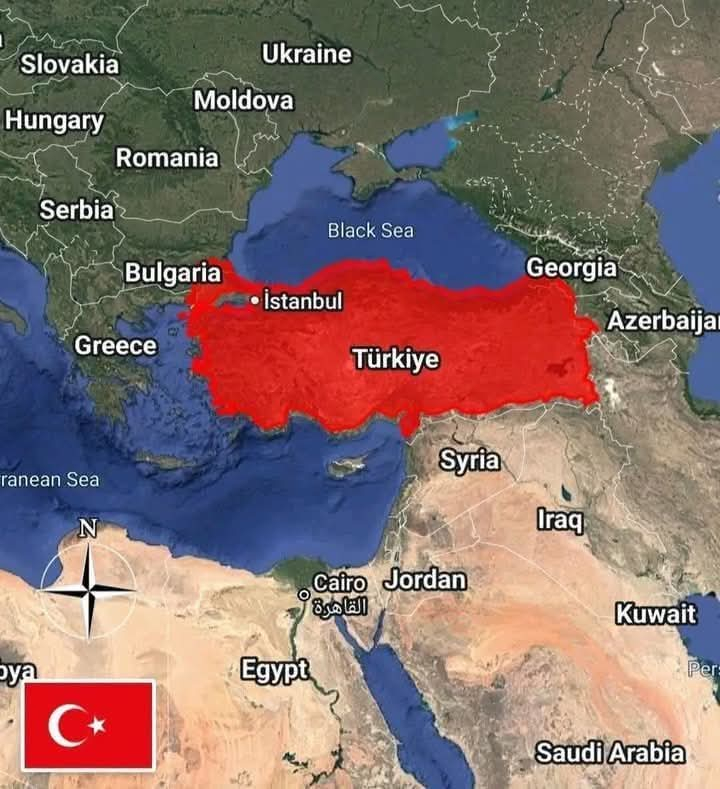
    Türkiye is consistently among the Top 10 most visited countries in the world, attracting 50+ million international tourists annually.

    Largest City
    The biggest city is Istanbul, with 16+ million people, making it one of the largest cities in Europe.

    Capital City
    The capital is Ankara, located in central Anatolia.

    Population Power
    Türkiye has a population of about 85 million people, making it one of the most populous countries in Europe and the Middle East.

    Unique Geographic Location
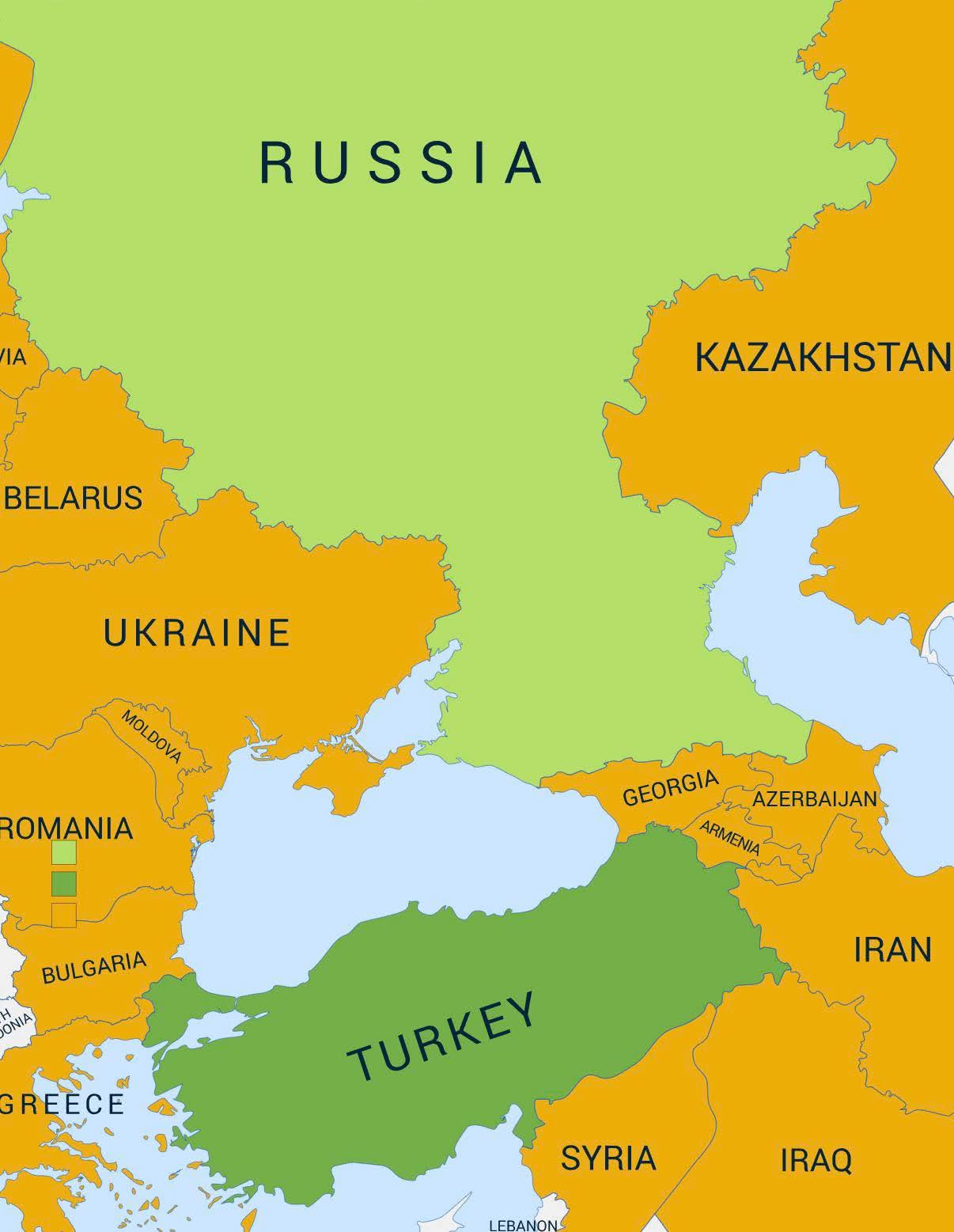
    Türkiye sits between Europe and Asia, connected by the Bosphorus strait.

    Large Economy
    Türkiye has one of the largest economies in the world, usually ranking around Top 20 globally by GDP.

    Major Tourist Cities
    Popular tourist destinations include:
    • Istanbul
    • Antalya
    • Izmir
    • Bodrum
    • Cappadocia region.

    Ancient Civilization Center
    Türkiye has hosted many civilizations including the Hittites, Greeks, Romans, Byzantines, and Ottoman Empire.

    World Heritage Sites
    Türkiye has 19 UNESCO World Heritage Sites, including Göbekli Tepe, one of the oldest temples in the world (11,000+ years old).

    Agricultural Power
    Türkiye is one of the world’s largest producers of hazelnuts, apricots, figs, and cherries.

    Strategic Straits
    The Dardanelles and Bosphorus connect the Black Sea to the Mediterranean Sea.

    Huge Airline Hub
    Turkish Airlines flies to more countries than any other airline in the world.

    Beautiful Coastline
    Türkiye has about 8,300 km of coastline along the Black Sea, Aegean Sea, and Mediterranean Sea.

    Famous Cuisine
    Turkish cuisine includes global favorites like Kebab, Baklava, and Turkish Delight.

    Historic Megacity
    Istanbul is the only city in the world located on two continents.


    Türkiye Facts
    Top 10 most visited country in the world
    Population: ~85 million
    Largest city: Istanbul (16M+)
    Bridge between Europe & Asia
    Top 20 global economy
    19 UNESCO World Heritage sites
    Major agricultural exporter
    Turkish Airlines flies to most countries worldwide
    8,000+ km coastline
    World-famous cuisine

    #turkiye #turkey #geography #worldfacts #europe #asia #travel #amazingworldgeography #fblifestyle
    🇹🇷 15 Interesting Facts About Türkiye 🌍 1️⃣ Top Tourist Destination Türkiye is consistently among the Top 10 most visited countries in the world, attracting 50+ million international tourists annually. 2️⃣ Largest City The biggest city is Istanbul, with 16+ million people, making it one of the largest cities in Europe. 3️⃣ Capital City The capital is Ankara, located in central Anatolia. 4️⃣ Population Power Türkiye has a population of about 85 million people, making it one of the most populous countries in Europe and the Middle East. 5️⃣ Unique Geographic Location Türkiye sits between Europe and Asia, connected by the Bosphorus strait. 6️⃣ Large Economy Türkiye has one of the largest economies in the world, usually ranking around Top 20 globally by GDP. 7️⃣ Major Tourist Cities Popular tourist destinations include: • Istanbul • Antalya • Izmir • Bodrum • Cappadocia region. 8️⃣ Ancient Civilization Center Türkiye has hosted many civilizations including the Hittites, Greeks, Romans, Byzantines, and Ottoman Empire. 9️⃣ World Heritage Sites Türkiye has 19 UNESCO World Heritage Sites, including Göbekli Tepe, one of the oldest temples in the world (11,000+ years old). 🔟 Agricultural Power Türkiye is one of the world’s largest producers of hazelnuts, apricots, figs, and cherries. 1️⃣1️⃣ Strategic Straits The Dardanelles and Bosphorus connect the Black Sea to the Mediterranean Sea. 1️⃣2️⃣ Huge Airline Hub Turkish Airlines flies to more countries than any other airline in the world. 1️⃣3️⃣ Beautiful Coastline Türkiye has about 8,300 km of coastline along the Black Sea, Aegean Sea, and Mediterranean Sea. 1️⃣4️⃣ Famous Cuisine Turkish cuisine includes global favorites like Kebab, Baklava, and Turkish Delight. 1️⃣5️⃣ Historic Megacity Istanbul is the only city in the world located on two continents. ⸻ 🌍 Türkiye Facts 🇹🇷 ✈️ Top 10 most visited country in the world 👥 Population: ~85 million 🏙️ Largest city: Istanbul (16M+) 🌉 Bridge between Europe & Asia 💰 Top 20 global economy 🏛️ 19 UNESCO World Heritage sites 🌾 Major agricultural exporter ✈️ Turkish Airlines flies to most countries worldwide 🏖️ 8,000+ km coastline 🍽️ World-famous cuisine #turkiye #turkey #geography #worldfacts #europe #asia #travel #amazingworldgeography #fblifestyle 🌍
    0 Comments 0 Shares
  • Why Do Flight Paths Look Curved?

    When flying from *Abu Dhabi to Los Angeles*, you might expect a straight path across the Atlantic or Mediterranean. In reality, the flight takes a curved route over Iran, Russia, the North Pole, and Canada before reaching the US west coast.

    The reason? The Earth is *spherical*, and the shortest distance between two points on a sphere is called a *Great Circle Route*—a curved line on flat maps, but actually the most direct path.

    Flat maps are misleading
    Projections like the *Mercator map* distort distances and shapes. A route that appears curved is actually shorter, while a "straight" line on the map may be longer.

    Why do planes take this route?
    - Shorter distance
    - Less flight time
    - Lower fuel consumption
    - Reduced operating costs
    - Sometimes to catch favorable jet streams

    Ancient knowledge
    Muslim scholars like *Al-Biruni* and *Al-Idrisi* understood Earth's shape and calculated such paths centuries ago for navigation and determining directions.

    So, what looks strange on a flat map is actually the most *efficient and direct path* on our spherical Earth.

    #GreatCircleRoute #FlightPaths #AirTravelFacts
    #GeographyMatters #AviationScience #TravelSmart #CurvedNotCrooked #Map
    ✈️🌍 Why Do Flight Paths Look Curved? When flying from *Abu Dhabi to Los Angeles*, you might expect a straight path across the Atlantic or Mediterranean. In reality, the flight takes a curved route over Iran, Russia, the North Pole, and Canada before reaching the US west coast. The reason? The Earth is *spherical*, and the shortest distance between two points on a sphere is called a *Great Circle Route*—a curved line on flat maps, but actually the most direct path. 🗺️ Flat maps are misleading Projections like the *Mercator map* distort distances and shapes. A route that appears curved is actually shorter, while a "straight" line on the map may be longer. 💡 Why do planes take this route? - Shorter distance - Less flight time - Lower fuel consumption - Reduced operating costs - Sometimes to catch favorable jet streams 📜 Ancient knowledge Muslim scholars like *Al-Biruni* and *Al-Idrisi* understood Earth's shape and calculated such paths centuries ago for navigation and determining directions. 🌐 So, what looks strange on a flat map is actually the most *efficient and direct path* on our spherical Earth. #GreatCircleRoute #FlightPaths #AirTravelFacts #GeographyMatters #AviationScience #TravelSmart #CurvedNotCrooked #Map
    0 Comments 0 Shares
  • Welcome to Istanbul: The City Between Two Continents!
    Did you know Istanbul is the only city in the world that spans both Europe and Asia? This magical Turkish metropolis is a living museum of history, culture, and modern life—all in one breathtaking place!

    Quick Facts:

    • Location: Northwest Turkey, along the Bosphorus Strait
    • Area: ~5,343 km²
    • Population: 15+ million (Turkey’s largest city!)
    • Language: Turkish
    • Currency: Turkish Lira (TRY)


    Must-See Highlights:

    • Historic Icons: Hagia Sophia, Blue Mosque, Topkapi Palace, Galata Tower, Roman Hippodrome
    • UNESCO Site: The Historic Areas of Istanbul (Byzantine + Ottoman treasures)
    • Bridges That Connect Continents: Bosphorus Bridge & Fatih Sultan Mehmet Bridge
    • Famous Bazaars: Grand Bazaar & Spice Bazaar – centuries of shopping history!
    • Unique Transport: Ferry rides between continents, nostalgic trams, funiculars


    Tastes of Istanbul:

    Kebab, köfte, simit (sesame bread ring), meze plates, sweet baklava, and of course—Turkish tea in tulip-shaped glasses!


    Fun Fact:

    Istanbul was once known as Byzantium and Constantinople, serving as capital of 3 great empires: Roman, Byzantine, and Ottoman!


    Istanbul isn’t just a city—it’s an experience that connects history and the future!

    #Istanbul #VisitTurkey #CityOfTwoContinents #Bosphorus #TurkishCulture #TravelGoals #AmazingWorldGeography
    🇹🇷✨ Welcome to Istanbul: The City Between Two Continents! Did you know Istanbul is the only city in the world that spans both Europe and Asia? This magical Turkish metropolis is a living museum of history, culture, and modern life—all in one breathtaking place! 🌍 Quick Facts: • Location: Northwest Turkey, along the Bosphorus Strait • Area: ~5,343 km² • Population: 15+ million (Turkey’s largest city!) • Language: Turkish • Currency: Turkish Lira (TRY) ⸻ 🕌 Must-See Highlights: • Historic Icons: Hagia Sophia, Blue Mosque, Topkapi Palace, Galata Tower, Roman Hippodrome • UNESCO Site: The Historic Areas of Istanbul (Byzantine + Ottoman treasures) • Bridges That Connect Continents: Bosphorus Bridge & Fatih Sultan Mehmet Bridge • Famous Bazaars: Grand Bazaar & Spice Bazaar – centuries of shopping history! • Unique Transport: Ferry rides between continents, nostalgic trams, funiculars ⸻ 🍽️ Tastes of Istanbul: Kebab, köfte, simit (sesame bread ring), meze plates, sweet baklava, and of course—Turkish tea in tulip-shaped glasses! ⸻ 🔍 Fun Fact: Istanbul was once known as Byzantium and Constantinople, serving as capital of 3 great empires: Roman, Byzantine, and Ottoman! ⸻ Istanbul isn’t just a city—it’s an experience that connects history and the future! #Istanbul #VisitTurkey #CityOfTwoContinents #Bosphorus #TurkishCulture #TravelGoals #AmazingWorldGeography
    0 Comments 0 Shares
  • #Turkey is a country located at the crossroads of *two continents*, *Asia* and *Europe*, giving it a unique strategic position. Turkey is rich in culture and history, being home to many ancient civilizations, including the *Ottoman Empire* and the *Byzantine Empire*. It is known for its diverse geography, including beautiful *beaches*, towering *mountains*, and amazing archaeological sites. Turkey is also one of the world's major tourist destinations.

    25 Facts About Turkey:

    *1. Geographic Location*
    Turkey is located at the crossroads of *Asia* and *Europe*.

    *2. Capital*
    The capital is *Ankara*, while *Istanbul* is the largest and most famous city.

    *3. Area*
    Turkey covers an area of about *783,356 km²*, making it one of the largest countries in the world.

    *4. Population*
    Turkey's population is approximately *85 million people* in 2024.

    *5. Official Language*
    The official language is *Turkish*.

    *6. Religion*
    The primary religion in Turkey is *Islam*, with the majority being *Sunni Muslims*.

    *7. Government*
    Turkey is a *democratic republic* with a *presidential system*.

    *8. Currency*
    The official currency is the *Turkish Lira (TRY)*.

    *9. Climate*Turkey has a diverse climate: a *Mediterranean climate* on the coast and a *continental climate* in the inland areas.

    *10. Terrain*
    Turkey has varied terrain, including *mountains*, *plains*, and *rivers*.

    *11. Highest Peak*
    The highest peak in Turkey is *Mount Ararat* (Ağrı Dağı), with an elevation of *5,137 meters*.

    *12. Tourism*
    Turkey is one of the most popular tourist destinations, attracting about *40 million tourists annually*.

    *13. Tourist Attractions*
    Turkey has many famous tourist sites, such as *Hagia Sophia* in *Istanbul*, the *Bodrum Mausoleum*, and *Cappadocia*.

    *14. Long History*
    Turkey is home to ancient civilizations such as the *Ottoman Empire*, the *Byzantine Empire*, the *Greeks*, and the *Romans*.

    *15. Historical Significance*
    The city of *Istanbul* was the capital of both the *Byzantine Empire* and the *Ottoman Empire*.

    *16. Turkish Cuisine*
    Turkish cuisine is world-famous, with dishes like *kebab*, *hummus*, *baklava*, and *meze*.

    *17. Sports*
    *Football* is the most popular sport in Turkey, along with *basketball* and *water sports*.

    *18. Turkish Culture*
    Turkey is a blend of *Eastern and Western* influences, reflecting its rich cultural heritage.

    *19. Education*Turkey has a strong educational system, with well-known universities like *Boğaziçi University* and *Istanbul University*.

    *20. Renewable Energy*
    Turkey is investing in *renewable energy*, particularly in *solar* and *wind power*.

    *21. Trade and Industry*
    Turkey is a major commercial hub, exporting products such as *textiles*, *machinery*, and *agricultural products*.

    *22. Islamic Culture*
    Turkey has a rich Islamic history, with many famous *mosques* like the *Sultan Ahmed Mosque (Blue Mosque)*.

    *23. Turkish Arts*
    Turkey is known for its arts, including *calligraphy*, *Islamic decoration*, and *traditional dances*.

    *24. Space and Astronomy*
    Turkey is developing its own space program and aims to reach space in the coming years.

    *25. Politics*
    Turkey is a member of *NATO* and the *G20*, playing a key role in global politics.

    Turkey is a country with a *long history* and *rich culture*, blending *ancient traditions* with modern developments, making it an exciting destination for tourists and investors alike.
    C: Geographic
    #Turkey 🇹🇷 is a country located at the crossroads of *two continents*, *Asia* and *Europe*, giving it a unique strategic position. Turkey is rich in culture and history, being home to many ancient civilizations, including the *Ottoman Empire* and the *Byzantine Empire*. It is known for its diverse geography, including beautiful *beaches*, towering *mountains*, and amazing archaeological sites. Turkey is also one of the world's major tourist destinations. 25 Facts About Turkey: 🌐 *1. Geographic Location* Turkey is located at the crossroads of *Asia* and *Europe*. 🌐 *2. Capital* The capital is *Ankara*, while *Istanbul* is the largest and most famous city. 🌐 *3. Area* Turkey covers an area of about *783,356 km²*, making it one of the largest countries in the world. 🌐 *4. Population* Turkey's population is approximately *85 million people* in 2024. 🌐 *5. Official Language* The official language is *Turkish*. 🌐 *6. Religion* The primary religion in Turkey is *Islam*, with the majority being *Sunni Muslims*. 🌐 *7. Government* Turkey is a *democratic republic* with a *presidential system*. 🌐 *8. Currency* The official currency is the *Turkish Lira (TRY)*. 🌐 *9. Climate*Turkey has a diverse climate: a *Mediterranean climate* on the coast and a *continental climate* in the inland areas. 🌐 *10. Terrain* Turkey has varied terrain, including *mountains*, *plains*, and *rivers*. 🌐 *11. Highest Peak* The highest peak in Turkey is *Mount Ararat* (Ağrı Dağı), with an elevation of *5,137 meters*. 🌐 *12. Tourism* Turkey is one of the most popular tourist destinations, attracting about *40 million tourists annually*. 🌐 *13. Tourist Attractions* Turkey has many famous tourist sites, such as *Hagia Sophia* in *Istanbul*, the *Bodrum Mausoleum*, and *Cappadocia*. 🌐 *14. Long History* Turkey is home to ancient civilizations such as the *Ottoman Empire*, the *Byzantine Empire*, the *Greeks*, and the *Romans*. 🌐 *15. Historical Significance* The city of *Istanbul* was the capital of both the *Byzantine Empire* and the *Ottoman Empire*. 🌐 *16. Turkish Cuisine* Turkish cuisine is world-famous, with dishes like *kebab*, *hummus*, *baklava*, and *meze*. 🌐 *17. Sports* *Football* is the most popular sport in Turkey, along with *basketball* and *water sports*. 🌐 *18. Turkish Culture* Turkey is a blend of *Eastern and Western* influences, reflecting its rich cultural heritage. 🌐 *19. Education*Turkey has a strong educational system, with well-known universities like *Boğaziçi University* and *Istanbul University*. 🌐 *20. Renewable Energy* Turkey is investing in *renewable energy*, particularly in *solar* and *wind power*. 🌐 *21. Trade and Industry* Turkey is a major commercial hub, exporting products such as *textiles*, *machinery*, and *agricultural products*. 🌐 *22. Islamic Culture* Turkey has a rich Islamic history, with many famous *mosques* like the *Sultan Ahmed Mosque (Blue Mosque)*. 🌐 *23. Turkish Arts* Turkey is known for its arts, including *calligraphy*, *Islamic decoration*, and *traditional dances*. 🌐 *24. Space and Astronomy* Turkey is developing its own space program and aims to reach space in the coming years. 🌐 *25. Politics* Turkey is a member of *NATO* and the *G20*, playing a key role in global politics. Turkey is a country with a *long history* and *rich culture*, blending *ancient traditions* with modern developments, making it an exciting destination for tourists and investors alike. C: Geographic
    0 Comments 0 Shares
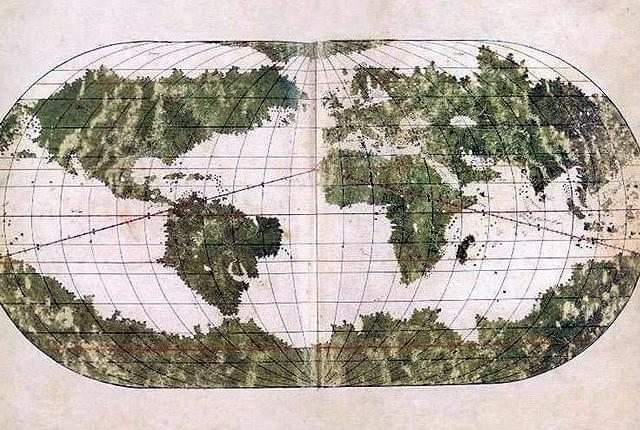
  • The Ottoman 16th Century Ali Macar Map (Ali Macar Reis'in Dünya Haritası)

    The Ali Macar Map is a striking example of 16th-century Ottoman cartography, created by the renowned Ottoman navigator Ali Macar Reis. This world map, dated to 1567, reflects the rich seafaring tradition of the Ottoman Empire and offers a unique perspective on global geography during the height of Ottoman naval power.

    The map illustrates:

    The Mediterranean Sea, the heart of the Ottoman maritime empire.
    Portions of Europe, Africa, and the Middle East, showing the regions the Ottoman Empire was directly or indirectly involved with.
    An artistic representation of world geography that reflects the knowledge of the time, with some areas detailed and others more speculative, reflecting global exploration.
    Ali Macar Reis’ map exemplifies the Ottoman Empire’s sophisticated understanding of navigation and geography, influenced by both Islamic and European cartographic traditions.

    #AliMacarMap #OttomanEmpire #16thCentury #OttomanCartography #WorldMaps #OttomanNavy #HistoricalMaps #OttomanHistory #AliMacarReis #GlobalExploration
    The Ottoman 16th Century Ali Macar Map (Ali Macar Reis'in Dünya Haritası) The Ali Macar Map is a striking example of 16th-century Ottoman cartography, created by the renowned Ottoman navigator Ali Macar Reis. This world map, dated to 1567, reflects the rich seafaring tradition of the Ottoman Empire and offers a unique perspective on global geography during the height of Ottoman naval power. The map illustrates: The Mediterranean Sea, the heart of the Ottoman maritime empire. Portions of Europe, Africa, and the Middle East, showing the regions the Ottoman Empire was directly or indirectly involved with. An artistic representation of world geography that reflects the knowledge of the time, with some areas detailed and others more speculative, reflecting global exploration. Ali Macar Reis’ map exemplifies the Ottoman Empire’s sophisticated understanding of navigation and geography, influenced by both Islamic and European cartographic traditions. #AliMacarMap #OttomanEmpire #16thCentury #OttomanCartography #WorldMaps #OttomanNavy #HistoricalMaps #OttomanHistory #AliMacarReis #GlobalExploration
    0 Comments 0 Shares
  • Did you know that Australia’s Highway 1 is not just the longest national highway in the country, but also one of the longest in the world? Spanning an extraordinary 14,500 kilometers (9,009 miles), this iconic highway forms a loop around the entire continent, connecting all of Australia’s major coastal cities. Traveling along this route, you’ll experience breathtaking views that range from rugged coastlines and pristine beaches to lush rainforests and arid outback landscapes.

    As you journey along Highway 1, you’ll pass through world-famous cities like Sydney, where the Sydney Opera House and Harbour Bridge await; Melbourne, known for its vibrant arts scene and coffee culture; Brisbane, with its riverside parks and lively cultural precincts; Perth, where you can enjoy stunning sunsets over the Indian Ocean; and Adelaide, the gateway to some of the world’s best wine regions.

    Known as the "National Highway" or simply "The One," this vast road network is vital for connecting Australia’s coastal regions and urban centers. But it’s more than just a transportation route—it’s a road that tells the story of Australia’s diverse geography and rich cultural heritage.

    For travelers, Highway 1 is the ultimate road trip, offering a unique way to explore the vast and varied landscapes of Australia. Whether you’re stopping to surf at a secluded beach, hike through a national park, or discover the history and culture of a new city, each segment of Highway 1 offers its own adventure. This highway is a journey in itself, a pathway to discovering the natural beauty and cultural richness that make Australia a truly unique destination.

    Source: Teachers Travelers
    Did you know that Australia’s Highway 1 is not just the longest national highway in the country, but also one of the longest in the world? Spanning an extraordinary 14,500 kilometers (9,009 miles), this iconic highway forms a loop around the entire continent, connecting all of Australia’s major coastal cities. Traveling along this route, you’ll experience breathtaking views that range from rugged coastlines and pristine beaches to lush rainforests and arid outback landscapes. As you journey along Highway 1, you’ll pass through world-famous cities like Sydney, where the Sydney Opera House and Harbour Bridge await; Melbourne, known for its vibrant arts scene and coffee culture; Brisbane, with its riverside parks and lively cultural precincts; Perth, where you can enjoy stunning sunsets over the Indian Ocean; and Adelaide, the gateway to some of the world’s best wine regions. Known as the "National Highway" or simply "The One," this vast road network is vital for connecting Australia’s coastal regions and urban centers. But it’s more than just a transportation route—it’s a road that tells the story of Australia’s diverse geography and rich cultural heritage. For travelers, Highway 1 is the ultimate road trip, offering a unique way to explore the vast and varied landscapes of Australia. Whether you’re stopping to surf at a secluded beach, hike through a national park, or discover the history and culture of a new city, each segment of Highway 1 offers its own adventure. This highway is a journey in itself, a pathway to discovering the natural beauty and cultural richness that make Australia a truly unique destination. Source: Teachers Travelers
    0 Comments 0 Shares
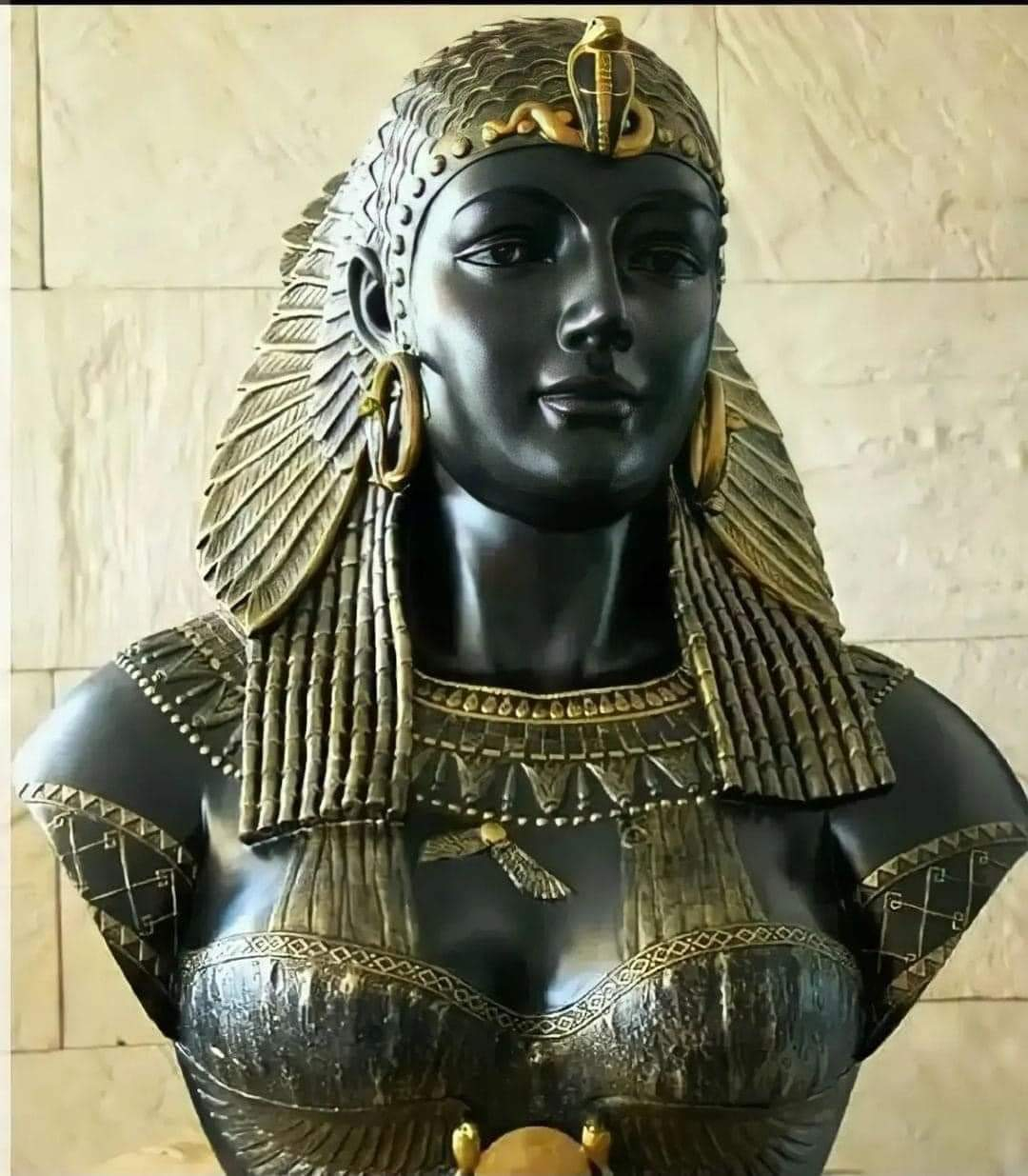
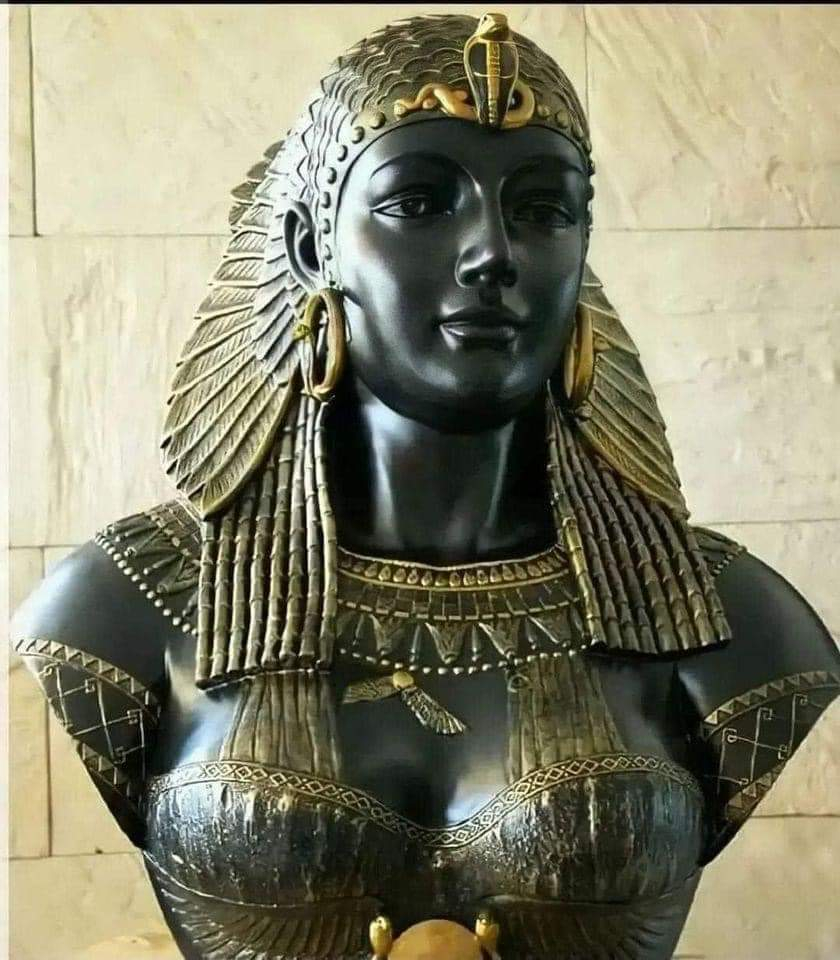
  • Cleopatra ascended the throne at the age of 17 and died at the age of 39. She spoke 9 languages. She knew the language of Ancient Egypt and had learned to read hieroglyphics, a unique case in her dynasty. Apart from this, she knew Greek and the languages ​​of the Parthians, Hebrews, Medes, Troglodytes, Syrians, Ethiopians, and Arabs.

    With this knowledge, any book in the world was open to her. In addition to languages, she studied geography, history, astronomy, international diplomacy, mathematics, alchemy, medicine, zoology, economics, and other disciplines. She tried to access all the knowledge of her time.

    Cleopatra spent a lot of time in a kind of ancient laboratory. She wrote some works related to herbs and cosmetics. Unfortunately, all her books were destroyed in the fire of the great Library of Alexandria in 391 AD. C. The famous physicist Galen studied her work, and was able to transcribe some of the recipes devised by Cleopatra.

    One of these remedies, which Galen also recommended to her patients, was a special cream that could help bald men regain their hair. Cleopatra's books also included beauty tips, but none of them have come down to us.

    The queen of Egypt was also interested in herbal healing, and thanks to her knowledge of languages, she had access to numerous papyri that are lost today. Her influence on the sciences and medicine was well known in the early centuries of Christianity. She, without a doubt, is a unique figure in the history of humanity.
    Cleopatra ascended the throne at the age of 17 and died at the age of 39. She spoke 9 languages. She knew the language of Ancient Egypt and had learned to read hieroglyphics, a unique case in her dynasty. Apart from this, she knew Greek and the languages ​​of the Parthians, Hebrews, Medes, Troglodytes, Syrians, Ethiopians, and Arabs. With this knowledge, any book in the world was open to her. In addition to languages, she studied geography, history, astronomy, international diplomacy, mathematics, alchemy, medicine, zoology, economics, and other disciplines. She tried to access all the knowledge of her time. Cleopatra spent a lot of time in a kind of ancient laboratory. She wrote some works related to herbs and cosmetics. Unfortunately, all her books were destroyed in the fire of the great Library of Alexandria in 391 AD. C. The famous physicist Galen studied her work, and was able to transcribe some of the recipes devised by Cleopatra. One of these remedies, which Galen also recommended to her patients, was a special cream that could help bald men regain their hair. Cleopatra's books also included beauty tips, but none of them have come down to us. The queen of Egypt was also interested in herbal healing, and thanks to her knowledge of languages, she had access to numerous papyri that are lost today. Her influence on the sciences and medicine was well known in the early centuries of Christianity. She, without a doubt, is a unique figure in the history of humanity.
    0 Comments 0 Shares
  • Cleopatra ascended the throne at the age of 17 and died at the age of 39. She spoke 9 languages. She knew the language of Ancient Egypt and had learned to read hieroglyphics, a unique case in her dynasty. Apart from this, she knew Greek and the languages ​​of the Parthians, Hebrews, Medes, Troglodytes, Syrians, Ethiopians, and Arabs.
    With this knowledge, any book in the world was open to her. In addition to languages, she studied geography, history, astronomy, international diplomacy, mathematics, alchemy, medicine, zoology, economics, and other disciplines. She tried to access all the knowledge of her time.
    Cleopatra spent a lot of time in a kind of ancient laboratory. She wrote some works related to herbs and cosmetics. Unfortunately, all her books were destroyed in the fire of the great Library of Alexandria in 391 AD. C. The famous physicist Galen studied her work, and was able to transcribe some of the recipes devised by Cleopatra.
    One of these remedies, which Galen also recommended to her patients, was a special cream that could help bald men regain their hair. Cleopatra's books also included beauty tips, but none of them have come down to us.
    The queen of Egypt was also interested in herbal healing, and thanks to her knowledge of languages, she had access to numerous papyri that are lost today. Her influence on the sciences and medicine was well known in the early centuries of Christianity. She, without a doubt, is a unique figure in the history of humanity.
    Cleopatra ascended the throne at the age of 17 and died at the age of 39. She spoke 9 languages. She knew the language of Ancient Egypt and had learned to read hieroglyphics, a unique case in her dynasty. Apart from this, she knew Greek and the languages ​​of the Parthians, Hebrews, Medes, Troglodytes, Syrians, Ethiopians, and Arabs. With this knowledge, any book in the world was open to her. In addition to languages, she studied geography, history, astronomy, international diplomacy, mathematics, alchemy, medicine, zoology, economics, and other disciplines. She tried to access all the knowledge of her time. Cleopatra spent a lot of time in a kind of ancient laboratory. She wrote some works related to herbs and cosmetics. Unfortunately, all her books were destroyed in the fire of the great Library of Alexandria in 391 AD. C. The famous physicist Galen studied her work, and was able to transcribe some of the recipes devised by Cleopatra. One of these remedies, which Galen also recommended to her patients, was a special cream that could help bald men regain their hair. Cleopatra's books also included beauty tips, but none of them have come down to us. The queen of Egypt was also interested in herbal healing, and thanks to her knowledge of languages, she had access to numerous papyri that are lost today. Her influence on the sciences and medicine was well known in the early centuries of Christianity. She, without a doubt, is a unique figure in the history of humanity.
    0 Comments 0 Shares
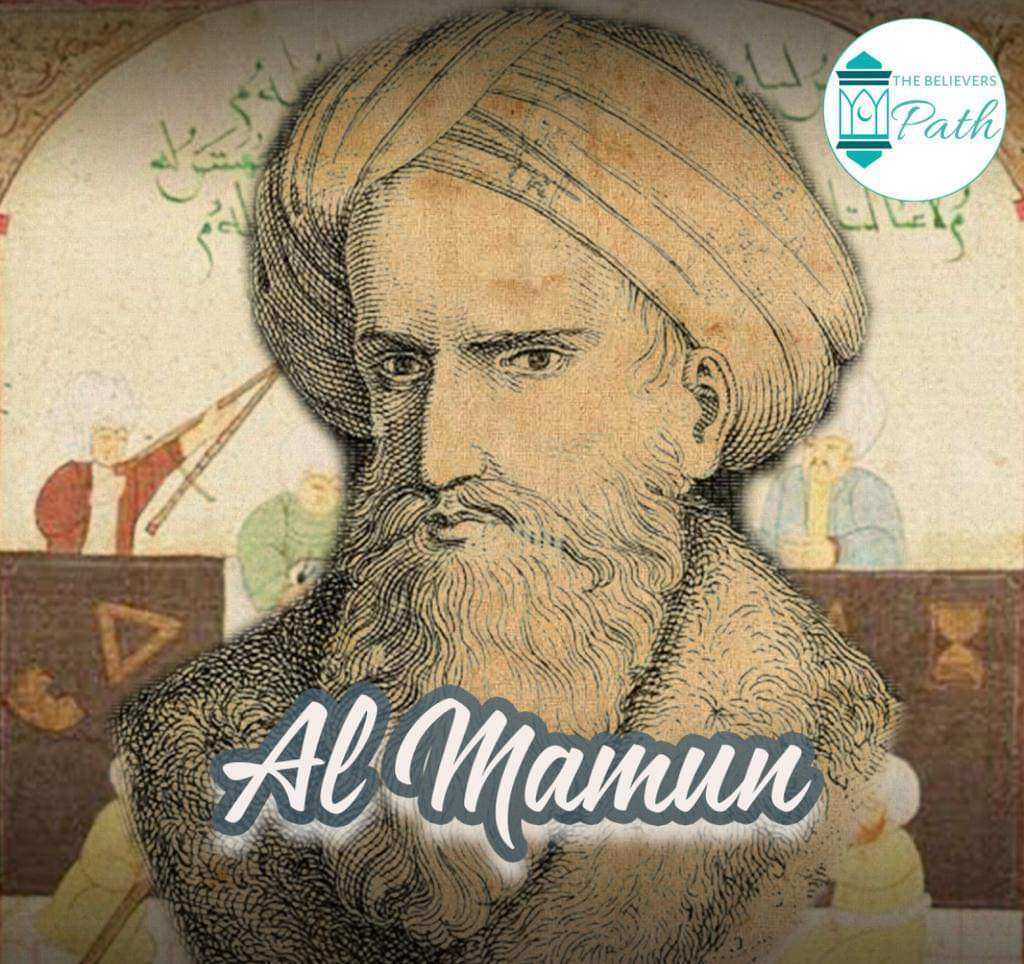
  • What Harun started, his son Mamun sought to complete. Mamun was a scholar in his own right, had studied medicine, Fiqh, logic and was a Hafiz e Qur’an. He sent delegations to Constantinople and the courts of Indian and Chinese princes asking them to send classical books and scholars. He encouraged the translators and gave them handsome rewards.

    Perhaps the story of this period is best told by the great men of the era. The first philosopher of Islam, al Kindi , worked at this time in Iraq. The celebrated mathematician al Khwarizmi worked at the court of Mamun. Al Khwarizmi is best known for the recurring method of solving mathematical problems, which is used even today and is called algorithms. He studied for a while in Baghdad and is also reported to have traveled to India. Al Khwarizmi invented the word algebra (from the Arabic word j-b-r, meaning to force, beat or multiply), introduced the Indian numeral system to the Muslim world (from where it traveled to Europe and became the “Arabic” numeral system), institutionalized the use of the decimal in mathematics and invented the empirical method (knowledge based on measurement) in astronomy. He wrote several books on geography and astronomy and cooperated in the measurement of the distance of an arc across the globe. The world celebrates the name of Al Khwarizmi to this day by using “algorithms” in every discipline of science and engineering.

    It was the intellectual explosion created at the time of Harun and Mamun that propelled science into the forefront of knowledge and made Islamic civilization the beacon of learning for five hundred years. The work done by the translation schools of Baghdad made possible the later works of the physician al Razi, historian al Masudi, the physician Abu Ali Sina , the physicist al Hazen, the historian al Baruni, the mathematician Omar Khayyam and the philosopher Ibn Rushd.

    The age of Harun and Mamun was also an age of contradictions. Indeed, no other period in Islamic history illustrates with such clarity the schizophrenic attitude of Muslims towards their own history, as does the age of Harun and Mamun. On the one hand, Muslims take pride in its accomplishments. On the other, they reject the values on which those achievements were based. Muslims exude great pride in the scientists and philosophers of the era, especially in their dialectic with the West. But they reject the intellectual foundation on which these scientists and philosophers based their work.

    Thus it was that the Muslim world came upon rational ideas, adopted them, experimented with them and finally threw them out. The historical lesson of the age of Harun and Mamun is that a fresh effort must be made to incorporate philosophy and science within the framework of Islamic civilization based on Tawhid.
    What Harun started, his son Mamun sought to complete. Mamun was a scholar in his own right, had studied medicine, Fiqh, logic and was a Hafiz e Qur’an. He sent delegations to Constantinople and the courts of Indian and Chinese princes asking them to send classical books and scholars. He encouraged the translators and gave them handsome rewards. Perhaps the story of this period is best told by the great men of the era. The first philosopher of Islam, al Kindi , worked at this time in Iraq. The celebrated mathematician al Khwarizmi worked at the court of Mamun. Al Khwarizmi is best known for the recurring method of solving mathematical problems, which is used even today and is called algorithms. He studied for a while in Baghdad and is also reported to have traveled to India. Al Khwarizmi invented the word algebra (from the Arabic word j-b-r, meaning to force, beat or multiply), introduced the Indian numeral system to the Muslim world (from where it traveled to Europe and became the “Arabic” numeral system), institutionalized the use of the decimal in mathematics and invented the empirical method (knowledge based on measurement) in astronomy. He wrote several books on geography and astronomy and cooperated in the measurement of the distance of an arc across the globe. The world celebrates the name of Al Khwarizmi to this day by using “algorithms” in every discipline of science and engineering. It was the intellectual explosion created at the time of Harun and Mamun that propelled science into the forefront of knowledge and made Islamic civilization the beacon of learning for five hundred years. The work done by the translation schools of Baghdad made possible the later works of the physician al Razi, historian al Masudi, the physician Abu Ali Sina , the physicist al Hazen, the historian al Baruni, the mathematician Omar Khayyam and the philosopher Ibn Rushd. The age of Harun and Mamun was also an age of contradictions. Indeed, no other period in Islamic history illustrates with such clarity the schizophrenic attitude of Muslims towards their own history, as does the age of Harun and Mamun. On the one hand, Muslims take pride in its accomplishments. On the other, they reject the values on which those achievements were based. Muslims exude great pride in the scientists and philosophers of the era, especially in their dialectic with the West. But they reject the intellectual foundation on which these scientists and philosophers based their work. Thus it was that the Muslim world came upon rational ideas, adopted them, experimented with them and finally threw them out. The historical lesson of the age of Harun and Mamun is that a fresh effort must be made to incorporate philosophy and science within the framework of Islamic civilization based on Tawhid.
    0 Comments 0 Shares
  • Fotoğraf, 1900'lerin başında Antep/Urfa yakınlarında çekilmiş ve İngiliz National Geography Society adlı dergide yayımlanmıştır.
    Fotoğraf, 1900'lerin başında Antep/Urfa yakınlarında çekilmiş ve İngiliz National Geography Society adlı dergide yayımlanmıştır.
    0 Comments 0 Shares
More Results