• A Historic Move After 125 Years!

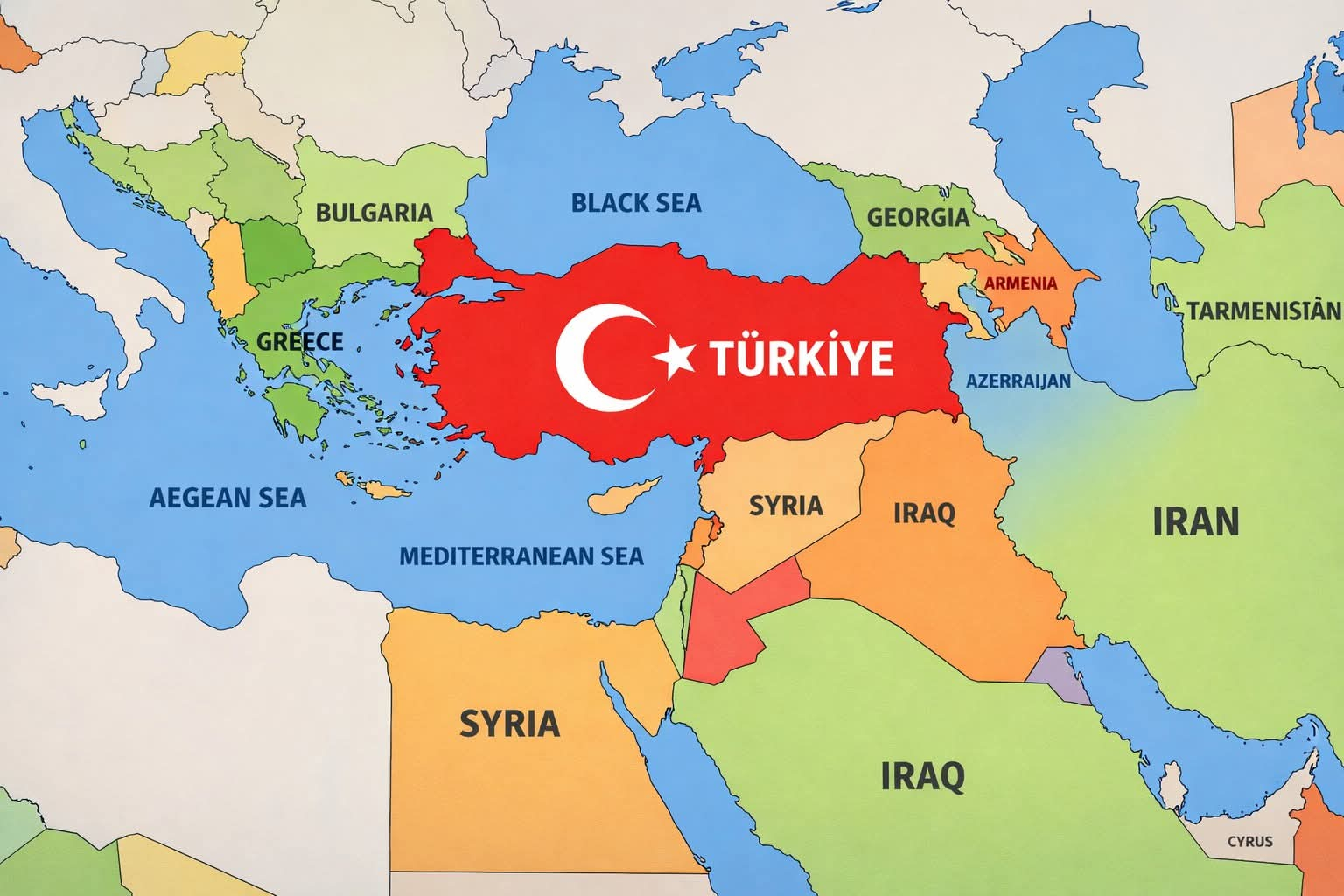
    The Hejaz Railway, first launched by Sultan Abdul Hamid II in 1900 to connect Istanbul to Mecca and Medina, is being revived after 125 years!

    Türkiye, Jordan, and Syria have signed a protocol for reconstruction. A separate protocol with Saudi Arabia will follow soon.

    The new line will stretch from Istanbul → Damascus → Amman → Medina, aiming to provide safe, affordable travel for pilgrims and boost international trade.

    Originally completed in 1908, the railway was disrupted during World War I, but now it will return as a modern link of faith, history, and commerce.

    #HejazRailway #History #OttomanEmpire #AbdulHamidII #Pilgrimage #FaithAndTrade #Turkey #Jordan #Syria #SaudiArabia
    A Historic Move After 125 Years! 🚂✨ The Hejaz Railway, first launched by Sultan Abdul Hamid II in 1900 to connect Istanbul to Mecca and Medina, is being revived after 125 years! 🇹🇷 Türkiye, 🇯🇴 Jordan, and 🇸🇾 Syria have signed a protocol for reconstruction. A separate protocol with Saudi Arabia will follow soon. The new line will stretch from Istanbul → Damascus → Amman → Medina, aiming to provide safe, affordable travel for pilgrims and boost international trade. 🕌 Originally completed in 1908, the railway was disrupted during World War I, but now it will return as a modern link of faith, history, and commerce. #HejazRailway #History #OttomanEmpire #AbdulHamidII #Pilgrimage #FaithAndTrade #Turkey #Jordan #Syria #SaudiArabia
    1
    0 Comments 0 Shares
  • The Ottoman Empire at Its Peak – 1683

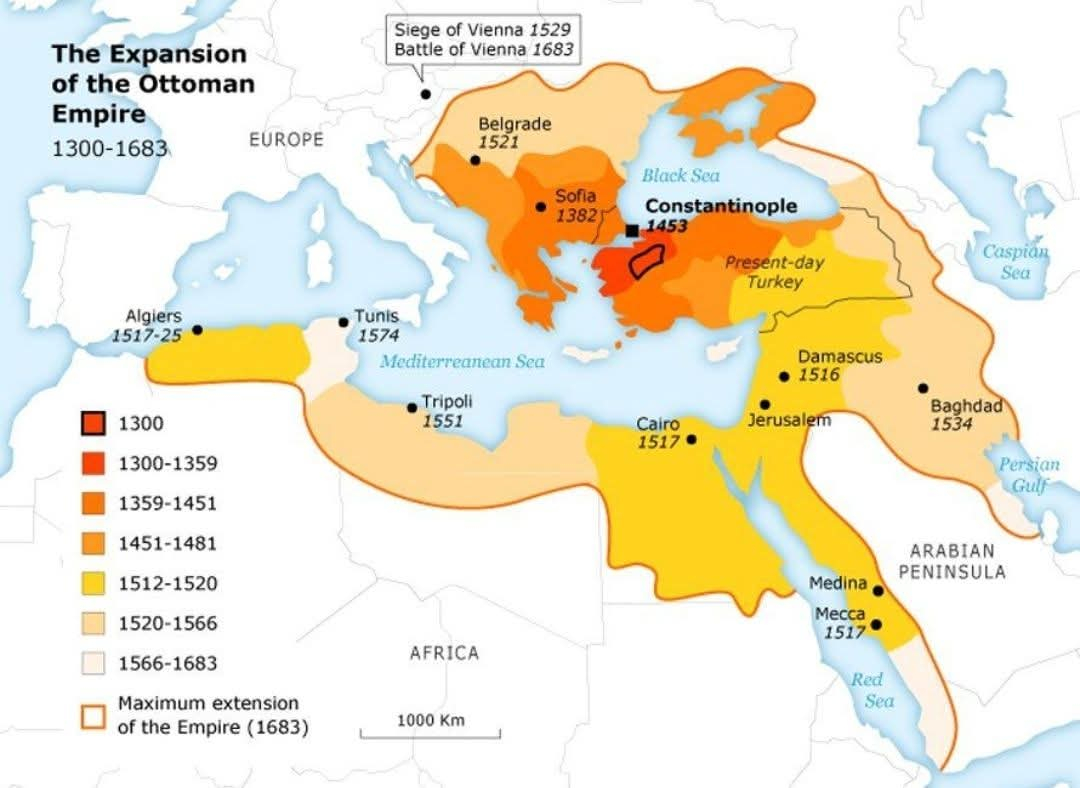
    In 1683, the Ottoman Empire stood as one of the world’s most powerful states, stretching across three continents.

    Territory – From Hungary in the heart of Europe to the Arabian deserts, from North Africa to the Caucasus, the empire spanned 6-7 million square kilometers.

    Capital – Istanbul, once Constantinople, was a global hub of trade, culture, and politics.

    Diversity – The empire united Turks, Arabs, Kurds, Greeks, Armenians, Slavs, Jews, and many more under a vast administrative system.

    Military Power – The Janissaries and navy projected influence across the Mediterranean, Red Sea, and beyond.

    1683 Vienna Campaign – Marked the high tide of Ottoman expansion into Europe, though the failed siege of Vienna also signaled the turning point of imperial fortunes.

    The Ottoman Empire in 1683 was not just a political force — it was a cultural mosaic and a major player in global history.

    A true ISLAMIC UNITY is not only the only solution to provide Peace, Tranquility, and Security today — just as the Ottoman State ensured for 600 years — but also the only path for the economic development of poor Islamic countries.
    The Ottoman Empire at Its Peak – 1683 In 1683, the Ottoman Empire stood as one of the world’s most powerful states, stretching across three continents. 🔹 Territory – From Hungary in the heart of Europe to the Arabian deserts, from North Africa to the Caucasus, the empire spanned 6-7 million square kilometers. 🔹 Capital – Istanbul, once Constantinople, was a global hub of trade, culture, and politics. 🔹 Diversity – The empire united Turks, Arabs, Kurds, Greeks, Armenians, Slavs, Jews, and many more under a vast administrative system. 🔹 Military Power – The Janissaries and navy projected influence across the Mediterranean, Red Sea, and beyond. 🔹 1683 Vienna Campaign – Marked the high tide of Ottoman expansion into Europe, though the failed siege of Vienna also signaled the turning point of imperial fortunes. The Ottoman Empire in 1683 was not just a political force — it was a cultural mosaic and a major player in global history. A true ISLAMIC UNITY is not only the only solution to provide Peace, Tranquility, and Security today — just as the Ottoman State ensured for 600 years — but also the only path for the economic development of poor Islamic countries.
    0 Comments 0 Shares
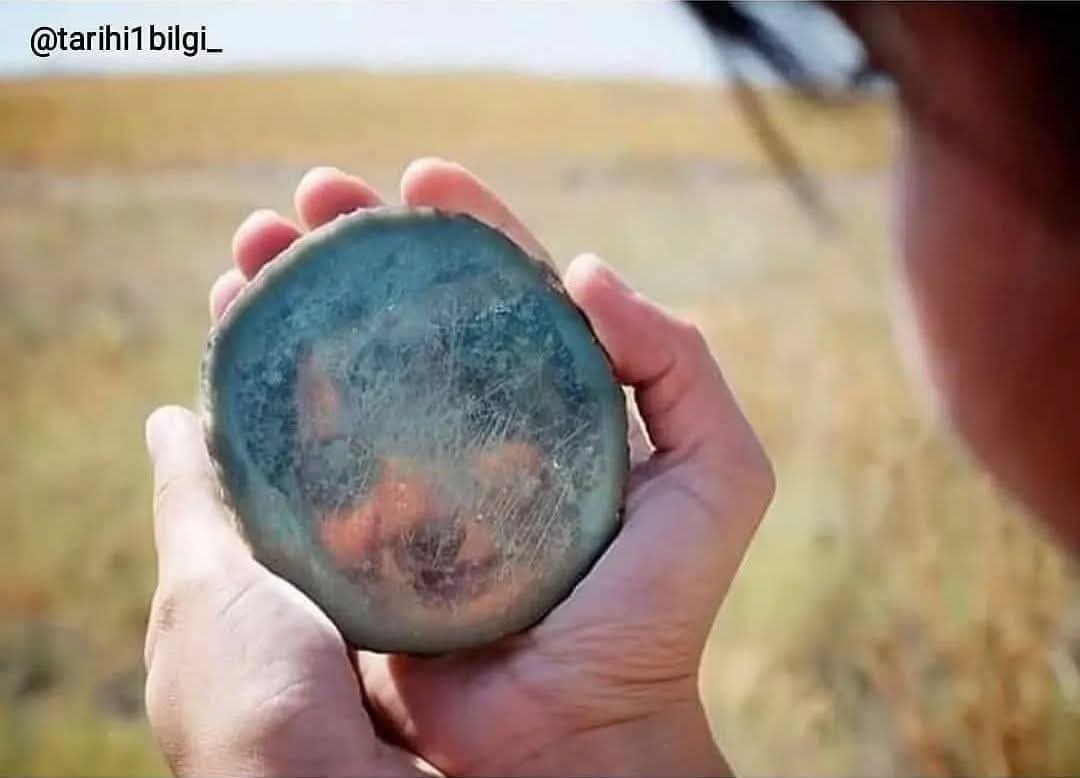
  • Dünyanın en eski aynası 8000 yıl önce Anadolu'da; obsidyenden yapıldı. Arkeoloğun yüzünün yansımasını görüyorsunuz.

    • Bu değerli ayna; Çatalhöyük 2012 kazılarında keşfedilmişti.

    • 1 Temmuz 2012'de, 21 üyeden oluşan Dünya Kültür Mirası Komitesi, St Peterburg'da, Çatalhöyük'ü Dünya Kültür Mirası Listesi'ne ekledi.

    #tarih #çatalhöyük #history
    📌 Dünyanın en eski aynası 8000 yıl önce Anadolu'da; obsidyenden yapıldı. Arkeoloğun yüzünün yansımasını görüyorsunuz. • Bu değerli ayna; Çatalhöyük 2012 kazılarında keşfedilmişti. • 1 Temmuz 2012'de, 21 üyeden oluşan Dünya Kültür Mirası Komitesi, St Peterburg'da, Çatalhöyük'ü Dünya Kültür Mirası Listesi'ne ekledi. #tarih #çatalhöyük #history
    0 Comments 0 Shares
  • Mosque Series #3: The Blue Mosque (Sultan Ahmed Mosque)

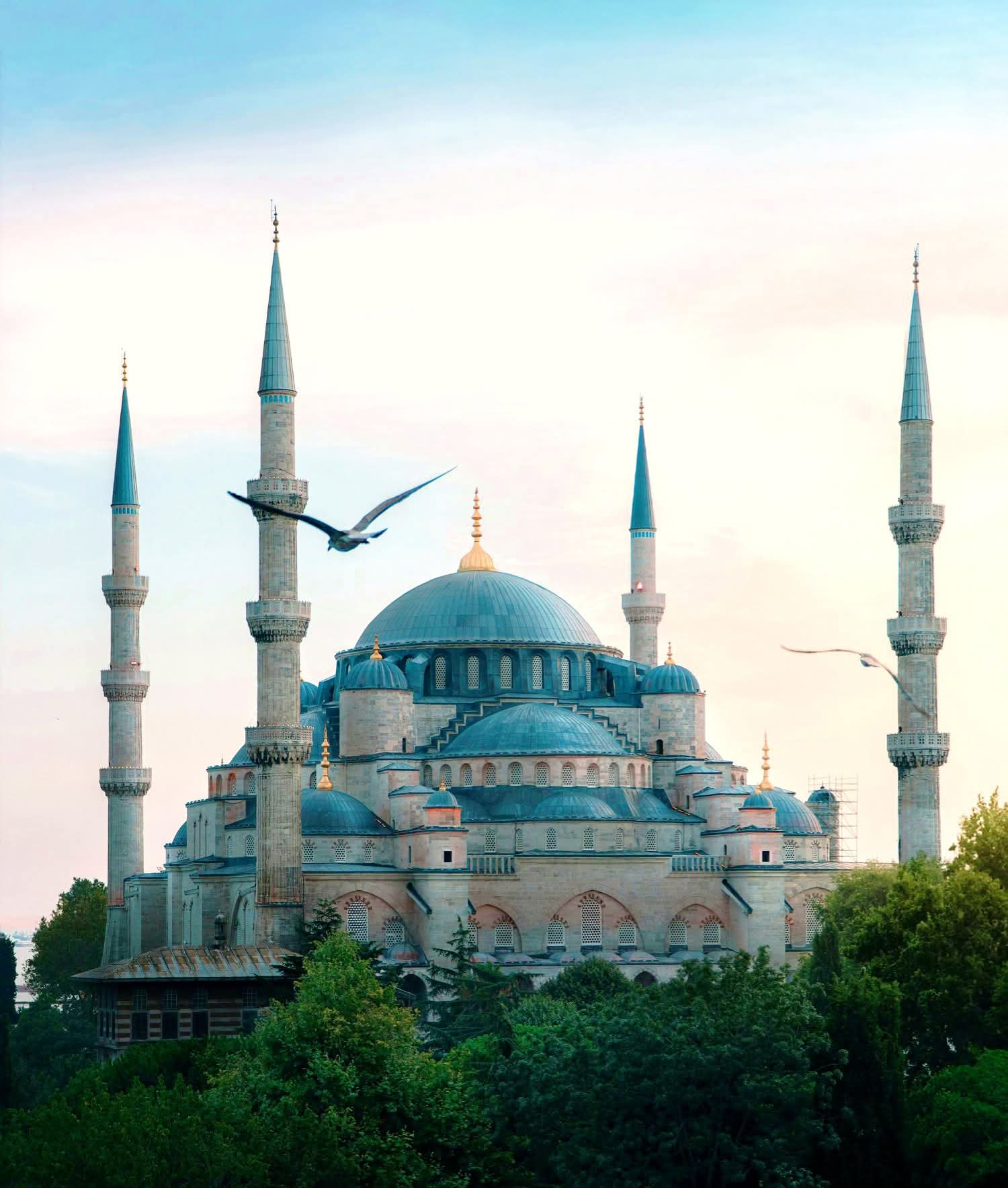
    Built between 1609–1616 by Sultan Ahmed I.

    Famous for its 20,000+ handmade blue Iznik tiles, giving it the name Blue Mosque.

    Features 6 minarets, a unique design that made it stand out in the Ottoman era.

    Large windows brighten the interior with natural light.

    Located right opposite Hagia Sophia, making it one of Istanbul’s most visited landmarks.

    A true masterpiece where history, faith, and art blend in perfect harmony!

    #tourkeystaytours #qatar #oman #muslim #doha #kolkata #moroccan #morocco #unitedkingdom #lebanon #mexico #Cameroun #bahrain #kuwait
    ✨ Mosque Series #3: The Blue Mosque (Sultan Ahmed Mosque) ✨ 🕌 Built between 1609–1616 by Sultan Ahmed I. 🎨 Famous for its 20,000+ handmade blue Iznik tiles, giving it the name Blue Mosque. 🌟 Features 6 minarets, a unique design that made it stand out in the Ottoman era. ☀️ Large windows brighten the interior with natural light. 📍 Located right opposite Hagia Sophia, making it one of Istanbul’s most visited landmarks. 💫 A true masterpiece where history, faith, and art blend in perfect harmony! #tourkeystaytours #qatar #oman #muslim #doha #kolkata #moroccan #morocco #unitedkingdom #lebanon #mexico #Cameroun #bahrain #kuwait
    0 Comments 0 Shares
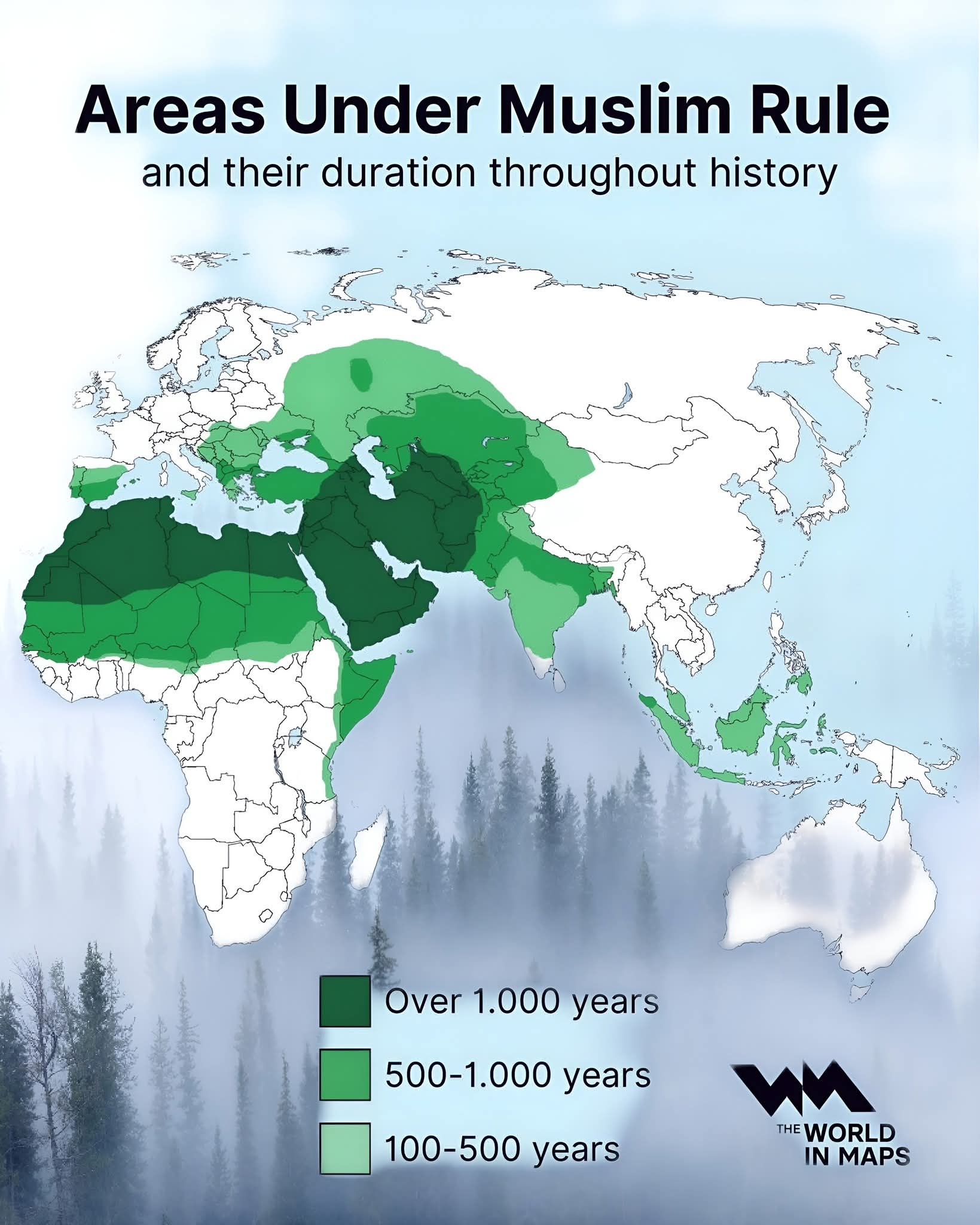
  • Map shows how long your part of the world has been under Muslim rule throughout history.
    🌴🌿Map shows how long your part of the world has been under Muslim rule throughout history.
    0 Comments 0 Shares
  • Abbasi Halifeliği: Rönesans'ı Ateşleyen Bir Devrim

    M.Ö. 750 yılında Abbasiler İslam'ın Altın Çağı'na öncülük ederek Umayadları devirdiler. İkonik Bağdat'taki "Yuvarlak Şehir"inden İslam dünyasını bilgi, kültür ve yenilikçi bir fenerine dönüştürdüler.

    *Bağdat'ta Yeni Bir Çağ*
    M.Ö. 762 yılında Halife Mansur tarafından kurulan Bağdat, Arapları, Farsları, Türkleri ve daha fazlasını canlı bir İslami kimlik altında birleştirerek küresel bir ticaret, diplomasi ve aklın merkezi haline geldi.

    *Öğrenmenin Altın Çağı*
    Harun el-Reşid ve el-Ma'mun gibi halifeler kültürel bir patlamayı körükledi:
    *Bilgelik Evi* Yunanca, Farsça ve Hint metinlerini tercüme etti.
    Harezmi cebiri icat etti, El-Razi tıbbı devrim yaptı ve İbn Sina'nın *Tıp Kanonu* küresel sağlık hizmetini şekillendirdi.
    El-Hasan ibn el-Heysem optiğe öncülük etti, bilimsel yöntemin temelini attı.

    *Sanat ve Felsefe gelişti*
    El-Mutanabbi gibi şairler, Sufi mistikleri ve El-Farabi gibi filozoflar Yunan rasyonalizmini İslam düşüncesiyle harmanlamışlardır. Abbasi mahkemesi ipek, müzik ve kütüphanelerle göz kamaştırdı.

    *Dini Çeşitlilik*
    Abbasiler Sünni İslam'ı teşvik ederken Şii, Haricit ve İsmail düşüncelerinin yükselişini gördüler ve ilahiyat okullarının zengin bir duvar halısını beslediler.

    *Reddet ve Miras*
    10. yüzyıla kadar, parçalanma başladı. 1258 yılında Bağdat'ın Moğol çuvallaması ve vilayet hanedanları Altın Çağ'ı sonlandırdı. Ancak Abbasilerin mirası 1517 yılına kadar Kahire'nin sembolik halifeliğinde yaşadı.

    *Bir Medeni Güç*
    Abbasiler antik bilgeliği, kaynaşmış kültürleri ve Avrupa Rönesansına ilham vermişlerdir. Hikayeleri kalemin kılıçtan daha güçlü olduğunu kanıtlıyor.

    #AbbasidCaliphate #IslamicGoldenAge #HouseOfWisdom #Baghdad #IslamicHistory #HistoryMatters #ScienceAndCulture #MedievalHistory #ZaneHistoryBuff #theinsidehistory
    🏛️ Abbasi Halifeliği: Rönesans'ı Ateşleyen Bir Devrim 🌟 M.Ö. 750 yılında Abbasiler İslam'ın Altın Çağı'na öncülük ederek Umayadları devirdiler. İkonik Bağdat'taki "Yuvarlak Şehir"inden İslam dünyasını bilgi, kültür ve yenilikçi bir fenerine dönüştürdüler. 🕌✨ 🌍 *Bağdat'ta Yeni Bir Çağ* M.Ö. 762 yılında Halife Mansur tarafından kurulan Bağdat, Arapları, Farsları, Türkleri ve daha fazlasını canlı bir İslami kimlik altında birleştirerek küresel bir ticaret, diplomasi ve aklın merkezi haline geldi. 💡 *Öğrenmenin Altın Çağı* Harun el-Reşid ve el-Ma'mun gibi halifeler kültürel bir patlamayı körükledi: 🧠 *Bilgelik Evi* Yunanca, Farsça ve Hint metinlerini tercüme etti. 📚 Harezmi cebiri icat etti, El-Razi tıbbı devrim yaptı ve İbn Sina'nın *Tıp Kanonu* küresel sağlık hizmetini şekillendirdi. 🔬 El-Hasan ibn el-Heysem optiğe öncülük etti, bilimsel yöntemin temelini attı. 🎭 *Sanat ve Felsefe gelişti* El-Mutanabbi gibi şairler, Sufi mistikleri ve El-Farabi gibi filozoflar Yunan rasyonalizmini İslam düşüncesiyle harmanlamışlardır. Abbasi mahkemesi ipek, müzik ve kütüphanelerle göz kamaştırdı. 🎵🎶 🕌 *Dini Çeşitlilik* Abbasiler Sünni İslam'ı teşvik ederken Şii, Haricit ve İsmail düşüncelerinin yükselişini gördüler ve ilahiyat okullarının zengin bir duvar halısını beslediler. 🗣️ *Reddet ve Miras* 10. yüzyıla kadar, parçalanma başladı. 1258 yılında Bağdat'ın Moğol çuvallaması ve vilayet hanedanları Altın Çağ'ı sonlandırdı. Ancak Abbasilerin mirası 1517 yılına kadar Kahire'nin sembolik halifeliğinde yaşadı. 🌙 *Bir Medeni Güç* Abbasiler antik bilgeliği, kaynaşmış kültürleri ve Avrupa Rönesansına ilham vermişlerdir. Hikayeleri kalemin kılıçtan daha güçlü olduğunu kanıtlıyor. ✍️ 💡 #AbbasidCaliphate #IslamicGoldenAge #HouseOfWisdom #Baghdad #IslamicHistory #HistoryMatters #ScienceAndCulture #MedievalHistory #ZaneHistoryBuff #theinsidehistory
    0 Comments 0 Shares
  • Istanbul, Turkey ...
    Did you know that Istanbul, located in Turkey, is one of the most important cities in the world due to its history, culture and geographical location. It is the only city that straddles two continents, Europe and Asia, divided by the Bosphorus Strait. Founded as Byzantium and later known as Constantinople, it was the capital of three great empires: the Roman, the Byzantine and the Ottoman.
    Istanbul is famous for its impressive architecture, such as the Hagia Sophia, the Blue Mosque and the Topkapi Palace, former residences of the Ottoman Sultans. The city is also known for its vibrant culture and diversity, reflected in its cuisine, bazaars and historical monuments.
    Today, Istanbul is the economic and cultural center of Turkey, combining the ancient and the modern. Its streets are filled with bustling markets, such as the Grand Bazaar, along with cosmopolitan neighborhoods and modern skyscrapers. It is a popular tourist destination for its unique mix of cultures, history and modernity.
    Istanbul's Old City reflects the cultural influences of the different empires that ruled the region.
    Istanbul, Turkey 🇹🇷... Did you know that Istanbul, located in Turkey, is one of the most important cities in the world due to its history, culture and geographical location. It is the only city that straddles two continents, Europe and Asia, divided by the Bosphorus Strait. Founded as Byzantium and later known as Constantinople, it was the capital of three great empires: the Roman, the Byzantine and the Ottoman. Istanbul is famous for its impressive architecture, such as the Hagia Sophia, the Blue Mosque and the Topkapi Palace, former residences of the Ottoman Sultans. The city is also known for its vibrant culture and diversity, reflected in its cuisine, bazaars and historical monuments. Today, Istanbul is the economic and cultural center of Turkey, combining the ancient and the modern. Its streets are filled with bustling markets, such as the Grand Bazaar, along with cosmopolitan neighborhoods and modern skyscrapers. It is a popular tourist destination for its unique mix of cultures, history and modernity. Istanbul's Old City reflects the cultural influences of the different empires that ruled the region.
    0 Comments 0 Shares
  • ISTANBUL, TURKEY

    Did you know that Istanbul, located in Turkey, is one of the most important cities in the world for its history, culture and geographical location. It is the only city that spans two continents, Europe and Asia, divided by the Bosporus Strait. Founded as Byzantium and later known as Constantinople, it was the capital of three great empires: the Roman, Byzantine and Ottoman.

    Istanbul is famous for its impressive architecture, such as the Basilica of Santa Sophia, the Blue Mosque and the Topkapi Palace, former residences of the Ottoman sultans. The city is also known for its vibrant culture and diversity, reflected in its cuisine, bazaars, and historical monuments.

    Today, Istanbul is the economic and cultural center of Turkey, combining the ancient and the modern. Its streets are teeming with bustling markets, like the Grand Bazaar, along with cosmopolitan neighborhoods and modern skyscrapers. It's a popular tourist destination for its unique blend of cultures, history, and modernity.

    Istanbul is the Ancient City reflects the cultural influences of the different empires that ruled the region.
    ISTANBUL, TURKEY🇹🇷🥰 Did you know that Istanbul, located in Turkey, is one of the most important cities in the world for its history, culture and geographical location. It is the only city that spans two continents, Europe and Asia, divided by the Bosporus Strait. Founded as Byzantium and later known as Constantinople, it was the capital of three great empires: the Roman, Byzantine and Ottoman. Istanbul is famous for its impressive architecture, such as the Basilica of Santa Sophia, the Blue Mosque and the Topkapi Palace, former residences of the Ottoman sultans. The city is also known for its vibrant culture and diversity, reflected in its cuisine, bazaars, and historical monuments. Today, Istanbul is the economic and cultural center of Turkey, combining the ancient and the modern. Its streets are teeming with bustling markets, like the Grand Bazaar, along with cosmopolitan neighborhoods and modern skyscrapers. It's a popular tourist destination for its unique blend of cultures, history, and modernity. Istanbul is the Ancient City reflects the cultural influences of the different empires that ruled the region.
    0 Comments 0 Shares
  • Welcome to Istanbul: The City Between Two Continents!
    Did you know Istanbul is the only city in the world that spans both Europe and Asia? This magical Turkish metropolis is a living museum of history, culture, and modern life—all in one breathtaking place!

    Quick Facts:

    • Location: Northwest Turkey, along the Bosphorus Strait
    • Area: ~5,343 km²
    • Population: 15+ million (Turkey’s largest city!)
    • Language: Turkish
    • Currency: Turkish Lira (TRY)


    Must-See Highlights:

    • Historic Icons: Hagia Sophia, Blue Mosque, Topkapi Palace, Galata Tower, Roman Hippodrome
    • UNESCO Site: The Historic Areas of Istanbul (Byzantine + Ottoman treasures)
    • Bridges That Connect Continents: Bosphorus Bridge & Fatih Sultan Mehmet Bridge
    • Famous Bazaars: Grand Bazaar & Spice Bazaar – centuries of shopping history!
    • Unique Transport: Ferry rides between continents, nostalgic trams, funiculars


    Tastes of Istanbul:

    Kebab, köfte, simit (sesame bread ring), meze plates, sweet baklava, and of course—Turkish tea in tulip-shaped glasses!


    Fun Fact:

    Istanbul was once known as Byzantium and Constantinople, serving as capital of 3 great empires: Roman, Byzantine, and Ottoman!


    Istanbul isn’t just a city—it’s an experience that connects history and the future!

    #Istanbul #VisitTurkey #CityOfTwoContinents #Bosphorus #TurkishCulture #TravelGoals #AmazingWorldGeography
    🇹🇷✨ Welcome to Istanbul: The City Between Two Continents! Did you know Istanbul is the only city in the world that spans both Europe and Asia? This magical Turkish metropolis is a living museum of history, culture, and modern life—all in one breathtaking place! 🌍 Quick Facts: • Location: Northwest Turkey, along the Bosphorus Strait • Area: ~5,343 km² • Population: 15+ million (Turkey’s largest city!) • Language: Turkish • Currency: Turkish Lira (TRY) ⸻ 🕌 Must-See Highlights: • Historic Icons: Hagia Sophia, Blue Mosque, Topkapi Palace, Galata Tower, Roman Hippodrome • UNESCO Site: The Historic Areas of Istanbul (Byzantine + Ottoman treasures) • Bridges That Connect Continents: Bosphorus Bridge & Fatih Sultan Mehmet Bridge • Famous Bazaars: Grand Bazaar & Spice Bazaar – centuries of shopping history! • Unique Transport: Ferry rides between continents, nostalgic trams, funiculars ⸻ 🍽️ Tastes of Istanbul: Kebab, köfte, simit (sesame bread ring), meze plates, sweet baklava, and of course—Turkish tea in tulip-shaped glasses! ⸻ 🔍 Fun Fact: Istanbul was once known as Byzantium and Constantinople, serving as capital of 3 great empires: Roman, Byzantine, and Ottoman! ⸻ Istanbul isn’t just a city—it’s an experience that connects history and the future! #Istanbul #VisitTurkey #CityOfTwoContinents #Bosphorus #TurkishCulture #TravelGoals #AmazingWorldGeography
    0 Comments 0 Shares
  • Food , history, architecture, Culture, scenery, And most of All .. The People .. seni seviyorum Türkiye .
    Food , history, architecture, Culture, scenery, And most of All .. The People ..😘 seni seviyorum Türkiye 🇹🇷.
    0 Comments 0 Shares 7
More Results