• Ghaznavid Empire (977–1186 CE)
    One of the most influential medieval empires of Central and South Asia.
    Hashtags:
    #GhaznavidEmpire #Ghazni #MahmudOfGhazni #History #WorldHistory #IslamicHistory #MedievalHistory #HistoricalMaps #AncientHistory #HistoryFacts #Empire #CentralAsia #SouthAsia #PakistanHistory #GlobalTopTen
    🏛️ Ghaznavid Empire (977–1186 CE) One of the most influential medieval empires of Central and South Asia. 🌍 Hashtags: #GhaznavidEmpire #Ghazni #MahmudOfGhazni #History #WorldHistory #IslamicHistory #MedievalHistory #HistoricalMaps #AncientHistory #HistoryFacts #Empire #CentralAsia #SouthAsia #PakistanHistory #GlobalTopTen
    0 Comments 0 Shares
  • Seljuk Empire
    1037–1194
    One of the major Turkic empires of the medieval Islamic world, the Seljuks ruled vast territories across Anatolia, Persia, Iraq and Central Asia.
    Estimated maximum area: ~3.9 million km²
    Duration: 1037–1194
    Which historical empire should I map next?
    #SeljukEmpire #Seljuks #History #IslamicHistory #WorldHistory #HistoryMap #Empire #HistoricalMaps
    Seljuk Empire 🏹 1037–1194 One of the major Turkic empires of the medieval Islamic world, the Seljuks ruled vast territories across Anatolia, Persia, Iraq and Central Asia. 📍 Estimated maximum area: ~3.9 million km² ⏳ Duration: 1037–1194 Which historical empire should I map next? 👇 #SeljukEmpire #Seljuks #History #IslamicHistory #WorldHistory #HistoryMap #Empire #HistoricalMaps
    0 Comments 0 Shares
  • THE OTTOMAN EMPIRE

    The Ottoman Empire was one of the longest-lasting and most influential empires in world history, existing for more than 600 years, from 1299 to 1922.

    Origins: Founded by Osman I in the late 13th century, it began as a small principality in Anatolia and gradually expanded into a powerful empire.

    Greatest Expansion: At its height, the empire controlled vast territories across Southeastern Europe, Western Asia, the Middle East and North Africa, connecting three continents.

    Capital: After the conquest of Constantinople in 1453, the city became the political and cultural center of the empire. It is known today as Istanbul.

    Strategic Position: Ottoman territories surrounded major waterways and trade routes, including the Mediterranean Sea, Black Sea and Red Sea, giving the empire enormous geopolitical importance.

    Legacy: The Ottoman Empire left a lasting impact on architecture, culture, cuisine, art, politics and the history of numerous countries across Europe, Asia and Africa.

    From a small Anatolian principality to a vast transcontinental empire, the Ottoman Empire played a major role in shaping the history of three continents.

    #OttomanEmpire #WorldHistory #HistoryFacts #HistoricalMaps #Geography #Empire #Istanbul #History
    🏛️ THE OTTOMAN EMPIRE The Ottoman Empire was one of the longest-lasting and most influential empires in world history, existing for more than 600 years, from 1299 to 1922. 🔹 Origins: Founded by Osman I in the late 13th century, it began as a small principality in Anatolia and gradually expanded into a powerful empire. 🔹 Greatest Expansion: At its height, the empire controlled vast territories across Southeastern Europe, Western Asia, the Middle East and North Africa, connecting three continents. 🔹 Capital: After the conquest of Constantinople in 1453, the city became the political and cultural center of the empire. It is known today as Istanbul. 🔹 Strategic Position: Ottoman territories surrounded major waterways and trade routes, including the Mediterranean Sea, Black Sea and Red Sea, giving the empire enormous geopolitical importance. 🔹 Legacy: The Ottoman Empire left a lasting impact on architecture, culture, cuisine, art, politics and the history of numerous countries across Europe, Asia and Africa. 🌍 From a small Anatolian principality to a vast transcontinental empire, the Ottoman Empire played a major role in shaping the history of three continents. #OttomanEmpire #WorldHistory #HistoryFacts #HistoricalMaps #Geography #Empire #Istanbul #History
    0 Comments 0 Shares
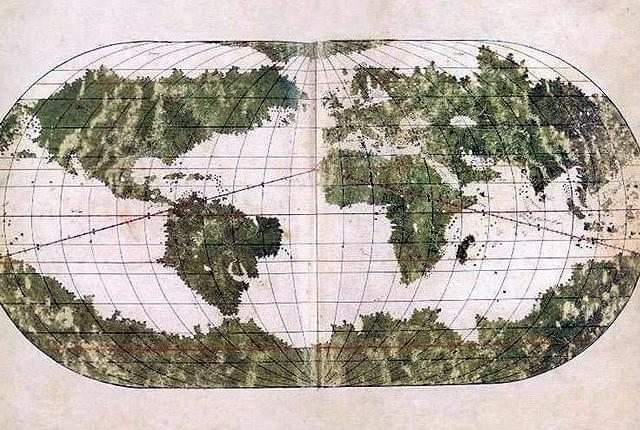
  • The Ottoman 16th Century Ali Macar Map (Ali Macar Reis'in Dünya Haritası)

    The Ali Macar Map is a striking example of 16th-century Ottoman cartography, created by the renowned Ottoman navigator Ali Macar Reis. This world map, dated to 1567, reflects the rich seafaring tradition of the Ottoman Empire and offers a unique perspective on global geography during the height of Ottoman naval power.

    The map illustrates:

    The Mediterranean Sea, the heart of the Ottoman maritime empire.
    Portions of Europe, Africa, and the Middle East, showing the regions the Ottoman Empire was directly or indirectly involved with.
    An artistic representation of world geography that reflects the knowledge of the time, with some areas detailed and others more speculative, reflecting global exploration.
    Ali Macar Reis’ map exemplifies the Ottoman Empire’s sophisticated understanding of navigation and geography, influenced by both Islamic and European cartographic traditions.

    #AliMacarMap #OttomanEmpire #16thCentury #OttomanCartography #WorldMaps #OttomanNavy #HistoricalMaps #OttomanHistory #AliMacarReis #GlobalExploration
    The Ottoman 16th Century Ali Macar Map (Ali Macar Reis'in Dünya Haritası) The Ali Macar Map is a striking example of 16th-century Ottoman cartography, created by the renowned Ottoman navigator Ali Macar Reis. This world map, dated to 1567, reflects the rich seafaring tradition of the Ottoman Empire and offers a unique perspective on global geography during the height of Ottoman naval power. The map illustrates: The Mediterranean Sea, the heart of the Ottoman maritime empire. Portions of Europe, Africa, and the Middle East, showing the regions the Ottoman Empire was directly or indirectly involved with. An artistic representation of world geography that reflects the knowledge of the time, with some areas detailed and others more speculative, reflecting global exploration. Ali Macar Reis’ map exemplifies the Ottoman Empire’s sophisticated understanding of navigation and geography, influenced by both Islamic and European cartographic traditions. #AliMacarMap #OttomanEmpire #16thCentury #OttomanCartography #WorldMaps #OttomanNavy #HistoricalMaps #OttomanHistory #AliMacarReis #GlobalExploration
    0 Comments 0 Shares