• TURKEY
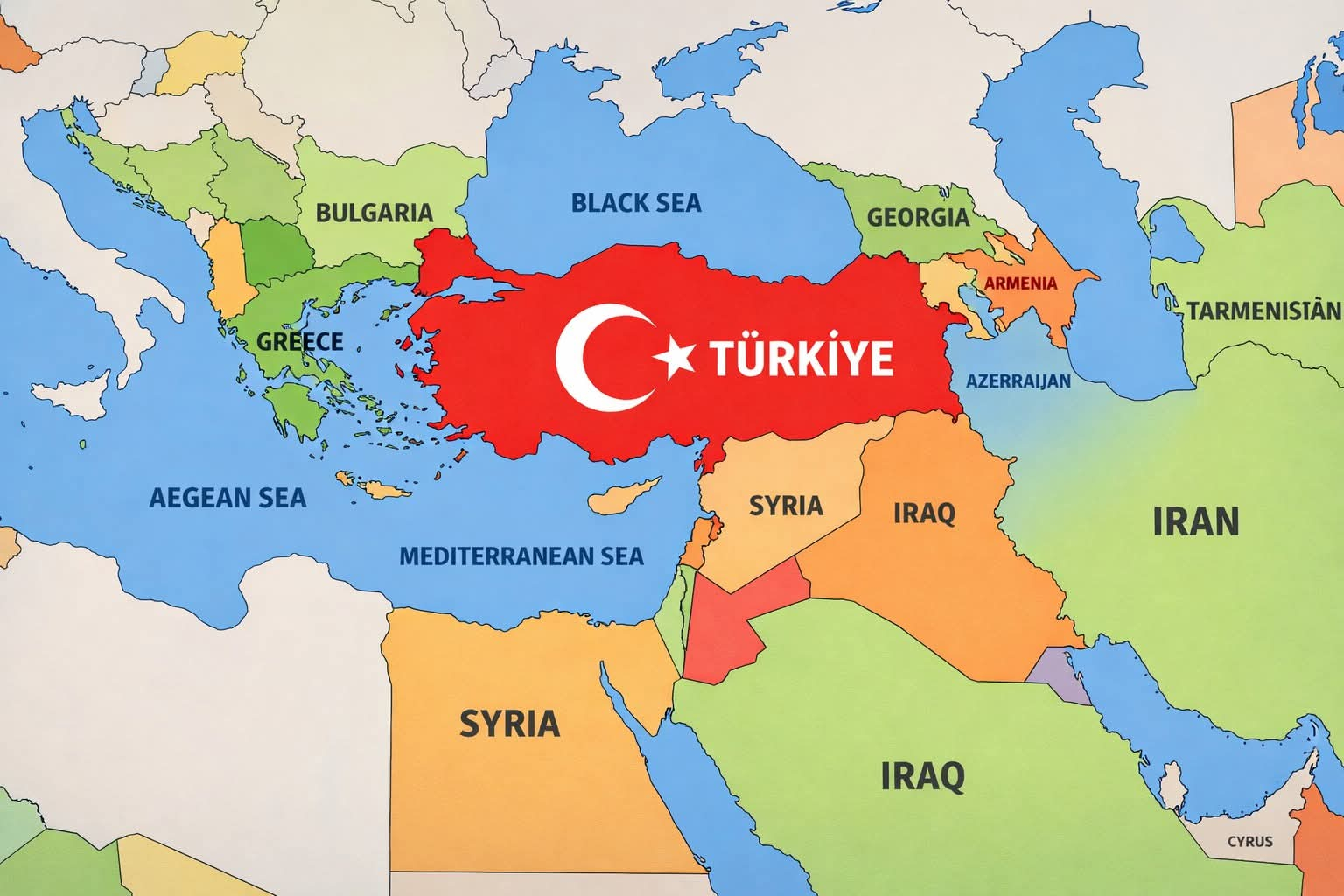
    Things you probably didn’t know about Türkiye (breaking common myths):

    A bridge between continents: One of the few countries in the world that spans both Europe and Asia — with Istanbul divided by the Bosphorus Strait.

    Not the capital you think: While Istanbul is the most famous city, the real capital is Ankara.

    Empire legacy: The heart of the Ottoman Empire for over 600 years, influencing Europe, Asia, and Africa.

    Hagia Sophia is unique: The iconic Hagia Sophia has served as a church, mosque, and museum throughout history.

    Cradle of civilizations: Home to ancient cultures like the Hittites, Greeks, and Romans — leaving behind incredible archaeological heritage.

    Tea > Coffee: Contrary to popular belief, tea is consumed more than coffee and is a daily essential.

    Turkish baths: The famous “hammam” is a centuries-old tradition of relaxation and cleansing from the Ottoman era.

    Unreal landscapes: Places like Cappadocia are known for fairy chimneys and breathtaking hot air balloon rides.

    Rich cuisine: From kebabs to baklava and Turkish delight, Turkish food is loved worldwide.

    Strategic location: Controls key routes between the Black Sea and the Mediterranean — making it geopolitically important.

    Historic bazaars: The Grand Bazaar in Istanbul is one of the oldest and largest covered markets in the world.

    Cultural diversity: A unique blend of European, Asian, and Middle Eastern influences in architecture, music, and traditions.

    Global TV hits: Turkish series and films are hugely popular in Latin America and beyond.

    Follow for more amazing facts!
    Like | Comment | Share

    #Turkey #Türkiye #Travel #History #Culture #Explore
    🇹🇷 TURKEY 🇹🇷 🧠😍 Things you probably didn’t know about Türkiye (breaking common myths): 👏👏 🌍 A bridge between continents: One of the few countries in the world that spans both Europe and Asia — with Istanbul divided by the Bosphorus Strait. 🏛️ Not the capital you think: While Istanbul is the most famous city, the real capital is Ankara. 👑 Empire legacy: The heart of the Ottoman Empire for over 600 years, influencing Europe, Asia, and Africa. 🕌 Hagia Sophia is unique: The iconic Hagia Sophia has served as a church, mosque, and museum throughout history. 🏺 Cradle of civilizations: Home to ancient cultures like the Hittites, Greeks, and Romans — leaving behind incredible archaeological heritage. 🍵 Tea > Coffee: Contrary to popular belief, tea is consumed more than coffee and is a daily essential. 🛁 Turkish baths: The famous “hammam” is a centuries-old tradition of relaxation and cleansing from the Ottoman era. 🎈 Unreal landscapes: Places like Cappadocia are known for fairy chimneys and breathtaking hot air balloon rides. 🍽️ Rich cuisine: From kebabs to baklava and Turkish delight, Turkish food is loved worldwide. 🌐 Strategic location: Controls key routes between the Black Sea and the Mediterranean — making it geopolitically important. 🛍️ Historic bazaars: The Grand Bazaar in Istanbul is one of the oldest and largest covered markets in the world. 🎶 Cultural diversity: A unique blend of European, Asian, and Middle Eastern influences in architecture, music, and traditions. 📺 Global TV hits: Turkish series and films are hugely popular in Latin America and beyond. 👉 Follow for more amazing facts! 🌍✨ ❤️ Like | 💬 Comment | 🔁 Share #Turkey #Türkiye #Travel #History #Culture #Explore
    1
    0 التعليقات 0 نشر
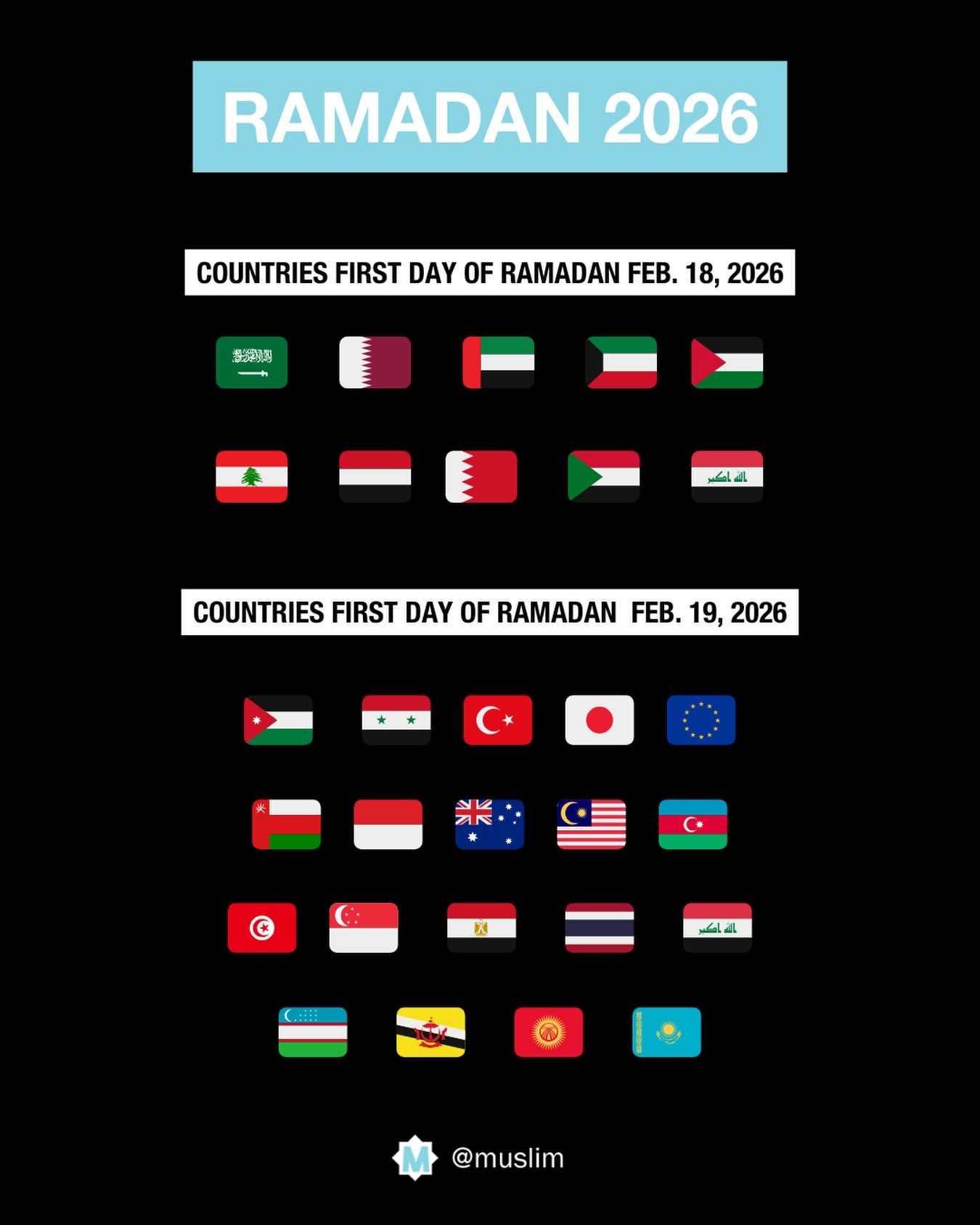
  • First day of Ramadan 1447 / 2026 announcements by countries.

    (Note: Iraq Sunnis are fasting the 18th, Iraq Shias are fasting the 19th)
    First day of Ramadan 1447 / 2026 announcements by countries. 🌙 (Note: Iraq Sunnis are fasting the 18th, Iraq Shias are fasting the 19th)
    0 التعليقات 0 نشر
  • Kına Gecesi (Henna Night)
    A traditional Turkish pre-wedding ceremony

    Kına Gecesi is a cherished Turkish tradition held before the wedding, dedicated to the bride, the women of her family, and her close female friends.
    It’s often compared to a bachelorette party — but with a much more traditional and emotional spirit.

    What happens during Kına Gecesi?
    • Takes place 1–2 days before the wedding, usually at the bride’s home or a specially chosen venue
    • The bride wears a red dress or a traditional bindallı, with a red veil
    • Women sing traditional songs and share heartfelt wishes with the bride
    • The most emotional moment: henna is placed on the bride’s palm, symbolizing happiness and prosperity in marriage — usually done by the groom’s mother or an elder woman
    • After the ritual, the night turns joyful with dancing, food, and celebration

    The meaning of Kına Gecesi:
    • The bride’s farewell to her family and preparation for a new life
    • Protection and good luck for marriage
    • Bringing together women from family and close friendships

    This tradition exists not only in Turkey, but also in the Middle East, South Asia, and the Balkans, each with its own local touch.

    #KınaGecesi #HennaNight #TurkishCulture #WeddingTraditions #Tradition #Turkey #turquie #Turkei
    🌿 Kına Gecesi (Henna Night) A traditional Turkish pre-wedding ceremony Kına Gecesi is a cherished Turkish tradition held before the wedding, dedicated to the bride, the women of her family, and her close female friends. It’s often compared to a bachelorette party — but with a much more traditional and emotional spirit. 💃 What happens during Kına Gecesi? • Takes place 1–2 days before the wedding, usually at the bride’s home or a specially chosen venue • The bride wears a red dress or a traditional bindallı, with a red veil • Women sing traditional songs and share heartfelt wishes with the bride • The most emotional moment: henna is placed on the bride’s palm, symbolizing happiness and prosperity in marriage — usually done by the groom’s mother or an elder woman • After the ritual, the night turns joyful with dancing, food, and celebration ✨ The meaning of Kına Gecesi: • The bride’s farewell to her family and preparation for a new life • Protection and good luck for marriage • Bringing together women from family and close friendships 🌍 This tradition exists not only in Turkey, but also in the Middle East, South Asia, and the Balkans, each with its own local touch. #KınaGecesi #HennaNight #TurkishCulture #WeddingTraditions #Tradition #Turkey #turquie #Turkei
    0 التعليقات 0 نشر
  • Many people notice the Green Dome in Masjid al-Nabawi, but fewer understand the silver domes around it, especially the large one beside it.

    The Green Dome marks the chamber where the Prophet ﷺ is buried, along with Abu Bakr and Umar RA.

    The silver and grey domes nearby are part of the Ottoman prayer hall roof. They do not mark graves and they are not places of special ritual. They are architectural elements built to cover and organise the prayer space.

    One of these domes is larger and more prominent. It is known as Qubbat al-Maharib (the Dome of the Mihrabs). It sits above the mihrab area, including the Mihrab Uthmani, and serves as a visual marker for the qiblah and the place where the imam leads prayer.

    In simple terms:
    Green Dome → burial chamber of the Prophet ﷺ
    Silver domes → roof domes of the prayer hall
    Qubbat al-Maḥārīb → dome marking the mihrab area

    None of these domes are objects of worship. The honour of Masjid al-Nabawi comes from the Prophet ﷺ and the worship performed inside, not from structures or colours.

    Knowing this helps you appreciate the masjid for what it truly is: a place of prayer, remembrance, and connection to Allah.
    Many people notice the Green Dome in Masjid al-Nabawi, but fewer understand the silver domes around it, especially the large one beside it. The Green Dome marks the chamber where the Prophet ﷺ is buried, along with Abu Bakr and Umar RA. The silver and grey domes nearby are part of the Ottoman prayer hall roof. They do not mark graves and they are not places of special ritual. They are architectural elements built to cover and organise the prayer space. One of these domes is larger and more prominent. It is known as Qubbat al-Maharib (the Dome of the Mihrabs). It sits above the mihrab area, including the Mihrab Uthmani, and serves as a visual marker for the qiblah and the place where the imam leads prayer. In simple terms: • 🟢 Green Dome → burial chamber of the Prophet ﷺ • ⚪ Silver domes → roof domes of the prayer hall • 🕌 Qubbat al-Maḥārīb → dome marking the mihrab area None of these domes are objects of worship. The honour of Masjid al-Nabawi comes from the Prophet ﷺ and the worship performed inside, not from structures or colours. Knowing this helps you appreciate the masjid for what it truly is: a place of prayer, remembrance, and connection to Allah.
    0 التعليقات 0 نشر
  • Osmanlı, Safevi ve Babür İmparatorlukları:
    1600’lerin Ekonomik Devleri

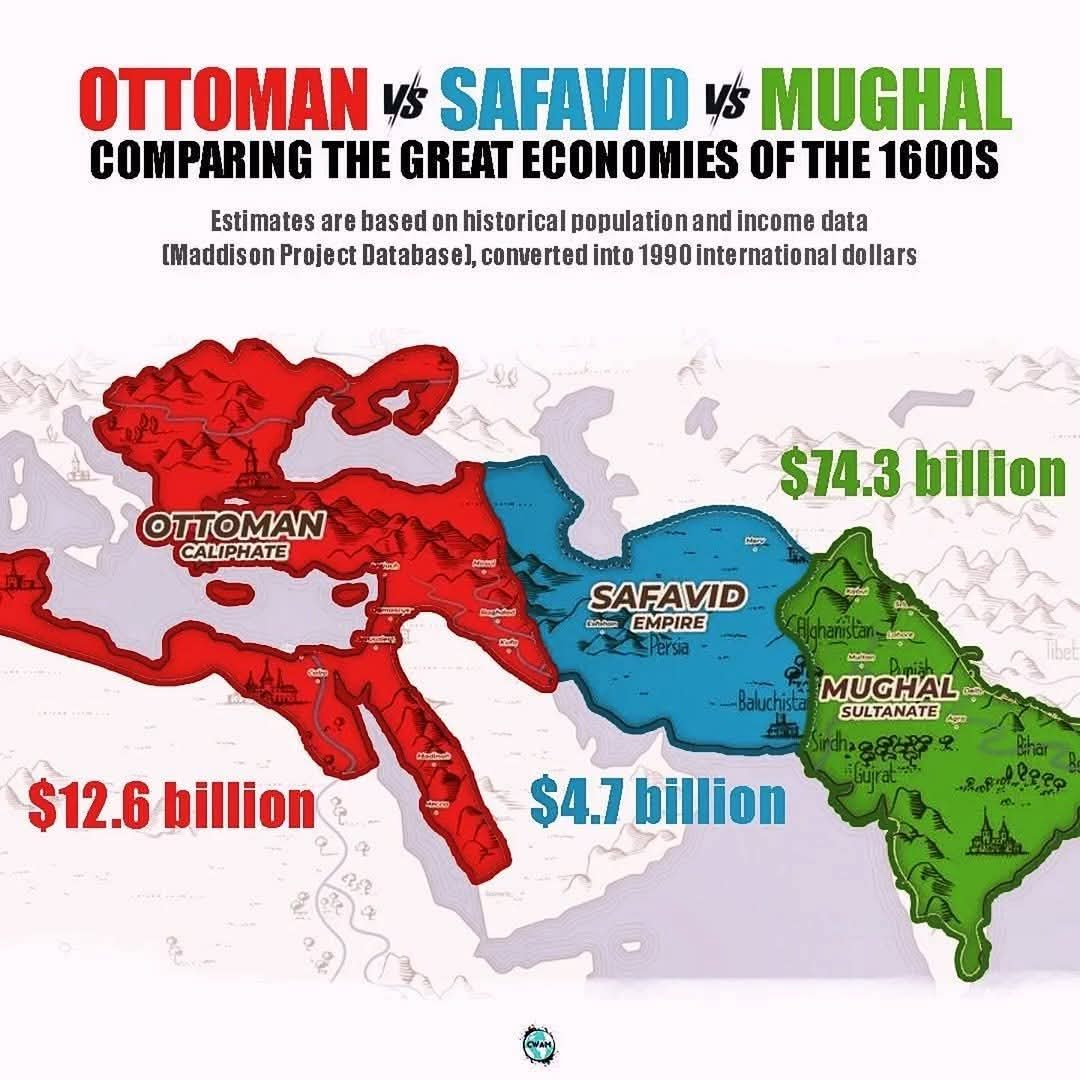
    17. yüzyılda, üç büyük Türkî imparatorluk — Osmanlı Halifeliği, Safevi İmparatorluğu ve Babür Sultanlığı — Orta Doğu ve Güney Asya’nın geniş bölgelerine hükmediyordu. Her biri kültür, siyaset ve ticaretin birer gücüydü. Ancak saf ekonomik güç bakımından Babür İmparatorluğu diğerlerinin üzerinde yer alıyordu; 1990 uluslararası dolar cinsinden tahmini 74,3 milyar dolarlık bir GSYİH’ya sahipti.

    Bu karşılaştırma, bu imparatorlukların yalnızca kendi bölgelerini değil, aynı zamanda erken modern dünyadaki küresel ticareti, güç dengelerini ve servet akışını nasıl şekillendirdiklerine de ışık tutmaktadır.

    Kaynak: @creative.wam

    Ottoman & Safavid & Mughal Empires :
    The Economic Titans of the 1600s

    In the 17th century, three great Turkic empires ruled vast regions across the Middle East and South Asia - the Ottoman Caliphate, the Safavid Empire, and the Mughal (Babur) Sultanate. Each was a powerhouse of culture, politics, and commerce. But when it came to sheer economic strength, the Mughal (Babur) Empire stood above the rest, boasting an estimated GDP of $74.3 billion (in 1990 international dollars).

    This comparison sheds light on how these empires not only defined their regions but also shaped global trade, power dynamics, and the flow of wealth in the early modern world.

    Credit: @creative.wam
    Osmanlı, Safevi ve Babür İmparatorlukları: 1600’lerin Ekonomik Devleri 17. yüzyılda, üç büyük Türkî imparatorluk — Osmanlı Halifeliği, Safevi İmparatorluğu ve Babür Sultanlığı — Orta Doğu ve Güney Asya’nın geniş bölgelerine hükmediyordu. Her biri kültür, siyaset ve ticaretin birer gücüydü. Ancak saf ekonomik güç bakımından Babür İmparatorluğu diğerlerinin üzerinde yer alıyordu; 1990 uluslararası dolar cinsinden tahmini 74,3 milyar dolarlık bir GSYİH’ya sahipti. Bu karşılaştırma, bu imparatorlukların yalnızca kendi bölgelerini değil, aynı zamanda erken modern dünyadaki küresel ticareti, güç dengelerini ve servet akışını nasıl şekillendirdiklerine de ışık tutmaktadır. Kaynak: @creative.wam Ottoman & Safavid & Mughal Empires : The Economic Titans of the 1600s In the 17th century, three great Turkic empires ruled vast regions across the Middle East and South Asia - the Ottoman Caliphate, the Safavid Empire, and the Mughal (Babur) Sultanate. Each was a powerhouse of culture, politics, and commerce. But when it came to sheer economic strength, the Mughal (Babur) Empire stood above the rest, boasting an estimated GDP of $74.3 billion (in 1990 international dollars). This comparison sheds light on how these empires not only defined their regions but also shaped global trade, power dynamics, and the flow of wealth in the early modern world. Credit: @creative.wam
    0 التعليقات 0 نشر
  • 45 countries do not officially recognize the State of Palestine , the most prominent of which are:

    United States
    Germany
    Japan
    Italy
    South Korea
    Panama
    Finland
    Estonia
    Czech Republic
    Hungary
    Netherlands

    Question:
    Among these countries, which one surprised you by not recognizing the State of Palestine? And why?

    #Palestine #WorldMap #InternationalPolitics #Jerusalem
    45 countries do not officially recognize the State of Palestine 🇵🇸, the most prominent of which are: 🇺🇸 United States 🇩🇪 Germany 🇯🇵 Japan 🇮🇹 Italy 🇰🇷 South Korea 🇵🇦 Panama 🇫🇮 Finland 🇪🇪 Estonia 🇨🇿 Czech Republic 🇭🇺 Hungary 🇳🇱 Netherlands 📌 Question: Among these countries, which one surprised you by not recognizing the State of Palestine? And why? 🤔 #Palestine #WorldMap #InternationalPolitics #Jerusalem
    0 التعليقات 0 نشر
  • The Ottoman Empire at Its Peak – 1683

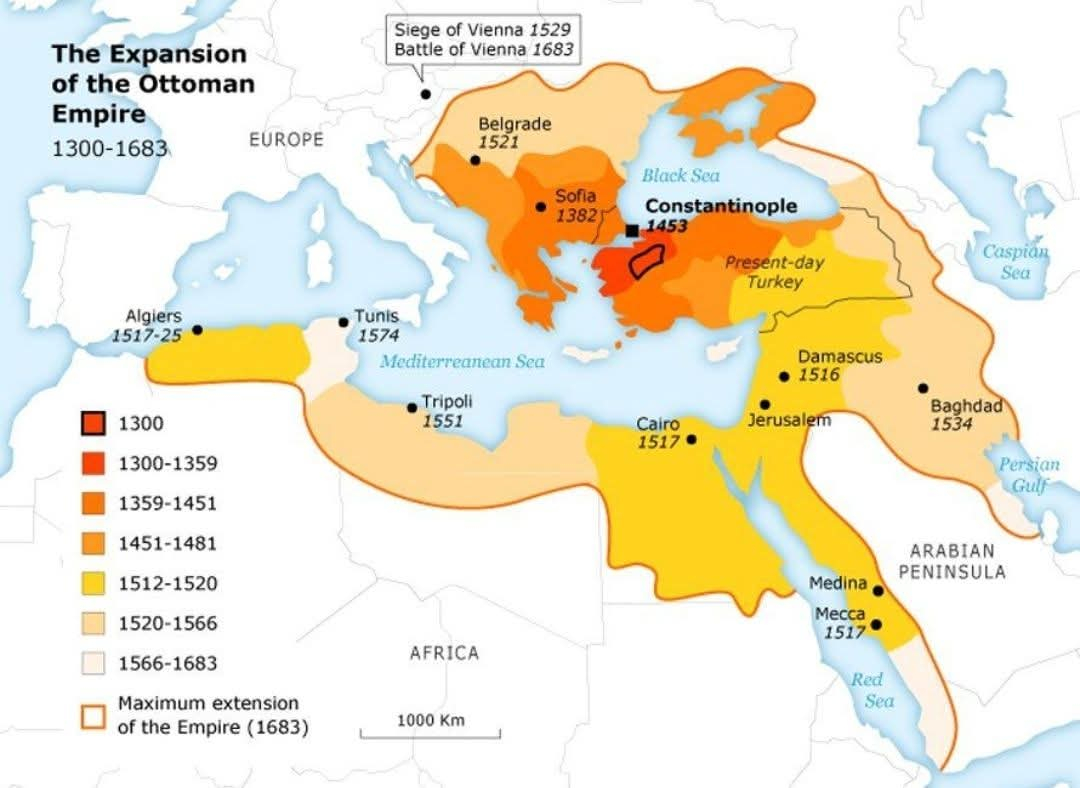
    In 1683, the Ottoman Empire stood as one of the world’s most powerful states, stretching across three continents.

    Territory – From Hungary in the heart of Europe to the Arabian deserts, from North Africa to the Caucasus, the empire spanned 6-7 million square kilometers.

    Capital – Istanbul, once Constantinople, was a global hub of trade, culture, and politics.

    Diversity – The empire united Turks, Arabs, Kurds, Greeks, Armenians, Slavs, Jews, and many more under a vast administrative system.

    Military Power – The Janissaries and navy projected influence across the Mediterranean, Red Sea, and beyond.

    1683 Vienna Campaign – Marked the high tide of Ottoman expansion into Europe, though the failed siege of Vienna also signaled the turning point of imperial fortunes.

    The Ottoman Empire in 1683 was not just a political force — it was a cultural mosaic and a major player in global history.

    A true ISLAMIC UNITY is not only the only solution to provide Peace, Tranquility, and Security today — just as the Ottoman State ensured for 600 years — but also the only path for the economic development of poor Islamic countries.
    The Ottoman Empire at Its Peak – 1683 In 1683, the Ottoman Empire stood as one of the world’s most powerful states, stretching across three continents. 🔹 Territory – From Hungary in the heart of Europe to the Arabian deserts, from North Africa to the Caucasus, the empire spanned 6-7 million square kilometers. 🔹 Capital – Istanbul, once Constantinople, was a global hub of trade, culture, and politics. 🔹 Diversity – The empire united Turks, Arabs, Kurds, Greeks, Armenians, Slavs, Jews, and many more under a vast administrative system. 🔹 Military Power – The Janissaries and navy projected influence across the Mediterranean, Red Sea, and beyond. 🔹 1683 Vienna Campaign – Marked the high tide of Ottoman expansion into Europe, though the failed siege of Vienna also signaled the turning point of imperial fortunes. The Ottoman Empire in 1683 was not just a political force — it was a cultural mosaic and a major player in global history. A true ISLAMIC UNITY is not only the only solution to provide Peace, Tranquility, and Security today — just as the Ottoman State ensured for 600 years — but also the only path for the economic development of poor Islamic countries.
    0 التعليقات 0 نشر
  • Uzaydan İnsanlığa Bir Ders

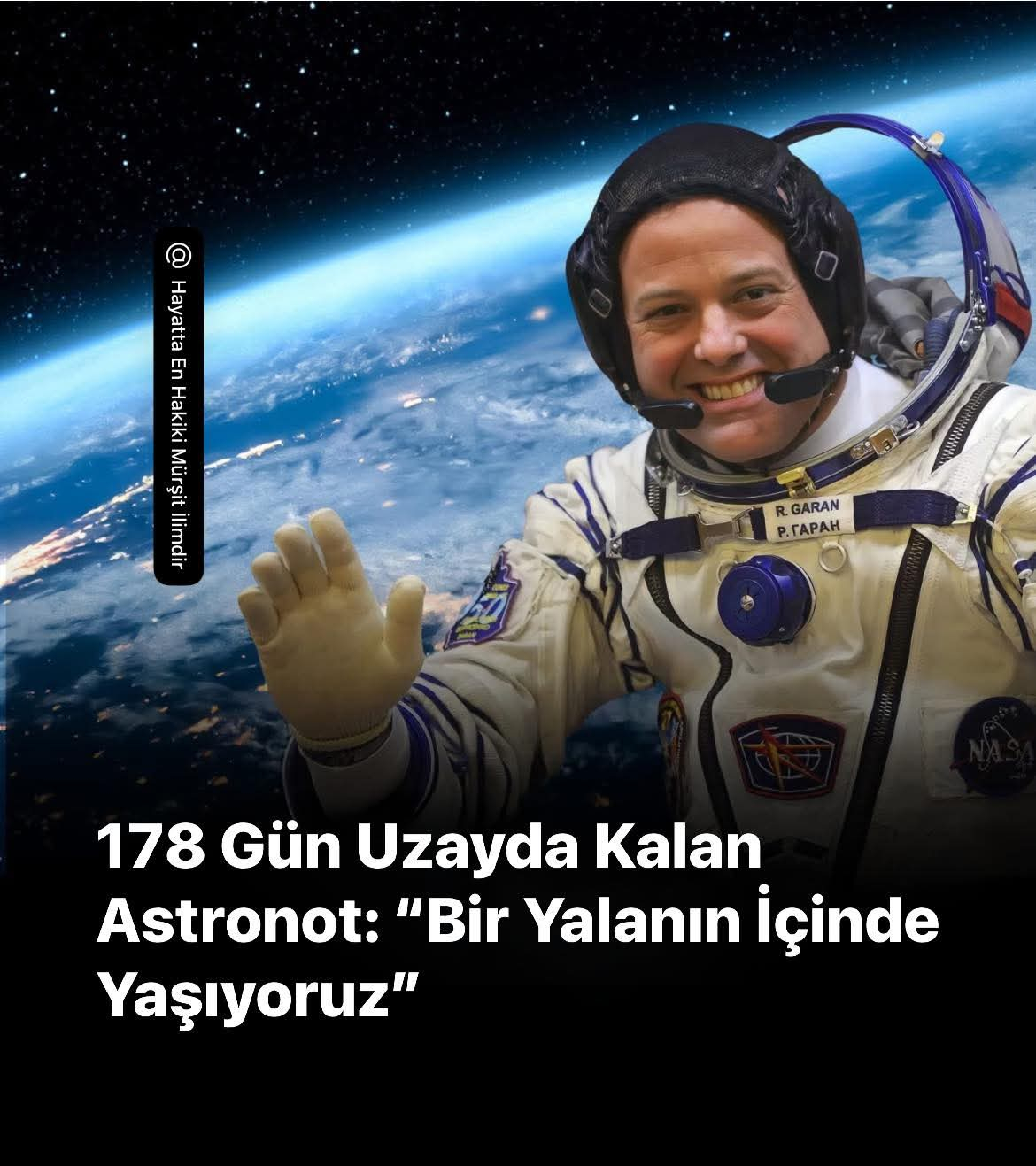
    178 gün boyunca Uluslararası Uzay İstasyonu’nda kalan astronot Ron Garan, dünyaya bambaşka bir bakış açısıyla döndü:

    Yörüngeden bakıldığında Dünya; sınırları olmayan, ışıldayan mavi bir küre… karanlıkta kırılgan bir gemi gibi görünüyordu.
    Atmosferin ince bir örtü olduğunu, şimşeklerin stroboskop ışıkları gibi çaktığını, kutuplarda ise kuzey ve güney ışıklarının dans ettiğini gördü.

    Ama yeryüzünde biz hâlâ bölünmüş durumdayız: sınırlar, politikalar, çatışmalar…
    Garan’ın mesajı çok net:

    Önceliklerimiz şöyle olmalı:
    Önce gezegen
    Sonra toplum
    En sonda ekonomi

    Dünya bizim ortak uzay gemimizdir. Hepimiz mürettebatız, yolcu değil.
    Geleceğimiz, bizi bölen değil bizi birleştiren şeylere odaklanmamıza bağlı.

    #Bilim #Uzay #Gezegenimiz
    🔭✨ Uzaydan İnsanlığa Bir Ders 178 gün boyunca Uluslararası Uzay İstasyonu’nda kalan astronot Ron Garan, dünyaya bambaşka bir bakış açısıyla döndü: 🌍 Yörüngeden bakıldığında Dünya; sınırları olmayan, ışıldayan mavi bir küre… karanlıkta kırılgan bir gemi gibi görünüyordu. 🌌 Atmosferin ince bir örtü olduğunu, şimşeklerin stroboskop ışıkları gibi çaktığını, kutuplarda ise kuzey ve güney ışıklarının dans ettiğini gördü. Ama yeryüzünde biz hâlâ bölünmüş durumdayız: sınırlar, politikalar, çatışmalar… Garan’ın mesajı çok net: 🔑 Önceliklerimiz şöyle olmalı: 1️⃣ Önce gezegen 🌍 2️⃣ Sonra toplum 🤝 3️⃣ En sonda ekonomi 💰 ⚡ Dünya bizim ortak uzay gemimizdir. Hepimiz mürettebatız, yolcu değil. Geleceğimiz, bizi bölen değil bizi birleştiren şeylere odaklanmamıza bağlı. #Bilim #Uzay #Gezegenimiz
    0 التعليقات 0 نشر
  • A Journey in Abraham's Footsteps – The Way Forward – Harran, the City of Stars

    “In the twilight of time, when the stars still spoke to men and the mountains bore names, Abraham was born – he who would become the father of faith for the people who followed the Scripture, the Cross and the Crescent. His name wandered through the desert winds, carried by Turki storytellers who gathered around the hearths in the heart of Mesopotamia.

    “Listen, you who wander. For the wind of Harran carries old words, and the stars there still speak to those who dare to listen.”

    It is said that when Abraham left Urfa, it was not with a light heart. Behind him lay the miracle of fire, the fish in flames, and the wrath of King Nemrut. But before him – unknown land, and a sky that whispered.

    He wandered south, through dust and time, until he came to Harran – the city where the stars live. Here, the ancients say, he sat down on a stone by a dry well. He raised his eyes, and the night opened like a veil.

    “First he saw the sun – great and burning. ‘This must be God,’ he said. But the sun sank behind the mountains, and darkness came.”
    “Then he saw the moon – bright and gentle. ‘This must be God,’ he said. But the moon waned, and the stars took its place.”
    “Finally he saw the stars – a thousand lights, a thousand promises. And he said: ‘No… God is not the one who sets. God is the one who created all this.’”

    And the stars are said to have answered him. Not with words, but with light. They danced over Harran, and one of them fell – as a sign. Abraham stood up, knowing: The way forward was not his alone. It was for all who seek.

    Harran – where the stars still speak

    Today you can follow in Abraham’s footsteps in Harran, Turkey. See the ancient beehive houses, built like small temples to the sky. Explore the ruins of temples and towers, where the stars were once worshipped. Harran is mentioned in both the Bible and the Quran – as a place where faith took shape.

    When night falls over plains and rocks, and you stand there alone under the sky, you can hear it:
    “God is not in what sets. God is in what endures.”

    Have you visited Harran? Or is it something you dream about?
    🧵 A Journey in Abraham's Footsteps – The Way Forward – Harran, the City of Stars “In the twilight of time, when the stars still spoke to men and the mountains bore names, Abraham was born – he who would become the father of faith for the people who followed the Scripture, the Cross and the Crescent. His name wandered through the desert winds, carried by Turki storytellers who gathered around the hearths in the heart of Mesopotamia. 🔥 “Listen, you who wander. For the wind of Harran carries old words, and the stars there still speak to those who dare to listen.” It is said that when Abraham left Urfa, it was not with a light heart. Behind him lay the miracle of fire, the fish in flames, and the wrath of King Nemrut. But before him – unknown land, and a sky that whispered. He wandered south, through dust and time, until he came to Harran – the city where the stars live. Here, the ancients say, he sat down on a stone by a dry well. He raised his eyes, and the night opened like a veil. 🌌 “First he saw the sun – great and burning. ‘This must be God,’ he said. But the sun sank behind the mountains, and darkness came.” 🌙 “Then he saw the moon – bright and gentle. ‘This must be God,’ he said. But the moon waned, and the stars took its place.” ✨ “Finally he saw the stars – a thousand lights, a thousand promises. And he said: ‘No… God is not the one who sets. God is the one who created all this.’” And the stars are said to have answered him. Not with words, but with light. They danced over Harran, and one of them fell – as a sign. Abraham stood up, knowing: The way forward was not his alone. It was for all who seek. 🧭 Harran – where the stars still speak 📍 Today you can follow in Abraham’s footsteps in Harran, Turkey. See the ancient beehive houses, built like small temples to the sky. Explore the ruins of temples and towers, where the stars were once worshipped. Harran is mentioned in both the Bible and the Quran – as a place where faith took shape. When night falls over plains and rocks, and you stand there alone under the sky, you can hear it: 🌬️ “God is not in what sets. God is in what endures.” Have you visited Harran? Or is it something you dream about?
    0 التعليقات 0 نشر
  • Alhamdulillah?
    Yes… but with a heavy heart.
    These are not just pictures,these are stories of pain,survival,and resilience.

    People of Gaza carrying their lives on their shoulders,leaving behind the rubble of their homes,the graves of their loved ones,and dreams shattered by war.

    They’ve lost everything yet still say Alhamdulillah with faith that moves mountains.

    May Allah give them strength,patience,and freedom from oppression.

    We may sleep peacefully, but they walk miles for water,bread,and safety.

    Ya Allah,ease their suffering.Protect Gaza. Heal their wounds.Ameen.
    Alhamdulillah? Yes… but with a heavy heart. These are not just pictures,these are stories of pain,survival,and resilience. People of Gaza carrying their lives on their shoulders,leaving behind the rubble of their homes,the graves of their loved ones,and dreams shattered by war. 💔 They’ve lost everything yet still say Alhamdulillah with faith that moves mountains. May Allah give them strength,patience,and freedom from oppression. We may sleep peacefully, but they walk miles for water,bread,and safety. Ya Allah,ease their suffering.Protect Gaza. Heal their wounds.Ameen. 🤲
    0 التعليقات 0 نشر
الصفحات المعززة