• Kına Gecesi (Henna Night)
    A traditional Turkish pre-wedding ceremony

    Kına Gecesi is a cherished Turkish tradition held before the wedding, dedicated to the bride, the women of her family, and her close female friends.
    It’s often compared to a bachelorette party — but with a much more traditional and emotional spirit.

    What happens during Kına Gecesi?
    • Takes place 1–2 days before the wedding, usually at the bride’s home or a specially chosen venue
    • The bride wears a red dress or a traditional bindallı, with a red veil
    • Women sing traditional songs and share heartfelt wishes with the bride
    • The most emotional moment: henna is placed on the bride’s palm, symbolizing happiness and prosperity in marriage — usually done by the groom’s mother or an elder woman
    • After the ritual, the night turns joyful with dancing, food, and celebration

    The meaning of Kına Gecesi:
    • The bride’s farewell to her family and preparation for a new life
    • Protection and good luck for marriage
    • Bringing together women from family and close friendships

    This tradition exists not only in Turkey, but also in the Middle East, South Asia, and the Balkans, each with its own local touch.

    #KınaGecesi #HennaNight #TurkishCulture #WeddingTraditions #Tradition #Turkey #turquie #Turkei
    🌿 Kına Gecesi (Henna Night) A traditional Turkish pre-wedding ceremony Kına Gecesi is a cherished Turkish tradition held before the wedding, dedicated to the bride, the women of her family, and her close female friends. It’s often compared to a bachelorette party — but with a much more traditional and emotional spirit. 💃 What happens during Kına Gecesi? • Takes place 1–2 days before the wedding, usually at the bride’s home or a specially chosen venue • The bride wears a red dress or a traditional bindallı, with a red veil • Women sing traditional songs and share heartfelt wishes with the bride • The most emotional moment: henna is placed on the bride’s palm, symbolizing happiness and prosperity in marriage — usually done by the groom’s mother or an elder woman • After the ritual, the night turns joyful with dancing, food, and celebration ✨ The meaning of Kına Gecesi: • The bride’s farewell to her family and preparation for a new life • Protection and good luck for marriage • Bringing together women from family and close friendships 🌍 This tradition exists not only in Turkey, but also in the Middle East, South Asia, and the Balkans, each with its own local touch. #KınaGecesi #HennaNight #TurkishCulture #WeddingTraditions #Tradition #Turkey #turquie #Turkei
    0 Comments 0 Shares
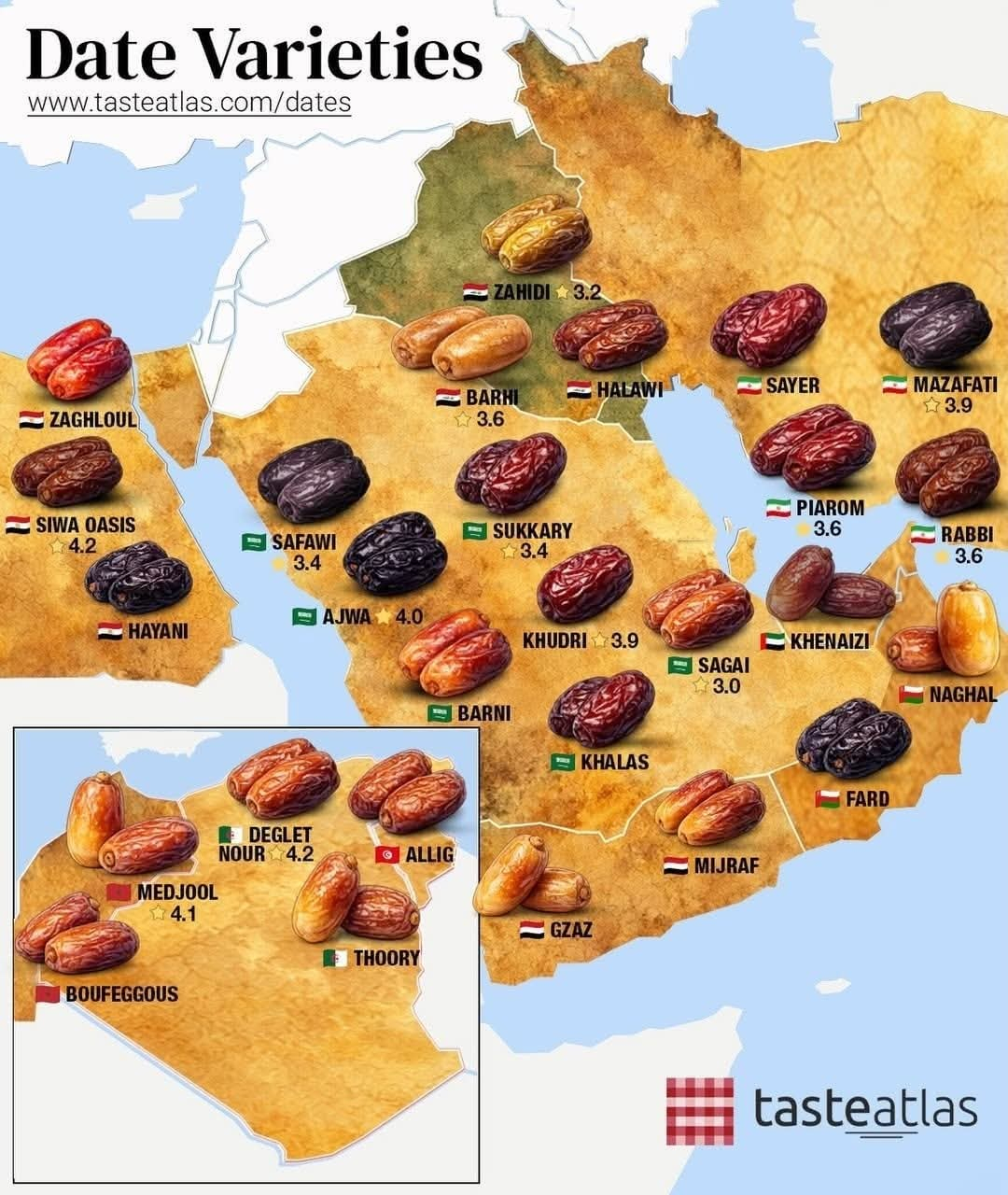
  • From the plush, caramel-rich Medjool of Morocco to the firm, nutty Deglet Noor of Algeria and the dark, “holy” Ajwa of Medina, the Middle East and North Africa offer hundreds of distinct date types that vary wildly in taste and texture. From syrupy and soft to dry and bread-like, each serving a specific purpose whether enjoyed as a fresh snack, a natural sweetener in baking, or a traditional gift. More than just a superfruit, dates are a vital cultural cornerstone and a “desert staple” that have provided essential nutrition, hospitality, and spiritual significance to the region for millennia.

    Ramadan is so close. May Allah allow Us to reach it in good health
    From the plush, caramel-rich Medjool of Morocco to the firm, nutty Deglet Noor of Algeria and the dark, “holy” Ajwa of Medina, the Middle East and North Africa offer hundreds of distinct date types that vary wildly in taste and texture. From syrupy and soft to dry and bread-like, each serving a specific purpose whether enjoyed as a fresh snack, a natural sweetener in baking, or a traditional gift. More than just a superfruit, dates are a vital cultural cornerstone and a “desert staple” that have provided essential nutrition, hospitality, and spiritual significance to the region for millennia. Ramadan is so close. May Allah allow Us to reach it in good health
    0 Comments 0 Shares
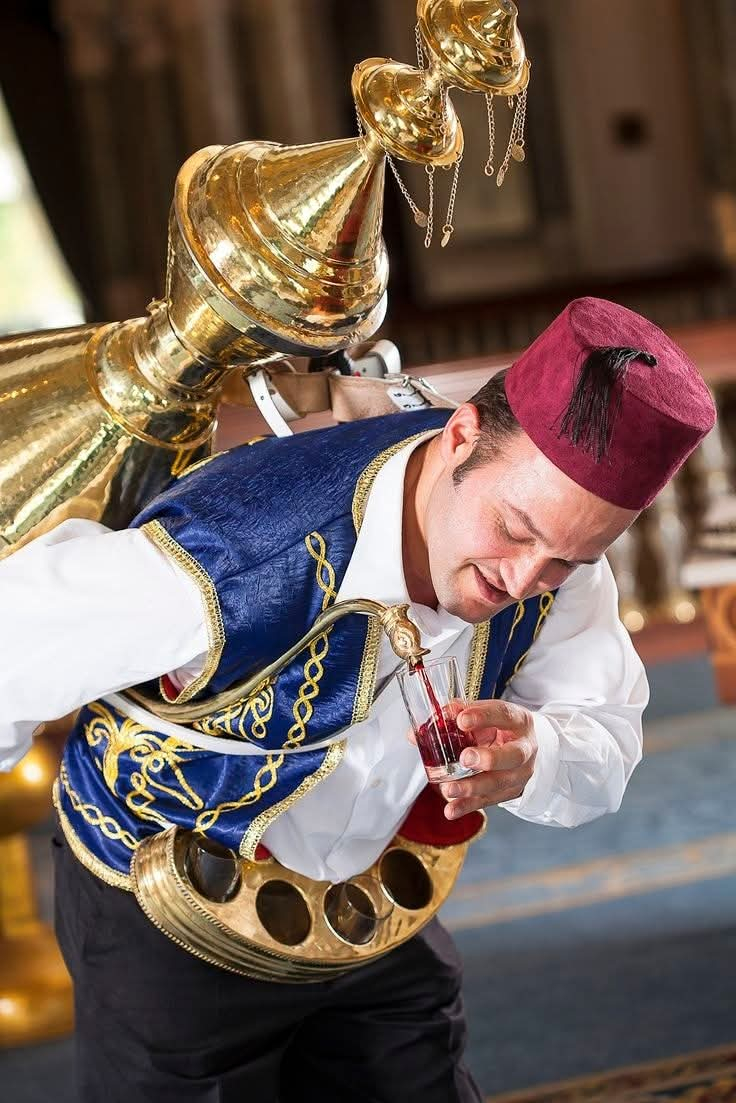
  • Turkey traditional dress
    Turkey traditional dress 🇹🇷🇹🇷
    0 Comments 0 Shares
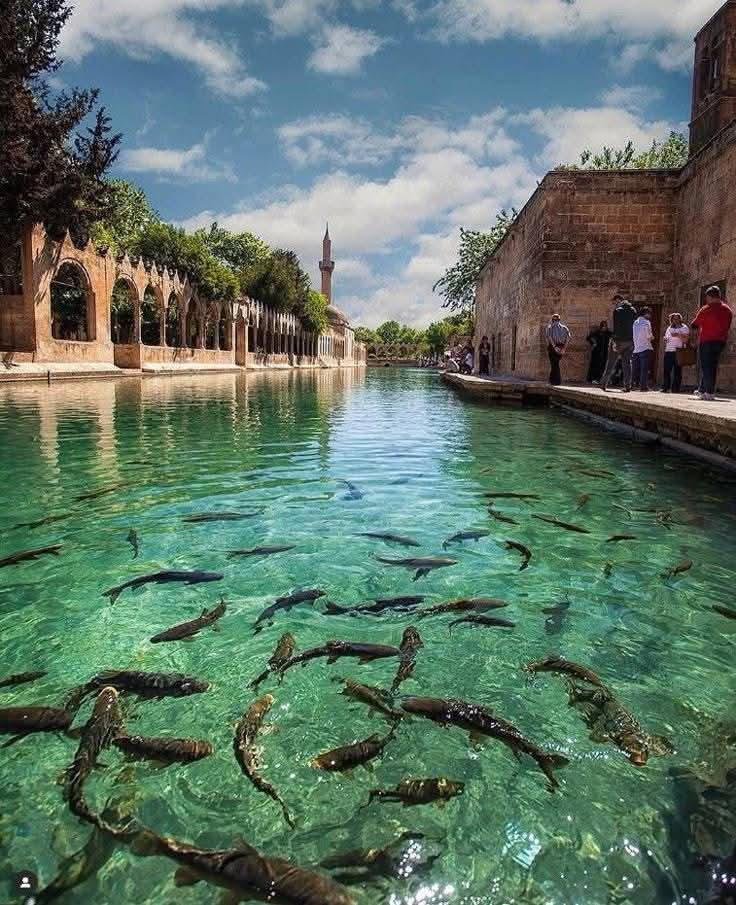
  • Balik Gol Sanliurfa Turkiye

    Şanlıurfa (Urfa / ancient Edessa) – "The City of Prophets"

    Local Belief: Many Muslims in Turkey believe Hazrat Ibrahim was born or lived in Şanlıurfa.

    Key Sites:

    Balıklıgöl (Pool of Sacred Fish):

    Local tradition says that King Nimrod threw Hazrat Ibrahim into a fire for rejecting idol worship.

    God turned the fire into water and the burning logs into fish.
    Balik Gol Sanliurfa Turkiye Şanlıurfa (Urfa / ancient Edessa) – "The City of Prophets" Local Belief: Many Muslims in Turkey believe Hazrat Ibrahim was born or lived in Şanlıurfa. Key Sites: Balıklıgöl (Pool of Sacred Fish): Local tradition says that King Nimrod threw Hazrat Ibrahim into a fire for rejecting idol worship. God turned the fire into water and the burning logs into fish.
    0 Comments 0 Shares
  • Did you know that? Brazil is the largest country in South America and one of the most diverse in the world, both in culture and biodiversity. With a unique blend of indigenous, African, and European influences, it's a mesmerizing destination that combines modernity with deep traditions.
    • Population: ~215 million
    • Official languages: Portuguese
    • Territorial area: ~8.5 million km2
    • Capital: Brasilia
    • Currency: Brazilian Real (BRL)
    Interesting facts:
    Dazzling nature: Brazil is home to the Amazon rainforest, the "lung of the world", as well as the impressive Iguazu Falls and Pantanal, one of the ecosystems rich in biodiversity.
    Paradise Beaches: From Copacabana in Rio de Janeiro to Fernando de Noronha and Jericoacoara, Brazil is a dream destination for sun and sea lovers.
    Culture and festivals: Rio de Janeiro Carnival is one of the biggest spectacles in the world, with parades full of color, samba and joy. In addition, Brazilian music, with genres such as bossa nova and forró, is recognized worldwide.
    Did you know that? Brazil 🇧🇷 is the largest country in South America and one of the most diverse in the world, both in culture and biodiversity. With a unique blend of indigenous, African, and European influences, it's a mesmerizing destination that combines modernity with deep traditions. • Population: ~215 million 👥 • Official languages: Portuguese 🗣️ • Territorial area: ~8.5 million km2 🌍 • Capital: Brasilia 🏙️ • Currency: Brazilian Real (BRL) 💰 Interesting facts: 🌿 Dazzling nature: Brazil is home to the Amazon rainforest, the "lung of the world", as well as the impressive Iguazu Falls and Pantanal, one of the ecosystems rich in biodiversity. 🏖️ Paradise Beaches: From Copacabana in Rio de Janeiro to Fernando de Noronha and Jericoacoara, Brazil is a dream destination for sun and sea lovers. 🎭 Culture and festivals: Rio de Janeiro Carnival is one of the biggest spectacles in the world, with parades full of color, samba and joy. In addition, Brazilian music, with genres such as bossa nova and forró, is recognized worldwide.
    0 Comments 0 Shares

  • Türkish Traditional Clothes-Bindallı..!
    Henna night(Kına Gecesi) is a tradition that dates back to ancient times and still maintains its popularity since the first day, held to celebrate the last night our türkic girls will spend at their homes before getting married and to say goodbye to their families.
    The most important moments of this special night are those emotional moments when the henna is applied and our loved ones sing songs around us.During these special moments, our brides wear colorful, patterned bindalli.
    🐺🦅🤘 Türkish Traditional Clothes-Bindallı..! Henna night(Kına Gecesi) is a tradition that dates back to ancient times and still maintains its popularity since the first day, held to celebrate the last night our türkic girls will spend at their homes before getting married and to say goodbye to their families. The most important moments of this special night are those emotional moments when the henna is applied and our loved ones sing songs around us.During these special moments, our brides wear colorful, patterned bindalli.
    1
    0 Comments 0 Shares
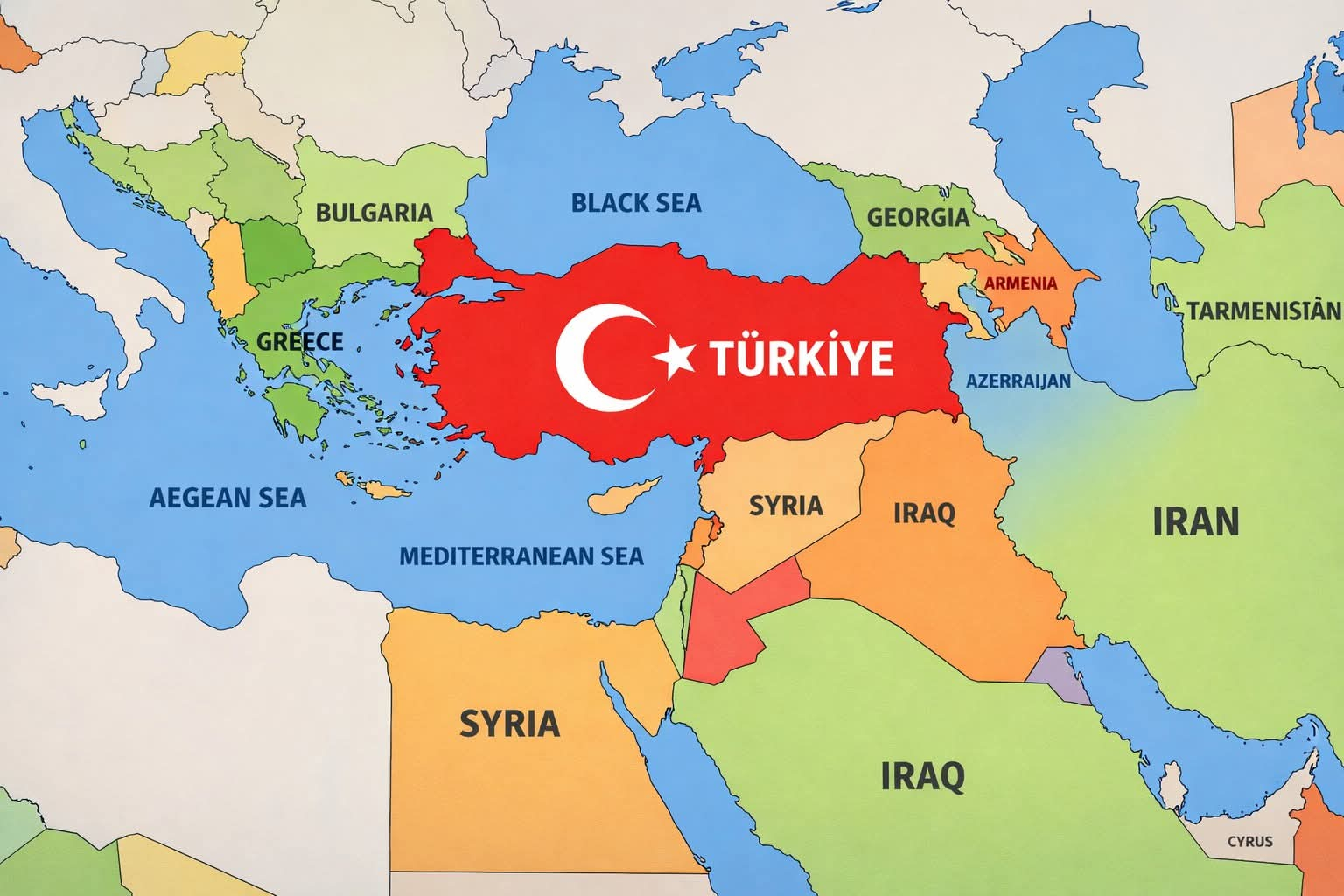
  • #Turkey is located at the crossroads of Asia and Europe. It is bordered by Greece and Bulgaria to the northwest, the Black Sea to the north, Georgia to the northeast, Armenia, the Azerbaijani exclave of Nakhchivan, and Iran to the east, Iraq to the southeast, Syria and the Mediterranean Sea to the south, and the Aegean Sea to the west.
    Area: 783,562 square kilometers.
    Topography: Includes the Taurus Mountains in the south, the Pontic Mountains in the north, fertile plains like the Anatolian Plain, and the Central Anatolian Plateau, along with lakes such as Lake Van.
    Water Bodies: Borders four major seas: the Black Sea, the Sea of Marmara, the Aegean Sea, and the Mediterranean Sea.
    2. Climate:
    Coastal Areas:
    Mediterranean and Aegean Coasts: Mediterranean climate with hot, dry summers and mild, wet winters.
    Black Sea Coast: Moderate and humid climate year-round.
    Inland Regions: Continental climate with hot, dry summers and very cold, snowy winters.
    Climate Change: Turkey faces challenges like drought and rising temperatures due to climate change.
    3. Population:
    Population Size: Approximately 84.5 million (2021).
    Population Distribution: Istanbul is the largest city with over 15.5 million residents. Ankara is the second largest, followed by Izmir, Bursa, and Antalya.
    Ethnic Diversity: Predominantly Turks, with a significant Kurdish minority, and smaller Armenian, Arab, and Greek communities.
    Population Growth: About 1.2% annually.
    4. Economy:
    GDP: Approximately $7.209 trillion in 2021.
    Exports: Includes agricultural products, automobiles, textiles, and electronics, valued at $225 billion.
    Imports: Mainly energy and raw materials, totaling $271 billion.
    Unemployment Rate: Around 10.3%.
    Agriculture and Industry: Notable for wheat, hazelnuts, and olives, as well as being a leading producer of automobiles and steel.
    5. Currency:
    The official currency is the Turkish Lira (TRY), which experiences fluctuations in value against foreign currencies.
    6. Tourism:
    Visitor Numbers: Turkey welcomed around 30 million tourists in 2021.
    Revenue: Approximately $24.5 billion.
    Top Destinations:
    Istanbul: Iconic landmarks like Hagia Sophia, the Blue Mosque, and Topkapi Palace.
    Antalya: A hub for coastal tourism.
    Cappadocia: Known for its unique landscapes and hot air balloons.
    Historical Sites: Ephesus and Troy.
    7. History:
    Civilizations: Turkey has been home to various civilizations, including the Hittites, Persians, Romans, and Byzantines.
    Ottoman Era: Spanned from the 14th century to the early 20th century.
    Modern Republic: Established in 1923 under Mustafa Kemal Atatürk, who moved the capital to Ankara and initiated widespread reforms.
    8. Education:
    Education System: Mandatory for 12 years (6 years primary, 3 years middle, 3 years secondary).
    Higher Education: Home to numerous universities, including Istanbul University and Middle East Technical University.
    Literacy Rate: Approximately 96%.
    9. Healthcare:
    Healthcare System: Turkey has a well-developed healthcare system encompassing public and private sectors.
    Medical Tourism: A popular destination for medical and cosmetic treatments, attracting thousands of patients annually.
    Hospitals: Equipped with state-of-the-art medical technology.
    10. Culture:
    Official Language: Turkish.
    Religion: Islam is the predominant religion, with Christian and Jewish minorities.
    Traditions: A blend of Eastern and Western cultural influences.
    Turkey serves as a bridge between East and West, with a rich history and modern development.
    #Turkey is located at the crossroads of Asia and Europe. It is bordered by Greece and Bulgaria to the northwest, the Black Sea to the north, Georgia to the northeast, Armenia, the Azerbaijani exclave of Nakhchivan, and Iran to the east, Iraq to the southeast, Syria and the Mediterranean Sea to the south, and the Aegean Sea to the west. Area: 783,562 square kilometers. Topography: Includes the Taurus Mountains in the south, the Pontic Mountains in the north, fertile plains like the Anatolian Plain, and the Central Anatolian Plateau, along with lakes such as Lake Van. Water Bodies: Borders four major seas: the Black Sea, the Sea of Marmara, the Aegean Sea, and the Mediterranean Sea. 🌐 2. Climate: Coastal Areas: Mediterranean and Aegean Coasts: Mediterranean climate with hot, dry summers and mild, wet winters. Black Sea Coast: Moderate and humid climate year-round. Inland Regions: Continental climate with hot, dry summers and very cold, snowy winters. Climate Change: Turkey faces challenges like drought and rising temperatures due to climate change. 🌐 3. Population: Population Size: Approximately 84.5 million (2021). Population Distribution: Istanbul is the largest city with over 15.5 million residents. Ankara is the second largest, followed by Izmir, Bursa, and Antalya. Ethnic Diversity: Predominantly Turks, with a significant Kurdish minority, and smaller Armenian, Arab, and Greek communities. Population Growth: About 1.2% annually. 🌐 4. Economy: GDP: Approximately $7.209 trillion in 2021. Exports: Includes agricultural products, automobiles, textiles, and electronics, valued at $225 billion. Imports: Mainly energy and raw materials, totaling $271 billion. Unemployment Rate: Around 10.3%. Agriculture and Industry: Notable for wheat, hazelnuts, and olives, as well as being a leading producer of automobiles and steel. 🌐 5. Currency: The official currency is the Turkish Lira (TRY), which experiences fluctuations in value against foreign currencies. 🌐 6. Tourism: Visitor Numbers: Turkey welcomed around 30 million tourists in 2021. Revenue: Approximately $24.5 billion. Top Destinations: Istanbul: Iconic landmarks like Hagia Sophia, the Blue Mosque, and Topkapi Palace. Antalya: A hub for coastal tourism. Cappadocia: Known for its unique landscapes and hot air balloons. Historical Sites: Ephesus and Troy. 🌐 7. History: Civilizations: Turkey has been home to various civilizations, including the Hittites, Persians, Romans, and Byzantines. Ottoman Era: Spanned from the 14th century to the early 20th century. Modern Republic: Established in 1923 under Mustafa Kemal Atatürk, who moved the capital to Ankara and initiated widespread reforms. 🌐 8. Education: Education System: Mandatory for 12 years (6 years primary, 3 years middle, 3 years secondary). Higher Education: Home to numerous universities, including Istanbul University and Middle East Technical University. Literacy Rate: Approximately 96%. 🌐 9. Healthcare: Healthcare System: Turkey has a well-developed healthcare system encompassing public and private sectors. Medical Tourism: A popular destination for medical and cosmetic treatments, attracting thousands of patients annually. Hospitals: Equipped with state-of-the-art medical technology. 🌐 10. Culture: Official Language: Turkish. Religion: Islam is the predominant religion, with Christian and Jewish minorities. Traditions: A blend of Eastern and Western cultural influences. Turkey serves as a bridge between East and West, with a rich history and modern development.
    0 Comments 0 Shares
  • Turkey: The Golden Bridge Between East and West
    1. Location & Area
    Turkey spans both Asia and Europe, with a total area of approximately 783,562 km², making it one of the largest countries in the region.

    2. Land of Geographical Diversity
    From Mediterranean coastlines to Anatolian mountains, Turkey offers rich landscapes and diverse cultures.

    3. Ottoman Heritage & Modern Civilization
    With deep roots in the Ottoman Empire, Turkey is filled with historic landmarks like Hagia Sophia and Topkapi Palace.

    4. Population
    Turkey has about 85 million people, mainly concentrated in Istanbul, Ankara, and Izmir.

    5. A Vibrant and Growing Economy
    Its economy is based on industry, tourism, and agriculture, and is considered one of the world’s leading emerging markets.

    6. A Regional Transport Hub
    Turkey acts as a key transport link between Europe and Asia, with modern airways and high-speed rail networks.

    7. A Unique Cultural Identity
    It blends modernity with Islamic traditions, offering a mix of cuisines, arts, and customs from both East and West.

    8. Sports & Entertainment
    Football is the most popular sport, with iconic clubs like Galatasaray and Fenerbahçe based in Istanbul.

    9. Advanced Education & Top Universities
    Turkey attracts international students, especially in fields like medicine, engineering, and political science.

    #Turkey #Istanbul #Anatolia
    Turkey: The Golden Bridge Between East and West 1. 🗺️📏 Location & Area Turkey spans both Asia and Europe, with a total area of approximately 783,562 km², making it one of the largest countries in the region. 2. 🇹🇷🏞️ Land of Geographical Diversity From Mediterranean coastlines to Anatolian mountains, Turkey offers rich landscapes and diverse cultures. 3. 🕌🏛️ Ottoman Heritage & Modern Civilization With deep roots in the Ottoman Empire, Turkey is filled with historic landmarks like Hagia Sophia and Topkapi Palace. 4. 👥📊 Population Turkey has about 85 million people, mainly concentrated in Istanbul, Ankara, and Izmir. 5. 💹🏗️ A Vibrant and Growing Economy Its economy is based on industry, tourism, and agriculture, and is considered one of the world’s leading emerging markets. 6. ✈️🚅 A Regional Transport Hub Turkey acts as a key transport link between Europe and Asia, with modern airways and high-speed rail networks. 7. 🕌🧕 A Unique Cultural Identity It blends modernity with Islamic traditions, offering a mix of cuisines, arts, and customs from both East and West. 8. ⚽🎭 Sports & Entertainment Football is the most popular sport, with iconic clubs like Galatasaray and Fenerbahçe based in Istanbul. 9. 🧠🎓 Advanced Education & Top Universities Turkey attracts international students, especially in fields like medicine, engineering, and political science. #Turkey #Istanbul #Anatolia
    0 Comments 0 Shares
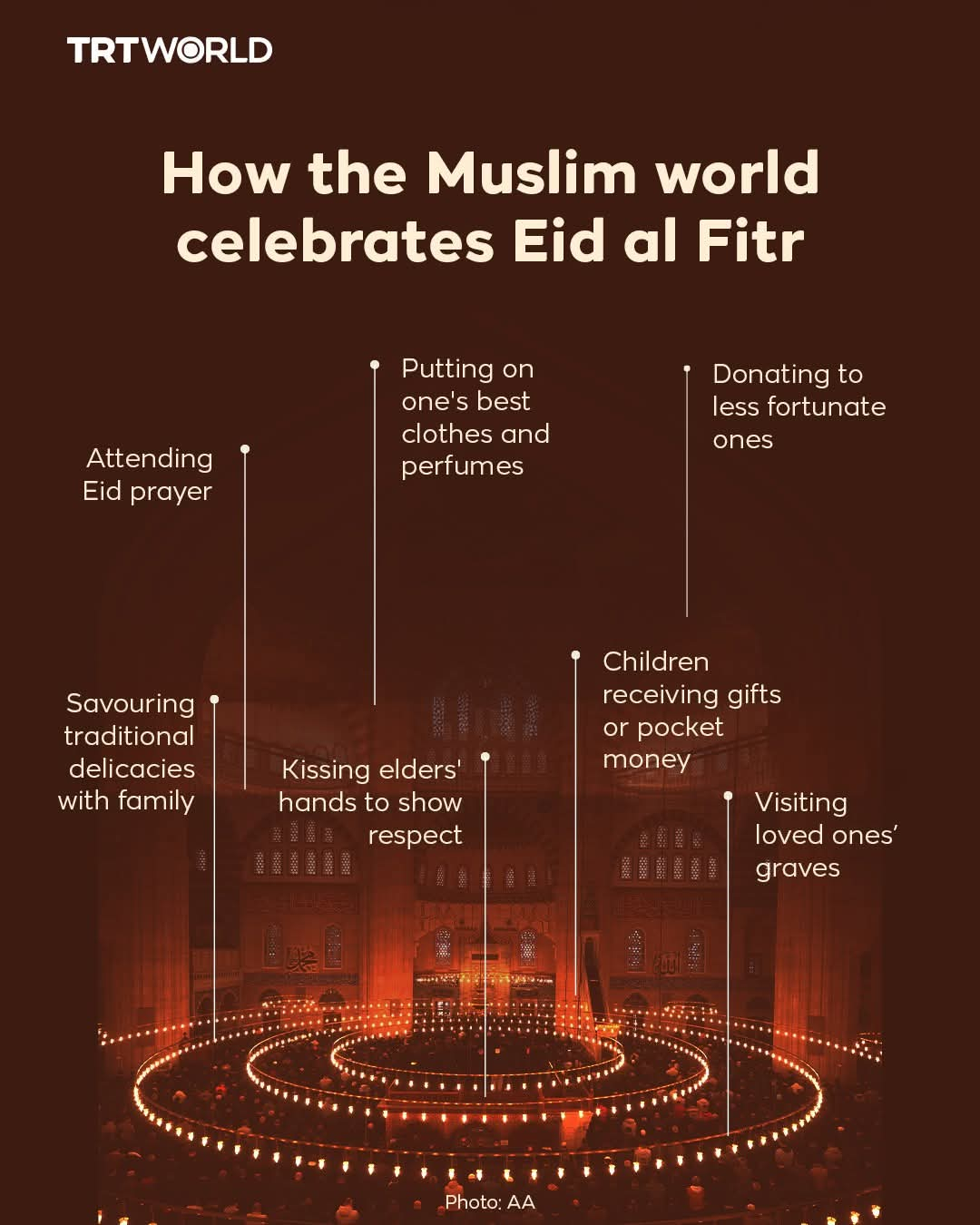
  • Hundreds of millions of Muslims around the world are celebrating Eid al Fitr to mark the end of the Muslim holy month of Ramadan.

    Despite some differences in how it’s marked, Eid is celebrated among all Muslims — and for many worshippers, the first day of Eid is a time of celebration, gathering and feasting.

    Here are some of the traditions upheld on Eid day.
    Hundreds of millions of Muslims around the world are celebrating Eid al Fitr to mark the end of the Muslim holy month of Ramadan. Despite some differences in how it’s marked, Eid is celebrated among all Muslims — and for many worshippers, the first day of Eid is a time of celebration, gathering and feasting. Here are some of the traditions upheld on Eid day.
    0 Comments 0 Shares
  • #Turkey is a country located at the crossroads of *two continents*, *Asia* and *Europe*, giving it a unique strategic position. Turkey is rich in culture and history, being home to many ancient civilizations, including the *Ottoman Empire* and the *Byzantine Empire*. It is known for its diverse geography, including beautiful *beaches*, towering *mountains*, and amazing archaeological sites. Turkey is also one of the world's major tourist destinations.

    25 Facts About Turkey:

    *1. Geographic Location*
    Turkey is located at the crossroads of *Asia* and *Europe*.

    *2. Capital*
    The capital is *Ankara*, while *Istanbul* is the largest and most famous city.

    *3. Area*
    Turkey covers an area of about *783,356 km²*, making it one of the largest countries in the world.

    *4. Population*
    Turkey's population is approximately *85 million people* in 2024.

    *5. Official Language*
    The official language is *Turkish*.

    *6. Religion*
    The primary religion in Turkey is *Islam*, with the majority being *Sunni Muslims*.

    *7. Government*
    Turkey is a *democratic republic* with a *presidential system*.

    *8. Currency*
    The official currency is the *Turkish Lira (TRY)*.

    *9. Climate*Turkey has a diverse climate: a *Mediterranean climate* on the coast and a *continental climate* in the inland areas.

    *10. Terrain*
    Turkey has varied terrain, including *mountains*, *plains*, and *rivers*.

    *11. Highest Peak*
    The highest peak in Turkey is *Mount Ararat* (Ağrı Dağı), with an elevation of *5,137 meters*.

    *12. Tourism*
    Turkey is one of the most popular tourist destinations, attracting about *40 million tourists annually*.

    *13. Tourist Attractions*
    Turkey has many famous tourist sites, such as *Hagia Sophia* in *Istanbul*, the *Bodrum Mausoleum*, and *Cappadocia*.

    *14. Long History*
    Turkey is home to ancient civilizations such as the *Ottoman Empire*, the *Byzantine Empire*, the *Greeks*, and the *Romans*.

    *15. Historical Significance*
    The city of *Istanbul* was the capital of both the *Byzantine Empire* and the *Ottoman Empire*.

    *16. Turkish Cuisine*
    Turkish cuisine is world-famous, with dishes like *kebab*, *hummus*, *baklava*, and *meze*.

    *17. Sports*
    *Football* is the most popular sport in Turkey, along with *basketball* and *water sports*.

    *18. Turkish Culture*
    Turkey is a blend of *Eastern and Western* influences, reflecting its rich cultural heritage.

    *19. Education*Turkey has a strong educational system, with well-known universities like *Boğaziçi University* and *Istanbul University*.

    *20. Renewable Energy*
    Turkey is investing in *renewable energy*, particularly in *solar* and *wind power*.

    *21. Trade and Industry*
    Turkey is a major commercial hub, exporting products such as *textiles*, *machinery*, and *agricultural products*.

    *22. Islamic Culture*
    Turkey has a rich Islamic history, with many famous *mosques* like the *Sultan Ahmed Mosque (Blue Mosque)*.

    *23. Turkish Arts*
    Turkey is known for its arts, including *calligraphy*, *Islamic decoration*, and *traditional dances*.

    *24. Space and Astronomy*
    Turkey is developing its own space program and aims to reach space in the coming years.

    *25. Politics*
    Turkey is a member of *NATO* and the *G20*, playing a key role in global politics.

    Turkey is a country with a *long history* and *rich culture*, blending *ancient traditions* with modern developments, making it an exciting destination for tourists and investors alike.
    C: Geographic
    #Turkey 🇹🇷 is a country located at the crossroads of *two continents*, *Asia* and *Europe*, giving it a unique strategic position. Turkey is rich in culture and history, being home to many ancient civilizations, including the *Ottoman Empire* and the *Byzantine Empire*. It is known for its diverse geography, including beautiful *beaches*, towering *mountains*, and amazing archaeological sites. Turkey is also one of the world's major tourist destinations. 25 Facts About Turkey: 🌐 *1. Geographic Location* Turkey is located at the crossroads of *Asia* and *Europe*. 🌐 *2. Capital* The capital is *Ankara*, while *Istanbul* is the largest and most famous city. 🌐 *3. Area* Turkey covers an area of about *783,356 km²*, making it one of the largest countries in the world. 🌐 *4. Population* Turkey's population is approximately *85 million people* in 2024. 🌐 *5. Official Language* The official language is *Turkish*. 🌐 *6. Religion* The primary religion in Turkey is *Islam*, with the majority being *Sunni Muslims*. 🌐 *7. Government* Turkey is a *democratic republic* with a *presidential system*. 🌐 *8. Currency* The official currency is the *Turkish Lira (TRY)*. 🌐 *9. Climate*Turkey has a diverse climate: a *Mediterranean climate* on the coast and a *continental climate* in the inland areas. 🌐 *10. Terrain* Turkey has varied terrain, including *mountains*, *plains*, and *rivers*. 🌐 *11. Highest Peak* The highest peak in Turkey is *Mount Ararat* (Ağrı Dağı), with an elevation of *5,137 meters*. 🌐 *12. Tourism* Turkey is one of the most popular tourist destinations, attracting about *40 million tourists annually*. 🌐 *13. Tourist Attractions* Turkey has many famous tourist sites, such as *Hagia Sophia* in *Istanbul*, the *Bodrum Mausoleum*, and *Cappadocia*. 🌐 *14. Long History* Turkey is home to ancient civilizations such as the *Ottoman Empire*, the *Byzantine Empire*, the *Greeks*, and the *Romans*. 🌐 *15. Historical Significance* The city of *Istanbul* was the capital of both the *Byzantine Empire* and the *Ottoman Empire*. 🌐 *16. Turkish Cuisine* Turkish cuisine is world-famous, with dishes like *kebab*, *hummus*, *baklava*, and *meze*. 🌐 *17. Sports* *Football* is the most popular sport in Turkey, along with *basketball* and *water sports*. 🌐 *18. Turkish Culture* Turkey is a blend of *Eastern and Western* influences, reflecting its rich cultural heritage. 🌐 *19. Education*Turkey has a strong educational system, with well-known universities like *Boğaziçi University* and *Istanbul University*. 🌐 *20. Renewable Energy* Turkey is investing in *renewable energy*, particularly in *solar* and *wind power*. 🌐 *21. Trade and Industry* Turkey is a major commercial hub, exporting products such as *textiles*, *machinery*, and *agricultural products*. 🌐 *22. Islamic Culture* Turkey has a rich Islamic history, with many famous *mosques* like the *Sultan Ahmed Mosque (Blue Mosque)*. 🌐 *23. Turkish Arts* Turkey is known for its arts, including *calligraphy*, *Islamic decoration*, and *traditional dances*. 🌐 *24. Space and Astronomy* Turkey is developing its own space program and aims to reach space in the coming years. 🌐 *25. Politics* Turkey is a member of *NATO* and the *G20*, playing a key role in global politics. Turkey is a country with a *long history* and *rich culture*, blending *ancient traditions* with modern developments, making it an exciting destination for tourists and investors alike. C: Geographic
    0 Comments 0 Shares
More Results