• The Ottoman Empire at Its Greatest Extent

    At its height, the Ottoman Empire was one of the most powerful states in world history, spanning large parts of Southeastern Europe, Western Asia, and North Africa.

    A Transcontinental Empire

    The empire controlled territories surrounding much of the Mediterranean, Black Sea, and Red Sea, creating a strategic bridge between Europe, Asia, and Africa.

    Major Regions Under Ottoman Rule

    Anatolia — the Ottoman heartland
    The Balkans — extensive territories across Southeastern Europe
    Greece — much of the region was incorporated into the empire at different periods
    The Levant — including Syria and surrounding territories
    Mesopotamia — major Ottoman territories in present-day Iraq
    Egypt — an important economic and strategic province
    North Africa — Ottoman territories along much of the southern Mediterranean
    The Arabian Peninsula — including the Hejaz and other regions
    The Caucasus — areas contested and controlled at different times

    Key Facts

    Istanbul (Constantinople) became the imperial capital after the Ottoman conquest of 1453.
    At its height, the empire controlled territories across three continents.
    The Mediterranean Sea, Black Sea, Red Sea, and major land routes were strategically important to Ottoman power.
    The empire ruled over a remarkable diversity of peoples, languages, religions, and cultures.
    Ottoman influence lasted for more than six centuries, from its foundation around the end of the 13th century until its dissolution in the early 20th century.

    From a Frontier State to a Global Power

    What began as a small Anatolian principality developed into a vast empire that became a major political and military power between Europe, Asia, and Africa.

    The Ottoman Empire was not simply a European or Asian empire—it was a truly transcontinental power.

    #OttomanEmpire #OttomanHistory #History #Geography #WorldHistory
    🕌 The Ottoman Empire at Its Greatest Extent At its height, the Ottoman Empire was one of the most powerful states in world history, spanning large parts of Southeastern Europe, Western Asia, and North Africa. 🌍 A Transcontinental Empire The empire controlled territories surrounding much of the Mediterranean, Black Sea, and Red Sea, creating a strategic bridge between Europe, Asia, and Africa. 🗺️ Major Regions Under Ottoman Rule 🇹🇷 Anatolia — the Ottoman heartland 🌍 The Balkans — extensive territories across Southeastern Europe 🇬🇷 Greece — much of the region was incorporated into the empire at different periods 🇸🇾 The Levant — including Syria and surrounding territories 🇮🇶 Mesopotamia — major Ottoman territories in present-day Iraq 🇪🇬 Egypt — an important economic and strategic province 🌍 North Africa — Ottoman territories along much of the southern Mediterranean 🕌 The Arabian Peninsula — including the Hejaz and other regions ⛰️ The Caucasus — areas contested and controlled at different times ⚔️ Key Facts 🔹 Istanbul (Constantinople) became the imperial capital after the Ottoman conquest of 1453. 🔹 At its height, the empire controlled territories across three continents. 🔹 The Mediterranean Sea, Black Sea, Red Sea, and major land routes were strategically important to Ottoman power. 🔹 The empire ruled over a remarkable diversity of peoples, languages, religions, and cultures. 🔹 Ottoman influence lasted for more than six centuries, from its foundation around the end of the 13th century until its dissolution in the early 20th century. 🏛️ From a Frontier State to a Global Power What began as a small Anatolian principality developed into a vast empire that became a major political and military power between Europe, Asia, and Africa. The Ottoman Empire was not simply a European or Asian empire—it was a truly transcontinental power. #OttomanEmpire #OttomanHistory #History #Geography #WorldHistory
    0 التعليقات 0 نشر
  • TURKEY: A COUNTRY CONNECTING EUROPE AND ASIA

    Turkey occupies a strategic position between Europe and Asia, with coastlines along the Black Sea, Aegean Sea, and Mediterranean Sea.

    It shares land borders with 8 countries, stretching from the Balkans to the Caucasus and the Middle East.

    Turkey’s Land Borders:

    Syria — 911 km
    Iran — 534 km
    Iraq — 367 km
    Armenia — 328 km
    Georgia — 273 km
    Bulgaria — 259 km
    Greece — 206 km
    Azerbaijan — ~17 km via Nakhchivan

    Key Facts

    Capital: Ankara
    Area: ~783,562 km²
    Population: ~86 million
    Official language: Turkish
    Currency: Turkish lira
    Highest peak: Mount Ararat — 5,137 m
    Government: Presidential republic
    Location: Europe & Asia
    Seas: Black Sea, Aegean Sea & Mediterranean Sea

    Did you know Turkey shares land borders with 8 countries?

    #Turkey #Geography #WorldMap #Europe #Asia
    🇹🇷 TURKEY: A COUNTRY CONNECTING EUROPE AND ASIA 🌍 Turkey occupies a strategic position between Europe and Asia, with coastlines along the Black Sea, Aegean Sea, and Mediterranean Sea. It shares land borders with 8 countries, stretching from the Balkans to the Caucasus and the Middle East. 🗺️ Turkey’s Land Borders: 🇸🇾 Syria — 911 km 🇮🇷 Iran — 534 km 🇮🇶 Iraq — 367 km 🇦🇲 Armenia — 328 km 🇬🇪 Georgia — 273 km 🇧🇬 Bulgaria — 259 km 🇬🇷 Greece — 206 km 🇦🇿 Azerbaijan — ~17 km via Nakhchivan 📌 Key Facts 🏙️ Capital: Ankara 📐 Area: ~783,562 km² 👥 Population: ~86 million 🗣️ Official language: Turkish 💰 Currency: Turkish lira ⛰️ Highest peak: Mount Ararat — 5,137 m 🏛️ Government: Presidential republic 🌍 Location: Europe & Asia 🌊 Seas: Black Sea, Aegean Sea & Mediterranean Sea 💬 Did you know Turkey shares land borders with 8 countries? #Turkey #Geography #WorldMap #Europe #Asia
    0 التعليقات 0 نشر
  • Turkish Products Popular Among Greek Consumers

    Due to price differences and close proximity, shopping in Turkey has become common—especially for people in northern Greece. The most popular items include:
    Clothing & textiles
    Shoes & leather goods
    Natural cosmetics & skincare
    Olive oil soap
    Baklava & Turkish delight
    Turkish coffee & tea
    Home & kitchen items
    Why? Better prices, wide variety, and strong value for money.
    Have you ever tried cross-border shopping?
    #fblifestyle
    #Greece #Turkey #Balkans #CrossBorderShopping #GreekLifestyle #TurkishProducts
    Turkish Products🇹🇷🛍️ Popular Among Greek Consumers🛍️🇬🇷 Due to price differences and close proximity, shopping in Turkey has become common—especially for people in northern Greece. The most popular items include: 👕 Clothing & textiles 👟 Shoes & leather goods 🧴 Natural cosmetics & skincare 🧼 Olive oil soap 🍬 Baklava & Turkish delight ☕ Turkish coffee & tea 🍳 Home & kitchen items 📌 Why? Better prices, wide variety, and strong value for money. Have you ever tried cross-border shopping? 👇 #fblifestyle #Greece #Turkey #Balkans #CrossBorderShopping #GreekLifestyle #TurkishProducts
    0 التعليقات 0 نشر
  • Kına Gecesi (Henna Night)
    A traditional Turkish pre-wedding ceremony

    Kına Gecesi is a cherished Turkish tradition held before the wedding, dedicated to the bride, the women of her family, and her close female friends.
    It’s often compared to a bachelorette party — but with a much more traditional and emotional spirit.

    What happens during Kına Gecesi?
    • Takes place 1–2 days before the wedding, usually at the bride’s home or a specially chosen venue
    • The bride wears a red dress or a traditional bindallı, with a red veil
    • Women sing traditional songs and share heartfelt wishes with the bride
    • The most emotional moment: henna is placed on the bride’s palm, symbolizing happiness and prosperity in marriage — usually done by the groom’s mother or an elder woman
    • After the ritual, the night turns joyful with dancing, food, and celebration

    The meaning of Kına Gecesi:
    • The bride’s farewell to her family and preparation for a new life
    • Protection and good luck for marriage
    • Bringing together women from family and close friendships

    This tradition exists not only in Turkey, but also in the Middle East, South Asia, and the Balkans, each with its own local touch.

    #KınaGecesi #HennaNight #TurkishCulture #WeddingTraditions #Tradition #Turkey #turquie #Turkei
    🌿 Kına Gecesi (Henna Night) A traditional Turkish pre-wedding ceremony Kına Gecesi is a cherished Turkish tradition held before the wedding, dedicated to the bride, the women of her family, and her close female friends. It’s often compared to a bachelorette party — but with a much more traditional and emotional spirit. 💃 What happens during Kına Gecesi? • Takes place 1–2 days before the wedding, usually at the bride’s home or a specially chosen venue • The bride wears a red dress or a traditional bindallı, with a red veil • Women sing traditional songs and share heartfelt wishes with the bride • The most emotional moment: henna is placed on the bride’s palm, symbolizing happiness and prosperity in marriage — usually done by the groom’s mother or an elder woman • After the ritual, the night turns joyful with dancing, food, and celebration ✨ The meaning of Kına Gecesi: • The bride’s farewell to her family and preparation for a new life • Protection and good luck for marriage • Bringing together women from family and close friendships 🌍 This tradition exists not only in Turkey, but also in the Middle East, South Asia, and the Balkans, each with its own local touch. #KınaGecesi #HennaNight #TurkishCulture #WeddingTraditions #Tradition #Turkey #turquie #Turkei
    0 التعليقات 0 نشر
  • The Balkans 1912
    🌍😲 The Balkans 1912
    0 التعليقات 0 نشر
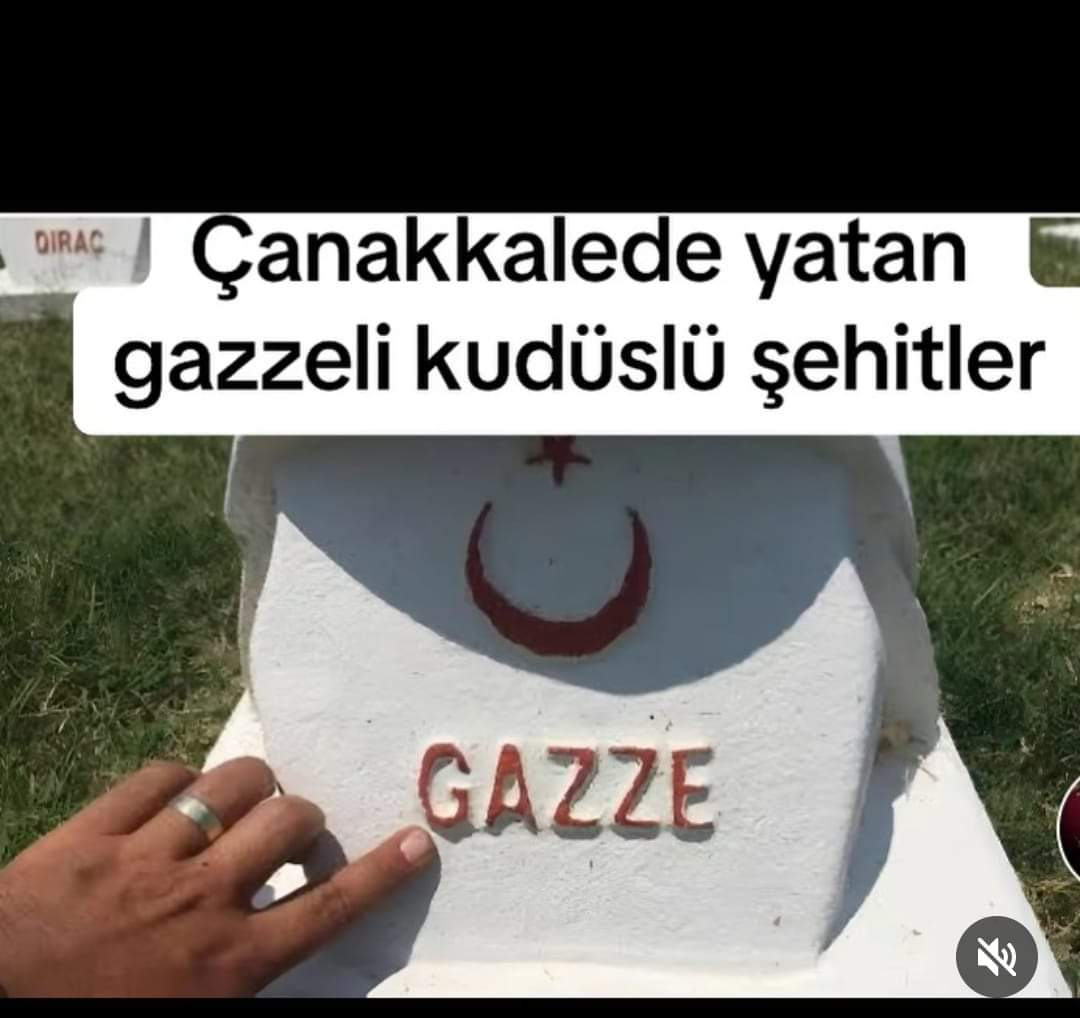
  • The graves of noble martyrs from Gaza in Çanakkale.
    In 1915, the Fatwa of Jihad received intense interest and support from all over the Islamic world, from the Caucasus to the Balkans, from the Middle East to North Africa, Asia and the Hejaz Peninsula. May Allah be pleased with them all, we can never forget their sacrifices.

    Çanakkalede yatan Gazze'li şehitlerimiz. 1915'de Cihad Fetvası'na Kafkasya'dan Balkanlar'a Ortadoğu'dan Kuzey Afrika'ya, Asya'dan ve Hicaz Yarımadası'ndan İslam coğrafyasının birçok yerinden yoğun ilgi ve destek gelmiştir. Bu manada Osmanlı coğrafyasındaki her bölge insanının Çanakkale Cephesi'ne katılımı olmuştur, bunlar unutulmaz. Rabbim hepsinden razı olsun.
    ☪️The graves of noble martyrs from Gaza in Çanakkale. In 1915, the Fatwa of Jihad received intense interest and support from all over the Islamic world, from the Caucasus to the Balkans, from the Middle East to North Africa, Asia and the Hejaz Peninsula. May Allah be pleased with them all, we can never forget their sacrifices. 🇹🇷 Çanakkalede yatan Gazze'li şehitlerimiz. 1915'de Cihad Fetvası'na Kafkasya'dan Balkanlar'a Ortadoğu'dan Kuzey Afrika'ya, Asya'dan ve Hicaz Yarımadası'ndan İslam coğrafyasının birçok yerinden yoğun ilgi ve destek gelmiştir. Bu manada Osmanlı coğrafyasındaki her bölge insanının Çanakkale Cephesi'ne katılımı olmuştur, bunlar unutulmaz. Rabbim hepsinden razı olsun.
    0 التعليقات 0 نشر
  • The map shows years spent under Ottoman rule in Western Balkans...
    The map shows years spent under Ottoman rule in Western Balkans...
    0 التعليقات 0 نشر
  • Ohrid as seen in the photos of Auguste Léon taken in 1913

    1) A bakery
    2) Macedonian women relaxing
    3, 4 & 5) Views of Ohrid
    6) Albanian men
    7 & 9) Stores in Ohrid
    8) Hotel Saloniki
    10) Macedonian women in the market

    Auguste Léon, Albert-Kahn Museum

    Buy the Balkans Team a burek 🏻:
    https://www.buymeacoffee.com/thebalkans
    Ohrid 🇲🇰 as seen in the photos of Auguste Léon taken in 1913 1) A bakery 2) Macedonian women relaxing 3, 4 & 5) Views of Ohrid 6) Albanian men 7 & 9) Stores in Ohrid 8) Hotel Saloniki 10) Macedonian women in the market 📸 Auguste Léon, Albert-Kahn Museum Buy the Balkans Team a burek ❤️👇🏻: https://www.buymeacoffee.com/thebalkans
    0 التعليقات 0 نشر
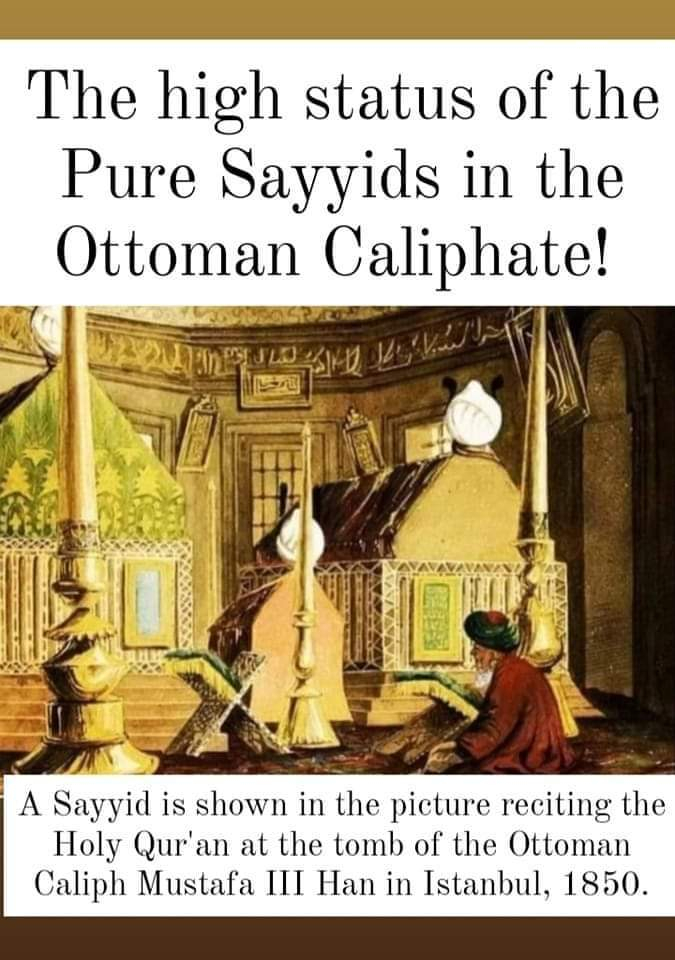
  • Naqib al-ashraf ( نقيب الأشراف) was an important governmental post in various different Islamic states like Mamluk and Ottoman Sultanates. The holder of this post was a member of Sayyids or Ashraf class which denoted the rank of supervisor of descendants of Prince of all Prophets, Muhammad ﷺ . The descendants of Prophet Muhammad ﷺ were popularly known as Ashraf and throughout Islamic history.

    Both Shia and Sunni Sayyids in Ottoman state were accorded special privileges, including personal inviolability, certain tax exemptions and immunity from regular prosecution. In the event of a legal complaint against a member of the Ashraf, Naqib al-ashraf would prosecute and judge alleged offender. This was done to ensure their special place in Muslim society & thus maintain their socio-political privileges to honor them as they were considered a living link to the Noble Prophet ﷺ.

    Source: The Ottoman State and Descendants of the Prophet ﷺ in Anatolia and Balkans (1500-1700 AD) by the author Hülya Canbaka

    #prophetmuhammad #sayyid #Muhammad
    Naqib al-ashraf ( نقيب الأشراف) was an important governmental post in various different Islamic states like Mamluk and Ottoman Sultanates. The holder of this post was a member of Sayyids or Ashraf class which denoted the rank of supervisor of descendants of Prince of all Prophets, Muhammad ﷺ . The descendants of Prophet Muhammad ﷺ were popularly known as Ashraf and throughout Islamic history. Both Shia and Sunni Sayyids in Ottoman state were accorded special privileges, including personal inviolability, certain tax exemptions and immunity from regular prosecution. In the event of a legal complaint against a member of the Ashraf, Naqib al-ashraf would prosecute and judge alleged offender. This was done to ensure their special place in Muslim society & thus maintain their socio-political privileges to honor them as they were considered a living link to the Noble Prophet ﷺ. Source: The Ottoman State and Descendants of the Prophet ﷺ in Anatolia and Balkans (1500-1700 AD) by the author Hülya Canbaka #prophetmuhammad #sayyid #Muhammad
    0 التعليقات 0 نشر
  • Mahya lights are decorative lights which are strung up between the minarets of Turkish mosques to form illuminated words or pictures on festive occasions such as Eid al-Fitr (Ramazan Bayramı), Eid al-Adha (Kurban Bayramı), on Kandil nights, and throughout the holy month of Ramadan. Mahya lights are a unique part of traditional Turkish festivities. They can also occasionally be seen on some mosques in the Balkans, such as in Bosnia-Herzegovina, Albania, North Macedonia, northeastern Greece, and other countries which were formerly part of the Ottoman Empire.
    Mahya lights are decorative lights which are strung up between the minarets of Turkish mosques to form illuminated words or pictures on festive occasions such as Eid al-Fitr (Ramazan Bayramı), Eid al-Adha (Kurban Bayramı), on Kandil nights, and throughout the holy month of Ramadan. Mahya lights are a unique part of traditional Turkish festivities. They can also occasionally be seen on some mosques in the Balkans, such as in Bosnia-Herzegovina, Albania, North Macedonia, northeastern Greece, and other countries which were formerly part of the Ottoman Empire.
    0 التعليقات 0 نشر
الصفحات المعززة