• Turkish Products Popular Among Greek Consumers

    Due to price differences and close proximity, shopping in Turkey has become common—especially for people in northern Greece. The most popular items include:
    Clothing & textiles
    Shoes & leather goods
    Natural cosmetics & skincare
    Olive oil soap
    Baklava & Turkish delight
    Turkish coffee & tea
    Home & kitchen items
    Why? Better prices, wide variety, and strong value for money.
    Have you ever tried cross-border shopping?
    #fblifestyle
    #Greece #Turkey #Balkans #CrossBorderShopping #GreekLifestyle #TurkishProducts
    Turkish Products🇹🇷🛍️ Popular Among Greek Consumers🛍️🇬🇷 Due to price differences and close proximity, shopping in Turkey has become common—especially for people in northern Greece. The most popular items include: 👕 Clothing & textiles 👟 Shoes & leather goods 🧴 Natural cosmetics & skincare 🧼 Olive oil soap 🍬 Baklava & Turkish delight ☕ Turkish coffee & tea 🍳 Home & kitchen items 📌 Why? Better prices, wide variety, and strong value for money. Have you ever tried cross-border shopping? 👇 #fblifestyle #Greece #Turkey #Balkans #CrossBorderShopping #GreekLifestyle #TurkishProducts
    0 Commenti 0 condivisioni
  • Kına Gecesi (Henna Night)
    A traditional Turkish pre-wedding ceremony

    Kına Gecesi is a cherished Turkish tradition held before the wedding, dedicated to the bride, the women of her family, and her close female friends.
    It’s often compared to a bachelorette party — but with a much more traditional and emotional spirit.

    What happens during Kına Gecesi?
    • Takes place 1–2 days before the wedding, usually at the bride’s home or a specially chosen venue
    • The bride wears a red dress or a traditional bindallı, with a red veil
    • Women sing traditional songs and share heartfelt wishes with the bride
    • The most emotional moment: henna is placed on the bride’s palm, symbolizing happiness and prosperity in marriage — usually done by the groom’s mother or an elder woman
    • After the ritual, the night turns joyful with dancing, food, and celebration

    The meaning of Kına Gecesi:
    • The bride’s farewell to her family and preparation for a new life
    • Protection and good luck for marriage
    • Bringing together women from family and close friendships

    This tradition exists not only in Turkey, but also in the Middle East, South Asia, and the Balkans, each with its own local touch.

    #KınaGecesi #HennaNight #TurkishCulture #WeddingTraditions #Tradition #Turkey #turquie #Turkei
    🌿 Kına Gecesi (Henna Night) A traditional Turkish pre-wedding ceremony Kına Gecesi is a cherished Turkish tradition held before the wedding, dedicated to the bride, the women of her family, and her close female friends. It’s often compared to a bachelorette party — but with a much more traditional and emotional spirit. 💃 What happens during Kına Gecesi? • Takes place 1–2 days before the wedding, usually at the bride’s home or a specially chosen venue • The bride wears a red dress or a traditional bindallı, with a red veil • Women sing traditional songs and share heartfelt wishes with the bride • The most emotional moment: henna is placed on the bride’s palm, symbolizing happiness and prosperity in marriage — usually done by the groom’s mother or an elder woman • After the ritual, the night turns joyful with dancing, food, and celebration ✨ The meaning of Kına Gecesi: • The bride’s farewell to her family and preparation for a new life • Protection and good luck for marriage • Bringing together women from family and close friendships 🌍 This tradition exists not only in Turkey, but also in the Middle East, South Asia, and the Balkans, each with its own local touch. #KınaGecesi #HennaNight #TurkishCulture #WeddingTraditions #Tradition #Turkey #turquie #Turkei
    0 Commenti 0 condivisioni
  • The Balkans 1912
    🌍😲 The Balkans 1912
    0 Commenti 0 condivisioni
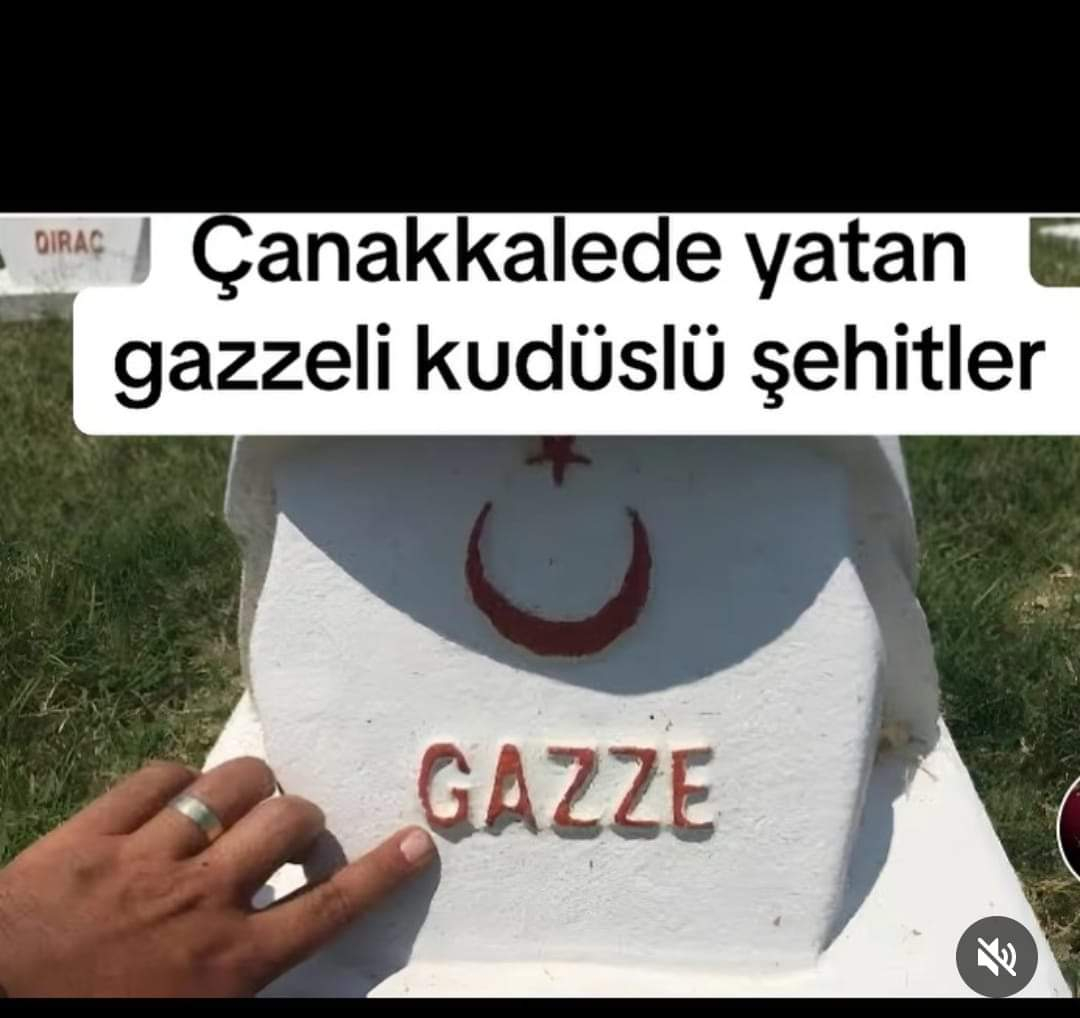
  • The graves of noble martyrs from Gaza in Çanakkale.
    In 1915, the Fatwa of Jihad received intense interest and support from all over the Islamic world, from the Caucasus to the Balkans, from the Middle East to North Africa, Asia and the Hejaz Peninsula. May Allah be pleased with them all, we can never forget their sacrifices.

    Çanakkalede yatan Gazze'li şehitlerimiz. 1915'de Cihad Fetvası'na Kafkasya'dan Balkanlar'a Ortadoğu'dan Kuzey Afrika'ya, Asya'dan ve Hicaz Yarımadası'ndan İslam coğrafyasının birçok yerinden yoğun ilgi ve destek gelmiştir. Bu manada Osmanlı coğrafyasındaki her bölge insanının Çanakkale Cephesi'ne katılımı olmuştur, bunlar unutulmaz. Rabbim hepsinden razı olsun.
    ☪️The graves of noble martyrs from Gaza in Çanakkale. In 1915, the Fatwa of Jihad received intense interest and support from all over the Islamic world, from the Caucasus to the Balkans, from the Middle East to North Africa, Asia and the Hejaz Peninsula. May Allah be pleased with them all, we can never forget their sacrifices. 🇹🇷 Çanakkalede yatan Gazze'li şehitlerimiz. 1915'de Cihad Fetvası'na Kafkasya'dan Balkanlar'a Ortadoğu'dan Kuzey Afrika'ya, Asya'dan ve Hicaz Yarımadası'ndan İslam coğrafyasının birçok yerinden yoğun ilgi ve destek gelmiştir. Bu manada Osmanlı coğrafyasındaki her bölge insanının Çanakkale Cephesi'ne katılımı olmuştur, bunlar unutulmaz. Rabbim hepsinden razı olsun.
    0 Commenti 0 condivisioni
  • The map shows years spent under Ottoman rule in Western Balkans...
    The map shows years spent under Ottoman rule in Western Balkans...
    0 Commenti 0 condivisioni
  • Ohrid as seen in the photos of Auguste Léon taken in 1913

    1) A bakery
    2) Macedonian women relaxing
    3, 4 & 5) Views of Ohrid
    6) Albanian men
    7 & 9) Stores in Ohrid
    8) Hotel Saloniki
    10) Macedonian women in the market

    Auguste Léon, Albert-Kahn Museum

    Buy the Balkans Team a burek 🏻:
    https://www.buymeacoffee.com/thebalkans
    Ohrid 🇲🇰 as seen in the photos of Auguste Léon taken in 1913 1) A bakery 2) Macedonian women relaxing 3, 4 & 5) Views of Ohrid 6) Albanian men 7 & 9) Stores in Ohrid 8) Hotel Saloniki 10) Macedonian women in the market 📸 Auguste Léon, Albert-Kahn Museum Buy the Balkans Team a burek ❤️👇🏻: https://www.buymeacoffee.com/thebalkans
    0 Commenti 0 condivisioni
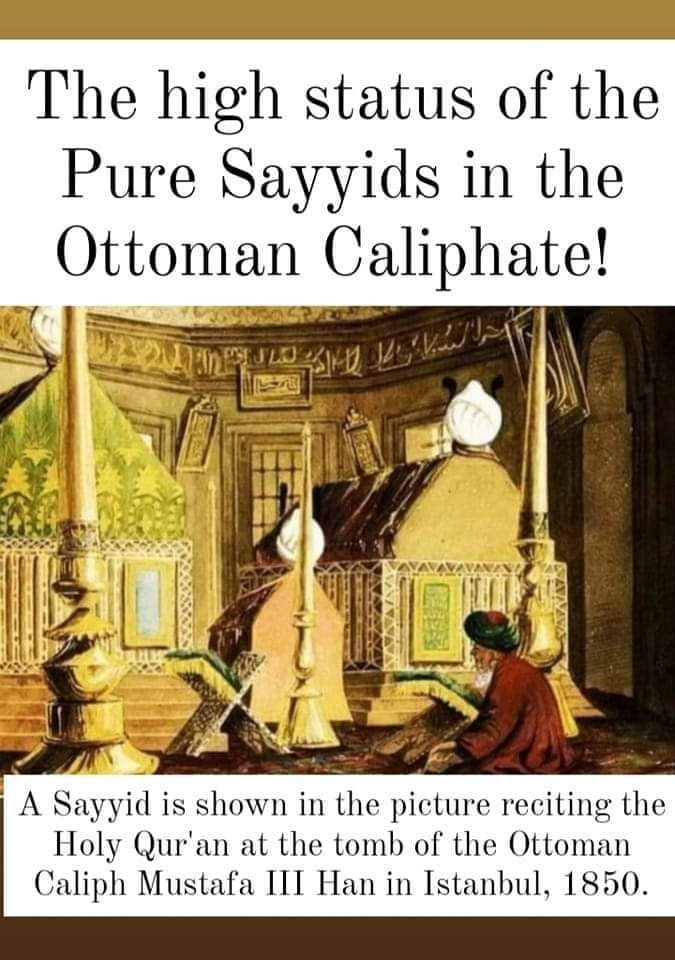
  • Naqib al-ashraf ( نقيب الأشراف) was an important governmental post in various different Islamic states like Mamluk and Ottoman Sultanates. The holder of this post was a member of Sayyids or Ashraf class which denoted the rank of supervisor of descendants of Prince of all Prophets, Muhammad ﷺ . The descendants of Prophet Muhammad ﷺ were popularly known as Ashraf and throughout Islamic history.

    Both Shia and Sunni Sayyids in Ottoman state were accorded special privileges, including personal inviolability, certain tax exemptions and immunity from regular prosecution. In the event of a legal complaint against a member of the Ashraf, Naqib al-ashraf would prosecute and judge alleged offender. This was done to ensure their special place in Muslim society & thus maintain their socio-political privileges to honor them as they were considered a living link to the Noble Prophet ﷺ.

    Source: The Ottoman State and Descendants of the Prophet ﷺ in Anatolia and Balkans (1500-1700 AD) by the author Hülya Canbaka

    #prophetmuhammad #sayyid #Muhammad
    Naqib al-ashraf ( نقيب الأشراف) was an important governmental post in various different Islamic states like Mamluk and Ottoman Sultanates. The holder of this post was a member of Sayyids or Ashraf class which denoted the rank of supervisor of descendants of Prince of all Prophets, Muhammad ﷺ . The descendants of Prophet Muhammad ﷺ were popularly known as Ashraf and throughout Islamic history. Both Shia and Sunni Sayyids in Ottoman state were accorded special privileges, including personal inviolability, certain tax exemptions and immunity from regular prosecution. In the event of a legal complaint against a member of the Ashraf, Naqib al-ashraf would prosecute and judge alleged offender. This was done to ensure their special place in Muslim society & thus maintain their socio-political privileges to honor them as they were considered a living link to the Noble Prophet ﷺ. Source: The Ottoman State and Descendants of the Prophet ﷺ in Anatolia and Balkans (1500-1700 AD) by the author Hülya Canbaka #prophetmuhammad #sayyid #Muhammad
    0 Commenti 0 condivisioni
  • Mahya lights are decorative lights which are strung up between the minarets of Turkish mosques to form illuminated words or pictures on festive occasions such as Eid al-Fitr (Ramazan Bayramı), Eid al-Adha (Kurban Bayramı), on Kandil nights, and throughout the holy month of Ramadan. Mahya lights are a unique part of traditional Turkish festivities. They can also occasionally be seen on some mosques in the Balkans, such as in Bosnia-Herzegovina, Albania, North Macedonia, northeastern Greece, and other countries which were formerly part of the Ottoman Empire.
    Mahya lights are decorative lights which are strung up between the minarets of Turkish mosques to form illuminated words or pictures on festive occasions such as Eid al-Fitr (Ramazan Bayramı), Eid al-Adha (Kurban Bayramı), on Kandil nights, and throughout the holy month of Ramadan. Mahya lights are a unique part of traditional Turkish festivities. They can also occasionally be seen on some mosques in the Balkans, such as in Bosnia-Herzegovina, Albania, North Macedonia, northeastern Greece, and other countries which were formerly part of the Ottoman Empire.
    0 Commenti 0 condivisioni
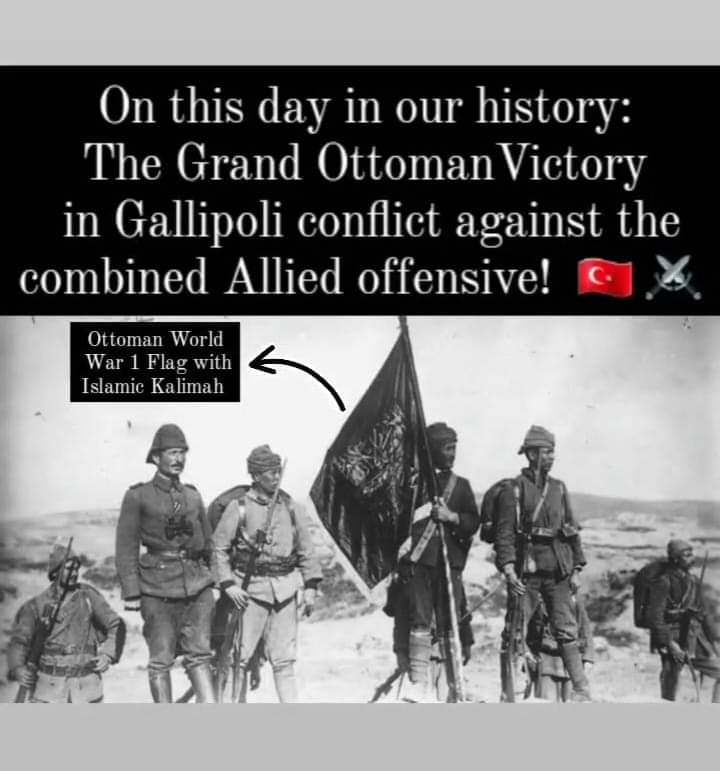
  • The Gallipoli conflict was a military campaign in the First World War that took place on Gallipoli peninsula, from 19 February 1915 to 9 January 1916. The Entente powers, Britain, France and the Russian Empire, sought to fully dismantle Ottoman Caliphate by taking over its capital city of Istanbul (Constantinople). The Allied forces-comprised of mega industrial empires such as Britain and Russia-expected a rather swift victory against the war-torn Ottoman state which lacked the manpower and technology.

    To the surprise of the Allied, Ottoman state gave a phenomenal resistance during the entire conflict which lasted a little over 10 months. It is a fact that Allied command underestimated the courage of Ottoman Islamic military which included Muslim troops from various races like Arabs, Turks, Kurds, Balkans etc. When faced with an existential crisis, the entire Ottoman citizens and troops became united under the Islamic Flag of the Khilafah and to defend their homeland from the infidels. We should all be aware of this reality since many dirty Kemalist propogandists disguised under the profession of historians are trying to portray Gallipoli only as a "Turkish" victory which is a huge myth. In fact, around 30% of the entire Ottoman military conscripts were Arab Muslims who served the Islamic state with endless bravery and fought with distinction at all the military fronts in WW1.

    The Ottoman forces foiled multiple organised attempts of the Allied navy to infiltrate through the Dardanelles using amphibious landings. In the process Ottomans gave 56,643 thousand martyrs and over 90,000 troops wounded. The Allied forces suffered over 56,000 casualties as well which shows the scale and intensity of the warfare experienced in the whole conflict. We present our Salute to Ottoman Ghazis and the Shahuda (Martyrs) who sacrificed their future for the safety of the Muslim Ummah. May Jenab e Haqq Allah Azzawajal illumine their graves and May they be admitted into Jannah ul Firdous in the neighbourhood of the King of all the Prophets, Sayyidina Muhammad ﷺ.

    The Ottoman victory at Gallipoli represents the collective victory of Islamdom over the infidels of the Allied group. We all should remember this glorious triumph as a point of unity and strength irrespective of modern nationalities since the Faithful have an ancient union

    I would also like to pay special tribute to Mehmed Esad Pasha Hazretleri who was the main Ottoman Commander in Gallipoli war and the mastermind behind the brilliant defense strategy employed by the Ottoman military. It is a pity that the credit for Gallipoli victory is falsely given to Kemal Pasha (later Atatürk) when in reality he was simply a junior officer and had no role in formulation of strategy. This is also another form of ridiculous Kemalist rewriting of history which needs to be refuted.

    The glorious Ottoman victory in Gallipoli sent shock waves around Europe and Britain. The British leadership was faced with a huge crisis as they had never imagined such a defeat. So, after a bitter clash Winston Churchill was finally demoted from the position of First Lord of the Admiralty. Following the failure of Gallipoli expedition, Sir Ian Hamilton, commander of the MEF, was recalled to London in October 1915, which ended his military career. Opposition from New Zealand and Australia grew strongly due to them receiving highest casualties in Gallipoli conflict and thus this episode also paved the way for independence of New Zealand and Australia from the British Empire.

    Main sources:

    Ottoman Empire lecture series by Professor Kenneth W Harl (Phd historian from Yale university USA and an expert on Ottoman history)

    Broadbent, Harvey (2005). Gallipoli: The Fatal Shore. Camberwell, VIC: Viking/Penguin.

    Holmes, Richard, ed. (2001). The Oxford Companion to Military History. Oxford: Oxford University Press.
    The Gallipoli conflict was a military campaign in the First World War that took place on Gallipoli peninsula, from 19 February 1915 to 9 January 1916. The Entente powers, Britain, France and the Russian Empire, sought to fully dismantle Ottoman Caliphate by taking over its capital city of Istanbul (Constantinople). The Allied forces-comprised of mega industrial empires such as Britain and Russia-expected a rather swift victory against the war-torn Ottoman state which lacked the manpower and technology. To the surprise of the Allied, Ottoman state gave a phenomenal resistance during the entire conflict which lasted a little over 10 months. It is a fact that Allied command underestimated the courage of Ottoman Islamic military which included Muslim troops from various races like Arabs, Turks, Kurds, Balkans etc. When faced with an existential crisis, the entire Ottoman citizens and troops became united under the Islamic Flag of the Khilafah and to defend their homeland from the infidels. We should all be aware of this reality since many dirty Kemalist propogandists disguised under the profession of historians are trying to portray Gallipoli only as a "Turkish" victory which is a huge myth. In fact, around 30% of the entire Ottoman military conscripts were Arab Muslims who served the Islamic state with endless bravery and fought with distinction at all the military fronts in WW1. The Ottoman forces foiled multiple organised attempts of the Allied navy to infiltrate through the Dardanelles using amphibious landings. In the process Ottomans gave 56,643 thousand martyrs and over 90,000 troops wounded. The Allied forces suffered over 56,000 casualties as well which shows the scale and intensity of the warfare experienced in the whole conflict. We present our Salute to Ottoman Ghazis and the Shahuda (Martyrs) who sacrificed their future for the safety of the Muslim Ummah. May Jenab e Haqq Allah Azzawajal illumine their graves and May they be admitted into Jannah ul Firdous in the neighbourhood of the King of all the Prophets, Sayyidina Muhammad ﷺ. The Ottoman victory at Gallipoli represents the collective victory of Islamdom over the infidels of the Allied group. We all should remember this glorious triumph as a point of unity and strength irrespective of modern nationalities since the Faithful have an ancient union ❤️ I would also like to pay special tribute to Mehmed Esad Pasha Hazretleri who was the main Ottoman Commander in Gallipoli war and the mastermind behind the brilliant defense strategy employed by the Ottoman military. It is a pity that the credit for Gallipoli victory is falsely given to Kemal Pasha (later Atatürk) when in reality he was simply a junior officer and had no role in formulation of strategy. This is also another form of ridiculous Kemalist rewriting of history which needs to be refuted. The glorious Ottoman victory in Gallipoli sent shock waves around Europe and Britain. The British leadership was faced with a huge crisis as they had never imagined such a defeat. So, after a bitter clash Winston Churchill was finally demoted from the position of First Lord of the Admiralty. Following the failure of Gallipoli expedition, Sir Ian Hamilton, commander of the MEF, was recalled to London in October 1915, which ended his military career. Opposition from New Zealand and Australia grew strongly due to them receiving highest casualties in Gallipoli conflict and thus this episode also paved the way for independence of New Zealand and Australia from the British Empire. Main sources: Ottoman Empire lecture series by Professor Kenneth W Harl (Phd historian from Yale university USA 🇺🇸 and an expert on Ottoman history) Broadbent, Harvey (2005). Gallipoli: The Fatal Shore. Camberwell, VIC: Viking/Penguin. Holmes, Richard, ed. (2001). The Oxford Companion to Military History. Oxford: Oxford University Press.
    0 Commenti 0 condivisioni
  • The Arbëreshë, also known as Albanians of Italy, are an Albanian ethnolinguistic group in Southern Italy, mostly concentrated in scattered villages in the region of Calabria and, to a lesser extent, in the regions of Abruzzo, Apulia, Basilicata, Campania, Molise and Sicily.

    They are the descendants of Albanian refugees who fled Albania, and later some from Morea between the 14th and the 18th centuries following the Ottoman conquest of the Balkans.

    Nowadays, most of the fifty Arbëreshë communities are adherents to the Italo-Albanian Church, an Eastern Catholic Church.

    The Arbëreshë speak Arbëresh, a Tosk Albanian variety involving code-mixing with regional Romance languages of Italy. It is of particular interest to students of the modern Albanian language as it retains speech sounds, morphosyntactic and vocabulary elements of the language spoken in pre-Ottoman Albania. In Italy, the Albanian language (and not specifically Arbëresh) is protected by law number 482/99, concerning the protection of the historic linguistic minorities.

    It is estimated that there are about 100,000 Italo-Albanians (400,000 if including those outside of Italy); they constitute one of the oldest and largest minorities in Italy. Being Italian and Arbëreshë are both central to Italo-Albanians' identity.

    Among the Arbëreshë the memory of Skanderbeg and his exploits was maintained and survived through songs

    The Arbëreshë cuisine is a mix of Albanian cuisine with Sicilian, Calabrian, and Lucanian influences. Traditional dishes include: Strangujët, Kanojët and Bukë

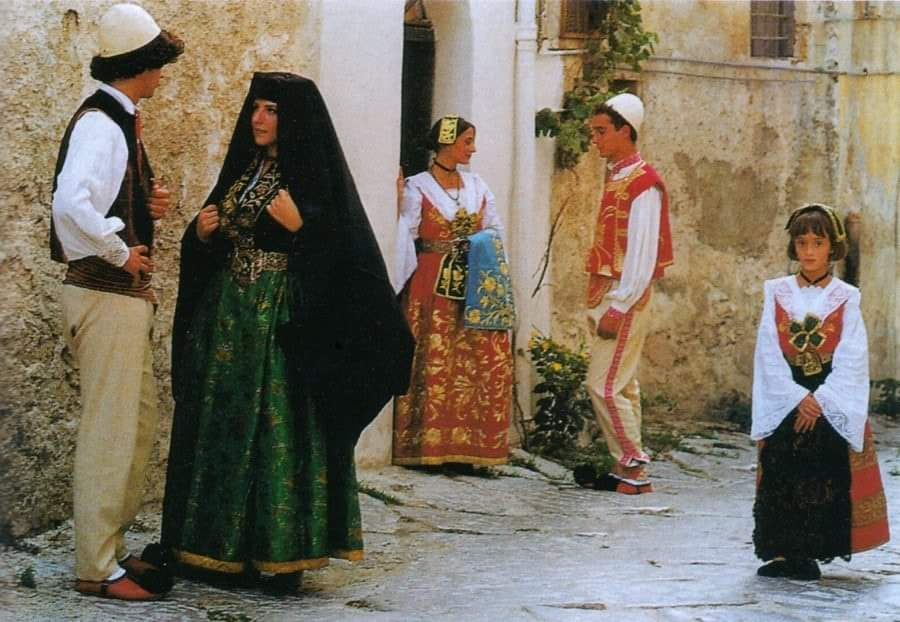
    Arbëreshë people in their traditional clothes
    The Arbëreshë, also known as Albanians of Italy, are an Albanian ethnolinguistic group in Southern Italy, mostly concentrated in scattered villages in the region of Calabria and, to a lesser extent, in the regions of Abruzzo, Apulia, Basilicata, Campania, Molise and Sicily. They are the descendants of Albanian refugees who fled Albania, and later some from Morea between the 14th and the 18th centuries following the Ottoman conquest of the Balkans. Nowadays, most of the fifty Arbëreshë communities are adherents to the Italo-Albanian Church, an Eastern Catholic Church. The Arbëreshë speak Arbëresh, a Tosk Albanian variety involving code-mixing with regional Romance languages of Italy. It is of particular interest to students of the modern Albanian language as it retains speech sounds, morphosyntactic and vocabulary elements of the language spoken in pre-Ottoman Albania. In Italy, the Albanian language (and not specifically Arbëresh) is protected by law number 482/99, concerning the protection of the historic linguistic minorities. It is estimated that there are about 100,000 Italo-Albanians (400,000 if including those outside of Italy); they constitute one of the oldest and largest minorities in Italy. Being Italian and Arbëreshë are both central to Italo-Albanians' identity. Among the Arbëreshë the memory of Skanderbeg and his exploits was maintained and survived through songs The Arbëreshë cuisine is a mix of Albanian cuisine with Sicilian, Calabrian, and Lucanian influences. Traditional dishes include: Strangujët, Kanojët and Bukë 📸 Arbëreshë people in their traditional clothes
    0 Commenti 0 condivisioni
Pagine in Evidenza