• THE OTTOMAN EMPIRE

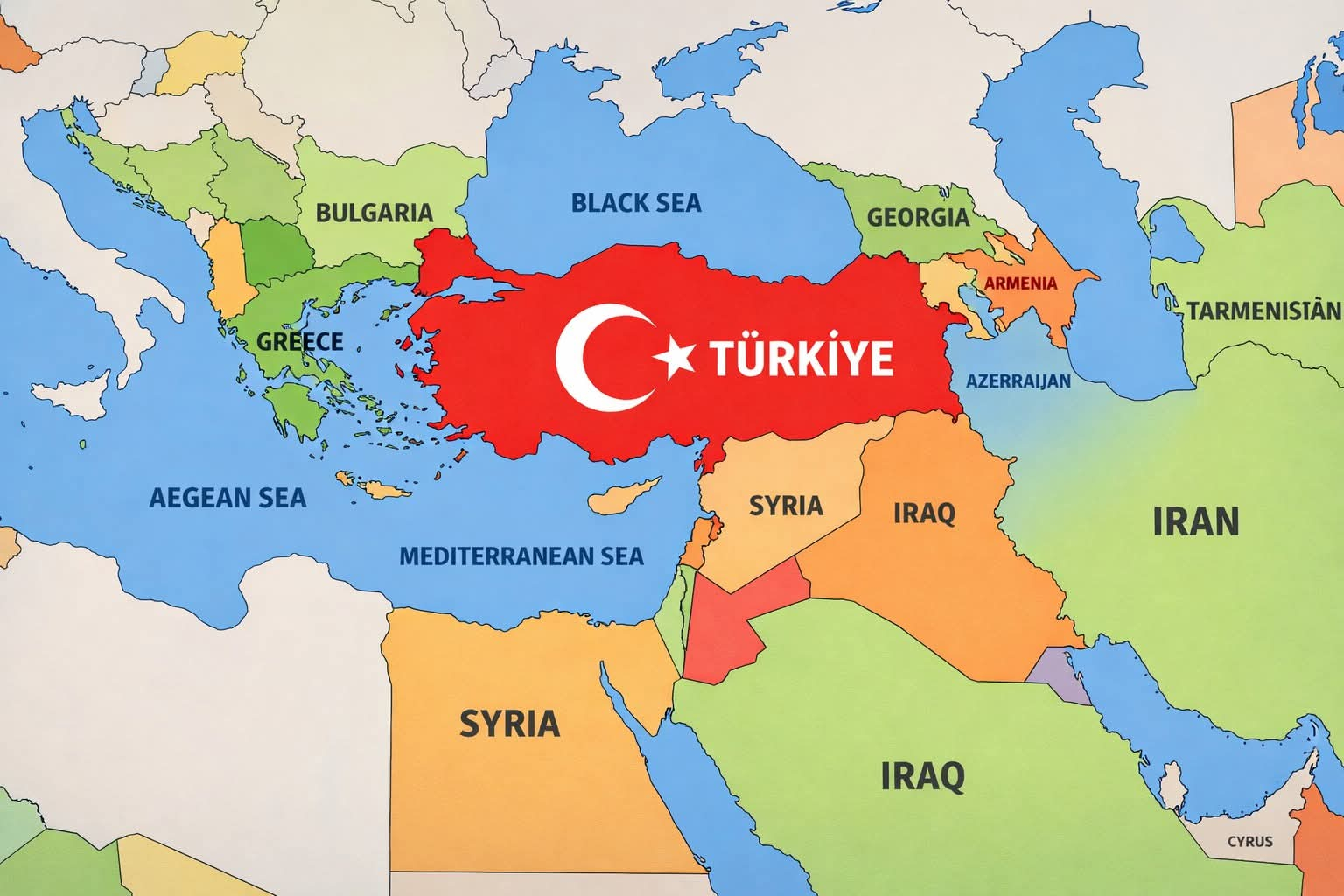
    The Ottoman Empire was one of the longest-lasting and most influential empires in world history, existing for more than 600 years, from 1299 to 1922.

    Origins: Founded by Osman I in the late 13th century, it began as a small principality in Anatolia and gradually expanded into a powerful empire.

    Greatest Expansion: At its height, the empire controlled vast territories across Southeastern Europe, Western Asia, the Middle East and North Africa, connecting three continents.

    Capital: After the conquest of Constantinople in 1453, the city became the political and cultural center of the empire. It is known today as Istanbul.

    Strategic Position: Ottoman territories surrounded major waterways and trade routes, including the Mediterranean Sea, Black Sea and Red Sea, giving the empire enormous geopolitical importance.

    Legacy: The Ottoman Empire left a lasting impact on architecture, culture, cuisine, art, politics and the history of numerous countries across Europe, Asia and Africa.

    From a small Anatolian principality to a vast transcontinental empire, the Ottoman Empire played a major role in shaping the history of three continents.

    #OttomanEmpire #WorldHistory #HistoryFacts #HistoricalMaps #Geography #Empire #Istanbul #History
    🏛️ THE OTTOMAN EMPIRE The Ottoman Empire was one of the longest-lasting and most influential empires in world history, existing for more than 600 years, from 1299 to 1922. 🔹 Origins: Founded by Osman I in the late 13th century, it began as a small principality in Anatolia and gradually expanded into a powerful empire. 🔹 Greatest Expansion: At its height, the empire controlled vast territories across Southeastern Europe, Western Asia, the Middle East and North Africa, connecting three continents. 🔹 Capital: After the conquest of Constantinople in 1453, the city became the political and cultural center of the empire. It is known today as Istanbul. 🔹 Strategic Position: Ottoman territories surrounded major waterways and trade routes, including the Mediterranean Sea, Black Sea and Red Sea, giving the empire enormous geopolitical importance. 🔹 Legacy: The Ottoman Empire left a lasting impact on architecture, culture, cuisine, art, politics and the history of numerous countries across Europe, Asia and Africa. 🌍 From a small Anatolian principality to a vast transcontinental empire, the Ottoman Empire played a major role in shaping the history of three continents. #OttomanEmpire #WorldHistory #HistoryFacts #HistoricalMaps #Geography #Empire #Istanbul #History
    0 Commentarios 0 Acciones
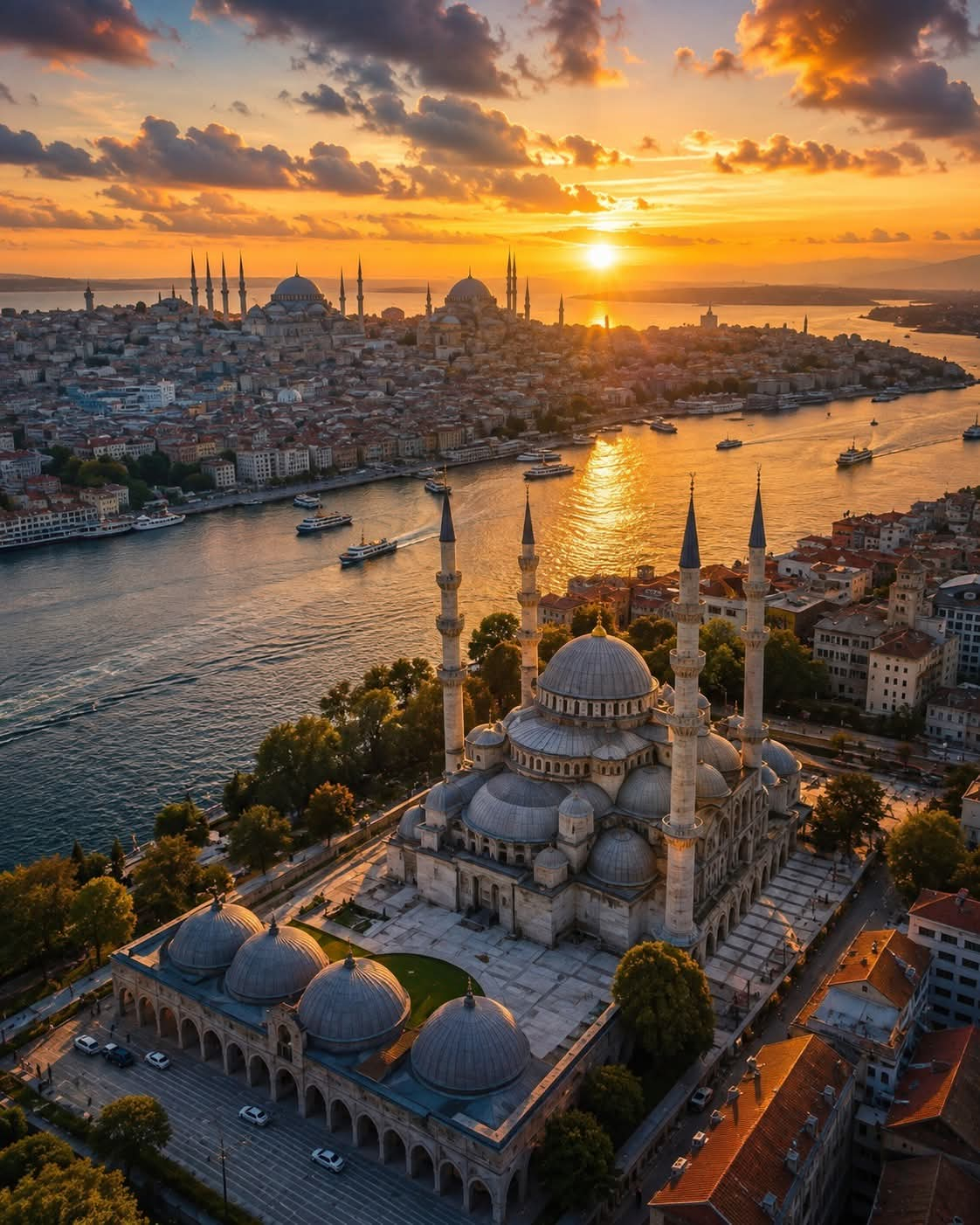
  • Sunset over Istanbul, where domes, minarets, and the Bosphorus create one of Turkey’s most iconic city views.

    For centuries, this skyline has reflected Istanbul’s unique place between Europe and Asia.

    Istanbul, Turkey
    #Istanbul #Turkey #Bosphorus #TurkishArchitecture
    Sunset over Istanbul, where domes, minarets, and the Bosphorus create one of Turkey’s most iconic city views. 🇹🇷✨ For centuries, this skyline has reflected Istanbul’s unique place between Europe and Asia. 📍 Istanbul, Turkey 🇹🇷 #Istanbul #Turkey #Bosphorus #TurkishArchitecture
    0 Commentarios 0 Acciones
  • TURKEY
    Things you probably didn’t know about Türkiye (breaking common myths):

    A bridge between continents: One of the few countries in the world that spans both Europe and Asia — with Istanbul divided by the Bosphorus Strait.

    Not the capital you think: While Istanbul is the most famous city, the real capital is Ankara.

    Empire legacy: The heart of the Ottoman Empire for over 600 years, influencing Europe, Asia, and Africa.

    Hagia Sophia is unique: The iconic Hagia Sophia has served as a church, mosque, and museum throughout history.

    Cradle of civilizations: Home to ancient cultures like the Hittites, Greeks, and Romans — leaving behind incredible archaeological heritage.

    Tea > Coffee: Contrary to popular belief, tea is consumed more than coffee and is a daily essential.

    Turkish baths: The famous “hammam” is a centuries-old tradition of relaxation and cleansing from the Ottoman era.

    Unreal landscapes: Places like Cappadocia are known for fairy chimneys and breathtaking hot air balloon rides.

    Rich cuisine: From kebabs to baklava and Turkish delight, Turkish food is loved worldwide.

    Strategic location: Controls key routes between the Black Sea and the Mediterranean — making it geopolitically important.

    Historic bazaars: The Grand Bazaar in Istanbul is one of the oldest and largest covered markets in the world.

    Cultural diversity: A unique blend of European, Asian, and Middle Eastern influences in architecture, music, and traditions.

    Global TV hits: Turkish series and films are hugely popular in Latin America and beyond.

    Follow for more amazing facts!
    Like | Comment | Share

    #Turkey #Türkiye #Travel #History #Culture #Explore
    🇹🇷 TURKEY 🇹🇷 🧠😍 Things you probably didn’t know about Türkiye (breaking common myths): 👏👏 🌍 A bridge between continents: One of the few countries in the world that spans both Europe and Asia — with Istanbul divided by the Bosphorus Strait. 🏛️ Not the capital you think: While Istanbul is the most famous city, the real capital is Ankara. 👑 Empire legacy: The heart of the Ottoman Empire for over 600 years, influencing Europe, Asia, and Africa. 🕌 Hagia Sophia is unique: The iconic Hagia Sophia has served as a church, mosque, and museum throughout history. 🏺 Cradle of civilizations: Home to ancient cultures like the Hittites, Greeks, and Romans — leaving behind incredible archaeological heritage. 🍵 Tea > Coffee: Contrary to popular belief, tea is consumed more than coffee and is a daily essential. 🛁 Turkish baths: The famous “hammam” is a centuries-old tradition of relaxation and cleansing from the Ottoman era. 🎈 Unreal landscapes: Places like Cappadocia are known for fairy chimneys and breathtaking hot air balloon rides. 🍽️ Rich cuisine: From kebabs to baklava and Turkish delight, Turkish food is loved worldwide. 🌐 Strategic location: Controls key routes between the Black Sea and the Mediterranean — making it geopolitically important. 🛍️ Historic bazaars: The Grand Bazaar in Istanbul is one of the oldest and largest covered markets in the world. 🎶 Cultural diversity: A unique blend of European, Asian, and Middle Eastern influences in architecture, music, and traditions. 📺 Global TV hits: Turkish series and films are hugely popular in Latin America and beyond. 👉 Follow for more amazing facts! 🌍✨ ❤️ Like | 💬 Comment | 🔁 Share #Turkey #Türkiye #Travel #History #Culture #Explore
    1
    0 Commentarios 0 Acciones
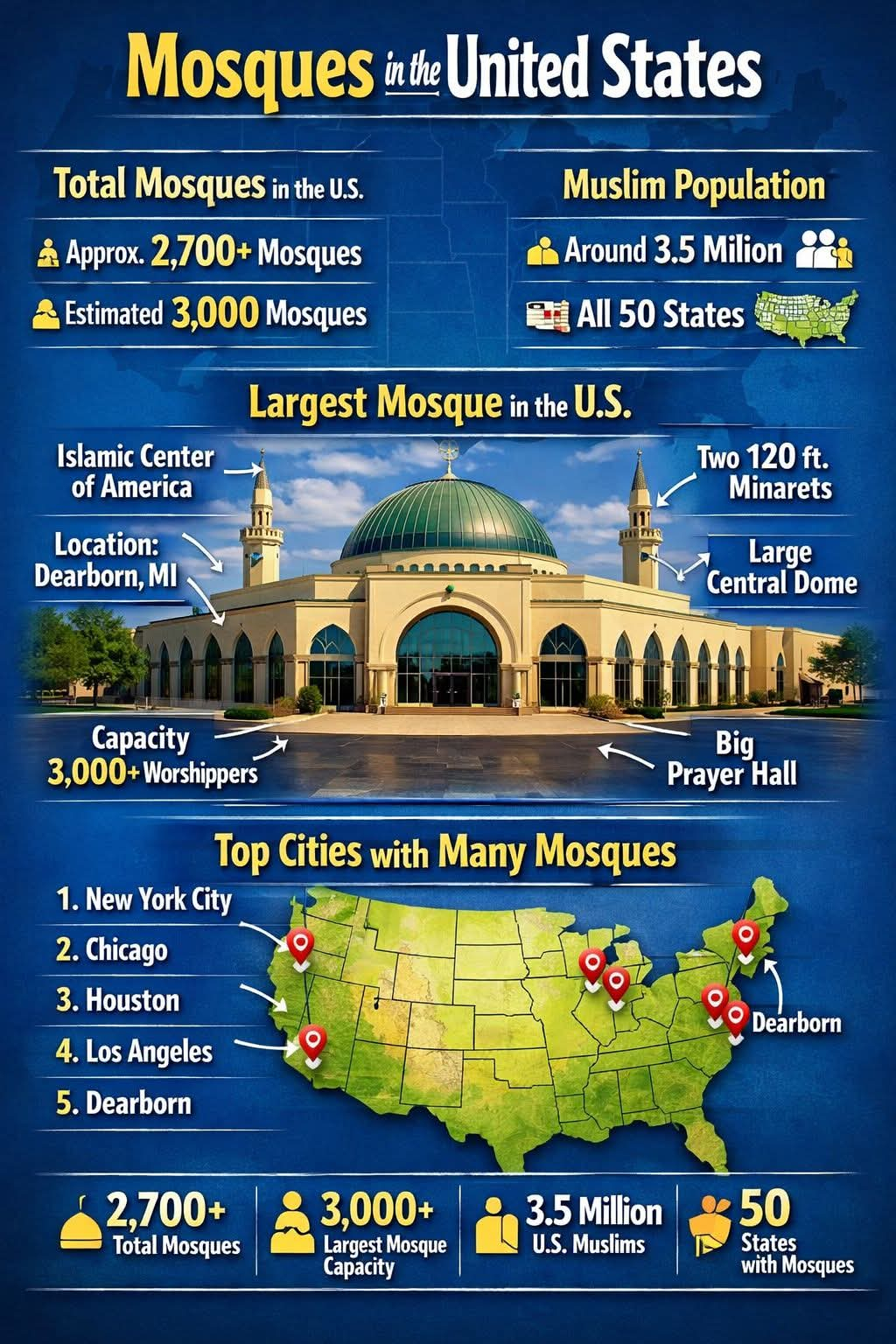
  • The United States has a growing Muslim community and thousands of mosques spread across the country. According to research by the Institute for Social Policy and Understanding, there are approximately 2,700 to 3,000 mosques in America today. These mosques serve as places for daily prayers, Friday congregational prayers, Islamic education, and community activities. Over the past few decades, the number of mosques has increased significantly due to the rising Muslim population and immigration from different parts of the world.
    The Muslim population in the United States is estimated to be around 3.5 million people. Muslims in America come from diverse ethnic backgrounds including Arabs, South Asians, African Americans, Turks, and Africans. Because of this diversity, many mosques also function as cultural and community centers where people gather for religious learning, charity work, and social support.
    One of the largest and most well-known mosques in the country is the Islamic Center of America, located in Dearborn, Michigan. This mosque is famous for its beautiful architecture, large central dome, and tall minarets. It can accommodate more than 3,000 worshippers at a time and is considered one of the biggest Islamic centers in North America.
    Major cities such as New York City, Chicago, Houston, and Los Angeles have many mosques because they have large Muslim populations. These mosques play an important role in maintaining religious identity, promoting community unity, and supporting charitable and educational activities throughout the United States.
    The United States has a growing Muslim community and thousands of mosques spread across the country. According to research by the Institute for Social Policy and Understanding, there are approximately 2,700 to 3,000 mosques in America today. These mosques serve as places for daily prayers, Friday congregational prayers, Islamic education, and community activities. Over the past few decades, the number of mosques has increased significantly due to the rising Muslim population and immigration from different parts of the world. The Muslim population in the United States is estimated to be around 3.5 million people. Muslims in America come from diverse ethnic backgrounds including Arabs, South Asians, African Americans, Turks, and Africans. Because of this diversity, many mosques also function as cultural and community centers where people gather for religious learning, charity work, and social support. One of the largest and most well-known mosques in the country is the Islamic Center of America, located in Dearborn, Michigan. This mosque is famous for its beautiful architecture, large central dome, and tall minarets. It can accommodate more than 3,000 worshippers at a time and is considered one of the biggest Islamic centers in North America. Major cities such as New York City, Chicago, Houston, and Los Angeles have many mosques because they have large Muslim populations. These mosques play an important role in maintaining religious identity, promoting community unity, and supporting charitable and educational activities throughout the United States.
    0 Commentarios 0 Acciones
  • Many people notice the Green Dome in Masjid al-Nabawi, but fewer understand the silver domes around it, especially the large one beside it.

    The Green Dome marks the chamber where the Prophet ﷺ is buried, along with Abu Bakr and Umar RA.

    The silver and grey domes nearby are part of the Ottoman prayer hall roof. They do not mark graves and they are not places of special ritual. They are architectural elements built to cover and organise the prayer space.

    One of these domes is larger and more prominent. It is known as Qubbat al-Maharib (the Dome of the Mihrabs). It sits above the mihrab area, including the Mihrab Uthmani, and serves as a visual marker for the qiblah and the place where the imam leads prayer.

    In simple terms:
    Green Dome → burial chamber of the Prophet ﷺ
    Silver domes → roof domes of the prayer hall
    Qubbat al-Maḥārīb → dome marking the mihrab area

    None of these domes are objects of worship. The honour of Masjid al-Nabawi comes from the Prophet ﷺ and the worship performed inside, not from structures or colours.

    Knowing this helps you appreciate the masjid for what it truly is: a place of prayer, remembrance, and connection to Allah.
    Many people notice the Green Dome in Masjid al-Nabawi, but fewer understand the silver domes around it, especially the large one beside it. The Green Dome marks the chamber where the Prophet ﷺ is buried, along with Abu Bakr and Umar RA. The silver and grey domes nearby are part of the Ottoman prayer hall roof. They do not mark graves and they are not places of special ritual. They are architectural elements built to cover and organise the prayer space. One of these domes is larger and more prominent. It is known as Qubbat al-Maharib (the Dome of the Mihrabs). It sits above the mihrab area, including the Mihrab Uthmani, and serves as a visual marker for the qiblah and the place where the imam leads prayer. In simple terms: • 🟢 Green Dome → burial chamber of the Prophet ﷺ • ⚪ Silver domes → roof domes of the prayer hall • 🕌 Qubbat al-Maḥārīb → dome marking the mihrab area None of these domes are objects of worship. The honour of Masjid al-Nabawi comes from the Prophet ﷺ and the worship performed inside, not from structures or colours. Knowing this helps you appreciate the masjid for what it truly is: a place of prayer, remembrance, and connection to Allah.
    0 Commentarios 0 Acciones
  • Hamidiye Camii in Kırşehir, Turkiye, is a truly unique mosque unlike any other. Its interior features a ceiling painted like the sky and a carpet resembling grass, inspired by Qur’an 2:22, which describes the earth as a dwelling and the sky as a canopy.

    Designed by an Azerbaijani architect, the mosque draws visitors from around the world for prayer, reflection, and admiration. Its wooden minbar is crafted to resemble tree trunks, blending naturally with the overall theme. Originally built in the 1910s during the Ottoman era and named after Sultan Abdülhamid II, the mosque later fell into disrepair, was demolished, and rebuilt in 2016.

    With its sky-and-garden imagery, Hamidiye Camii is often said to evoke the gardens of Paradise, making it a serene place for contemplation and worship.

    Fund honest independent Muslim journalism: https://support.islamchannel.tv
    Hamidiye Camii in Kırşehir, Turkiye, is a truly unique mosque unlike any other. Its interior features a ceiling painted like the sky and a carpet resembling grass, inspired by Qur’an 2:22, which describes the earth as a dwelling and the sky as a canopy. Designed by an Azerbaijani architect, the mosque draws visitors from around the world for prayer, reflection, and admiration. Its wooden minbar is crafted to resemble tree trunks, blending naturally with the overall theme. Originally built in the 1910s during the Ottoman era and named after Sultan Abdülhamid II, the mosque later fell into disrepair, was demolished, and rebuilt in 2016. With its sky-and-garden imagery, Hamidiye Camii is often said to evoke the gardens of Paradise, making it a serene place for contemplation and worship. Fund honest independent Muslim journalism: https://support.islamchannel.tv
    0 Commentarios 0 Acciones
  • The Şemsi Pasha Mosque in Turkey features a stained glass window designed by Ottoman architect Mimar Sinan in 1581 for Grand Vizier Şemsi Pasha.
    The Şemsi Pasha Mosque in Turkey features a stained glass window designed by Ottoman architect Mimar Sinan in 1581 for Grand Vizier Şemsi Pasha.
    0 Commentarios 0 Acciones
  • Baitul Khairaat Grand Mosque is an architectural landmark of Palu City, Central Sulawesi, Indonesia . A beautiful mosque with a majestic dome and elegant design, standing as a cultural icon of the area and featuring Indonesia's largest mosque dome and tallest mosque clock tower.
    Baitul Khairaat Grand Mosque is an architectural landmark of Palu City, Central Sulawesi, Indonesia 🇮🇩. A beautiful mosque with a majestic dome and elegant design, standing as a cultural icon of the area and featuring Indonesia's largest mosque dome and tallest mosque clock tower.
    0 Commentarios 0 Acciones
  • The Mosque of the Faculty of Theology at Marmara University
    #Türkiye
    Looking for a unique place to visit? The Marmara University Faculty of Theology Mosque fascinates visitors with its architectural details.

    The new-gen mosque is in fact a complex, composed of study rooms, exhibition areas, a book cafe, a conference hall, and more.

    The star of the show is the mosque’s marvellous dome, representing the rotating movement essential to our universe.

    Explore more on our official İstanbul page:

    #GoTürkiye #Goİstanbul #İstanbul #Mosque #FaithTürkiye #Faith #Architecture
    The Mosque of the Faculty of Theology at Marmara University 📍#Türkiye Looking for a unique place to visit? The Marmara University Faculty of Theology Mosque fascinates visitors with its architectural details. The new-gen mosque is in fact a complex, composed of study rooms, exhibition areas, a book cafe, a conference hall, and more. The star of the show is the mosque’s marvellous dome, representing the rotating movement essential to our universe. Explore more on our official İstanbul page: #GoTürkiye #Goİstanbul #İstanbul #Mosque #FaithTürkiye #Faith #Architecture
    0 Commentarios 0 Acciones
  • Istanbul, Turkey ...
    Did you know that Istanbul, located in Turkey, is one of the most important cities in the world due to its history, culture and geographical location. It is the only city that straddles two continents, Europe and Asia, divided by the Bosphorus Strait. Founded as Byzantium and later known as Constantinople, it was the capital of three great empires: the Roman, the Byzantine and the Ottoman.
    Istanbul is famous for its impressive architecture, such as the Hagia Sophia, the Blue Mosque and the Topkapi Palace, former residences of the Ottoman Sultans. The city is also known for its vibrant culture and diversity, reflected in its cuisine, bazaars and historical monuments.
    Today, Istanbul is the economic and cultural center of Turkey, combining the ancient and the modern. Its streets are filled with bustling markets, such as the Grand Bazaar, along with cosmopolitan neighborhoods and modern skyscrapers. It is a popular tourist destination for its unique mix of cultures, history and modernity.
    Istanbul's Old City reflects the cultural influences of the different empires that ruled the region.
    Istanbul, Turkey 🇹🇷... Did you know that Istanbul, located in Turkey, is one of the most important cities in the world due to its history, culture and geographical location. It is the only city that straddles two continents, Europe and Asia, divided by the Bosphorus Strait. Founded as Byzantium and later known as Constantinople, it was the capital of three great empires: the Roman, the Byzantine and the Ottoman. Istanbul is famous for its impressive architecture, such as the Hagia Sophia, the Blue Mosque and the Topkapi Palace, former residences of the Ottoman Sultans. The city is also known for its vibrant culture and diversity, reflected in its cuisine, bazaars and historical monuments. Today, Istanbul is the economic and cultural center of Turkey, combining the ancient and the modern. Its streets are filled with bustling markets, such as the Grand Bazaar, along with cosmopolitan neighborhoods and modern skyscrapers. It is a popular tourist destination for its unique mix of cultures, history and modernity. Istanbul's Old City reflects the cultural influences of the different empires that ruled the region.
    0 Commentarios 0 Acciones
Resultados de la búsqueda