• TURKEY
    Things you probably didn’t know about Türkiye (breaking common myths):

    A bridge between continents: One of the few countries in the world that spans both Europe and Asia — with Istanbul divided by the Bosphorus Strait.

    Not the capital you think: While Istanbul is the most famous city, the real capital is Ankara.

    Empire legacy: The heart of the Ottoman Empire for over 600 years, influencing Europe, Asia, and Africa.

    Hagia Sophia is unique: The iconic Hagia Sophia has served as a church, mosque, and museum throughout history.

    Cradle of civilizations: Home to ancient cultures like the Hittites, Greeks, and Romans — leaving behind incredible archaeological heritage.

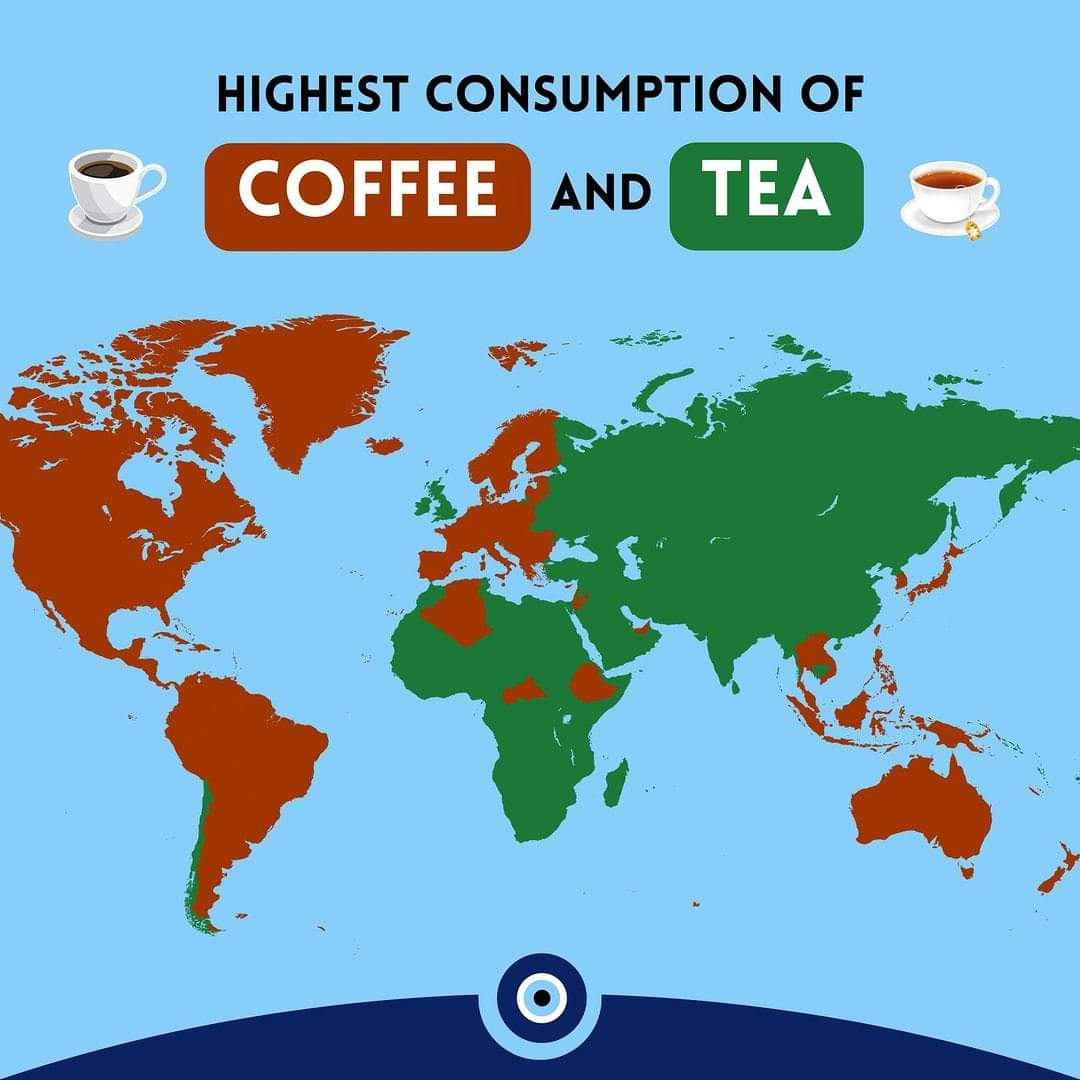
    Tea > Coffee: Contrary to popular belief, tea is consumed more than coffee and is a daily essential.

    Turkish baths: The famous “hammam” is a centuries-old tradition of relaxation and cleansing from the Ottoman era.

    Unreal landscapes: Places like Cappadocia are known for fairy chimneys and breathtaking hot air balloon rides.

    Rich cuisine: From kebabs to baklava and Turkish delight, Turkish food is loved worldwide.

    Strategic location: Controls key routes between the Black Sea and the Mediterranean — making it geopolitically important.

    Historic bazaars: The Grand Bazaar in Istanbul is one of the oldest and largest covered markets in the world.

    Cultural diversity: A unique blend of European, Asian, and Middle Eastern influences in architecture, music, and traditions.

    Global TV hits: Turkish series and films are hugely popular in Latin America and beyond.

    Follow for more amazing facts!
    Like | Comment | Share

    #Turkey #Türkiye #Travel #History #Culture #Explore
    🇹🇷 TURKEY 🇹🇷 🧠😍 Things you probably didn’t know about Türkiye (breaking common myths): 👏👏 🌍 A bridge between continents: One of the few countries in the world that spans both Europe and Asia — with Istanbul divided by the Bosphorus Strait. 🏛️ Not the capital you think: While Istanbul is the most famous city, the real capital is Ankara. 👑 Empire legacy: The heart of the Ottoman Empire for over 600 years, influencing Europe, Asia, and Africa. 🕌 Hagia Sophia is unique: The iconic Hagia Sophia has served as a church, mosque, and museum throughout history. 🏺 Cradle of civilizations: Home to ancient cultures like the Hittites, Greeks, and Romans — leaving behind incredible archaeological heritage. 🍵 Tea > Coffee: Contrary to popular belief, tea is consumed more than coffee and is a daily essential. 🛁 Turkish baths: The famous “hammam” is a centuries-old tradition of relaxation and cleansing from the Ottoman era. 🎈 Unreal landscapes: Places like Cappadocia are known for fairy chimneys and breathtaking hot air balloon rides. 🍽️ Rich cuisine: From kebabs to baklava and Turkish delight, Turkish food is loved worldwide. 🌐 Strategic location: Controls key routes between the Black Sea and the Mediterranean — making it geopolitically important. 🛍️ Historic bazaars: The Grand Bazaar in Istanbul is one of the oldest and largest covered markets in the world. 🎶 Cultural diversity: A unique blend of European, Asian, and Middle Eastern influences in architecture, music, and traditions. 📺 Global TV hits: Turkish series and films are hugely popular in Latin America and beyond. 👉 Follow for more amazing facts! 🌍✨ ❤️ Like | 💬 Comment | 🔁 Share #Turkey #Türkiye #Travel #History #Culture #Explore
    1
    0 Comentários 0 Compartilhamentos
  • Turkey’s Population Growth in 2025
    In 2025, Turkey’s population grew by 427,224 people compared to the previous year, reaching a total of 86,092,168 residents.
    This steady rise reflects ongoing demographic momentum shaped by natural growth and social dynamics across the country.

    #fblifestyle
    #Turkey #PopulationGrowth #Demographics #Statistics #2025Data #GlobalTrends #DataUpdate
    Turkey’s Population Growth in 2025🇹🇷📈 In 2025, Turkey’s population grew by 427,224 people compared to the previous year, reaching a total of 86,092,168 residents. This steady rise reflects ongoing demographic momentum shaped by natural growth and social dynamics across the country. 🌍✨ #fblifestyle #Turkey #PopulationGrowth #Demographics #Statistics #2025Data #GlobalTrends #DataUpdate
    0 Comentários 0 Compartilhamentos
  • Turkish Products Popular Among Greek Consumers

    Due to price differences and close proximity, shopping in Turkey has become common—especially for people in northern Greece. The most popular items include:
    Clothing & textiles
    Shoes & leather goods
    Natural cosmetics & skincare
    Olive oil soap
    Baklava & Turkish delight
    Turkish coffee & tea
    Home & kitchen items
    Why? Better prices, wide variety, and strong value for money.
    Have you ever tried cross-border shopping?
    #fblifestyle
    #Greece #Turkey #Balkans #CrossBorderShopping #GreekLifestyle #TurkishProducts
    Turkish Products🇹🇷🛍️ Popular Among Greek Consumers🛍️🇬🇷 Due to price differences and close proximity, shopping in Turkey has become common—especially for people in northern Greece. The most popular items include: 👕 Clothing & textiles 👟 Shoes & leather goods 🧴 Natural cosmetics & skincare 🧼 Olive oil soap 🍬 Baklava & Turkish delight ☕ Turkish coffee & tea 🍳 Home & kitchen items 📌 Why? Better prices, wide variety, and strong value for money. Have you ever tried cross-border shopping? 👇 #fblifestyle #Greece #Turkey #Balkans #CrossBorderShopping #GreekLifestyle #TurkishProducts
    0 Comentários 0 Compartilhamentos
  • Welcome to Istanbul: The City Between Two Continents!
    Did you know Istanbul is the only city in the world that spans both Europe and Asia? This magical Turkish metropolis is a living museum of history, culture, and modern life—all in one breathtaking place!

    Quick Facts:

    • Location: Northwest Turkey, along the Bosphorus Strait
    • Area: ~5,343 km²
    • Population: 15+ million (Turkey’s largest city!)
    • Language: Turkish
    • Currency: Turkish Lira (TRY)


    Must-See Highlights:

    • Historic Icons: Hagia Sophia, Blue Mosque, Topkapi Palace, Galata Tower, Roman Hippodrome
    • UNESCO Site: The Historic Areas of Istanbul (Byzantine + Ottoman treasures)
    • Bridges That Connect Continents: Bosphorus Bridge & Fatih Sultan Mehmet Bridge
    • Famous Bazaars: Grand Bazaar & Spice Bazaar – centuries of shopping history!
    • Unique Transport: Ferry rides between continents, nostalgic trams, funiculars


    Tastes of Istanbul:

    Kebab, köfte, simit (sesame bread ring), meze plates, sweet baklava, and of course—Turkish tea in tulip-shaped glasses!


    Fun Fact:

    Istanbul was once known as Byzantium and Constantinople, serving as capital of 3 great empires: Roman, Byzantine, and Ottoman!


    Istanbul isn’t just a city—it’s an experience that connects history and the future!

    #Istanbul #VisitTurkey #CityOfTwoContinents #Bosphorus #TurkishCulture #TravelGoals #AmazingWorldGeography
    🇹🇷✨ Welcome to Istanbul: The City Between Two Continents! Did you know Istanbul is the only city in the world that spans both Europe and Asia? This magical Turkish metropolis is a living museum of history, culture, and modern life—all in one breathtaking place! 🌍 Quick Facts: • Location: Northwest Turkey, along the Bosphorus Strait • Area: ~5,343 km² • Population: 15+ million (Turkey’s largest city!) • Language: Turkish • Currency: Turkish Lira (TRY) ⸻ 🕌 Must-See Highlights: • Historic Icons: Hagia Sophia, Blue Mosque, Topkapi Palace, Galata Tower, Roman Hippodrome • UNESCO Site: The Historic Areas of Istanbul (Byzantine + Ottoman treasures) • Bridges That Connect Continents: Bosphorus Bridge & Fatih Sultan Mehmet Bridge • Famous Bazaars: Grand Bazaar & Spice Bazaar – centuries of shopping history! • Unique Transport: Ferry rides between continents, nostalgic trams, funiculars ⸻ 🍽️ Tastes of Istanbul: Kebab, köfte, simit (sesame bread ring), meze plates, sweet baklava, and of course—Turkish tea in tulip-shaped glasses! ⸻ 🔍 Fun Fact: Istanbul was once known as Byzantium and Constantinople, serving as capital of 3 great empires: Roman, Byzantine, and Ottoman! ⸻ Istanbul isn’t just a city—it’s an experience that connects history and the future! #Istanbul #VisitTurkey #CityOfTwoContinents #Bosphorus #TurkishCulture #TravelGoals #AmazingWorldGeography
    0 Comentários 0 Compartilhamentos
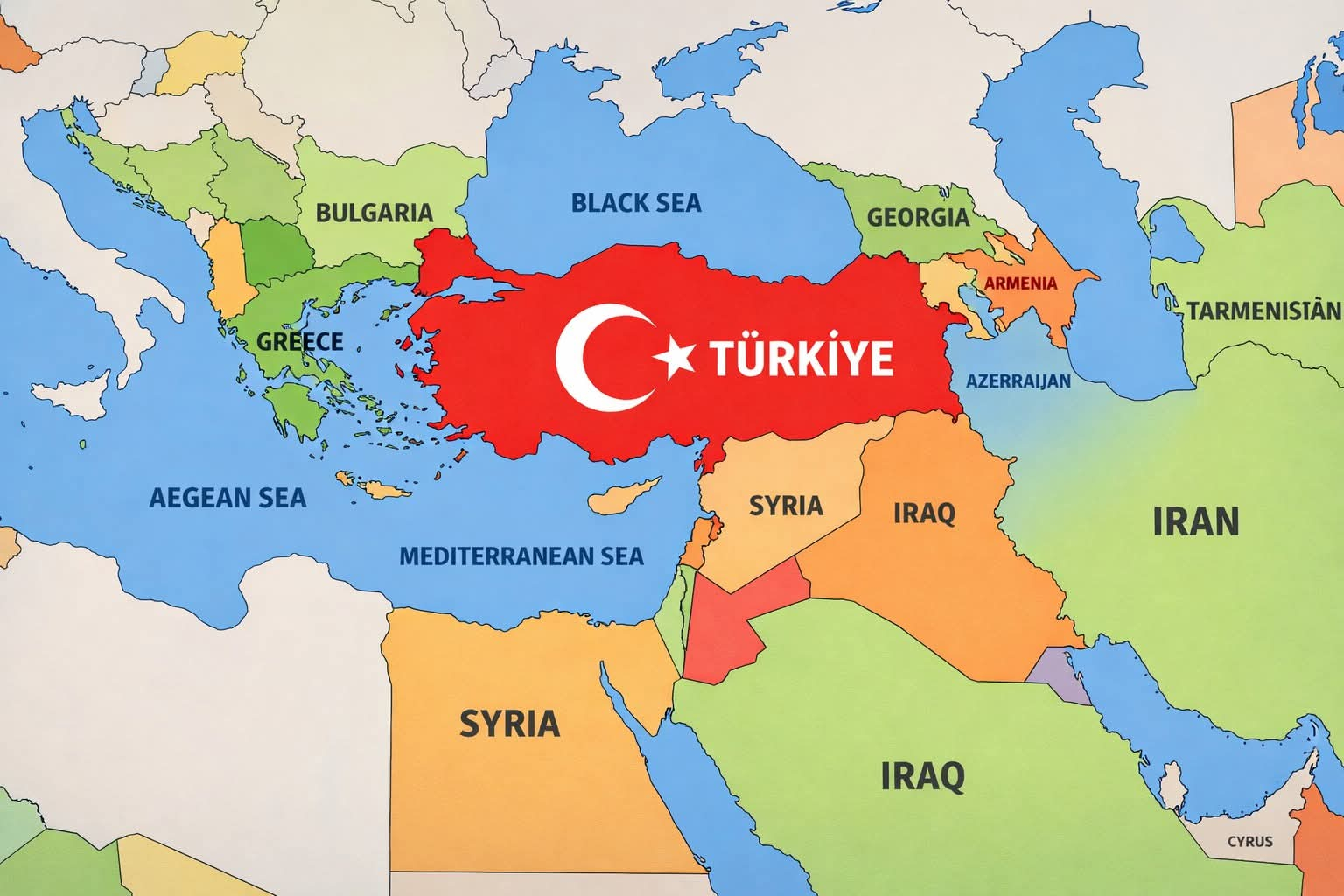
  • #Turkey is located at the crossroads of Asia and Europe. It is bordered by Greece and Bulgaria to the northwest, the Black Sea to the north, Georgia to the northeast, Armenia, the Azerbaijani exclave of Nakhchivan, and Iran to the east, Iraq to the southeast, Syria and the Mediterranean Sea to the south, and the Aegean Sea to the west.
    Area: 783,562 square kilometers.
    Topography: Includes the Taurus Mountains in the south, the Pontic Mountains in the north, fertile plains like the Anatolian Plain, and the Central Anatolian Plateau, along with lakes such as Lake Van.
    Water Bodies: Borders four major seas: the Black Sea, the Sea of Marmara, the Aegean Sea, and the Mediterranean Sea.
    2. Climate:
    Coastal Areas:
    Mediterranean and Aegean Coasts: Mediterranean climate with hot, dry summers and mild, wet winters.
    Black Sea Coast: Moderate and humid climate year-round.
    Inland Regions: Continental climate with hot, dry summers and very cold, snowy winters.
    Climate Change: Turkey faces challenges like drought and rising temperatures due to climate change.
    3. Population:
    Population Size: Approximately 84.5 million (2021).
    Population Distribution: Istanbul is the largest city with over 15.5 million residents. Ankara is the second largest, followed by Izmir, Bursa, and Antalya.
    Ethnic Diversity: Predominantly Turks, with a significant Kurdish minority, and smaller Armenian, Arab, and Greek communities.
    Population Growth: About 1.2% annually.
    4. Economy:
    GDP: Approximately $7.209 trillion in 2021.
    Exports: Includes agricultural products, automobiles, textiles, and electronics, valued at $225 billion.
    Imports: Mainly energy and raw materials, totaling $271 billion.
    Unemployment Rate: Around 10.3%.
    Agriculture and Industry: Notable for wheat, hazelnuts, and olives, as well as being a leading producer of automobiles and steel.
    5. Currency:
    The official currency is the Turkish Lira (TRY), which experiences fluctuations in value against foreign currencies.
    6. Tourism:
    Visitor Numbers: Turkey welcomed around 30 million tourists in 2021.
    Revenue: Approximately $24.5 billion.
    Top Destinations:
    Istanbul: Iconic landmarks like Hagia Sophia, the Blue Mosque, and Topkapi Palace.
    Antalya: A hub for coastal tourism.
    Cappadocia: Known for its unique landscapes and hot air balloons.
    Historical Sites: Ephesus and Troy.
    7. History:
    Civilizations: Turkey has been home to various civilizations, including the Hittites, Persians, Romans, and Byzantines.
    Ottoman Era: Spanned from the 14th century to the early 20th century.
    Modern Republic: Established in 1923 under Mustafa Kemal Atatürk, who moved the capital to Ankara and initiated widespread reforms.
    8. Education:
    Education System: Mandatory for 12 years (6 years primary, 3 years middle, 3 years secondary).
    Higher Education: Home to numerous universities, including Istanbul University and Middle East Technical University.
    Literacy Rate: Approximately 96%.
    9. Healthcare:
    Healthcare System: Turkey has a well-developed healthcare system encompassing public and private sectors.
    Medical Tourism: A popular destination for medical and cosmetic treatments, attracting thousands of patients annually.
    Hospitals: Equipped with state-of-the-art medical technology.
    10. Culture:
    Official Language: Turkish.
    Religion: Islam is the predominant religion, with Christian and Jewish minorities.
    Traditions: A blend of Eastern and Western cultural influences.
    Turkey serves as a bridge between East and West, with a rich history and modern development.
    #Turkey is located at the crossroads of Asia and Europe. It is bordered by Greece and Bulgaria to the northwest, the Black Sea to the north, Georgia to the northeast, Armenia, the Azerbaijani exclave of Nakhchivan, and Iran to the east, Iraq to the southeast, Syria and the Mediterranean Sea to the south, and the Aegean Sea to the west. Area: 783,562 square kilometers. Topography: Includes the Taurus Mountains in the south, the Pontic Mountains in the north, fertile plains like the Anatolian Plain, and the Central Anatolian Plateau, along with lakes such as Lake Van. Water Bodies: Borders four major seas: the Black Sea, the Sea of Marmara, the Aegean Sea, and the Mediterranean Sea. 🌐 2. Climate: Coastal Areas: Mediterranean and Aegean Coasts: Mediterranean climate with hot, dry summers and mild, wet winters. Black Sea Coast: Moderate and humid climate year-round. Inland Regions: Continental climate with hot, dry summers and very cold, snowy winters. Climate Change: Turkey faces challenges like drought and rising temperatures due to climate change. 🌐 3. Population: Population Size: Approximately 84.5 million (2021). Population Distribution: Istanbul is the largest city with over 15.5 million residents. Ankara is the second largest, followed by Izmir, Bursa, and Antalya. Ethnic Diversity: Predominantly Turks, with a significant Kurdish minority, and smaller Armenian, Arab, and Greek communities. Population Growth: About 1.2% annually. 🌐 4. Economy: GDP: Approximately $7.209 trillion in 2021. Exports: Includes agricultural products, automobiles, textiles, and electronics, valued at $225 billion. Imports: Mainly energy and raw materials, totaling $271 billion. Unemployment Rate: Around 10.3%. Agriculture and Industry: Notable for wheat, hazelnuts, and olives, as well as being a leading producer of automobiles and steel. 🌐 5. Currency: The official currency is the Turkish Lira (TRY), which experiences fluctuations in value against foreign currencies. 🌐 6. Tourism: Visitor Numbers: Turkey welcomed around 30 million tourists in 2021. Revenue: Approximately $24.5 billion. Top Destinations: Istanbul: Iconic landmarks like Hagia Sophia, the Blue Mosque, and Topkapi Palace. Antalya: A hub for coastal tourism. Cappadocia: Known for its unique landscapes and hot air balloons. Historical Sites: Ephesus and Troy. 🌐 7. History: Civilizations: Turkey has been home to various civilizations, including the Hittites, Persians, Romans, and Byzantines. Ottoman Era: Spanned from the 14th century to the early 20th century. Modern Republic: Established in 1923 under Mustafa Kemal Atatürk, who moved the capital to Ankara and initiated widespread reforms. 🌐 8. Education: Education System: Mandatory for 12 years (6 years primary, 3 years middle, 3 years secondary). Higher Education: Home to numerous universities, including Istanbul University and Middle East Technical University. Literacy Rate: Approximately 96%. 🌐 9. Healthcare: Healthcare System: Turkey has a well-developed healthcare system encompassing public and private sectors. Medical Tourism: A popular destination for medical and cosmetic treatments, attracting thousands of patients annually. Hospitals: Equipped with state-of-the-art medical technology. 🌐 10. Culture: Official Language: Turkish. Religion: Islam is the predominant religion, with Christian and Jewish minorities. Traditions: A blend of Eastern and Western cultural influences. Turkey serves as a bridge between East and West, with a rich history and modern development.
    0 Comentários 0 Compartilhamentos
  • İstanbul Türkiye

    When it snows in Istanbul, everything turns a little more magical.

    The streets, the parks, even hearts are covered in a blanket of white.

    It’s the perfect time to enjoy the snow while sipping a warm tea—preferably Turkish tea, if you’re in Istanbul—and making memories!


    #SnowInIstanbul #Istanbul
    ❄️ İstanbul Türkiye 🇹🇷 When it snows in Istanbul, everything turns a little more magical. The streets, the parks, even hearts are covered in a blanket of white. It’s the perfect time to enjoy the snow while sipping a warm tea—preferably Turkish tea, if you’re in Istanbul—and making memories! ☕️❄️ #SnowInIstanbul #Istanbul
    0 Comentários 0 Compartilhamentos
  • Did you know that Australia’s Highway 1 is not just the longest national highway in the country, but also one of the longest in the world? Spanning an extraordinary 14,500 kilometers (9,009 miles), this iconic highway forms a loop around the entire continent, connecting all of Australia’s major coastal cities. Traveling along this route, you’ll experience breathtaking views that range from rugged coastlines and pristine beaches to lush rainforests and arid outback landscapes.

    As you journey along Highway 1, you’ll pass through world-famous cities like Sydney, where the Sydney Opera House and Harbour Bridge await; Melbourne, known for its vibrant arts scene and coffee culture; Brisbane, with its riverside parks and lively cultural precincts; Perth, where you can enjoy stunning sunsets over the Indian Ocean; and Adelaide, the gateway to some of the world’s best wine regions.

    Known as the "National Highway" or simply "The One," this vast road network is vital for connecting Australia’s coastal regions and urban centers. But it’s more than just a transportation route—it’s a road that tells the story of Australia’s diverse geography and rich cultural heritage.

    For travelers, Highway 1 is the ultimate road trip, offering a unique way to explore the vast and varied landscapes of Australia. Whether you’re stopping to surf at a secluded beach, hike through a national park, or discover the history and culture of a new city, each segment of Highway 1 offers its own adventure. This highway is a journey in itself, a pathway to discovering the natural beauty and cultural richness that make Australia a truly unique destination.

    Source: Teachers Travelers
    Did you know that Australia’s Highway 1 is not just the longest national highway in the country, but also one of the longest in the world? Spanning an extraordinary 14,500 kilometers (9,009 miles), this iconic highway forms a loop around the entire continent, connecting all of Australia’s major coastal cities. Traveling along this route, you’ll experience breathtaking views that range from rugged coastlines and pristine beaches to lush rainforests and arid outback landscapes. As you journey along Highway 1, you’ll pass through world-famous cities like Sydney, where the Sydney Opera House and Harbour Bridge await; Melbourne, known for its vibrant arts scene and coffee culture; Brisbane, with its riverside parks and lively cultural precincts; Perth, where you can enjoy stunning sunsets over the Indian Ocean; and Adelaide, the gateway to some of the world’s best wine regions. Known as the "National Highway" or simply "The One," this vast road network is vital for connecting Australia’s coastal regions and urban centers. But it’s more than just a transportation route—it’s a road that tells the story of Australia’s diverse geography and rich cultural heritage. For travelers, Highway 1 is the ultimate road trip, offering a unique way to explore the vast and varied landscapes of Australia. Whether you’re stopping to surf at a secluded beach, hike through a national park, or discover the history and culture of a new city, each segment of Highway 1 offers its own adventure. This highway is a journey in itself, a pathway to discovering the natural beauty and cultural richness that make Australia a truly unique destination. Source: Teachers Travelers
    0 Comentários 0 Compartilhamentos
  • | What do you prefer: coffee or tea

    @civixplorer
    ☕🍵| What do you prefer: coffee or tea @civixplorer
    0 Comentários 0 Compartilhamentos
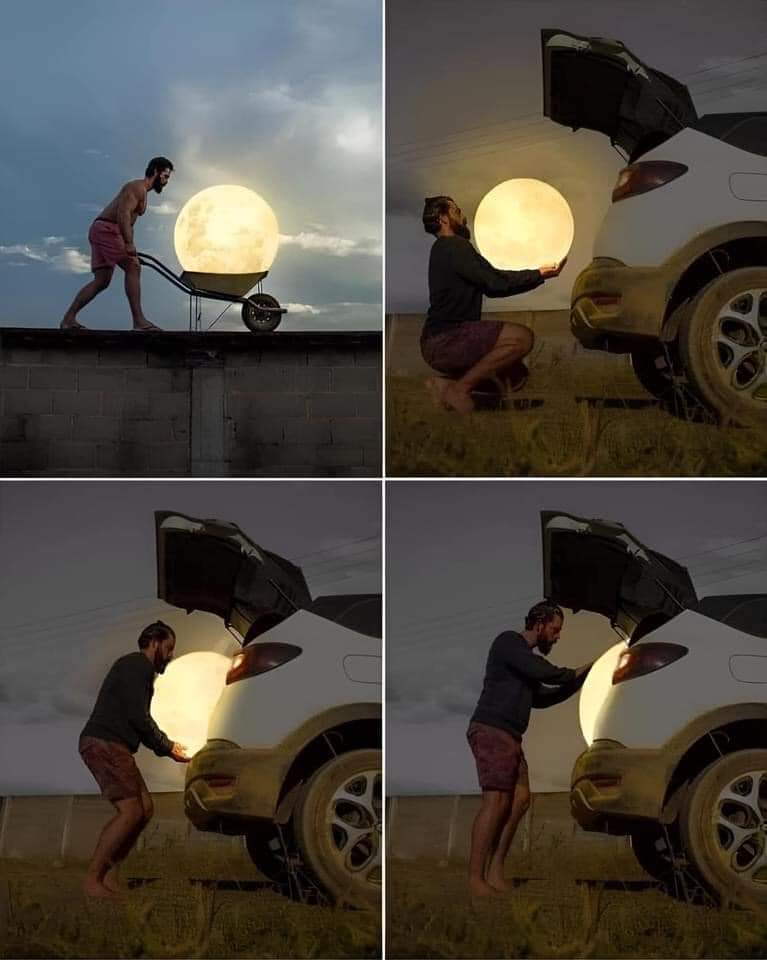
  • Stealing the Moon, how do you think
    Stealing the Moon, how do you think 🤔
    0 Comentários 0 Compartilhamentos
  • Turkish Olympic medalist Yusuf Dikec’s shooting pose from the 10m air pistol mixed team competition at the Paris 2024 games has become a popular celebratory stance for Olympic athletes.

    Here are a few times the ‘Yusuf Dikec pose’ was recreated
    Turkish Olympic medalist Yusuf Dikec’s shooting pose from the 10m air pistol mixed team competition at the Paris 2024 games has become a popular celebratory stance for Olympic athletes. Here are a few times the ‘Yusuf Dikec pose’ was recreated
    0 Comentários 0 Compartilhamentos
Páginas Impulsionadas