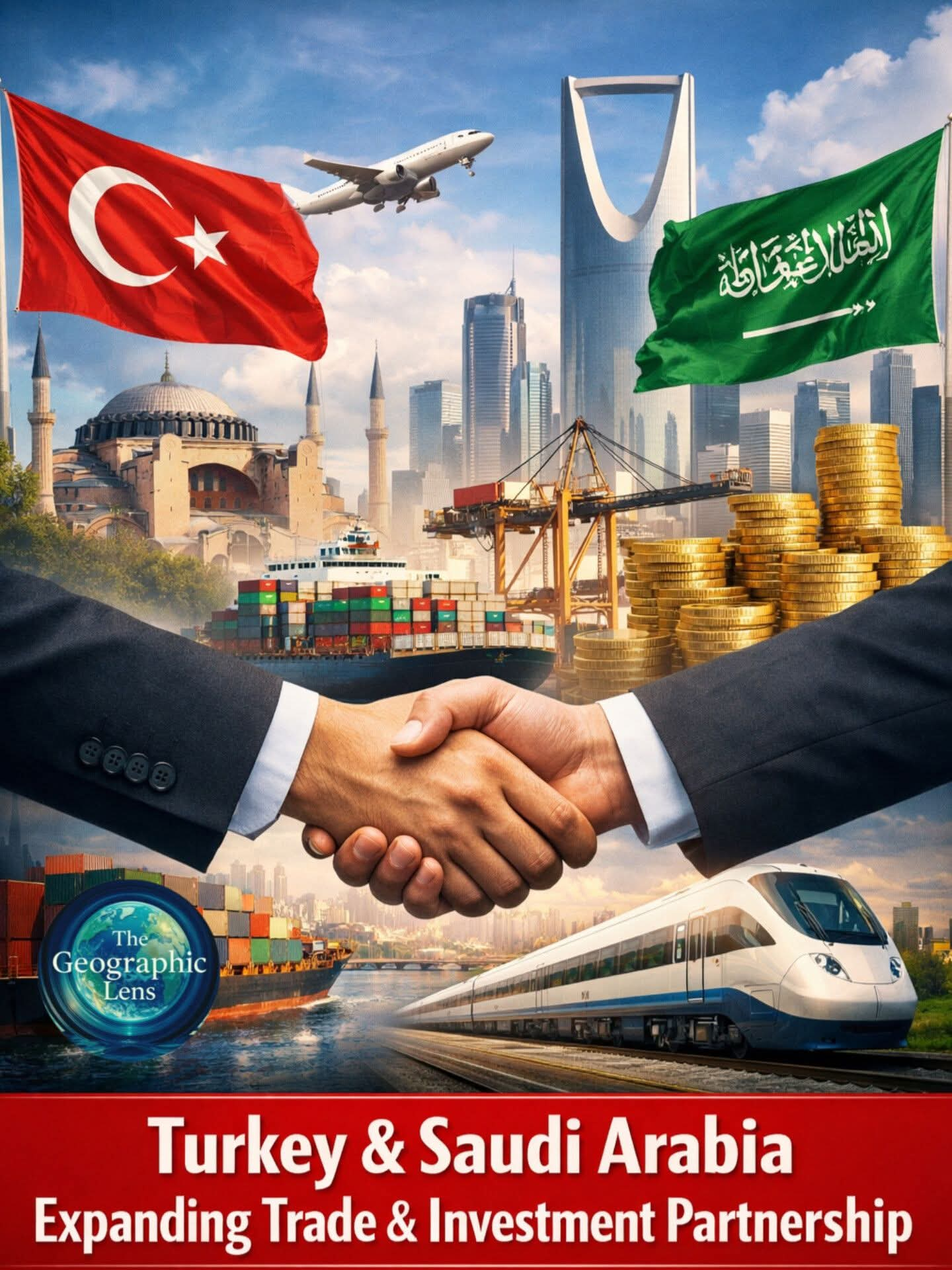
• Turkey–Saudi Arabia … Expanding Trade & Investment Partnership Toward New Economic Opportunities

    Reports indicate that Türkiye and Saudi Arabia have signed a new protocol aimed at strengthening trade and investment relations between the two countries during the conclusion of the third meeting of the Turkish–Saudi Coordination Council.

    Context: The agreement reflects growing economic cooperation between Ankara and Riyadh as both countries seek to expand regional partnerships, diversify investments, and increase bilateral trade opportunities.

    Key dynamics:
    Expanding bilateral trade and investment cooperation
    Strengthening economic coordination between Türkiye and Saudi Arabia
    Supporting joint projects and regional economic partnerships
    Enhancing connectivity between Middle Eastern markets

    Source: Statements from the Turkish Ministry of Trade regarding the Turkish–Saudi Coordination Council meeting

    #Turkey #SaudiArabia #Trade #Investment #Economy #MiddleEast #Diplomacy #Business #BreakingNews
    Turkey–Saudi Arabia 🇹🇷🤝🇸🇦… Expanding Trade & Investment Partnership Toward New Economic Opportunities 🌍💼 Reports indicate that Türkiye and Saudi Arabia have signed a new protocol aimed at strengthening trade and investment relations between the two countries during the conclusion of the third meeting of the Turkish–Saudi Coordination Council. 📊 Context: The agreement reflects growing economic cooperation between Ankara and Riyadh as both countries seek to expand regional partnerships, diversify investments, and increase bilateral trade opportunities. 🌐 Key dynamics: 📈 Expanding bilateral trade and investment cooperation 🤝 Strengthening economic coordination between Türkiye and Saudi Arabia 🏗️ Supporting joint projects and regional economic partnerships 🌍 Enhancing connectivity between Middle Eastern markets 📌 Source: Statements from the Turkish Ministry of Trade regarding the Turkish–Saudi Coordination Council meeting #Turkey #SaudiArabia #Trade #Investment #Economy #MiddleEast #Diplomacy #Business #BreakingNews
    0 Commentarios 0 Acciones
  • 15 Interesting Facts About Türkiye

    Top Tourist Destination
    Türkiye is consistently among the Top 10 most visited countries in the world, attracting 50+ million international tourists annually.

    Largest City
    The biggest city is Istanbul, with 16+ million people, making it one of the largest cities in Europe.

    Capital City
    The capital is Ankara, located in central Anatolia.

    Population Power
    Türkiye has a population of about 85 million people, making it one of the most populous countries in Europe and the Middle East.

    Unique Geographic Location
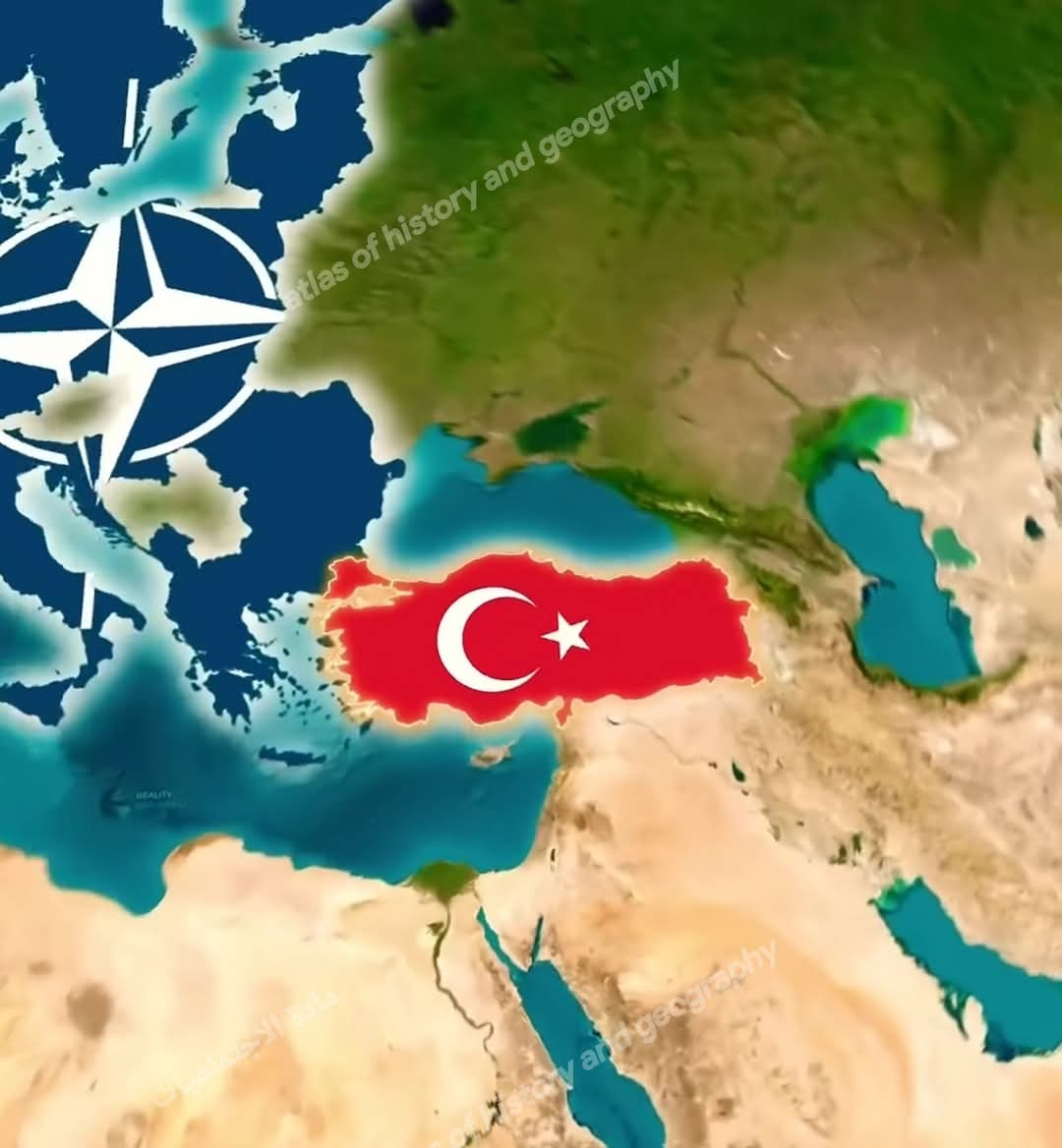
    Türkiye sits between Europe and Asia, connected by the Bosphorus strait.

    Large Economy
    Türkiye has one of the largest economies in the world, usually ranking around Top 20 globally by GDP.

    Major Tourist Cities
    Popular tourist destinations include:
    • Istanbul
    • Antalya
    • Izmir
    • Bodrum
    • Cappadocia region.

    Ancient Civilization Center
    Türkiye has hosted many civilizations including the Hittites, Greeks, Romans, Byzantines, and Ottoman Empire.

    World Heritage Sites
    Türkiye has 19 UNESCO World Heritage Sites, including Göbekli Tepe, one of the oldest temples in the world (11,000+ years old).

    Agricultural Power
    Türkiye is one of the world’s largest producers of hazelnuts, apricots, figs, and cherries.

    Strategic Straits
    The Dardanelles and Bosphorus connect the Black Sea to the Mediterranean Sea.

    Huge Airline Hub
    Turkish Airlines flies to more countries than any other airline in the world.

    Beautiful Coastline
    Türkiye has about 8,300 km of coastline along the Black Sea, Aegean Sea, and Mediterranean Sea.

    Famous Cuisine
    Turkish cuisine includes global favorites like Kebab, Baklava, and Turkish Delight.

    Historic Megacity
    Istanbul is the only city in the world located on two continents.


    Türkiye Facts
    Top 10 most visited country in the world
    Population: ~85 million
    Largest city: Istanbul (16M+)
    Bridge between Europe & Asia
    Top 20 global economy
    19 UNESCO World Heritage sites
    Major agricultural exporter
    Turkish Airlines flies to most countries worldwide
    8,000+ km coastline
    World-famous cuisine

    #turkiye #turkey #geography #worldfacts #europe #asia #travel #amazingworldgeography #fblifestyle
    🇹🇷 15 Interesting Facts About Türkiye 🌍 1️⃣ Top Tourist Destination Türkiye is consistently among the Top 10 most visited countries in the world, attracting 50+ million international tourists annually. 2️⃣ Largest City The biggest city is Istanbul, with 16+ million people, making it one of the largest cities in Europe. 3️⃣ Capital City The capital is Ankara, located in central Anatolia. 4️⃣ Population Power Türkiye has a population of about 85 million people, making it one of the most populous countries in Europe and the Middle East. 5️⃣ Unique Geographic Location Türkiye sits between Europe and Asia, connected by the Bosphorus strait. 6️⃣ Large Economy Türkiye has one of the largest economies in the world, usually ranking around Top 20 globally by GDP. 7️⃣ Major Tourist Cities Popular tourist destinations include: • Istanbul • Antalya • Izmir • Bodrum • Cappadocia region. 8️⃣ Ancient Civilization Center Türkiye has hosted many civilizations including the Hittites, Greeks, Romans, Byzantines, and Ottoman Empire. 9️⃣ World Heritage Sites Türkiye has 19 UNESCO World Heritage Sites, including Göbekli Tepe, one of the oldest temples in the world (11,000+ years old). 🔟 Agricultural Power Türkiye is one of the world’s largest producers of hazelnuts, apricots, figs, and cherries. 1️⃣1️⃣ Strategic Straits The Dardanelles and Bosphorus connect the Black Sea to the Mediterranean Sea. 1️⃣2️⃣ Huge Airline Hub Turkish Airlines flies to more countries than any other airline in the world. 1️⃣3️⃣ Beautiful Coastline Türkiye has about 8,300 km of coastline along the Black Sea, Aegean Sea, and Mediterranean Sea. 1️⃣4️⃣ Famous Cuisine Turkish cuisine includes global favorites like Kebab, Baklava, and Turkish Delight. 1️⃣5️⃣ Historic Megacity Istanbul is the only city in the world located on two continents. ⸻ 🌍 Türkiye Facts 🇹🇷 ✈️ Top 10 most visited country in the world 👥 Population: ~85 million 🏙️ Largest city: Istanbul (16M+) 🌉 Bridge between Europe & Asia 💰 Top 20 global economy 🏛️ 19 UNESCO World Heritage sites 🌾 Major agricultural exporter ✈️ Turkish Airlines flies to most countries worldwide 🏖️ 8,000+ km coastline 🍽️ World-famous cuisine #turkiye #turkey #geography #worldfacts #europe #asia #travel #amazingworldgeography #fblifestyle 🌍
    0 Commentarios 0 Acciones
  • Turkey’s Economic Journey: From Crisis to Trillion-Dollar Growth

    From $256B in 1999 to over $1.4T in 2025, Turkey’s GDP story reflects resilience, reform, global challenges, and strong post-pandemic momentum.
    A dynamic transformation shaped by industry, trade, infrastructure, and a young workforce.

    Swipe through the infographic to see how the numbers evolved over 25+ years.

    #fblifestyle
    #Turkey #EconomicGrowth #GDP #GlobalEconomy #EmergingMarkets #Finance #DataVisual #Infographic #EconomicTrends
    Turkey’s Economic📈🇹🇷 Journey: From Crisis to Trillion-Dollar Growth🌍 From $256B in 1999 to over $1.4T in 2025, Turkey’s GDP story reflects resilience, reform, global challenges, and strong post-pandemic momentum. A dynamic transformation shaped by industry, trade, infrastructure, and a young workforce. Swipe through the infographic to see how the numbers evolved over 25+ years. 📊✨ #fblifestyle #Turkey #EconomicGrowth #GDP #GlobalEconomy #EmergingMarkets #Finance #DataVisual #Infographic #EconomicTrends
    0 Commentarios 0 Acciones
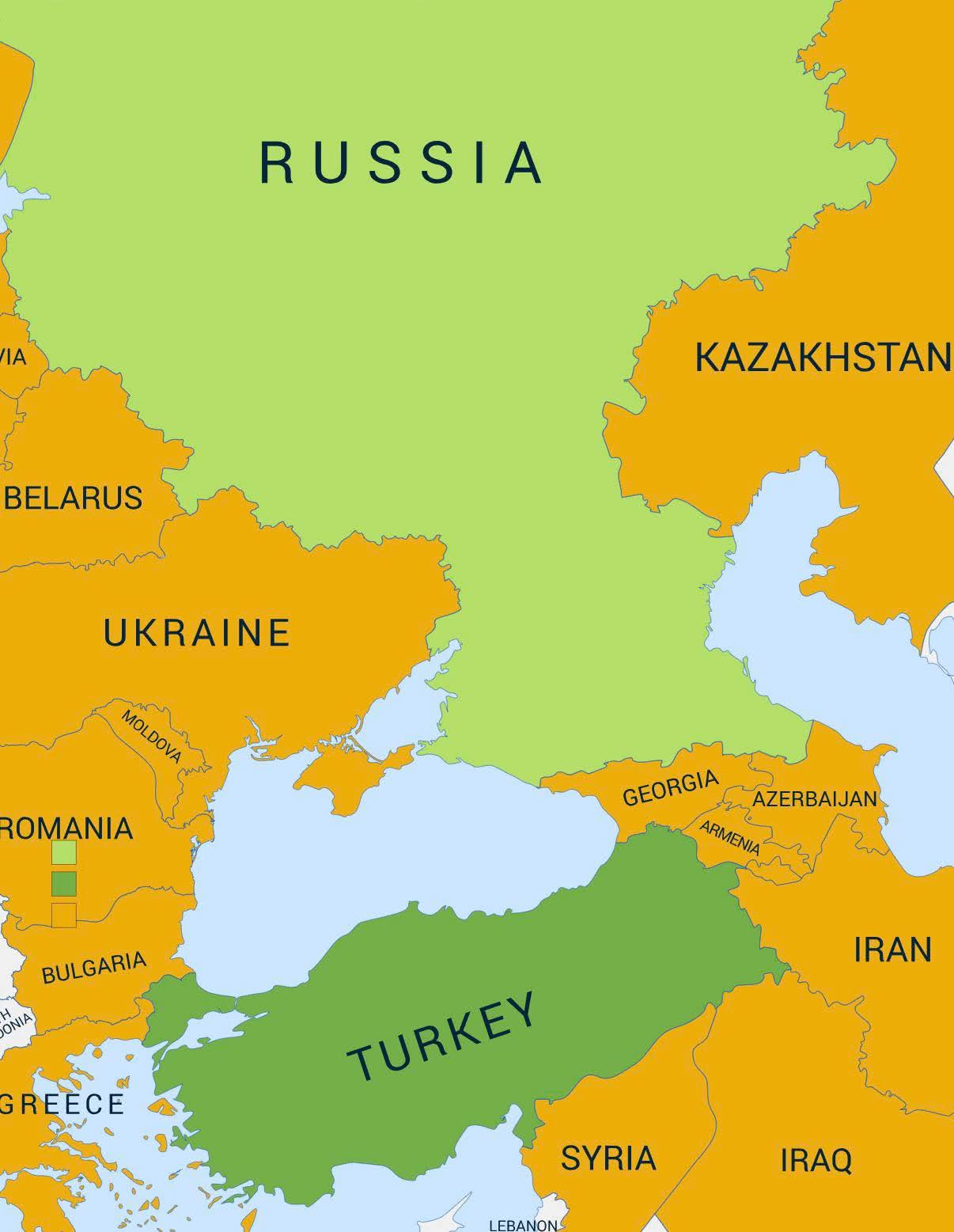
  • #Turkey is located at the crossroads of Asia and Europe. It is bordered by Greece and Bulgaria to the northwest, the Black Sea to the north, Georgia to the northeast, Armenia, the Azerbaijani exclave of Nakhchivan, and Iran to the east, Iraq to the southeast, Syria and the Mediterranean Sea to the south, and the Aegean Sea to the west.
    Area: 783,562 square kilometers.
    Topography: Includes the Taurus Mountains in the south, the Pontic Mountains in the north, fertile plains like the Anatolian Plain, and the Central Anatolian Plateau, along with lakes such as Lake Van.
    Water Bodies: Borders four major seas: the Black Sea, the Sea of Marmara, the Aegean Sea, and the Mediterranean Sea.
    2. Climate:
    Coastal Areas:
    Mediterranean and Aegean Coasts: Mediterranean climate with hot, dry summers and mild, wet winters.
    Black Sea Coast: Moderate and humid climate year-round.
    Inland Regions: Continental climate with hot, dry summers and very cold, snowy winters.
    Climate Change: Turkey faces challenges like drought and rising temperatures due to climate change.
    3. Population:
    Population Size: Approximately 84.5 million (2021).
    Population Distribution: Istanbul is the largest city with over 15.5 million residents. Ankara is the second largest, followed by Izmir, Bursa, and Antalya.
    Ethnic Diversity: Predominantly Turks, with a significant Kurdish minority, and smaller Armenian, Arab, and Greek communities.
    Population Growth: About 1.2% annually.
    4. Economy:
    GDP: Approximately $7.209 trillion in 2021.
    Exports: Includes agricultural products, automobiles, textiles, and electronics, valued at $225 billion.
    Imports: Mainly energy and raw materials, totaling $271 billion.
    Unemployment Rate: Around 10.3%.
    Agriculture and Industry: Notable for wheat, hazelnuts, and olives, as well as being a leading producer of automobiles and steel.
    5. Currency:
    The official currency is the Turkish Lira (TRY), which experiences fluctuations in value against foreign currencies.
    6. Tourism:
    Visitor Numbers: Turkey welcomed around 30 million tourists in 2021.
    Revenue: Approximately $24.5 billion.
    Top Destinations:
    Istanbul: Iconic landmarks like Hagia Sophia, the Blue Mosque, and Topkapi Palace.
    Antalya: A hub for coastal tourism.
    Cappadocia: Known for its unique landscapes and hot air balloons.
    Historical Sites: Ephesus and Troy.
    7. History:
    Civilizations: Turkey has been home to various civilizations, including the Hittites, Persians, Romans, and Byzantines.
    Ottoman Era: Spanned from the 14th century to the early 20th century.
    Modern Republic: Established in 1923 under Mustafa Kemal Atatürk, who moved the capital to Ankara and initiated widespread reforms.
    8. Education:
    Education System: Mandatory for 12 years (6 years primary, 3 years middle, 3 years secondary).
    Higher Education: Home to numerous universities, including Istanbul University and Middle East Technical University.
    Literacy Rate: Approximately 96%.
    9. Healthcare:
    Healthcare System: Turkey has a well-developed healthcare system encompassing public and private sectors.
    Medical Tourism: A popular destination for medical and cosmetic treatments, attracting thousands of patients annually.
    Hospitals: Equipped with state-of-the-art medical technology.
    10. Culture:
    Official Language: Turkish.
    Religion: Islam is the predominant religion, with Christian and Jewish minorities.
    Traditions: A blend of Eastern and Western cultural influences.
    Turkey serves as a bridge between East and West, with a rich history and modern development.
    #Turkey is located at the crossroads of Asia and Europe. It is bordered by Greece and Bulgaria to the northwest, the Black Sea to the north, Georgia to the northeast, Armenia, the Azerbaijani exclave of Nakhchivan, and Iran to the east, Iraq to the southeast, Syria and the Mediterranean Sea to the south, and the Aegean Sea to the west. Area: 783,562 square kilometers. Topography: Includes the Taurus Mountains in the south, the Pontic Mountains in the north, fertile plains like the Anatolian Plain, and the Central Anatolian Plateau, along with lakes such as Lake Van. Water Bodies: Borders four major seas: the Black Sea, the Sea of Marmara, the Aegean Sea, and the Mediterranean Sea. 🌐 2. Climate: Coastal Areas: Mediterranean and Aegean Coasts: Mediterranean climate with hot, dry summers and mild, wet winters. Black Sea Coast: Moderate and humid climate year-round. Inland Regions: Continental climate with hot, dry summers and very cold, snowy winters. Climate Change: Turkey faces challenges like drought and rising temperatures due to climate change. 🌐 3. Population: Population Size: Approximately 84.5 million (2021). Population Distribution: Istanbul is the largest city with over 15.5 million residents. Ankara is the second largest, followed by Izmir, Bursa, and Antalya. Ethnic Diversity: Predominantly Turks, with a significant Kurdish minority, and smaller Armenian, Arab, and Greek communities. Population Growth: About 1.2% annually. 🌐 4. Economy: GDP: Approximately $7.209 trillion in 2021. Exports: Includes agricultural products, automobiles, textiles, and electronics, valued at $225 billion. Imports: Mainly energy and raw materials, totaling $271 billion. Unemployment Rate: Around 10.3%. Agriculture and Industry: Notable for wheat, hazelnuts, and olives, as well as being a leading producer of automobiles and steel. 🌐 5. Currency: The official currency is the Turkish Lira (TRY), which experiences fluctuations in value against foreign currencies. 🌐 6. Tourism: Visitor Numbers: Turkey welcomed around 30 million tourists in 2021. Revenue: Approximately $24.5 billion. Top Destinations: Istanbul: Iconic landmarks like Hagia Sophia, the Blue Mosque, and Topkapi Palace. Antalya: A hub for coastal tourism. Cappadocia: Known for its unique landscapes and hot air balloons. Historical Sites: Ephesus and Troy. 🌐 7. History: Civilizations: Turkey has been home to various civilizations, including the Hittites, Persians, Romans, and Byzantines. Ottoman Era: Spanned from the 14th century to the early 20th century. Modern Republic: Established in 1923 under Mustafa Kemal Atatürk, who moved the capital to Ankara and initiated widespread reforms. 🌐 8. Education: Education System: Mandatory for 12 years (6 years primary, 3 years middle, 3 years secondary). Higher Education: Home to numerous universities, including Istanbul University and Middle East Technical University. Literacy Rate: Approximately 96%. 🌐 9. Healthcare: Healthcare System: Turkey has a well-developed healthcare system encompassing public and private sectors. Medical Tourism: A popular destination for medical and cosmetic treatments, attracting thousands of patients annually. Hospitals: Equipped with state-of-the-art medical technology. 🌐 10. Culture: Official Language: Turkish. Religion: Islam is the predominant religion, with Christian and Jewish minorities. Traditions: A blend of Eastern and Western cultural influences. Turkey serves as a bridge between East and West, with a rich history and modern development.
    0 Commentarios 0 Acciones
  • Turkey: The Golden Bridge Between East and West
    1. Location & Area
    Turkey spans both Asia and Europe, with a total area of approximately 783,562 km², making it one of the largest countries in the region.

    2. Land of Geographical Diversity
    From Mediterranean coastlines to Anatolian mountains, Turkey offers rich landscapes and diverse cultures.

    3. Ottoman Heritage & Modern Civilization
    With deep roots in the Ottoman Empire, Turkey is filled with historic landmarks like Hagia Sophia and Topkapi Palace.

    4. Population
    Turkey has about 85 million people, mainly concentrated in Istanbul, Ankara, and Izmir.

    5. A Vibrant and Growing Economy
    Its economy is based on industry, tourism, and agriculture, and is considered one of the world’s leading emerging markets.

    6. A Regional Transport Hub
    Turkey acts as a key transport link between Europe and Asia, with modern airways and high-speed rail networks.

    7. A Unique Cultural Identity
    It blends modernity with Islamic traditions, offering a mix of cuisines, arts, and customs from both East and West.

    8. Sports & Entertainment
    Football is the most popular sport, with iconic clubs like Galatasaray and Fenerbahçe based in Istanbul.

    9. Advanced Education & Top Universities
    Turkey attracts international students, especially in fields like medicine, engineering, and political science.

    #Turkey #Istanbul #Anatolia
    Turkey: The Golden Bridge Between East and West 1. 🗺️📏 Location & Area Turkey spans both Asia and Europe, with a total area of approximately 783,562 km², making it one of the largest countries in the region. 2. 🇹🇷🏞️ Land of Geographical Diversity From Mediterranean coastlines to Anatolian mountains, Turkey offers rich landscapes and diverse cultures. 3. 🕌🏛️ Ottoman Heritage & Modern Civilization With deep roots in the Ottoman Empire, Turkey is filled with historic landmarks like Hagia Sophia and Topkapi Palace. 4. 👥📊 Population Turkey has about 85 million people, mainly concentrated in Istanbul, Ankara, and Izmir. 5. 💹🏗️ A Vibrant and Growing Economy Its economy is based on industry, tourism, and agriculture, and is considered one of the world’s leading emerging markets. 6. ✈️🚅 A Regional Transport Hub Turkey acts as a key transport link between Europe and Asia, with modern airways and high-speed rail networks. 7. 🕌🧕 A Unique Cultural Identity It blends modernity with Islamic traditions, offering a mix of cuisines, arts, and customs from both East and West. 8. ⚽🎭 Sports & Entertainment Football is the most popular sport, with iconic clubs like Galatasaray and Fenerbahçe based in Istanbul. 9. 🧠🎓 Advanced Education & Top Universities Turkey attracts international students, especially in fields like medicine, engineering, and political science. #Turkey #Istanbul #Anatolia
    0 Commentarios 0 Acciones
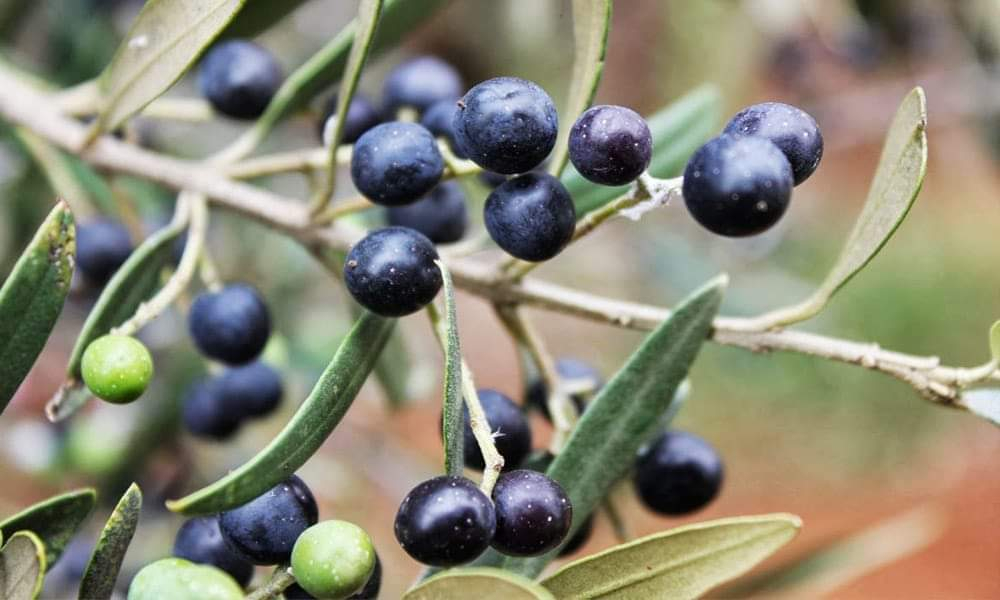
  • EN BÜYÜK ZEYTİNYAĞI İHRACATÇILARI :

    1.. İSPANYA : Dünya toplam zeytinyağı ihracatının %43'ü. : 4.23 milyar $.
    2.. İTALYA: 19.3% ve 1.87 milyar $.
    3.. PORTEKİZ: 10.1% ve 983 milyon $.
    4.. YUNANİSTAN: 8.74% ve 843 milyon $.
    5.. TUNUS: 8.3% ve 801 milyon $.

    Türkiye'nin zeytinyağı ihracatı 400 milyon $ (2022).

    https://trendeconomy.com/data/commodity_h2/1509
    EN BÜYÜK ZEYTİNYAĞI İHRACATÇILARI : 1.. İSPANYA : Dünya toplam zeytinyağı ihracatının %43'ü. : 4.23 milyar $. 2.. İTALYA: 19.3% ve 1.87 milyar $. 3.. PORTEKİZ: 10.1% ve 983 milyon $. 4.. YUNANİSTAN: 8.74% ve 843 milyon $. 5.. TUNUS: 8.3% ve 801 milyon $. Türkiye'nin zeytinyağı ihracatı 400 milyon $ (2022). https://trendeconomy.com/data/commodity_h2/1509
    0 Commentarios 0 Acciones
  • Muslims are not here to take over Europe—they are here to build and contribute. With nearly 2.8 million Muslims in the UK contributing over £31 billion to the economy, it's clear they are vital, productive members of society. Let's move beyond harmful stereotypes and recognize the immense value that diversity brings to our communities.
    Muslims are not here to take over Europe—they are here to build and contribute. With nearly 2.8 million Muslims in the UK contributing over £31 billion to the economy, it's clear they are vital, productive members of society. Let's move beyond harmful stereotypes and recognize the immense value that diversity brings to our communities.
    0 Commentarios 0 Acciones
  • 17 Facts You May Not Know About Yemen:

    (1). Yemen is located in the Middle East on the southern tip of the Arabian Peninsula.
    (2). It is one of the oldest inhabited regions in the world, with a history dating back thousands of years.
    (3). Sana'a is the capital and largest city of Yemen.
    (4). Yemen has a population of over 30 million people.
    (5). Arabic is the official language, and Islam is the predominant religion.
    (6). The country is known for its rich cultural heritage, including architecture, literature, and music.
    (7). Yemen is famous for its ancient cities, including Shibam, known as the "Manhattan of the Desert" for its mud skyscrapers.
    (8). The economy is primarily based on agriculture, with qat (a mild stimulant) being a significant cash crop.
    (9). Yemen has been historically known for its coffee, with the port city of Mocha giving its name to a famous coffee variety.
    (10). The country has faced political instability and conflict in recent years, leading to humanitarian crises.
    (11). Yemen has a diverse landscape, including mountains, deserts, and coastline along the Red Sea and the Arabian Sea.
    (12). The Old City of Sana'a is a UNESCO World Heritage Site, known for its unique architecture and bustling souks.
    (13). Yemeni cuisine is flavorful and diverse, featuring dishes like mandi (slow-cooked meat and rice) and salta (a spicy stew).
    (14). The country has a rich tradition of poetry, with Yemeni poets being highly esteemed in Arab literature.
    (15). Yemeni weddings are elaborate affairs, often lasting several days and featuring traditional music, dance, and feasting.
    (16). The country has a high rate of child marriage, with many girls married off before the age of 18.
    (17). Yemen's Socotra Island is renowned for its unique biodiversity, including the iconic dragon's blood tree.

    #historicalfacts
    #middleeast
    #fareast
    17 Facts You May Not Know About Yemen:🇾🇪 (1). Yemen is located in the Middle East on the southern tip of the Arabian Peninsula. (2). It is one of the oldest inhabited regions in the world, with a history dating back thousands of years. (3). Sana'a is the capital and largest city of Yemen. (4). Yemen has a population of over 30 million people. (5). Arabic is the official language, and Islam is the predominant religion. (6). The country is known for its rich cultural heritage, including architecture, literature, and music. (7). Yemen is famous for its ancient cities, including Shibam, known as the "Manhattan of the Desert" for its mud skyscrapers. (8). The economy is primarily based on agriculture, with qat (a mild stimulant) being a significant cash crop. (9). Yemen has been historically known for its coffee, with the port city of Mocha giving its name to a famous coffee variety. (10). The country has faced political instability and conflict in recent years, leading to humanitarian crises. (11). Yemen has a diverse landscape, including mountains, deserts, and coastline along the Red Sea and the Arabian Sea. (12). The Old City of Sana'a is a UNESCO World Heritage Site, known for its unique architecture and bustling souks. (13). Yemeni cuisine is flavorful and diverse, featuring dishes like mandi (slow-cooked meat and rice) and salta (a spicy stew). (14). The country has a rich tradition of poetry, with Yemeni poets being highly esteemed in Arab literature. (15). Yemeni weddings are elaborate affairs, often lasting several days and featuring traditional music, dance, and feasting. (16). The country has a high rate of child marriage, with many girls married off before the age of 18. (17). Yemen's Socotra Island is renowned for its unique biodiversity, including the iconic dragon's blood tree. #historicalfacts #middleeast #fareast
    0 Commentarios 0 Acciones
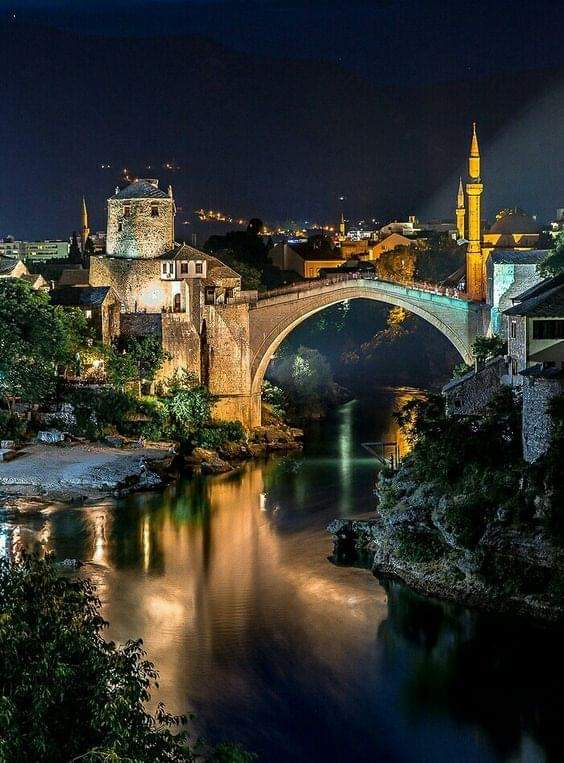
  • Mostar Bosnia

    Mostar, a city in southern Bosnia and Herzegovina, boasts a rich and complex history, shaped by diverse cultural influences and enduring through numerous periods of conflict and upheaval. Nestled along the Neretva River, Mostar has served as a crossroads for civilizations, fostering a unique blend of traditions and customs.

    Early Beginnings and Roman Rule

    The origins of Mostar can be traced back to the ancient Illyrian tribe of the Daorsi, who established a settlement in the area around the 6th century BC. Later, the Romans conquered the region, incorporating it into their vast empire. Roman rule brought with it infrastructure development, including the construction of roads and bridges, laying the foundation for Mostar's future importance as a transportation hub.

    Ottoman Era and Cultural Flourishing

    Under Ottoman rule, the city flourished as a commercial and cultural center, attracting people from diverse backgrounds. The construction of the iconic Stari Most (Old Bridge) in 1566 further cemented Mostar's position as a major trading post along the caravan routes.

    Austro-Hungarian Administration and Modernization

    In 1878, the Austro-Hungarian occupation of Bosnia and Herzegovina brought about modernization efforts in Mostar, with the introduction of Western-style architecture, infrastructure development, and educational reforms. However, the city also experienced increased ethnic and religious tensions.

    World War I and Yugoslavia

    The assassination of Archduke Franz Ferdinand in Sarajevo in 1914 triggered the outbreak of World War I, plunging Mostar into a period of instability. The city changed hands between various armies during the war, suffering significant damage and displacement of its population.

    After the war, Mostar became part of the Kingdom of Yugoslavia, a period of relative stability and economic growth. The city continued to attract immigrants from various parts of Yugoslavia, further diversifying its cultural landscape.

    Siege of Mostar and the Bosnian War

    The collapse of Yugoslavia in the early 1990s unleashed a series of ethnic conflicts, including the Bosnian War. Mostar endured a brutal siege from 1992 to 1995. The city was divided along ethnic lines, with the Stari Most becoming a symbol of the division and destruction.

    Despite the hardships, the people of Mostar demonstrated remarkable resilience, preserving their cultural traditions and maintaining a sense of community amidst the siege.

    Post-War Reconstruction and Renewal

    The Dayton Agreement in 1995 brought an end to the Bosnian War, paving the way for reconstruction and reconciliation efforts in Mostar. The iconic Stari Most was painstakingly rebuilt, symbolizing the city's determination to heal and move forward.

    Today, Mostar stands as a testament to the enduring spirit of its people. The city has made significant strides in rebuilding its infrastructure, revitalizing its economy, and promoting cultural diversity. While the scars of the past remain, Mostar has embraced its role as a beacon of hope and unity in Bosnia and Herzegovina.
    Mostar Bosnia Mostar, a city in southern Bosnia and Herzegovina, boasts a rich and complex history, shaped by diverse cultural influences and enduring through numerous periods of conflict and upheaval. Nestled along the Neretva River, Mostar has served as a crossroads for civilizations, fostering a unique blend of traditions and customs. Early Beginnings and Roman Rule The origins of Mostar can be traced back to the ancient Illyrian tribe of the Daorsi, who established a settlement in the area around the 6th century BC. Later, the Romans conquered the region, incorporating it into their vast empire. Roman rule brought with it infrastructure development, including the construction of roads and bridges, laying the foundation for Mostar's future importance as a transportation hub. Ottoman Era and Cultural Flourishing Under Ottoman rule, the city flourished as a commercial and cultural center, attracting people from diverse backgrounds. The construction of the iconic Stari Most (Old Bridge) in 1566 further cemented Mostar's position as a major trading post along the caravan routes. Austro-Hungarian Administration and Modernization In 1878, the Austro-Hungarian occupation of Bosnia and Herzegovina brought about modernization efforts in Mostar, with the introduction of Western-style architecture, infrastructure development, and educational reforms. However, the city also experienced increased ethnic and religious tensions. World War I and Yugoslavia The assassination of Archduke Franz Ferdinand in Sarajevo in 1914 triggered the outbreak of World War I, plunging Mostar into a period of instability. The city changed hands between various armies during the war, suffering significant damage and displacement of its population. After the war, Mostar became part of the Kingdom of Yugoslavia, a period of relative stability and economic growth. The city continued to attract immigrants from various parts of Yugoslavia, further diversifying its cultural landscape. Siege of Mostar and the Bosnian War The collapse of Yugoslavia in the early 1990s unleashed a series of ethnic conflicts, including the Bosnian War. Mostar endured a brutal siege from 1992 to 1995. The city was divided along ethnic lines, with the Stari Most becoming a symbol of the division and destruction. Despite the hardships, the people of Mostar demonstrated remarkable resilience, preserving their cultural traditions and maintaining a sense of community amidst the siege. Post-War Reconstruction and Renewal The Dayton Agreement in 1995 brought an end to the Bosnian War, paving the way for reconstruction and reconciliation efforts in Mostar. The iconic Stari Most was painstakingly rebuilt, symbolizing the city's determination to heal and move forward. Today, Mostar stands as a testament to the enduring spirit of its people. The city has made significant strides in rebuilding its infrastructure, revitalizing its economy, and promoting cultural diversity. While the scars of the past remain, Mostar has embraced its role as a beacon of hope and unity in Bosnia and Herzegovina.
    0 Commentarios 0 Acciones
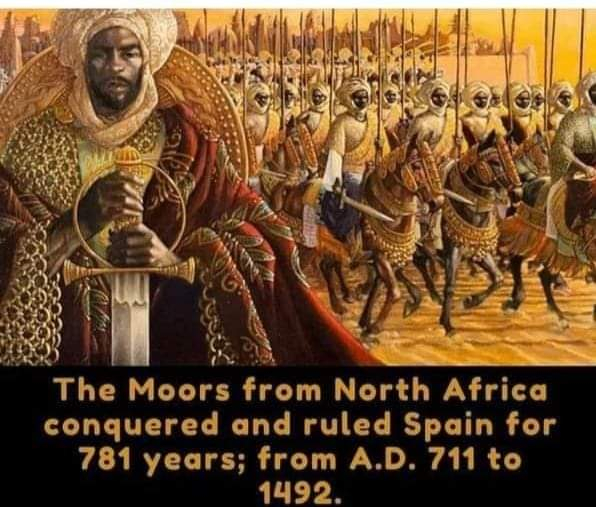
  • Here are some facts about the Moors in Europe: They ruled Spain and Portugal 754 years before the fall of the Mali Empire.

    1. The Moors brought a wide variety of new fruits and vegetables to Europe.
    The Moors brought many new fruits and vegetables to Spain and Europe that were considered exotic novelties at the time. These products included pomegranates, peaches, lemons, oranges, saffron, cotton, rice, silk, sugar cane, and a variety of other fruits and vegetables. Even though they are commonplace today, the Spanish at the time considered these objects to be almost alien. Several centuries later, they are still important components of Spanish food and production.

    2. The Moors Developed Far More Rapidly Than Medieval Europe
    The Arabs had an advanced civilization known for its architecture, science, mathematics, and exploration when they conquered the Iberian Peninsula. When the Moors arrived in Spain, they brought with them architectural innovations that astounded European stonemasons. The Alhambra, a fortress and palace complex in Granada, Spain, is one of the most stunning examples of Moorish architecture. Its construction started in 1238, and its grandeur and beauty far outstripped those of any comparable palace. It is still one of the palaces of the Islamic world that has been preserved the best today.

    3. Chess Became Popular Across Europe Because of the Moors
    Chess has been played for more than 1,500 years, but the Moors brought the game in its present form to Europe. The Moors brought chess to Spain after it had spread from India to the Arabic world. It spread through Europe's courts and society very quickly after it gained popularity. Chess was a well-liked game of strategy and endurance in medieval Spain. Chess was first mentioned in writing in Spain in the Catalan Testament in 1010 AD.

    4. The Moors Took Their Hygiene Very Seriously.
    A Moor, according to a catchphrase, "would rather go without bread than without soap." The Moors were known for their love of cleanliness. Due to their customs and the demands of their religion, the Moors valued cleanliness and often bathed; in the Moorish town of Cordoba, there were about 900 public baths. This made it possible to maintain proper hygiene at a time when plumbing and running water were still uncommon. Some sources also assert that the Moors introduced some kind of soap to Europe, ushering in a new era of hygiene.

    5. The Moors Placed a High Value on Education
    The Moors placed a high value on education and made sure that everyone in their realm had access to it. This was in stark contrast to medieval Europe, where education was only available to the richest nobles and clergy and where 90% of the populace was still illiterate. In fact, there have even been instances of European Kings who are illiterate. The Moors founded 17 prestigious universities in Spain, including ones in Cordoba, Malaga, Granada, Seville, Toledo, and Almeria.

    6. Many Moorish Words Are Still Used Today in Spanish and English
    The Moors introduced new ideas and words to Europe after they arrived, and these quickly assimilated into the common language. Up to 4,000 words in the Spanish language have Arabic roots, including algebra, checkmate, and influenza. Cipher, alcohol, chemistry, typhoon, orange, alkaline, cable, and nadir are additional examples.

    7. The Moors Were Very Resourceful
    The old Roman irrigation systems that the Moors discovered in Iberia had great potential, so they quickly adopted, improved, and revived them. This increased agricultural productivity and boosted the economy. Additionally, they were able to grow new crops they had brought, including figs, dates, apricots, lemons, and oranges. Thanks to the Moors' creative irrigation methods, Spain quickly rose to become one of Europe's top producers of crops.

    8. The Moors brought significant Changes to Spanish Cuisine
    For Europeans, spices were an uncommon commodity, and their cuisine was frequently regarded as bland. By bringing over hundreds of unusual spices, fresh recipes, and cutting-edge cooking techniques, the Moors altered that. We still eat a variety of wonderful dishes as a result of this culinary revolution. The spice markets of the Moors were renowned for their variety and provided options for chefs of all types. These medieval markets must have had the most amazing sights and smells.

    Source: Solution Reporters

    #solutionreporters
    #moors
    #spain
    #portugal
    #europe
    #arab
    #Mali
    Here are some facts about the Moors in Europe: They ruled Spain and Portugal 754 years before the fall of the Mali Empire. 1. The Moors brought a wide variety of new fruits and vegetables to Europe. The Moors brought many new fruits and vegetables to Spain and Europe that were considered exotic novelties at the time. These products included pomegranates, peaches, lemons, oranges, saffron, cotton, rice, silk, sugar cane, and a variety of other fruits and vegetables. Even though they are commonplace today, the Spanish at the time considered these objects to be almost alien. Several centuries later, they are still important components of Spanish food and production. 2. The Moors Developed Far More Rapidly Than Medieval Europe The Arabs had an advanced civilization known for its architecture, science, mathematics, and exploration when they conquered the Iberian Peninsula. When the Moors arrived in Spain, they brought with them architectural innovations that astounded European stonemasons. The Alhambra, a fortress and palace complex in Granada, Spain, is one of the most stunning examples of Moorish architecture. Its construction started in 1238, and its grandeur and beauty far outstripped those of any comparable palace. It is still one of the palaces of the Islamic world that has been preserved the best today. 3. Chess Became Popular Across Europe Because of the Moors Chess has been played for more than 1,500 years, but the Moors brought the game in its present form to Europe. The Moors brought chess to Spain after it had spread from India to the Arabic world. It spread through Europe's courts and society very quickly after it gained popularity. Chess was a well-liked game of strategy and endurance in medieval Spain. Chess was first mentioned in writing in Spain in the Catalan Testament in 1010 AD. 4. The Moors Took Their Hygiene Very Seriously. A Moor, according to a catchphrase, "would rather go without bread than without soap." The Moors were known for their love of cleanliness. Due to their customs and the demands of their religion, the Moors valued cleanliness and often bathed; in the Moorish town of Cordoba, there were about 900 public baths. This made it possible to maintain proper hygiene at a time when plumbing and running water were still uncommon. Some sources also assert that the Moors introduced some kind of soap to Europe, ushering in a new era of hygiene. 5. The Moors Placed a High Value on Education The Moors placed a high value on education and made sure that everyone in their realm had access to it. This was in stark contrast to medieval Europe, where education was only available to the richest nobles and clergy and where 90% of the populace was still illiterate. In fact, there have even been instances of European Kings who are illiterate. The Moors founded 17 prestigious universities in Spain, including ones in Cordoba, Malaga, Granada, Seville, Toledo, and Almeria. 6. Many Moorish Words Are Still Used Today in Spanish and English The Moors introduced new ideas and words to Europe after they arrived, and these quickly assimilated into the common language. Up to 4,000 words in the Spanish language have Arabic roots, including algebra, checkmate, and influenza. Cipher, alcohol, chemistry, typhoon, orange, alkaline, cable, and nadir are additional examples. 7. The Moors Were Very Resourceful The old Roman irrigation systems that the Moors discovered in Iberia had great potential, so they quickly adopted, improved, and revived them. This increased agricultural productivity and boosted the economy. Additionally, they were able to grow new crops they had brought, including figs, dates, apricots, lemons, and oranges. Thanks to the Moors' creative irrigation methods, Spain quickly rose to become one of Europe's top producers of crops. 8. The Moors brought significant Changes to Spanish Cuisine For Europeans, spices were an uncommon commodity, and their cuisine was frequently regarded as bland. By bringing over hundreds of unusual spices, fresh recipes, and cutting-edge cooking techniques, the Moors altered that. We still eat a variety of wonderful dishes as a result of this culinary revolution. The spice markets of the Moors were renowned for their variety and provided options for chefs of all types. These medieval markets must have had the most amazing sights and smells. Source: Solution Reporters #solutionreporters #moors #spain #portugal #europe #arab #Mali
    0 Commentarios 0 Acciones
Resultados de la búsqueda