• Urfa Türkiye
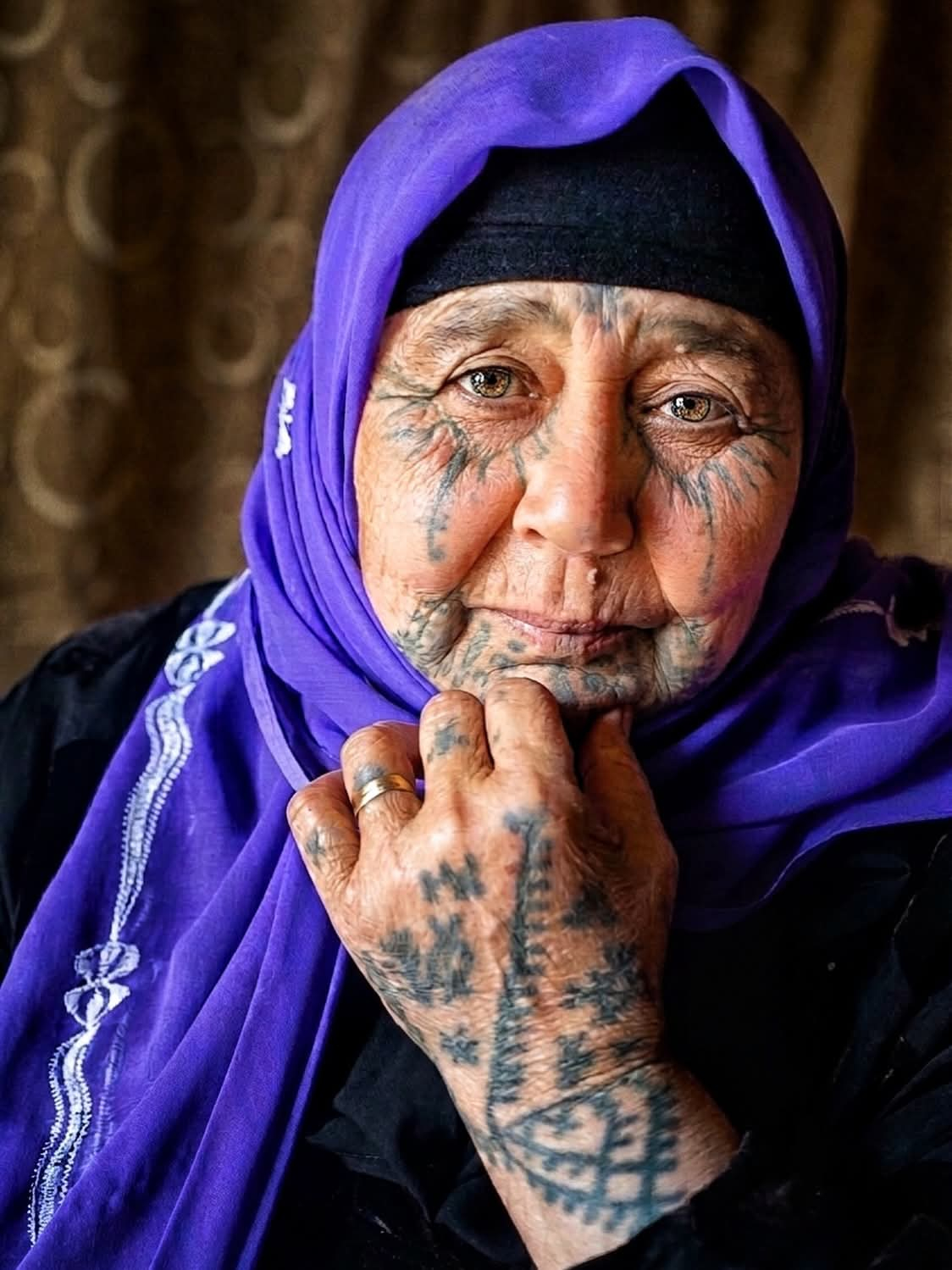
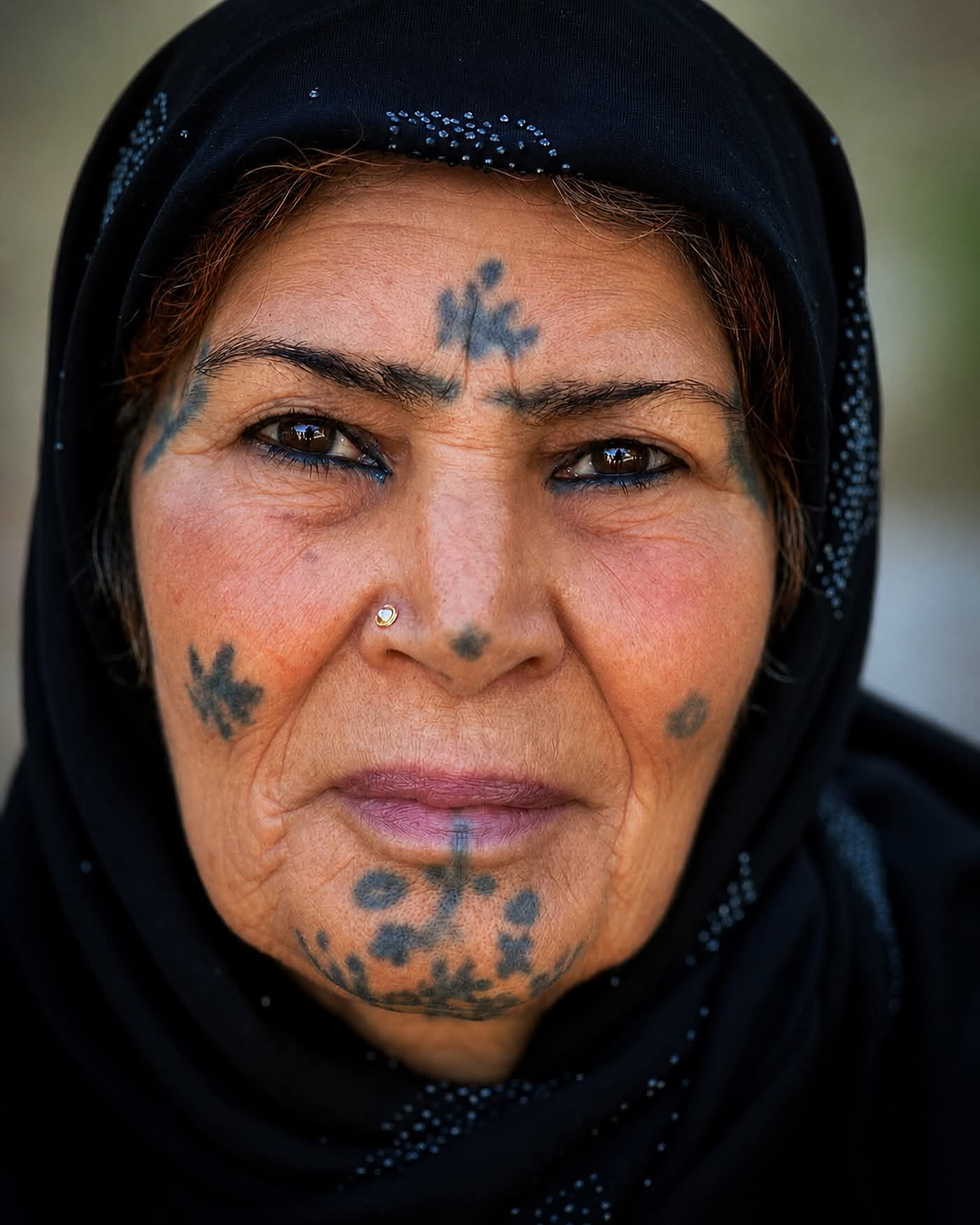
    Tarihin sıfır noktasından ; Kültürel çeşitliliğin yoğun olarak yaşandığı bir coğrafya olan Mezopotamya, tarih boyunca birçok medeniyete ev sahipliği yapmış ve farklı toplumların etkileşim içinde yaşadığı önemli bir bölge olmuştur.

    Bu çok katmanlı yapı, günümüzde de Deq kültürü gibi kadim geleneklerde yaşamaya devam etmektedir. Özellikle beden sanatını, kimlik aktarımını ve toplumsal hafızayı yansıtan Deq kültürü, Mezopotamya’nın kültürel zenginliğinin önemli bir parçası olarak değerlendirilmektedir.

    #deq #kültür #tarih #kulturelmiras
    Urfa Türkiye 📍Tarihin sıfır noktasından ; Kültürel çeşitliliğin yoğun olarak yaşandığı bir coğrafya olan Mezopotamya, tarih boyunca birçok medeniyete ev sahipliği yapmış ve farklı toplumların etkileşim içinde yaşadığı önemli bir bölge olmuştur. Bu çok katmanlı yapı, günümüzde de Deq kültürü gibi kadim geleneklerde yaşamaya devam etmektedir. Özellikle beden sanatını, kimlik aktarımını ve toplumsal hafızayı yansıtan Deq kültürü, Mezopotamya’nın kültürel zenginliğinin önemli bir parçası olarak değerlendirilmektedir. #deq #kültür #tarih #kulturelmiras
    0 Comments 0 Shares
  • The triplets of Palestinian mother Nuzha Awad face the threat of death from malnutrition and inadequate medical care, amidst Israel’s ongoing assault and blockade on the Gaza enclave.

    After her house was destroyed by an Israeli airstrike, the mother sought refuge near Al Shifa hospital with her babies. However, they were forced to flee once again to Nuseirat camp in central Gaza following Israeli forces’ siege and subsequent attacks on the hospital.

    The triplets– Malak, Khader and Mustafa Awad – are struggling to survive under exceedingly harsh humanitarian conditions. Israel’s continued blockade and onslaught of Gaza has plunged the enclave into severe food scarcity. One in three children in the region are acutely malnourished, and at least two in every 10,000 people are dying every day of starvation or malnutrition.
    The triplets of Palestinian mother Nuzha Awad face the threat of death from malnutrition and inadequate medical care, amidst Israel’s ongoing assault and blockade on the Gaza enclave. After her house was destroyed by an Israeli airstrike, the mother sought refuge near Al Shifa hospital with her babies. However, they were forced to flee once again to Nuseirat camp in central Gaza following Israeli forces’ siege and subsequent attacks on the hospital. The triplets– Malak, Khader and Mustafa Awad – are struggling to survive under exceedingly harsh humanitarian conditions. Israel’s continued blockade and onslaught of Gaza has plunged the enclave into severe food scarcity. One in three children in the region are acutely malnourished, and at least two in every 10,000 people are dying every day of starvation or malnutrition.
    0 Comments 0 Shares
  • "Mothers should be wrapping their arms around their children. Those children should not be wrapped in a body bag."

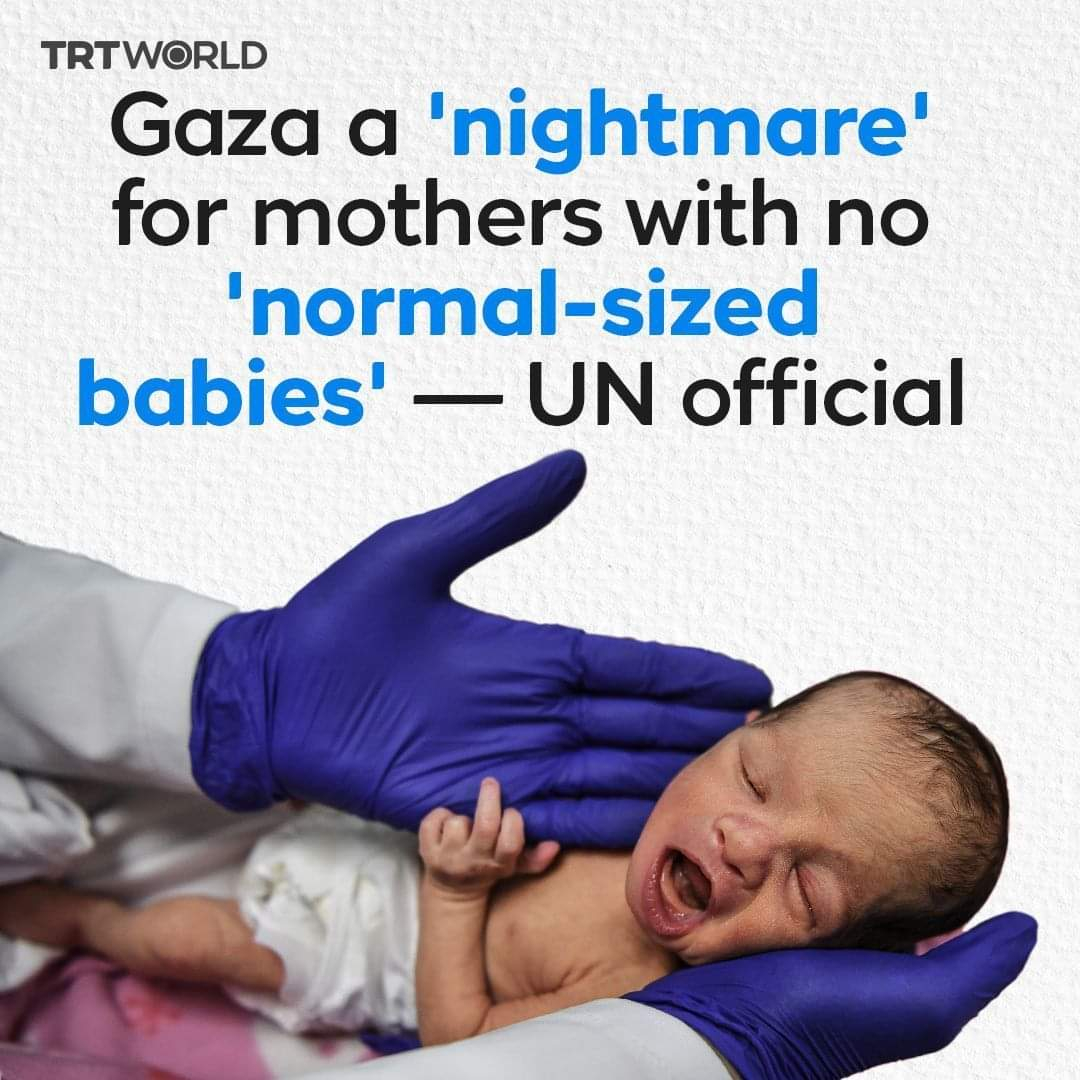
    The humanitarian situation in Palestine’s besieged Gaza is a complete "nightmare" for mothers and babies, with doctors reporting small and sickly newborns, stillbirths and women forced to undergo C-sections without adequate anaesthesia, a UN official has said.

    "I'm personally leaving Gaza this week terrified for the one million women and girls of Gaza ... and most especially for the 180 women who are giving birth every single day," Dominic Allen, UN Population Fund representative for Palestine, said on March 15.

    "Doctors are reporting that they no longer see normal-sized babies," Allen said after visiting hospitals in northern Gaza. "What they do see, though, tragically, is more stillborn births ... and more neonatal deaths, caused in part by malnutrition, dehydration and complications."

    The numbers of complicated deliveries are roughly twice what they were before Israel launched its war — with mothers stressed, fearful, underfed and exhausted — and caregivers often lacking necessary supplies.

    "It's a nightmare which is much more than a humanitarian crisis," he said. "It is a crisis of humanity ... beyond catastrophic."
    "Mothers should be wrapping their arms around their children. Those children should not be wrapped in a body bag." The humanitarian situation in Palestine’s besieged Gaza is a complete "nightmare" for mothers and babies, with doctors reporting small and sickly newborns, stillbirths and women forced to undergo C-sections without adequate anaesthesia, a UN official has said. "I'm personally leaving Gaza this week terrified for the one million women and girls of Gaza ... and most especially for the 180 women who are giving birth every single day," Dominic Allen, UN Population Fund representative for Palestine, said on March 15. "Doctors are reporting that they no longer see normal-sized babies," Allen said after visiting hospitals in northern Gaza. "What they do see, though, tragically, is more stillborn births ... and more neonatal deaths, caused in part by malnutrition, dehydration and complications." The numbers of complicated deliveries are roughly twice what they were before Israel launched its war — with mothers stressed, fearful, underfed and exhausted — and caregivers often lacking necessary supplies. "It's a nightmare which is much more than a humanitarian crisis," he said. "It is a crisis of humanity ... beyond catastrophic."
    0 Comments 0 Shares
  • Poor weather conditions in Gaza’s Rafah have worsened the suffering of the displaced Palestinian families who were forced from their homes and are now sheltering in overcrowded tents.

    Very few families have proper tents, with many left to make do with tarpaulin or thin, transparent plastic, neither of which can adequately protect people and their belongings from strong winds, downpours or floods.

    Israel’s ongoing offensive has left 85 percent of Gaza’s population internally displaced amid acute shortages of food, clean water and medicine, while 60 percent of the enclave’s infrastructure has been damaged or destroyed, according to the UN.
    Poor weather conditions in Gaza’s Rafah have worsened the suffering of the displaced Palestinian families who were forced from their homes and are now sheltering in overcrowded tents. Very few families have proper tents, with many left to make do with tarpaulin or thin, transparent plastic, neither of which can adequately protect people and their belongings from strong winds, downpours or floods. Israel’s ongoing offensive has left 85 percent of Gaza’s population internally displaced amid acute shortages of food, clean water and medicine, while 60 percent of the enclave’s infrastructure has been damaged or destroyed, according to the UN.
    0 Comments 0 Shares
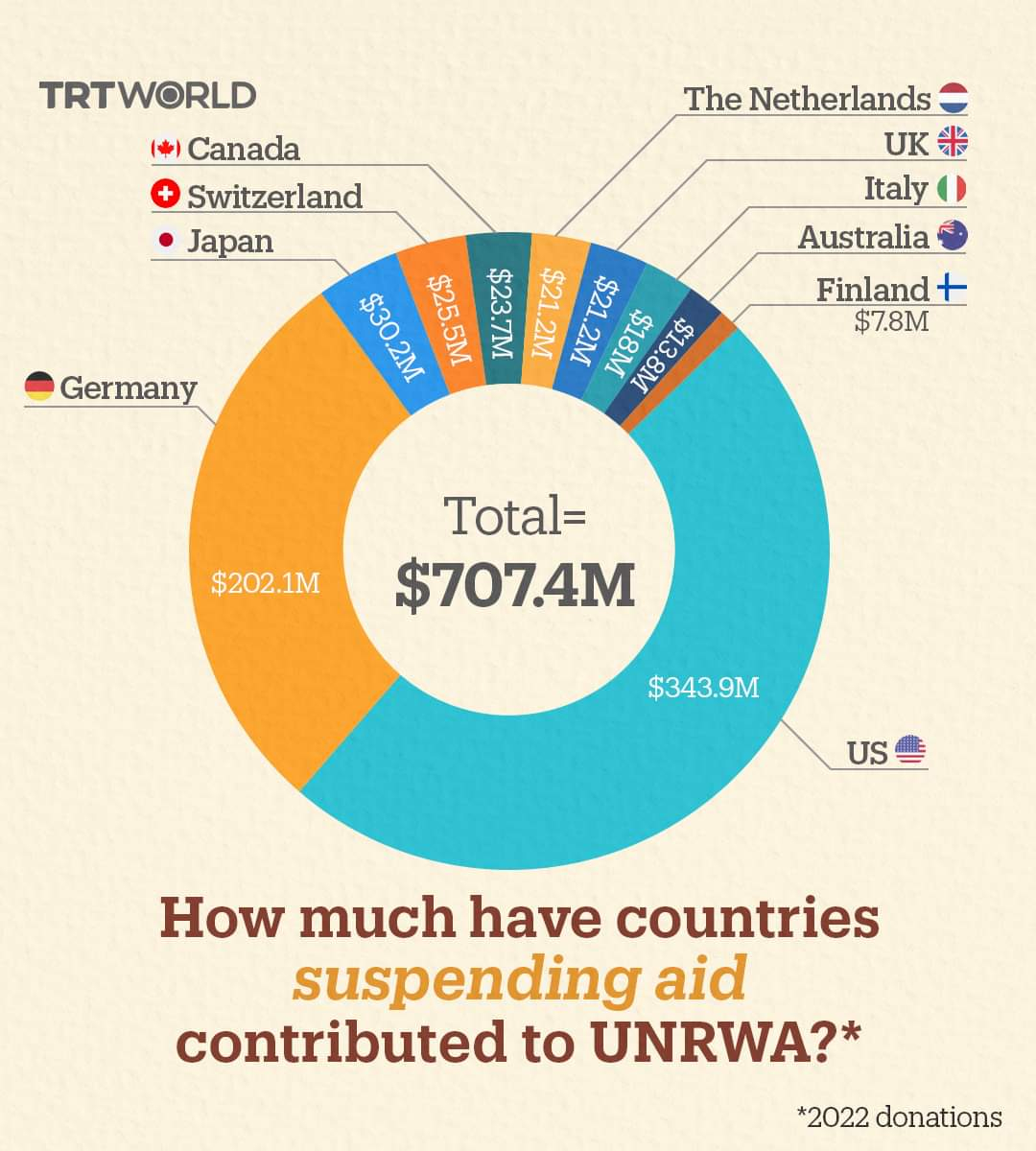
  • Nine countries have paused funding for the UN relief agency for Palestinians (UNRWA) following Israeli allegations that some of its staff were involved in Hamas’s October 7 attacks.

    The US, Britain, Germany, Japan, Australia, Canada, Italy, the Netherlands, Switzerland and Finland have halted funding to the aid agency, a critical source of humanitarian support for over a million displaced people in Palestine’s besieged Gaza suffering from a lack of food, water, medicine and adequate shelter due to Israel’s relentless strikes and ongoing blockade.

    UNRWA addressed the allegations by stating that it had fired several employees over the accusations, promising a thorough investigation into Israel’s claims.
    The Palestinian Foreign Ministry denounced the decision of the key donor countries, calling it a “collective punishment” of the Palestinian people that revealed “miserable double standards”.

    Encouraging more donor suspensions, Israeli Foreign Minister Israel Katz said UNRWA should be replaced once fighting in the enclave dies down and accused it of having ties with the Palestinian resistance group Hamas in Gaza.

    Amid Israel’s ongoing war on Gaza, UNRWA has played a key role in providing aid and shelter to displaced Palestinians through its 700 schools across the enclave.
    UNRWA was initially set up to help refugees of the 1948 Nakba, when over 700,000 Palestinians were violently expelled from their homes during the founding of the State of Israel, and now employs tens of thousands of people, providing education, health and aid services to Palestinians in Gaza, the occupied West Bank, Jordan, Syria and Lebanon.
    Nine countries have paused funding for the UN relief agency for Palestinians (UNRWA) following Israeli allegations that some of its staff were involved in Hamas’s October 7 attacks. The US, Britain, Germany, Japan, Australia, Canada, Italy, the Netherlands, Switzerland and Finland have halted funding to the aid agency, a critical source of humanitarian support for over a million displaced people in Palestine’s besieged Gaza suffering from a lack of food, water, medicine and adequate shelter due to Israel’s relentless strikes and ongoing blockade. UNRWA addressed the allegations by stating that it had fired several employees over the accusations, promising a thorough investigation into Israel’s claims. The Palestinian Foreign Ministry denounced the decision of the key donor countries, calling it a “collective punishment” of the Palestinian people that revealed “miserable double standards”. Encouraging more donor suspensions, Israeli Foreign Minister Israel Katz said UNRWA should be replaced once fighting in the enclave dies down and accused it of having ties with the Palestinian resistance group Hamas in Gaza. Amid Israel’s ongoing war on Gaza, UNRWA has played a key role in providing aid and shelter to displaced Palestinians through its 700 schools across the enclave. UNRWA was initially set up to help refugees of the 1948 Nakba, when over 700,000 Palestinians were violently expelled from their homes during the founding of the State of Israel, and now employs tens of thousands of people, providing education, health and aid services to Palestinians in Gaza, the occupied West Bank, Jordan, Syria and Lebanon.
    0 Comments 0 Shares
  • Faysal Camii ( Faisal Mosque )

    Konum: İslamabad / Pakistan
    Yapım Tarihi: 1976 / 1986
    Mimar: Vedat Dalokay

    Faysal Camii, Pakistan’ın başkenti İslamabad’da yer alıyor. Margalla Tepeleri'nin eteklerine kurulmuş olan bu ulusal cami, dünyanın en büyük camilerden biri olarak biliniyor. Faysal Camii, ismini Suudi Arabistan'ın eski Kralı Faysal'dan alıyor.

    Ünlü Türk mimar Vedat Dalokay'ın farklı tasarımı, 1969 yılında düzenlenen uluslararası bir yarışma sonucunda seçiliyor. Yarışmada 43 farklı ülkeden gelen 17 proje arasından, Dalokay'ın tasarımı Pakistan Hükümeti tarafından ödüllendiriliyor. Caminin inşaatı, Suudi Kralı Faysal'ın 28 milyon dolarlık bağışının ardından 1976 yılında başlıyor. Geleneksel kubbelerden farklı olarak, beton kabuklardan oluşan modern bir tasarıma sahip olan bu cami Bedevi çadırını andıran bir şekilde tasarlanıyor ve dört adet 260 fit (79 m) yüksekliğinde minareyle çevriliyor. Tasarımda, 10.000 kişinin ibadet edebileceği üçgen bir ibadet salonunu oluşturan sekiz kenarlı, eğimli kabuk şeklinde çatılar bulunuyor.

    Binanın temel yapısı, dört beton kiriş tarafından desteklenen ana ibadet alanını içeriyor. Caminin dört sıra dışı minaresi, Türk mimarisinden ilham alınarak tasarlanıyor. Mimar Vedat Dalokay, bu mescidin tasarımının Kabe'yi soyut bir şekilde temsil ettiğine inanıyor. Giriş doğuya yönelik ve ibadet alanının önünde revaklı bir avlu bulunuyor. Cami, kütüphane, konferans salonu, müze ve kafe gibi mekanları içeriyor. Çadır şeklindeki ana ibadet alanı beyaz mermerle kaplı, ünlü Pakistanlı sanatçı Sadequain'in mozaikleri ve Türk tarzı avizesi ile süsleniyor.

    Kıble Duvarı, Türk sanatçısı Mengü Ertel'in tasarladığı mavi beyaz kaligrafik çinilerle kaplanıyor. Caminin içinde Türk ve Pakistan esintileri görülüyor. Cami, tasarımında çağdaş ve klasik İslam mimarisini birleştirerek alışılmadık bir yolu benimsiyor. Bu eşsiz tasarım, öğelerinin birçoğunu Bedevi çadırından alsa da, Osmanlı tarzı minareler ve Kabe'nin kare şeklini kullanarak İslam mimarisiyle uyumu korumayı başarıyor.

    Fotoğraflar: AA / Wikipedia

    #arkitekt #architecture #faisalmosque #faysalcami #mosque #pakistan #vedatdolakay
    Faysal Camii ( Faisal Mosque ) Konum: İslamabad / Pakistan Yapım Tarihi: 1976 / 1986 Mimar: Vedat Dalokay Faysal Camii, Pakistan’ın başkenti İslamabad’da yer alıyor. Margalla Tepeleri'nin eteklerine kurulmuş olan bu ulusal cami, dünyanın en büyük camilerden biri olarak biliniyor. Faysal Camii, ismini Suudi Arabistan'ın eski Kralı Faysal'dan alıyor. Ünlü Türk mimar Vedat Dalokay'ın farklı tasarımı, 1969 yılında düzenlenen uluslararası bir yarışma sonucunda seçiliyor. Yarışmada 43 farklı ülkeden gelen 17 proje arasından, Dalokay'ın tasarımı Pakistan Hükümeti tarafından ödüllendiriliyor. Caminin inşaatı, Suudi Kralı Faysal'ın 28 milyon dolarlık bağışının ardından 1976 yılında başlıyor. Geleneksel kubbelerden farklı olarak, beton kabuklardan oluşan modern bir tasarıma sahip olan bu cami Bedevi çadırını andıran bir şekilde tasarlanıyor ve dört adet 260 fit (79 m) yüksekliğinde minareyle çevriliyor. Tasarımda, 10.000 kişinin ibadet edebileceği üçgen bir ibadet salonunu oluşturan sekiz kenarlı, eğimli kabuk şeklinde çatılar bulunuyor. Binanın temel yapısı, dört beton kiriş tarafından desteklenen ana ibadet alanını içeriyor. Caminin dört sıra dışı minaresi, Türk mimarisinden ilham alınarak tasarlanıyor. Mimar Vedat Dalokay, bu mescidin tasarımının Kabe'yi soyut bir şekilde temsil ettiğine inanıyor. Giriş doğuya yönelik ve ibadet alanının önünde revaklı bir avlu bulunuyor. Cami, kütüphane, konferans salonu, müze ve kafe gibi mekanları içeriyor. Çadır şeklindeki ana ibadet alanı beyaz mermerle kaplı, ünlü Pakistanlı sanatçı Sadequain'in mozaikleri ve Türk tarzı avizesi ile süsleniyor. Kıble Duvarı, Türk sanatçısı Mengü Ertel'in tasarladığı mavi beyaz kaligrafik çinilerle kaplanıyor. Caminin içinde Türk ve Pakistan esintileri görülüyor. Cami, tasarımında çağdaş ve klasik İslam mimarisini birleştirerek alışılmadık bir yolu benimsiyor. Bu eşsiz tasarım, öğelerinin birçoğunu Bedevi çadırından alsa da, Osmanlı tarzı minareler ve Kabe'nin kare şeklini kullanarak İslam mimarisiyle uyumu korumayı başarıyor. Fotoğraflar: AA / Wikipedia #arkitekt #architecture #faisalmosque #faysalcami #mosque #pakistan #vedatdolakay
    0 Comments 0 Shares
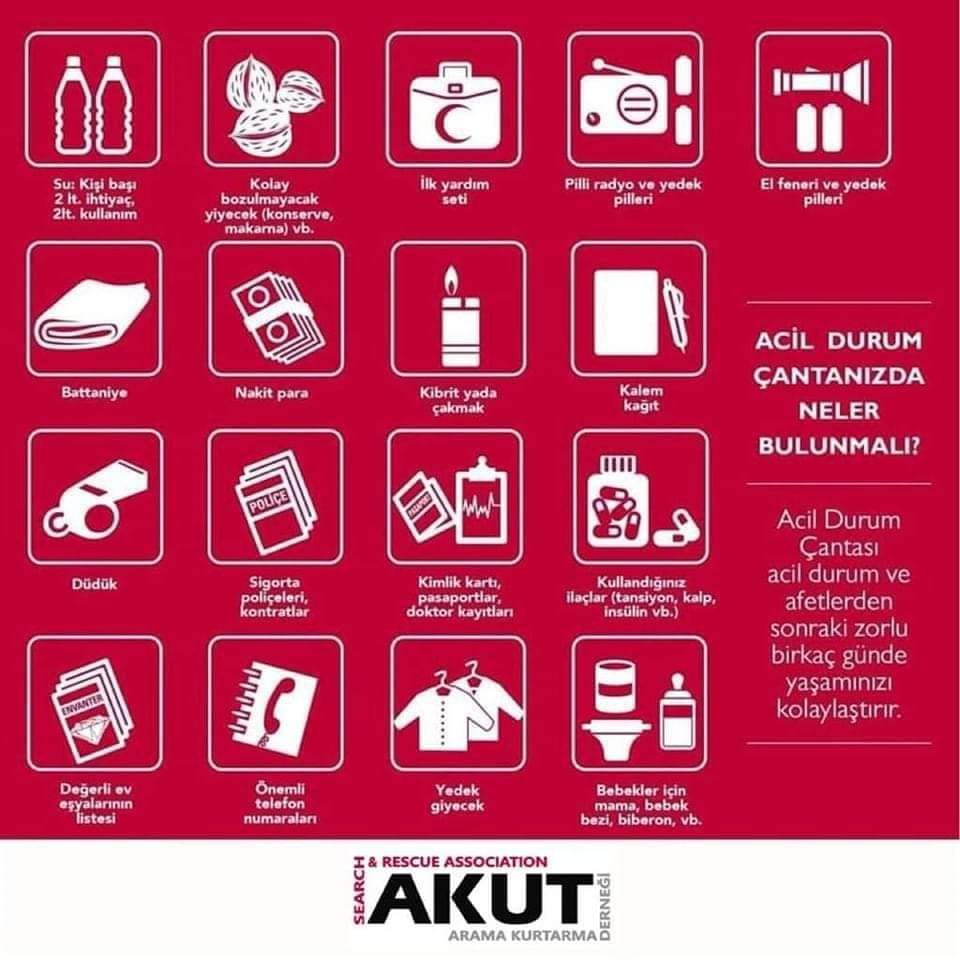
  • AFET ÇANTASINDA NELER OLMALI?

    AFAD'ın sitesinde yer alan Afet ve Acil Durum Çantası'nın içerisinde neler olması gerektiği ise başlıklar halinde şu şekilde sıralanıyor:

    Afet ve Acil Durum Çantasının İçerisinde Neler Olmalı?

    *Gıda

    >> Yüksek kalorili, vitamin ve karbonhidrat içeren, su kaybını önleyen ve dayanıklı (çabuk bozulmayan) gıdalar (Konserve, kuru meyveler, tahin–pekmez, meyve suyu, vb.).

    *Önemli belge fotokopileri

    >> Kimlik kartları (nüfus cüzdanı, ehliyet vb.)

    >> Tapu, sigorta, ruhsat belgeleri

    >> Zorunlu Deprem Poliçesi

    >> Diplomalar

    >> Pasaport, banka cüzdanı vb.

    >> Diğer (evcil hayvan sağlık karnesi, vb.)

    Giyecekler

    >> İç çamaşırı

    >> Çorap

    >> Yağmurluk

    >> İklime uygun giysiler

    *Su

    Her bir aile üyesi düşünülerek yeterli içme suyu alınmalı.

    *Hijyen malzemeler

    >> Sabun ve Dezenfektanlar

    >> Diş fırçası ve macunu

    >> Islak mendil

    >> Tuvalet kâğıdı

    >> Hijyenik ped

    *Diğer malzemeler

    >> İlk yardım çantası

    >> Uyku tulumu veya battaniye

    >> Çakı, düdük, küçük makas

    >> Kâğıt, kalem

    >> Pilli radyo, el feneri ve yedek piller (dayanıklı/uzun ömürlü pil seçilmeli)

    WHAT SHOULD BE IN THE DISASTER BAG?

    What should be in the Disaster and Emergency Bag on the website of AFAD is listed under the headings as follows:

    What Should Be Inside the Disaster and Emergency Bag?

    *Food

    >> Foods that contain high calories, vitamins and carbohydrates, prevent water loss and are durable (not perishable) (Canned, dried fruits, tahini-molasses, fruit juice, etc.).

    *Copy of important documents

    >> Identity cards (ID card, driver's license, etc.)

    >> Title deed, insurance, license documents

    >> Mandatory Earthquake Policy

    >> Diplomas

    >> Passport, bank wallet etc.

    >> Other (pet health card, etc.)

    clothes

    >> Underwear

    >> Socks

    >> Raincoat

    >> Clothing suitable for the climate

    *This

    Adequate drinking water should be taken with each family member in mind.

    *Hygiene materials

    >> Soap and Disinfectants

    >> Toothbrush and paste

    >> Wet wipes

    >> Toilet paper

    >> sanitary pad

    *Other materials

    >> First aid kit

    >> Sleeping bag or blanket

    >> Pocket knife, whistle, small scissors

    >> Paper, pencil

    >> Battery-powered radio, flashlight and spare batteries (durable/long-life batteries should be selected)
    AFET ÇANTASINDA NELER OLMALI? AFAD'ın sitesinde yer alan Afet ve Acil Durum Çantası'nın içerisinde neler olması gerektiği ise başlıklar halinde şu şekilde sıralanıyor: Afet ve Acil Durum Çantasının İçerisinde Neler Olmalı? *Gıda >> Yüksek kalorili, vitamin ve karbonhidrat içeren, su kaybını önleyen ve dayanıklı (çabuk bozulmayan) gıdalar (Konserve, kuru meyveler, tahin–pekmez, meyve suyu, vb.). *Önemli belge fotokopileri >> Kimlik kartları (nüfus cüzdanı, ehliyet vb.) >> Tapu, sigorta, ruhsat belgeleri >> Zorunlu Deprem Poliçesi >> Diplomalar >> Pasaport, banka cüzdanı vb. >> Diğer (evcil hayvan sağlık karnesi, vb.) Giyecekler >> İç çamaşırı >> Çorap >> Yağmurluk >> İklime uygun giysiler *Su Her bir aile üyesi düşünülerek yeterli içme suyu alınmalı. *Hijyen malzemeler >> Sabun ve Dezenfektanlar >> Diş fırçası ve macunu >> Islak mendil >> Tuvalet kâğıdı >> Hijyenik ped *Diğer malzemeler >> İlk yardım çantası >> Uyku tulumu veya battaniye >> Çakı, düdük, küçük makas >> Kâğıt, kalem >> Pilli radyo, el feneri ve yedek piller (dayanıklı/uzun ömürlü pil seçilmeli) WHAT SHOULD BE IN THE DISASTER BAG? What should be in the Disaster and Emergency Bag on the website of AFAD is listed under the headings as follows: What Should Be Inside the Disaster and Emergency Bag? *Food >> Foods that contain high calories, vitamins and carbohydrates, prevent water loss and are durable (not perishable) (Canned, dried fruits, tahini-molasses, fruit juice, etc.). *Copy of important documents >> Identity cards (ID card, driver's license, etc.) >> Title deed, insurance, license documents >> Mandatory Earthquake Policy >> Diplomas >> Passport, bank wallet etc. >> Other (pet health card, etc.) clothes >> Underwear >> Socks >> Raincoat >> Clothing suitable for the climate *This Adequate drinking water should be taken with each family member in mind. *Hygiene materials >> Soap and Disinfectants >> Toothbrush and paste >> Wet wipes >> Toilet paper >> sanitary pad *Other materials >> First aid kit >> Sleeping bag or blanket >> Pocket knife, whistle, small scissors >> Paper, pencil >> Battery-powered radio, flashlight and spare batteries (durable/long-life batteries should be selected)
    0 Comments 0 Shares
  • Indeed, in the creation of the heavens and the earth; the alternation of the day and the night; the ships that sail the sea for the benefit of humanity; the rain sent down by Allah from the skies, reviving the earth after its death; the scattering of all kinds of creatures throughout; the shifting of the winds; and the clouds drifting between the heavens and the earth ˹in all of this˺ are surely signs for people of understanding.{Quran 2_164}
    From the moment man opens his eyes to this world a great order surrounds him. He needs oxygen to survive, it is interesting that the atmosphere of the planet on which he lives provides more than just the adequate amount of oxygen he needs. This way, he breathes without difficulty. For the existence of life on this planet, the existence of a source of heat is essential. In response to this need, the sun is located at just the right distance to emit the exact amount of heat and energy human life needs. Man needs nourishment to survive; every corner of the world abounds in astonishingly diversified provisions. Likewise, man needs water; surprisingly, three-fourths of the planet is covered with water. Man needs shelter; in this world of ours, there is land on which it is suitable to build and all sorts of materials with which to make shelters.
    These are only a few among billions of details making life possible on earth. In brief, man lives on a planet perfectly designed for his survival. This is certainly a planet “created for human beings”, as God said in the Quran:
    “Do you not see that God has subjected for you all that is in the Heavens and all that is on the Earth, and has completed and perfected His Bounties upon you, [both] apparent and hidden?...” (Quran 31:20)
    Indeed, in the creation of the heavens and the earth; the alternation of the day and the night; the ships that sail the sea for the benefit of humanity; the rain sent down by Allah from the skies, reviving the earth after its death; the scattering of all kinds of creatures throughout; the shifting of the winds; and the clouds drifting between the heavens and the earth ˹in all of this˺ are surely signs for people of understanding.{Quran 2_164} From the moment man opens his eyes to this world a great order surrounds him. He needs oxygen to survive, it is interesting that the atmosphere of the planet on which he lives provides more than just the adequate amount of oxygen he needs. This way, he breathes without difficulty. For the existence of life on this planet, the existence of a source of heat is essential. In response to this need, the sun is located at just the right distance to emit the exact amount of heat and energy human life needs. Man needs nourishment to survive; every corner of the world abounds in astonishingly diversified provisions. Likewise, man needs water; surprisingly, three-fourths of the planet is covered with water. Man needs shelter; in this world of ours, there is land on which it is suitable to build and all sorts of materials with which to make shelters. These are only a few among billions of details making life possible on earth. In brief, man lives on a planet perfectly designed for his survival. This is certainly a planet “created for human beings”, as God said in the Quran: “Do you not see that God has subjected for you all that is in the Heavens and all that is on the Earth, and has completed and perfected His Bounties upon you, [both] apparent and hidden?...” (Quran 31:20)
    0 Comments 0 Shares