• Türkiye and Saudi Arabia reach a historic milestone in transportation and logistics relations by signing memorandum of understanding agreements in transport and railway fields

    This is the route to unfold; once built between 1900 and 1908 to connect Damascus and Medina with additional lines, it now rises again to be reborn in its contemporary form. Here is the modern Hejaz
    📍Türkiye and Saudi Arabia reach a historic milestone in transportation and logistics relations by signing memorandum of understanding agreements in transport and railway fields This is the route to unfold; once built between 1900 and 1908 to connect Damascus and Medina with additional lines, it now rises again to be reborn in its contemporary form. Here is the modern Hejaz ⤵️
    0 Commenti 0 condivisioni
  • A Historic Move After 125 Years!

    The Hejaz Railway, first launched by Sultan Abdul Hamid II in 1900 to connect Istanbul to Mecca and Medina, is being revived after 125 years!

    Türkiye, Jordan, and Syria have signed a protocol for reconstruction. A separate protocol with Saudi Arabia will follow soon.

    The new line will stretch from Istanbul → Damascus → Amman → Medina, aiming to provide safe, affordable travel for pilgrims and boost international trade.

    Originally completed in 1908, the railway was disrupted during World War I, but now it will return as a modern link of faith, history, and commerce.

    #HejazRailway #History #OttomanEmpire #AbdulHamidII #Pilgrimage #FaithAndTrade #Turkey #Jordan #Syria #SaudiArabia
    A Historic Move After 125 Years! 🚂✨ The Hejaz Railway, first launched by Sultan Abdul Hamid II in 1900 to connect Istanbul to Mecca and Medina, is being revived after 125 years! 🇹🇷 Türkiye, 🇯🇴 Jordan, and 🇸🇾 Syria have signed a protocol for reconstruction. A separate protocol with Saudi Arabia will follow soon. The new line will stretch from Istanbul → Damascus → Amman → Medina, aiming to provide safe, affordable travel for pilgrims and boost international trade. 🕌 Originally completed in 1908, the railway was disrupted during World War I, but now it will return as a modern link of faith, history, and commerce. #HejazRailway #History #OttomanEmpire #AbdulHamidII #Pilgrimage #FaithAndTrade #Turkey #Jordan #Syria #SaudiArabia
    1
    0 Commenti 0 condivisioni
  • OSMANLI MACUNU, the Turkish lollipop

    Osmanlı macunu is a traditional Turkish confectionery that has been part of Turkish culture since the Ottoman period. It is typically made from a mixture of natural ingredients such as saffron, rose water, Damascus rose oil, musk, ginger, cardamom, cinnamon, among others. This mixture is highly valued for its health benefits and delicious taste. During the Ottoman era, it was often served as a luxurious treat, and it remains popular among traditional sweets today. Have you had a chance to taste it?

    #best0fturkiye #toffee #turkishfood #lollipopcandy #foodies #videooftheday #sweetlover #reelsinstagram #coffeetime #foodiesofinstagram #foodie #foodpics #yummilicious #sweetlovers #reelsfb #foodphotography #yummi #reelsvideo #sweet #foodforlife #foodstyling #reels #foodlovers #foodstagram #foodart #yummyinmytummy #yummyfood #yumminess #yummyyummy #yummies
    OSMANLI MACUNU, the Turkish lollipop 😋🍭 Osmanlı macunu is a traditional Turkish confectionery that has been part of Turkish culture since the Ottoman period. It is typically made from a mixture of natural ingredients such as saffron, rose water, Damascus rose oil, musk, ginger, cardamom, cinnamon, among others. This mixture is highly valued for its health benefits and delicious taste. During the Ottoman era, it was often served as a luxurious treat, and it remains popular among traditional sweets today. Have you had a chance to taste it? 😋 #best0fturkiye 🇹🇷 #toffee #turkishfood #lollipopcandy #foodies #videooftheday #sweetlover #reelsinstagram #coffeetime #foodiesofinstagram #foodie #foodpics #yummilicious #sweetlovers #reelsfb #foodphotography #yummi #reelsvideo #sweet #foodforlife #foodstyling #reels #foodlovers #foodstagram #foodart #yummyinmytummy #yummyfood #yumminess #yummyyummy #yummies
    0 Commenti 0 condivisioni
  • Soldiers and dignitaries after leaving Damascus, Syria, for the Hajj seen carrying the Mahmal (the Holy Carpet) or the emblem of the Ottoman Emperor.

    ca. 1903.
    Soldiers and dignitaries after leaving Damascus, Syria, for the Hajj seen carrying the Mahmal (the Holy Carpet) or the emblem of the Ottoman Emperor. ca. 1903.
    0 Commenti 0 condivisioni
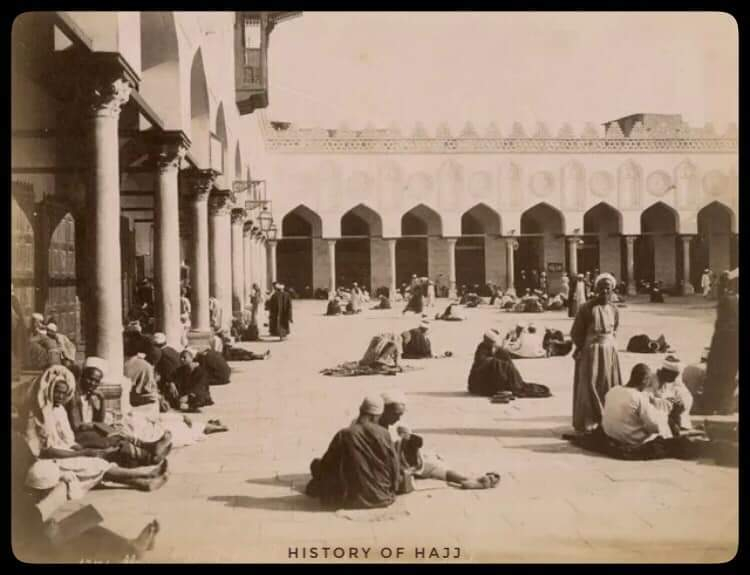
  • Al-Azhar University was founded in 970 or 972 by the Fatimid Caliphate, is the chief center of Arabic literature and Islamic learning worldwide.

    By the mid-19th century, al-Azhar was considered the capital of Sunni legal expertise, a main center of power in the Islamic world, and a rival to Damascus, Mekkah, and Baghdad.

    Below is a rare late-19th-century photo of Al Azhar University in Cairo, where students and teachers are seen engaged in study and discussion.
    Al-Azhar University was founded in 970 or 972 by the Fatimid Caliphate, is the chief center of Arabic literature and Islamic learning worldwide. By the mid-19th century, al-Azhar was considered the capital of Sunni legal expertise, a main center of power in the Islamic world, and a rival to Damascus, Mekkah, and Baghdad. Below is a rare late-19th-century photo of Al Azhar University in Cairo, where students and teachers are seen engaged in study and discussion.
    0 Commenti 0 condivisioni
  • The Damascus to Medina section of the Ottoman railway network was initially intended to connect Istanbul and Hejaz, the Islamic holy city of Mecca, but construction was interrupted by World War I, reaching only Medina 400 kilometers short of Mecca. The railway aimed to improve economic and political integration of Arabian provinces into the Ottoman state and facilitate military transportation. The completed Damascus to Medina section was 1,300 kilometers (810 miles) long. The railway was a significant part of the Ottoman Empire's railway network.

    Below is an old photo of the Hejaz railways.
    The Damascus to Medina section of the Ottoman railway network was initially intended to connect Istanbul and Hejaz, the Islamic holy city of Mecca, but construction was interrupted by World War I, reaching only Medina 400 kilometers short of Mecca. The railway aimed to improve economic and political integration of Arabian provinces into the Ottoman state and facilitate military transportation. The completed Damascus to Medina section was 1,300 kilometers (810 miles) long. The railway was a significant part of the Ottoman Empire's railway network. Below is an old photo of the Hejaz railways.
    0 Commenti 0 condivisioni
  • International Coffee Day, October 1

    The first coffee house/shop in the world (Kiva Han) is said to have appeared in Ottoman Istanbul back in 1475 AD during the reign of Sultan Mehmed the Conqueror.

    In the 15th century, Yemenis made a significant discovery: they found that coffee beans from the coffee plant could be roasted, ground, and brewed to create an invigorating beverage. Ethiopians also lay claim to this discovery, but Yemen was the first place where coffee beans were exported from the Red Sea region, and it became closely associated with coffee production in the Ottoman Empire's geographical perception.

    According to Islamic tradition, the initial consumers of this drink were Sufis who aimed to stay awake all night for their religious devotion, known as dhikr, or the act of invoking God. Once the coffee was found, the practice of drinking it quickly spread to the Holy CIty of Makkah.

    Pilgrims returning from Mecca introduced coffee to the cities like Cairo and Damascus. By the mid-16th century, it had made its way to the heart of the Ottoman Empire, Istanbul. From then on, coffee became a widespread phenomenon within the empire, enjoyed by both sultans and the general population.

    During the 17th century, coffeehouses became a common sight in every Ottoman city, and some villages even boasted their own. A 17th-century Ottoman travel writer, Evliya Çelebi, vividly described coffeehouses in major cities, some of which could accommodate up to 1,000 customers at once.

    By the early 18th century, Europeans had successfully introduced coffee plants, which were smuggled out of Ethiopia, to their colonies in the Caribbean Sea. By the end of the century, coffee beans from the Americas began to replace those from Yemen, even in the Ottoman Empire's markets.

    Join our Selâm News
    International Coffee Day, October 1 The first coffee house/shop in the world (Kiva Han) is said to have appeared in Ottoman Istanbul back in 1475 AD during the reign of Sultan Mehmed the Conqueror. In the 15th century, Yemenis made a significant discovery: they found that coffee beans from the coffee plant could be roasted, ground, and brewed to create an invigorating beverage. Ethiopians also lay claim to this discovery, but Yemen was the first place where coffee beans were exported from the Red Sea region, and it became closely associated with coffee production in the Ottoman Empire's geographical perception. According to Islamic tradition, the initial consumers of this drink were Sufis who aimed to stay awake all night for their religious devotion, known as dhikr, or the act of invoking God. Once the coffee was found, the practice of drinking it quickly spread to the Holy CIty of Makkah. Pilgrims returning from Mecca introduced coffee to the cities like Cairo and Damascus. By the mid-16th century, it had made its way to the heart of the Ottoman Empire, Istanbul. From then on, coffee became a widespread phenomenon within the empire, enjoyed by both sultans and the general population. During the 17th century, coffeehouses became a common sight in every Ottoman city, and some villages even boasted their own. A 17th-century Ottoman travel writer, Evliya Çelebi, vividly described coffeehouses in major cities, some of which could accommodate up to 1,000 customers at once. By the early 18th century, Europeans had successfully introduced coffee plants, which were smuggled out of Ethiopia, to their colonies in the Caribbean Sea. By the end of the century, coffee beans from the Americas began to replace those from Yemen, even in the Ottoman Empire's markets. Join our Selâm News
    0 Commenti 0 condivisioni
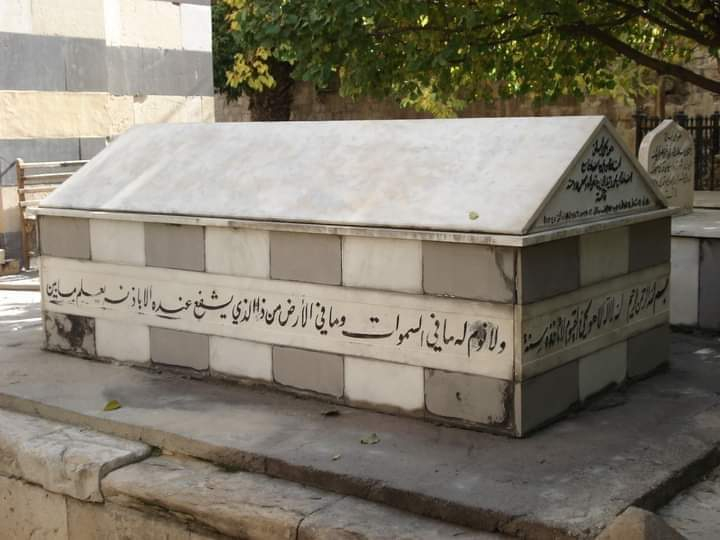
  • 16 May 1926, on this day, last Sultan of the Ottoman Empire Mehmed VI Vahideddin died.

    Mehmed VI Vahideddin (born 14 January 1861) was the 36th and last Sultan of the Ottoman Empire, reigning from 4 July 1918 until 1 November, 1922 when the Ottoman Empire was dissolved after World War I, and was replaced by the Republic of Turkey, on 29 October 1923.

    The brother of Mehmed V, he became heir to the throne in 1916 after the suicide of Abdülaziz's son, Şehzade Yusuf Izzeddin, as the eldest male member of the House of Osman. He acceded to the throne after the death of Mehmed V.

    He was girded with the Sword of Osman on 4 July 1918, as the thirty-sixth padishah. His father was Sultan Abdulmejid I and his mother was Gülüstü Hanım (1830 – 1865.) She was an ethnic Abkhazian, daughter of Prince Tahir Bey Çaçba and his wife Afişe Lakerba, who was originally named Fatma Çaçba. Mehmed stepped down when the Ottoman Sultanate was abolished in 1922, and the Republic of Turkey was created, with Mustafa Kemal Atatürk as the first President.

    Photo- Grave of Ottoman Sultan Mehmed VI Vahideddin in Damascus
    16 May 1926, on this day, last Sultan of the Ottoman Empire Mehmed VI Vahideddin died. Mehmed VI Vahideddin (born 14 January 1861) was the 36th and last Sultan of the Ottoman Empire, reigning from 4 July 1918 until 1 November, 1922 when the Ottoman Empire was dissolved after World War I, and was replaced by the Republic of Turkey, on 29 October 1923. The brother of Mehmed V, he became heir to the throne in 1916 after the suicide of Abdülaziz's son, Şehzade Yusuf Izzeddin, as the eldest male member of the House of Osman. He acceded to the throne after the death of Mehmed V. He was girded with the Sword of Osman on 4 July 1918, as the thirty-sixth padishah. His father was Sultan Abdulmejid I and his mother was Gülüstü Hanım (1830 – 1865.) She was an ethnic Abkhazian, daughter of Prince Tahir Bey Çaçba and his wife Afişe Lakerba, who was originally named Fatma Çaçba. Mehmed stepped down when the Ottoman Sultanate was abolished in 1922, and the Republic of Turkey was created, with Mustafa Kemal Atatürk as the first President. Photo- Grave of Ottoman Sultan Mehmed VI Vahideddin in Damascus
    0 Commenti 0 condivisioni
  • On this day ( 24 August 1516 ) Ottoman Sultan Selim I defeated the Mamluk in the battle of Marj Dabid. With this victory, Syria annexed by the Ottoman after this victory, Aleppo and Damascus both surrendered without a fight ✍🏻
    On this day ( 24 August 1516 ) Ottoman Sultan Selim I defeated the Mamluk in the battle of Marj Dabid. With this victory, Syria annexed by the Ottoman after this victory, Aleppo and Damascus both surrendered without a fight ✍🏻
    0 Commenti 0 condivisioni
  • All of these world-renowned heroes were either Ash’aris or Maturidis (Sunnis) in Creed, Followed one of the four Madhabs (Hanafi, Maliki, Shafi’i, Hanbali), and Adhered to a Sufi tariqah (order).
    Every single one of them.

    Among the Sufis who aided Islam with the sword as well as the pen were:

    “Such men as the Naqshbandi Shaykh Shamil al-Daghestani, who fought a prolonged war against the Russians in the Caucasus in the nineteenth century;

    Darqawi Faqir Al-Hajj Muhammad al-Ahrash, who fought the French in Egypt in 1799;

    Qadiri Shaykh ‘Uthman ibn Fodi, who led j*had in Northern Nigeria from 1804 to 1808 to establish Islamic rule;

    Imam Pangeran Diponegoro,
    The Javanese prince and one of Indonesia’s greatest National Heroes.
    He fought j*had against the Dutch from 1825 to 1830 and followed the Shattariya tariqah;

    Qadiri Shaykh ‘Abd al-Qadir al-Jaza’iri, who led the Algerians against the French from 1832 to 1847;

    Tijani Shaykh al-Hajj ‘Umar Tal, who led Islamic j*had in Guinea, Senegal, and Mali from 1852 to 1864;

    Muridiyyah Shaykh Ahmadu Bamba,
    who struggled against the French colonial rule of Senegal in the late 1800s;

    Sayyid Muhammad ‘Abdullah al-Somali, a Shaykh of the Salihiyya order who led Muslims against the British and Italians in Somalia from 1899 to 1920;

    Qadiri Shaykh Ma’ al-‘Aynayn al-Qalqami, who helped marshal Muslim resistance to the French in northern Mauritania and southern Morocco from 1905 to 1909;

    Senussi Shaykh Omar al-Mukhtar who led the resistance against the Italian colonization of Libya from 1911 to 1931 and also fought against the French colonization of Chad and the British occupation of Egypt;

    Shadhili Shaykh Muhammad al-Hashimi who despite his old age joined the ranks against the French colonization of Syria in 1920.
    He fought alongside many other ‘ulema of Damascus amongst them one of his shaykhs, Shaykh Al-Sharif al-Yaqoubi, who commanded a division of 500 people.”

    - Reliance of the Traveller -

    Tasawwuf did not prevent them from serving Islam in any way they could.
    All of these world-renowned heroes were either Ash’aris or Maturidis (Sunnis) in Creed, Followed one of the four Madhabs (Hanafi, Maliki, Shafi’i, Hanbali), and Adhered to a Sufi tariqah (order). Every single one of them. Among the Sufis who aided Islam with the sword as well as the pen were: “Such men as the Naqshbandi Shaykh Shamil al-Daghestani, who fought a prolonged war against the Russians in the Caucasus in the nineteenth century; Darqawi Faqir Al-Hajj Muhammad al-Ahrash, who fought the French in Egypt in 1799; Qadiri Shaykh ‘Uthman ibn Fodi, who led j*had in Northern Nigeria from 1804 to 1808 to establish Islamic rule; Imam Pangeran Diponegoro, The Javanese prince and one of Indonesia’s greatest National Heroes. He fought j*had against the Dutch from 1825 to 1830 and followed the Shattariya tariqah; Qadiri Shaykh ‘Abd al-Qadir al-Jaza’iri, who led the Algerians against the French from 1832 to 1847; Tijani Shaykh al-Hajj ‘Umar Tal, who led Islamic j*had in Guinea, Senegal, and Mali from 1852 to 1864; Muridiyyah Shaykh Ahmadu Bamba, who struggled against the French colonial rule of Senegal in the late 1800s; Sayyid Muhammad ‘Abdullah al-Somali, a Shaykh of the Salihiyya order who led Muslims against the British and Italians in Somalia from 1899 to 1920; Qadiri Shaykh Ma’ al-‘Aynayn al-Qalqami, who helped marshal Muslim resistance to the French in northern Mauritania and southern Morocco from 1905 to 1909; Senussi Shaykh Omar al-Mukhtar who led the resistance against the Italian colonization of Libya from 1911 to 1931 and also fought against the French colonization of Chad and the British occupation of Egypt; Shadhili Shaykh Muhammad al-Hashimi who despite his old age joined the ranks against the French colonization of Syria in 1920. He fought alongside many other ‘ulema of Damascus amongst them one of his shaykhs, Shaykh Al-Sharif al-Yaqoubi, who commanded a division of 500 people.” - Reliance of the Traveller - Tasawwuf did not prevent them from serving Islam in any way they could.
    0 Commenti 0 condivisioni
Pagine in Evidenza