• Turkey’s Population Growth in 2025
    In 2025, Turkey’s population grew by 427,224 people compared to the previous year, reaching a total of 86,092,168 residents.
    This steady rise reflects ongoing demographic momentum shaped by natural growth and social dynamics across the country.

    #fblifestyle
    #Turkey #PopulationGrowth #Demographics #Statistics #2025Data #GlobalTrends #DataUpdate
    Turkey’s Population Growth in 2025🇹🇷📈 In 2025, Turkey’s population grew by 427,224 people compared to the previous year, reaching a total of 86,092,168 residents. This steady rise reflects ongoing demographic momentum shaped by natural growth and social dynamics across the country. 🌍✨ #fblifestyle #Turkey #PopulationGrowth #Demographics #Statistics #2025Data #GlobalTrends #DataUpdate
    0 Commentaires 0 parts
  • Turkey’s Economic Journey: From Crisis to Trillion-Dollar Growth

    From $256B in 1999 to over $1.4T in 2025, Turkey’s GDP story reflects resilience, reform, global challenges, and strong post-pandemic momentum.
    A dynamic transformation shaped by industry, trade, infrastructure, and a young workforce.

    Swipe through the infographic to see how the numbers evolved over 25+ years.

    #fblifestyle
    #Turkey #EconomicGrowth #GDP #GlobalEconomy #EmergingMarkets #Finance #DataVisual #Infographic #EconomicTrends
    Turkey’s Economic📈🇹🇷 Journey: From Crisis to Trillion-Dollar Growth🌍 From $256B in 1999 to over $1.4T in 2025, Turkey’s GDP story reflects resilience, reform, global challenges, and strong post-pandemic momentum. A dynamic transformation shaped by industry, trade, infrastructure, and a young workforce. Swipe through the infographic to see how the numbers evolved over 25+ years. 📊✨ #fblifestyle #Turkey #EconomicGrowth #GDP #GlobalEconomy #EmergingMarkets #Finance #DataVisual #Infographic #EconomicTrends
    0 Commentaires 0 parts
  • Istanbul Airport (IST) has achieved an impressive milestone: it is now the most connected airport in the world, with direct flights to 310 international destinations. This vast air network makes it a true global hub, connecting Europe, Asia, Africa and even parts of the Americas quickly and efficiently.

    Despite this, IST only ranks 7th in the world ranking for passenger movement. In other words, although it is the absolute leader in connectivity, there are still other airports with a higher volume of travelers, such as Atlanta (USA), Dubai and London-Heathrow.

    This difference shows that connectivity is not the same as volume. While airports like Atlanta concentrate domestic flights and local passengers, Istanbul focuses on connecting between continents, serving as a strategic point for international stopovers.

    The airport's success is also linked to the growth of Turkish Airlines, one of the companies that flies the most to different countries in the world.
    Istanbul Airport (IST) has achieved an impressive milestone: it is now the most connected airport in the world, with direct flights to 310 international destinations. This vast air network makes it a true global hub, connecting Europe, Asia, Africa and even parts of the Americas quickly and efficiently. Despite this, IST only ranks 7th in the world ranking for passenger movement. In other words, although it is the absolute leader in connectivity, there are still other airports with a higher volume of travelers, such as Atlanta (USA), Dubai and London-Heathrow. This difference shows that connectivity is not the same as volume. While airports like Atlanta concentrate domestic flights and local passengers, Istanbul focuses on connecting between continents, serving as a strategic point for international stopovers. The airport's success is also linked to the growth of Turkish Airlines, one of the companies that flies the most to different countries in the world.
    0 Commentaires 0 parts
  • #Turkey is located at the crossroads of Asia and Europe. It is bordered by Greece and Bulgaria to the northwest, the Black Sea to the north, Georgia to the northeast, Armenia, the Azerbaijani exclave of Nakhchivan, and Iran to the east, Iraq to the southeast, Syria and the Mediterranean Sea to the south, and the Aegean Sea to the west.
    Area: 783,562 square kilometers.
    Topography: Includes the Taurus Mountains in the south, the Pontic Mountains in the north, fertile plains like the Anatolian Plain, and the Central Anatolian Plateau, along with lakes such as Lake Van.
    Water Bodies: Borders four major seas: the Black Sea, the Sea of Marmara, the Aegean Sea, and the Mediterranean Sea.
    2. Climate:
    Coastal Areas:
    Mediterranean and Aegean Coasts: Mediterranean climate with hot, dry summers and mild, wet winters.
    Black Sea Coast: Moderate and humid climate year-round.
    Inland Regions: Continental climate with hot, dry summers and very cold, snowy winters.
    Climate Change: Turkey faces challenges like drought and rising temperatures due to climate change.
    3. Population:
    Population Size: Approximately 84.5 million (2021).
    Population Distribution: Istanbul is the largest city with over 15.5 million residents. Ankara is the second largest, followed by Izmir, Bursa, and Antalya.
    Ethnic Diversity: Predominantly Turks, with a significant Kurdish minority, and smaller Armenian, Arab, and Greek communities.
    Population Growth: About 1.2% annually.
    4. Economy:
    GDP: Approximately $7.209 trillion in 2021.
    Exports: Includes agricultural products, automobiles, textiles, and electronics, valued at $225 billion.
    Imports: Mainly energy and raw materials, totaling $271 billion.
    Unemployment Rate: Around 10.3%.
    Agriculture and Industry: Notable for wheat, hazelnuts, and olives, as well as being a leading producer of automobiles and steel.
    5. Currency:
    The official currency is the Turkish Lira (TRY), which experiences fluctuations in value against foreign currencies.
    6. Tourism:
    Visitor Numbers: Turkey welcomed around 30 million tourists in 2021.
    Revenue: Approximately $24.5 billion.
    Top Destinations:
    Istanbul: Iconic landmarks like Hagia Sophia, the Blue Mosque, and Topkapi Palace.
    Antalya: A hub for coastal tourism.
    Cappadocia: Known for its unique landscapes and hot air balloons.
    Historical Sites: Ephesus and Troy.
    7. History:
    Civilizations: Turkey has been home to various civilizations, including the Hittites, Persians, Romans, and Byzantines.
    Ottoman Era: Spanned from the 14th century to the early 20th century.
    Modern Republic: Established in 1923 under Mustafa Kemal Atatürk, who moved the capital to Ankara and initiated widespread reforms.
    8. Education:
    Education System: Mandatory for 12 years (6 years primary, 3 years middle, 3 years secondary).
    Higher Education: Home to numerous universities, including Istanbul University and Middle East Technical University.
    Literacy Rate: Approximately 96%.
    9. Healthcare:
    Healthcare System: Turkey has a well-developed healthcare system encompassing public and private sectors.
    Medical Tourism: A popular destination for medical and cosmetic treatments, attracting thousands of patients annually.
    Hospitals: Equipped with state-of-the-art medical technology.
    10. Culture:
    Official Language: Turkish.
    Religion: Islam is the predominant religion, with Christian and Jewish minorities.
    Traditions: A blend of Eastern and Western cultural influences.
    Turkey serves as a bridge between East and West, with a rich history and modern development.
    #Turkey is located at the crossroads of Asia and Europe. It is bordered by Greece and Bulgaria to the northwest, the Black Sea to the north, Georgia to the northeast, Armenia, the Azerbaijani exclave of Nakhchivan, and Iran to the east, Iraq to the southeast, Syria and the Mediterranean Sea to the south, and the Aegean Sea to the west. Area: 783,562 square kilometers. Topography: Includes the Taurus Mountains in the south, the Pontic Mountains in the north, fertile plains like the Anatolian Plain, and the Central Anatolian Plateau, along with lakes such as Lake Van. Water Bodies: Borders four major seas: the Black Sea, the Sea of Marmara, the Aegean Sea, and the Mediterranean Sea. 🌐 2. Climate: Coastal Areas: Mediterranean and Aegean Coasts: Mediterranean climate with hot, dry summers and mild, wet winters. Black Sea Coast: Moderate and humid climate year-round. Inland Regions: Continental climate with hot, dry summers and very cold, snowy winters. Climate Change: Turkey faces challenges like drought and rising temperatures due to climate change. 🌐 3. Population: Population Size: Approximately 84.5 million (2021). Population Distribution: Istanbul is the largest city with over 15.5 million residents. Ankara is the second largest, followed by Izmir, Bursa, and Antalya. Ethnic Diversity: Predominantly Turks, with a significant Kurdish minority, and smaller Armenian, Arab, and Greek communities. Population Growth: About 1.2% annually. 🌐 4. Economy: GDP: Approximately $7.209 trillion in 2021. Exports: Includes agricultural products, automobiles, textiles, and electronics, valued at $225 billion. Imports: Mainly energy and raw materials, totaling $271 billion. Unemployment Rate: Around 10.3%. Agriculture and Industry: Notable for wheat, hazelnuts, and olives, as well as being a leading producer of automobiles and steel. 🌐 5. Currency: The official currency is the Turkish Lira (TRY), which experiences fluctuations in value against foreign currencies. 🌐 6. Tourism: Visitor Numbers: Turkey welcomed around 30 million tourists in 2021. Revenue: Approximately $24.5 billion. Top Destinations: Istanbul: Iconic landmarks like Hagia Sophia, the Blue Mosque, and Topkapi Palace. Antalya: A hub for coastal tourism. Cappadocia: Known for its unique landscapes and hot air balloons. Historical Sites: Ephesus and Troy. 🌐 7. History: Civilizations: Turkey has been home to various civilizations, including the Hittites, Persians, Romans, and Byzantines. Ottoman Era: Spanned from the 14th century to the early 20th century. Modern Republic: Established in 1923 under Mustafa Kemal Atatürk, who moved the capital to Ankara and initiated widespread reforms. 🌐 8. Education: Education System: Mandatory for 12 years (6 years primary, 3 years middle, 3 years secondary). Higher Education: Home to numerous universities, including Istanbul University and Middle East Technical University. Literacy Rate: Approximately 96%. 🌐 9. Healthcare: Healthcare System: Turkey has a well-developed healthcare system encompassing public and private sectors. Medical Tourism: A popular destination for medical and cosmetic treatments, attracting thousands of patients annually. Hospitals: Equipped with state-of-the-art medical technology. 🌐 10. Culture: Official Language: Turkish. Religion: Islam is the predominant religion, with Christian and Jewish minorities. Traditions: A blend of Eastern and Western cultural influences. Turkey serves as a bridge between East and West, with a rich history and modern development.
    0 Commentaires 0 parts
  • ** "Making the Most of Ramadan: A Guide to Spiritual Enrichment" **

    To make the most of Ramadan and truly embrace its spiritual significance, consider the following practices:

    1. **Set Clear Intentions (Niyyah):** Before Ramadan begins, reflect on your goals and intentions. What do you hope to achieve spiritually, emotionally, and physically? Write them down and revisit them throughout the month.

    2. **Plan Your Day:** Structure your daily routine around your spiritual practices. Allocate specific times for prayer, Quran recitation, and reflection. Ensure you balance your daily obligations with your religious duties.

    3. **Suhoor and Iftar Preparation:** Plan nutritious and balanced meals for Suhoor and Iftar. Avoid overeating, and focus on foods that provide sustained energy and hydration.

    4. **Quran and Duas:** Dedicate time each day to reading and reflecting on the Quran. Learn new Duas (supplications) and incorporate them into your daily prayers. Aim to complete the Quran by the end of the month.

    5. **Taraweeh Prayers:** Attend Taraweeh prayers at the mosque, if possible. The communal atmosphere enhances the spiritual experience and fosters a sense of unity.

    6. **Charity and Good Deeds:** Increase your charitable activities by giving Zakat and Sadaqah. Volunteer your time and help those in need. Acts of kindness and generosity amplify the blessings of Ramadan.

    7. **Self-Reflection and Repentance:** Use the quiet moments of the day and night for self-reflection. Seek forgiveness for past mistakes, and strive to improve yourself. Ramadan is a time for spiritual renewal and personal growth.

    8. **Avoid Distractions:** Limit distractions such as excessive screen time, social media, and non-essential activities. Focus on your spiritual journey and prioritize your connection with Allah.

    9. **Family and Community:** Engage in meaningful conversations and activities with family and friends. Share knowledge, support each other, and strengthen your bonds. Participate in community events and initiatives.

    10. **Laylat al-Qadr:** Seek out and make the most of Laylat al-Qadr in the last ten nights of Ramadan. Engage in intense prayer, recitation, and supplication, as this night holds immense blessings.

    11. **Health and Wellness:** Take care of your physical health by staying hydrated, getting enough rest, and engaging in light exercise. A healthy body supports a healthy spirit.

    12. **Journaling:** Keep a journal to document your thoughts, reflections, and progress throughout Ramadan. This can be a valuable tool for self-awareness and future growth.

    By incorporating these practices into your daily routine, you can maximize the spiritual benefits of Ramadan and experience a deeper connection with your faith.

    May your Ramadan be filled with blessings

    For more Islamic content, follow my profile and stay inspired! Saien Sahab
    ** "Making the Most of Ramadan: A Guide to Spiritual Enrichment" ** To make the most of Ramadan and truly embrace its spiritual significance, consider the following practices: 1. **Set Clear Intentions (Niyyah):** Before Ramadan begins, reflect on your goals and intentions. What do you hope to achieve spiritually, emotionally, and physically? Write them down and revisit them throughout the month. 2. **Plan Your Day:** Structure your daily routine around your spiritual practices. Allocate specific times for prayer, Quran recitation, and reflection. Ensure you balance your daily obligations with your religious duties. 3. **Suhoor and Iftar Preparation:** Plan nutritious and balanced meals for Suhoor and Iftar. Avoid overeating, and focus on foods that provide sustained energy and hydration. 4. **Quran and Duas:** Dedicate time each day to reading and reflecting on the Quran. Learn new Duas (supplications) and incorporate them into your daily prayers. Aim to complete the Quran by the end of the month. 5. **Taraweeh Prayers:** Attend Taraweeh prayers at the mosque, if possible. The communal atmosphere enhances the spiritual experience and fosters a sense of unity. 6. **Charity and Good Deeds:** Increase your charitable activities by giving Zakat and Sadaqah. Volunteer your time and help those in need. Acts of kindness and generosity amplify the blessings of Ramadan. 7. **Self-Reflection and Repentance:** Use the quiet moments of the day and night for self-reflection. Seek forgiveness for past mistakes, and strive to improve yourself. Ramadan is a time for spiritual renewal and personal growth. 8. **Avoid Distractions:** Limit distractions such as excessive screen time, social media, and non-essential activities. Focus on your spiritual journey and prioritize your connection with Allah. 9. **Family and Community:** Engage in meaningful conversations and activities with family and friends. Share knowledge, support each other, and strengthen your bonds. Participate in community events and initiatives. 10. **Laylat al-Qadr:** Seek out and make the most of Laylat al-Qadr in the last ten nights of Ramadan. Engage in intense prayer, recitation, and supplication, as this night holds immense blessings. 11. **Health and Wellness:** Take care of your physical health by staying hydrated, getting enough rest, and engaging in light exercise. A healthy body supports a healthy spirit. 12. **Journaling:** Keep a journal to document your thoughts, reflections, and progress throughout Ramadan. This can be a valuable tool for self-awareness and future growth. By incorporating these practices into your daily routine, you can maximize the spiritual benefits of Ramadan and experience a deeper connection with your faith. May your Ramadan be filled with blessings🌙✨ For more Islamic content, follow my profile and stay inspired! 📿✨ Saien Sahab
    0 Commentaires 0 parts
  • 1700 yılında dünyanın en kalabalık kentleri (Nüfus))

    1. İstanbul (Konstantiniyye), Türkiye: 700.000
    2. Yedo, Japonya: 688.000
    3. Pekin, Çin: 650.000
    4. Londra, İngiltere: 550.000
    5. Paris, Fransa: 530.000
    6. Ahmedabad, Hindistan: 380.000
    7. Osaka, Japonya: 380.000
    8. İsfahan, İran: 350.000
    9. Kyoto, Japonya: 350.000
    10. Hangchow, Çin: 303.000

    Kaynak: 4000 Years of Urban Growth: An Historical Census

    #paris #istanbul #growth
    1700 yılında dünyanın en kalabalık kentleri (Nüfus)) 1. 🇹🇷 İstanbul (Konstantiniyye), Türkiye: 700.000 2. 🇯🇵 Yedo, Japonya: 688.000 3. 🇨🇳 Pekin, Çin: 650.000 4. 🇬🇧 Londra, İngiltere: 550.000 5. 🇫🇷 Paris, Fransa: 530.000 6. 🇮🇳 Ahmedabad, Hindistan: 380.000 7. 🇯🇵 Osaka, Japonya: 380.000 8. 🇮🇷 İsfahan, İran: 350.000 9. 🇯🇵 Kyoto, Japonya: 350.000 10. 🇨🇳 Hangchow, Çin: 303.000 Kaynak: 4000 Years of Urban Growth: An Historical Census #paris #istanbul #growth
    0 Commentaires 0 parts
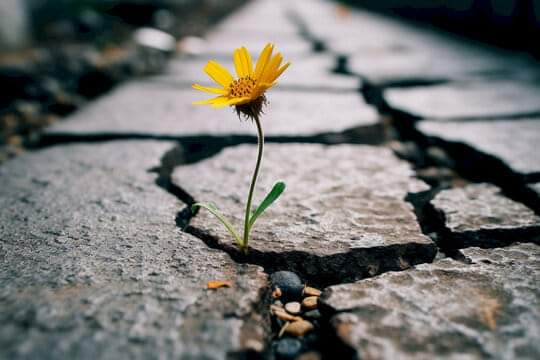
  • In life, we're all a bit like seeds. Sometimes, we're buried deep in darkness, facing challenges that seem insurmountable. But remember, beneath the soil, there's growth happening. Every struggle, every setback, is just watering your potential. So, keep pushing through the dirt. One day, you'll break through into the sunlight, blossoming into something beautiful.
    #KeepGrowing #YouGotThis
    In life, we're all a bit like seeds. Sometimes, we're buried deep in darkness, facing challenges that seem insurmountable. But remember, beneath the soil, there's growth happening. Every struggle, every setback, is just watering your potential. So, keep pushing through the dirt. One day, you'll break through into the sunlight, blossoming into something beautiful.💚🤍❤️ #KeepGrowing #YouGotThis
    0 Commentaires 0 parts
  • This is how a Northern Nigerian polygamous man celebrated Ramadan with his four wives and 26 children.

    You can tell they are at peace, living in harmony and working together towards the growth of the family

    Cc @Shey Waves

    African Hype Media
    This is how a Northern Nigerian polygamous man celebrated Ramadan with his four wives and 26 children. You can tell they are at peace, living in harmony and working together towards the growth of the family Cc @Shey Waves African Hype Media
    0 Commentaires 0 parts
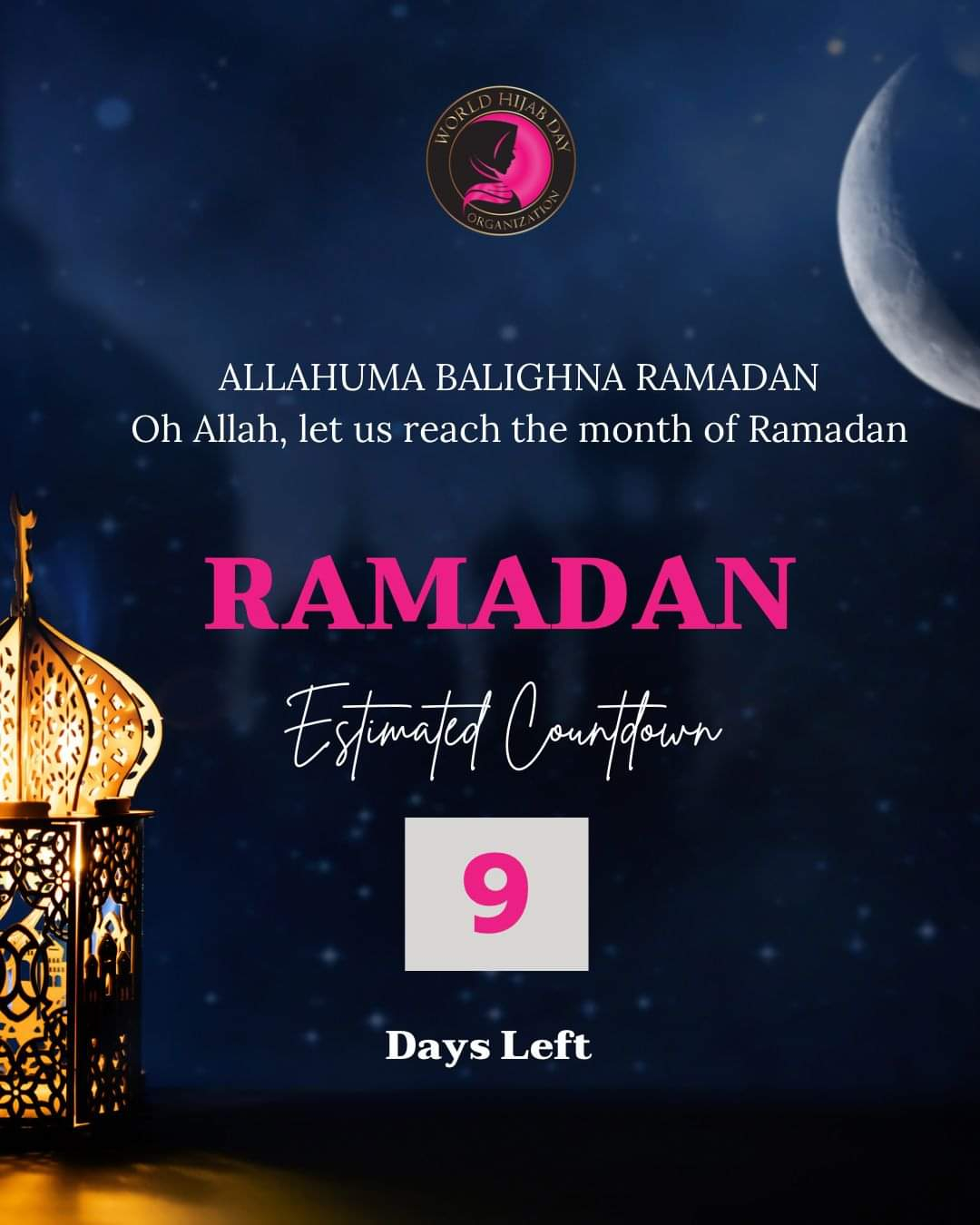
  • Only 9 days left (dates may vary) until Ramadan. Let's embrace this opportunity for reflection, gratitude, and growth.
    Only 9 days left (dates may vary) until Ramadan. Let's embrace this opportunity for reflection, gratitude, and growth.
    0 Commentaires 0 parts
  • From smart mobility solutions to sustainable tech, Türkiye's innovation ecosystem stood out at CES 2024, the world's largest consumer electronics fair held in Las Vegas.

    The Turkish pavilion showcased the cutting-edge breakthroughs of 50 tech startups, captivating global audiences with their game-changing technologies.

    The spotlight belonged to Togg, as it unveiled its revolutionary electric car T10F, marking a pivotal moment for the Turkish mobility industry. With its elegant design and eco-friendly features, Togg is set to redefine the future of transportation.

    In addition, Fark Labs, a leading hub for innovation and transformation, played a crucial role by introducing more than 10 startups. Fark Labs’ imminent launch of a new accelerator center in Ann Arbor, Michigan, is set to be a key facilitator for mobility-focused ventures, encouraging global growth and fostering international collaboration.

    #CES2024 #startup #innovation #TOGG #sustainability #smartmobility
    From smart mobility solutions to sustainable tech, Türkiye's innovation ecosystem stood out at CES 2024, the world's largest consumer electronics fair held in Las Vegas. The Turkish pavilion showcased the cutting-edge breakthroughs of 50 tech startups, captivating global audiences with their game-changing technologies. The spotlight belonged to Togg, as it unveiled its revolutionary electric car T10F, marking a pivotal moment for the Turkish mobility industry. With its elegant design and eco-friendly features, Togg is set to redefine the future of transportation. In addition, Fark Labs, a leading hub for innovation and transformation, played a crucial role by introducing more than 10 startups. Fark Labs’ imminent launch of a new accelerator center in Ann Arbor, Michigan, is set to be a key facilitator for mobility-focused ventures, encouraging global growth and fostering international collaboration. #CES2024 #startup #innovation #TOGG #sustainability #smartmobility
    0 Commentaires 0 parts
Résultats de Recherche