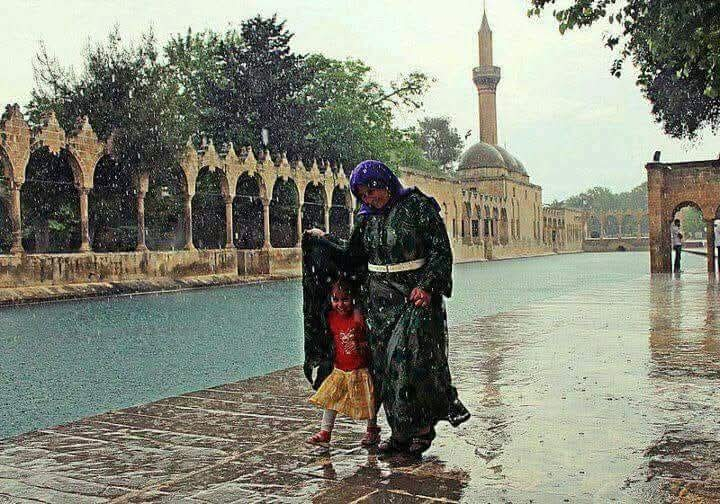
• Happy Mother’s Day to all the amazing mothers in Türkiye and around the world.

    A mother is every child’s first hero. No matter how old you are, if your mother is still alive, know that you are truly lucky.

    Mothers do not ask for expensive gifts or grand surprises. Sometimes, simply remembering them, hugging them, and showing love means more than anything else.

    In Turkish culture, we celebrate this special day by kissing our mothers’ hands and embracing them with love and respect. As the page admin, I kiss my mother’s hands with love and give her the biggest hug today.

    Please don’t forget to hug your mother today. Mothers always have a special place above our heads and deep in our hearts.

    Did you hug your mother today?

    #MothersDay #HappyMothersDay #Anne #AnneSevgisi #MotherLove #Family #Turkiye #Love #Respect #Mom #AnnelerGunu #TurkishCulture #FamilyFirst #MotherAndChild #Blessed
    Happy Mother’s Day to all the amazing mothers in Türkiye and around the world. 🌸 A mother is every child’s first hero. No matter how old you are, if your mother is still alive, know that you are truly lucky. Mothers do not ask for expensive gifts or grand surprises. Sometimes, simply remembering them, hugging them, and showing love means more than anything else. In Turkish culture, we celebrate this special day by kissing our mothers’ hands and embracing them with love and respect. As the page admin, I kiss my mother’s hands with love and give her the biggest hug today. ❤️ Please don’t forget to hug your mother today. Mothers always have a special place above our heads and deep in our hearts. ❓Did you hug your mother today? #MothersDay #HappyMothersDay #Anne #AnneSevgisi #MotherLove #Family #Turkiye #Love #Respect #Mom #AnnelerGunu #TurkishCulture #FamilyFirst #MotherAndChild #Blessed
    0 Commenti 0 condivisioni
  • Kına Gecesi (Henna Night)
    A traditional Turkish pre-wedding ceremony

    Kına Gecesi is a cherished Turkish tradition held before the wedding, dedicated to the bride, the women of her family, and her close female friends.
    It’s often compared to a bachelorette party — but with a much more traditional and emotional spirit.

    What happens during Kına Gecesi?
    • Takes place 1–2 days before the wedding, usually at the bride’s home or a specially chosen venue
    • The bride wears a red dress or a traditional bindallı, with a red veil
    • Women sing traditional songs and share heartfelt wishes with the bride
    • The most emotional moment: henna is placed on the bride’s palm, symbolizing happiness and prosperity in marriage — usually done by the groom’s mother or an elder woman
    • After the ritual, the night turns joyful with dancing, food, and celebration

    The meaning of Kına Gecesi:
    • The bride’s farewell to her family and preparation for a new life
    • Protection and good luck for marriage
    • Bringing together women from family and close friendships

    This tradition exists not only in Turkey, but also in the Middle East, South Asia, and the Balkans, each with its own local touch.

    #KınaGecesi #HennaNight #TurkishCulture #WeddingTraditions #Tradition #Turkey #turquie #Turkei
    🌿 Kına Gecesi (Henna Night) A traditional Turkish pre-wedding ceremony Kına Gecesi is a cherished Turkish tradition held before the wedding, dedicated to the bride, the women of her family, and her close female friends. It’s often compared to a bachelorette party — but with a much more traditional and emotional spirit. 💃 What happens during Kına Gecesi? • Takes place 1–2 days before the wedding, usually at the bride’s home or a specially chosen venue • The bride wears a red dress or a traditional bindallı, with a red veil • Women sing traditional songs and share heartfelt wishes with the bride • The most emotional moment: henna is placed on the bride’s palm, symbolizing happiness and prosperity in marriage — usually done by the groom’s mother or an elder woman • After the ritual, the night turns joyful with dancing, food, and celebration ✨ The meaning of Kına Gecesi: • The bride’s farewell to her family and preparation for a new life • Protection and good luck for marriage • Bringing together women from family and close friendships 🌍 This tradition exists not only in Turkey, but also in the Middle East, South Asia, and the Balkans, each with its own local touch. #KınaGecesi #HennaNight #TurkishCulture #WeddingTraditions #Tradition #Turkey #turquie #Turkei
    0 Commenti 0 condivisioni
  • Family photo of the heads of delegations participating in 51st session of the OIC Council of Foreign Ministers (CFM), in #Istanbul, Türkiye, June 21-22, 2025, under the theme, "The OIC in a Transforming World". cfm51.oic-oci.org #OICinATransformingWorld #OICCFMIstanbul #OICCFM
    Family photo of the heads of delegations participating in 51st session of the OIC Council of Foreign Ministers (CFM), in #Istanbul, Türkiye, June 21-22, 2025, under the theme, "The OIC in a Transforming World". cfm51.oic-oci.org #OICinATransformingWorld #OICCFMIstanbul #OICCFM
    0 Commenti 0 condivisioni
  • ** "Making the Most of Ramadan: A Guide to Spiritual Enrichment" **

    To make the most of Ramadan and truly embrace its spiritual significance, consider the following practices:

    1. **Set Clear Intentions (Niyyah):** Before Ramadan begins, reflect on your goals and intentions. What do you hope to achieve spiritually, emotionally, and physically? Write them down and revisit them throughout the month.

    2. **Plan Your Day:** Structure your daily routine around your spiritual practices. Allocate specific times for prayer, Quran recitation, and reflection. Ensure you balance your daily obligations with your religious duties.

    3. **Suhoor and Iftar Preparation:** Plan nutritious and balanced meals for Suhoor and Iftar. Avoid overeating, and focus on foods that provide sustained energy and hydration.

    4. **Quran and Duas:** Dedicate time each day to reading and reflecting on the Quran. Learn new Duas (supplications) and incorporate them into your daily prayers. Aim to complete the Quran by the end of the month.

    5. **Taraweeh Prayers:** Attend Taraweeh prayers at the mosque, if possible. The communal atmosphere enhances the spiritual experience and fosters a sense of unity.

    6. **Charity and Good Deeds:** Increase your charitable activities by giving Zakat and Sadaqah. Volunteer your time and help those in need. Acts of kindness and generosity amplify the blessings of Ramadan.

    7. **Self-Reflection and Repentance:** Use the quiet moments of the day and night for self-reflection. Seek forgiveness for past mistakes, and strive to improve yourself. Ramadan is a time for spiritual renewal and personal growth.

    8. **Avoid Distractions:** Limit distractions such as excessive screen time, social media, and non-essential activities. Focus on your spiritual journey and prioritize your connection with Allah.

    9. **Family and Community:** Engage in meaningful conversations and activities with family and friends. Share knowledge, support each other, and strengthen your bonds. Participate in community events and initiatives.

    10. **Laylat al-Qadr:** Seek out and make the most of Laylat al-Qadr in the last ten nights of Ramadan. Engage in intense prayer, recitation, and supplication, as this night holds immense blessings.

    11. **Health and Wellness:** Take care of your physical health by staying hydrated, getting enough rest, and engaging in light exercise. A healthy body supports a healthy spirit.

    12. **Journaling:** Keep a journal to document your thoughts, reflections, and progress throughout Ramadan. This can be a valuable tool for self-awareness and future growth.

    By incorporating these practices into your daily routine, you can maximize the spiritual benefits of Ramadan and experience a deeper connection with your faith.

    May your Ramadan be filled with blessings

    For more Islamic content, follow my profile and stay inspired! Saien Sahab
    ** "Making the Most of Ramadan: A Guide to Spiritual Enrichment" ** To make the most of Ramadan and truly embrace its spiritual significance, consider the following practices: 1. **Set Clear Intentions (Niyyah):** Before Ramadan begins, reflect on your goals and intentions. What do you hope to achieve spiritually, emotionally, and physically? Write them down and revisit them throughout the month. 2. **Plan Your Day:** Structure your daily routine around your spiritual practices. Allocate specific times for prayer, Quran recitation, and reflection. Ensure you balance your daily obligations with your religious duties. 3. **Suhoor and Iftar Preparation:** Plan nutritious and balanced meals for Suhoor and Iftar. Avoid overeating, and focus on foods that provide sustained energy and hydration. 4. **Quran and Duas:** Dedicate time each day to reading and reflecting on the Quran. Learn new Duas (supplications) and incorporate them into your daily prayers. Aim to complete the Quran by the end of the month. 5. **Taraweeh Prayers:** Attend Taraweeh prayers at the mosque, if possible. The communal atmosphere enhances the spiritual experience and fosters a sense of unity. 6. **Charity and Good Deeds:** Increase your charitable activities by giving Zakat and Sadaqah. Volunteer your time and help those in need. Acts of kindness and generosity amplify the blessings of Ramadan. 7. **Self-Reflection and Repentance:** Use the quiet moments of the day and night for self-reflection. Seek forgiveness for past mistakes, and strive to improve yourself. Ramadan is a time for spiritual renewal and personal growth. 8. **Avoid Distractions:** Limit distractions such as excessive screen time, social media, and non-essential activities. Focus on your spiritual journey and prioritize your connection with Allah. 9. **Family and Community:** Engage in meaningful conversations and activities with family and friends. Share knowledge, support each other, and strengthen your bonds. Participate in community events and initiatives. 10. **Laylat al-Qadr:** Seek out and make the most of Laylat al-Qadr in the last ten nights of Ramadan. Engage in intense prayer, recitation, and supplication, as this night holds immense blessings. 11. **Health and Wellness:** Take care of your physical health by staying hydrated, getting enough rest, and engaging in light exercise. A healthy body supports a healthy spirit. 12. **Journaling:** Keep a journal to document your thoughts, reflections, and progress throughout Ramadan. This can be a valuable tool for self-awareness and future growth. By incorporating these practices into your daily routine, you can maximize the spiritual benefits of Ramadan and experience a deeper connection with your faith. May your Ramadan be filled with blessings🌙✨ For more Islamic content, follow my profile and stay inspired! 📿✨ Saien Sahab
    0 Commenti 0 condivisioni
  • The Linguistic Structure of Iran
    Iran is a highly diverse country with many languages spoken across its regions. The most prominent language is Persian (Farsi), which serves as the official language. However, there are several other major languages, often categorized into distinct linguistic groups:
    1. Indo-Iranian Group
    • Persian (Farsi) – Official and widely spoken across Iran.
    • Kurdish – Mainly spoken in western regions.
    • Baluchi – Spoken in southeastern Iran.
    2. Turkic Group
    • Azerbaijani (Azeri) – Predominantly spoken in the northwest.
    • Turkmen – Spoken in the northeastern provinces.
    • Qashqai (Kashkai) is a Turkic language spoken by the Qashqai people, a semi-nomadic pastoralist group primarily living in the southwestern region of Iran, particularly in Fars province. It belongs to the Oghuz branch of the Turkic language family, which includes Azerbaijani, Turkish, and Turkmen. Qashqai is closely related to Azerbaijani, and many speakers are bilingual, also fluent in Persian (Farsi). The Qashqai people have a rich cultural heritage and maintain their own distinct traditions, including their language, despite the dominance of Persian in the region.

    3. Semitic Group
    • Arabic – Spoken in the southwestern regions, particularly Khuzestan.
    4. Caucasian and Other Minority Languages
    • Gilaki and Mazandarani – Spoken along the Caspian Sea coast.
    • Armenian – Spoken by the Armenian minority in various cities.
    Hashtags:
    #LinguisticDiversity #IranLanguages #PersianLanguage #CulturalDiversity #Iran #Linguistics
    The Linguistic Structure of Iran 🇮🇷 Iran is a highly diverse country with many languages spoken across its regions. The most prominent language is Persian (Farsi), which serves as the official language. However, there are several other major languages, often categorized into distinct linguistic groups: 1. Indo-Iranian Group • Persian (Farsi) – Official and widely spoken across Iran. • Kurdish – Mainly spoken in western regions. • Baluchi – Spoken in southeastern Iran. 2. Turkic Group • Azerbaijani (Azeri) – Predominantly spoken in the northwest. • Turkmen – Spoken in the northeastern provinces. • Qashqai (Kashkai) is a Turkic language spoken by the Qashqai people, a semi-nomadic pastoralist group primarily living in the southwestern region of Iran, particularly in Fars province. It belongs to the Oghuz branch of the Turkic language family, which includes Azerbaijani, Turkish, and Turkmen. Qashqai is closely related to Azerbaijani, and many speakers are bilingual, also fluent in Persian (Farsi). The Qashqai people have a rich cultural heritage and maintain their own distinct traditions, including their language, despite the dominance of Persian in the region. • 3. Semitic Group • Arabic – Spoken in the southwestern regions, particularly Khuzestan. 4. Caucasian and Other Minority Languages • Gilaki and Mazandarani – Spoken along the Caspian Sea coast. • Armenian – Spoken by the Armenian minority in various cities. Hashtags: #LinguisticDiversity #IranLanguages #PersianLanguage #CulturalDiversity #Iran #Linguistics
    0 Commenti 0 condivisioni
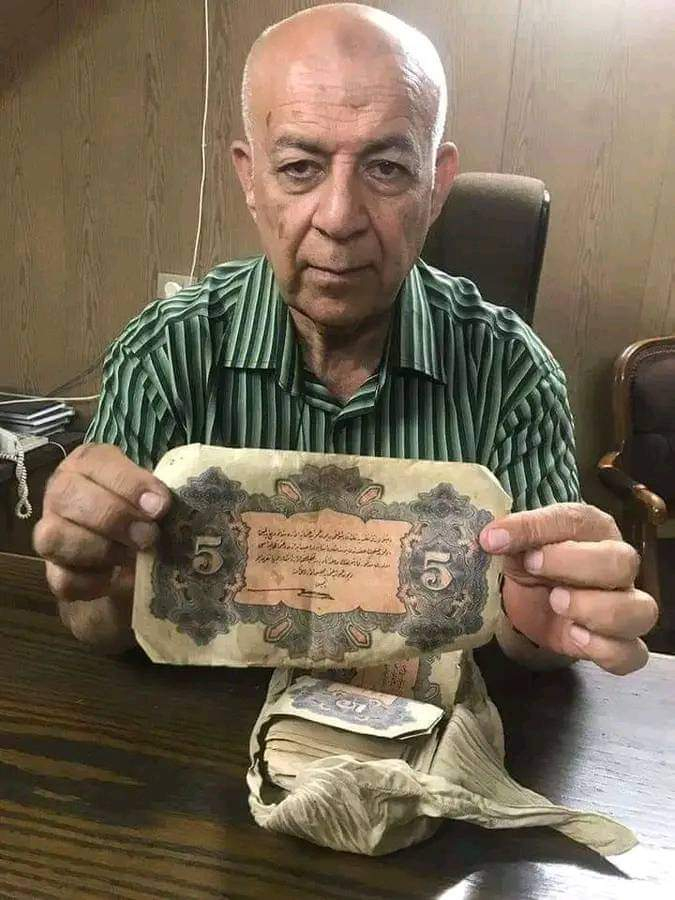
  • Ottoman soldiers left this money in trust with the family of the Palestinian merchant Ragheb Hilmi Al-Alul From Nablus when they withdrew 100 years ago .
    Ottoman soldiers left this money in trust with the family of the Palestinian merchant Ragheb Hilmi Al-Alul From Nablus when they withdrew 100 years ago .
    0 Commenti 0 condivisioni
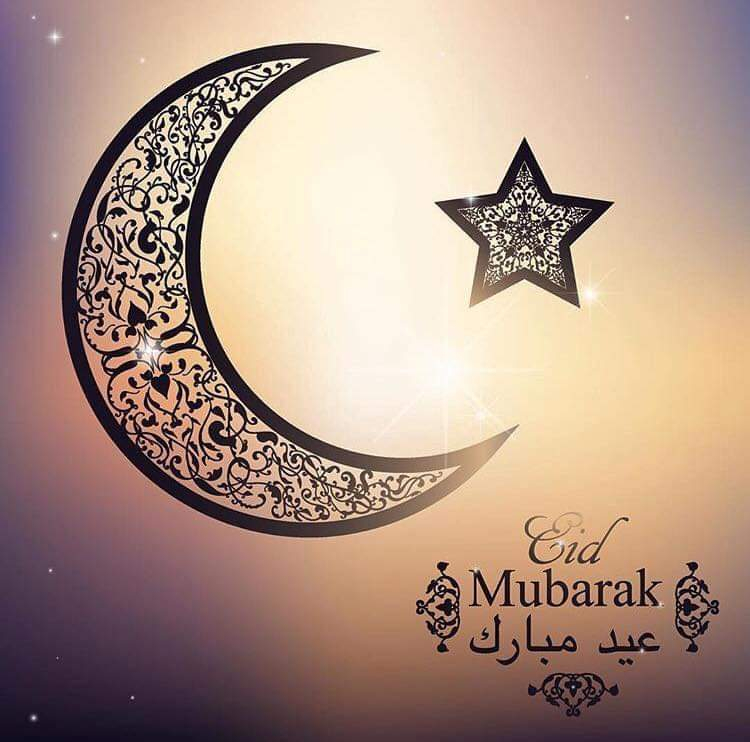
  • EID MUBARAK

    "May this Eid bring happiness, joy, Allah's blessings and love… Eid MUBARAK to you and your family.
    EID MUBARAK "May this Eid bring happiness, joy, Allah's blessings and love… Eid MUBARAK to you and your family.
    0 Commenti 0 condivisioni 9
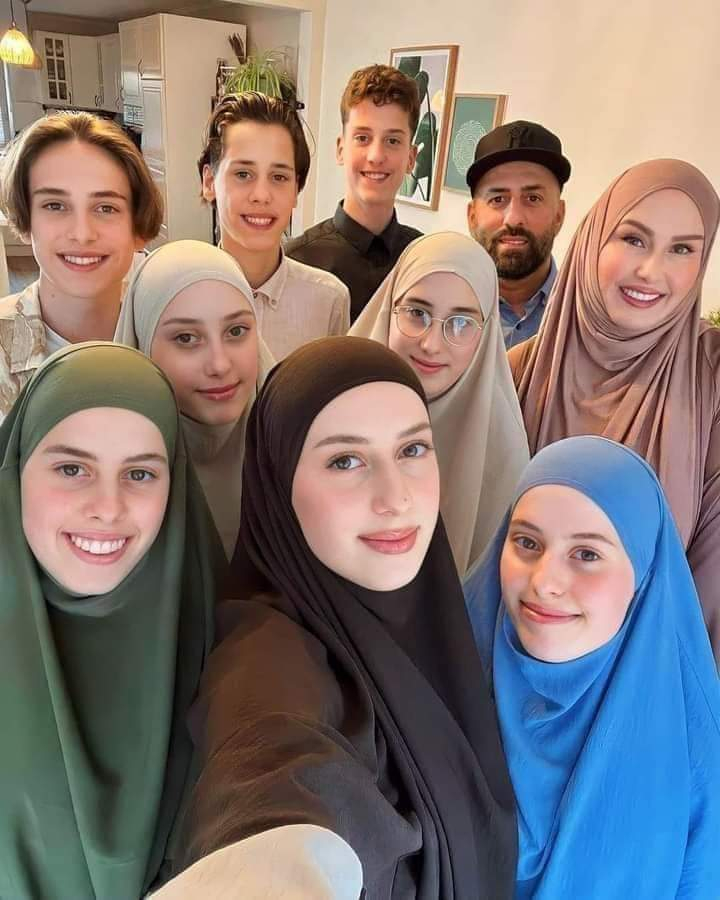
  • A German family that embraces the great Islamic religion, a family of ten people, 6 women and 4 men
    A German family that embraces the great Islamic religion, a family of ten people, 6 women and 4 men 🖤🕌🕋🤲
    0 Commenti 0 condivisioni
  • This is how a Northern Nigerian polygamous man celebrated Ramadan with his four wives and 26 children.

    You can tell they are at peace, living in harmony and working together towards the growth of the family

    Cc @Shey Waves

    African Hype Media
    This is how a Northern Nigerian polygamous man celebrated Ramadan with his four wives and 26 children. You can tell they are at peace, living in harmony and working together towards the growth of the family Cc @Shey Waves African Hype Media
    0 Commenti 0 condivisioni
  • ☪ EID MUBARAK to you, your family, your loved ones and the entire Muslim Ummah.

    May Allah accept your worship in the blessed month of Ramadan and make it easy upon our brothers and sisters in Gaza - Palestine.
    ☪ EID MUBARAK to you, your family, your loved ones and the entire Muslim Ummah. May Allah accept your worship in the blessed month of Ramadan and make it easy upon our brothers and sisters in Gaza - Palestine. 🤲
    0 Commenti 0 condivisioni
Pagine in Evidenza