• 15 Interesting Facts About Türkiye

    Top Tourist Destination
    Türkiye is consistently among the Top 10 most visited countries in the world, attracting 50+ million international tourists annually.

    Largest City
    The biggest city is Istanbul, with 16+ million people, making it one of the largest cities in Europe.

    Capital City
    The capital is Ankara, located in central Anatolia.

    Population Power
    Türkiye has a population of about 85 million people, making it one of the most populous countries in Europe and the Middle East.

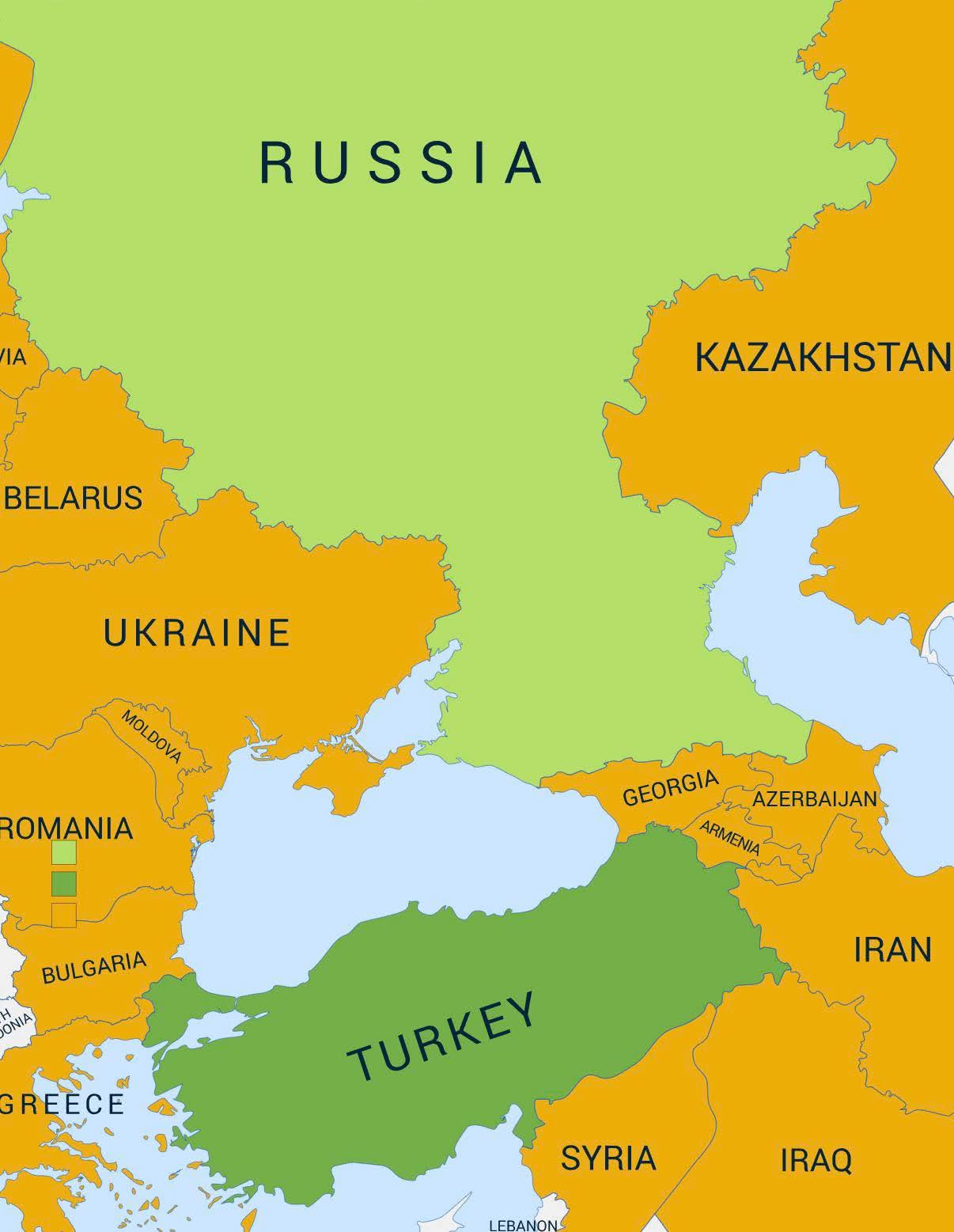
    Unique Geographic Location
    Türkiye sits between Europe and Asia, connected by the Bosphorus strait.

    Large Economy
    Türkiye has one of the largest economies in the world, usually ranking around Top 20 globally by GDP.

    Major Tourist Cities
    Popular tourist destinations include:
    • Istanbul
    • Antalya
    • Izmir
    • Bodrum
    • Cappadocia region.

    Ancient Civilization Center
    Türkiye has hosted many civilizations including the Hittites, Greeks, Romans, Byzantines, and Ottoman Empire.

    World Heritage Sites
    Türkiye has 19 UNESCO World Heritage Sites, including Göbekli Tepe, one of the oldest temples in the world (11,000+ years old).

    Agricultural Power
    Türkiye is one of the world’s largest producers of hazelnuts, apricots, figs, and cherries.

    Strategic Straits
    The Dardanelles and Bosphorus connect the Black Sea to the Mediterranean Sea.

    Huge Airline Hub
    Turkish Airlines flies to more countries than any other airline in the world.

    Beautiful Coastline
    Türkiye has about 8,300 km of coastline along the Black Sea, Aegean Sea, and Mediterranean Sea.

    Famous Cuisine
    Turkish cuisine includes global favorites like Kebab, Baklava, and Turkish Delight.

    Historic Megacity
    Istanbul is the only city in the world located on two continents.


    Türkiye Facts
    Top 10 most visited country in the world
    Population: ~85 million
    Largest city: Istanbul (16M+)
    Bridge between Europe & Asia
    Top 20 global economy
    19 UNESCO World Heritage sites
    Major agricultural exporter
    Turkish Airlines flies to most countries worldwide
    8,000+ km coastline
    World-famous cuisine

    #turkiye #turkey #geography #worldfacts #europe #asia #travel #amazingworldgeography #fblifestyle
    🇹🇷 15 Interesting Facts About Türkiye 🌍 1️⃣ Top Tourist Destination Türkiye is consistently among the Top 10 most visited countries in the world, attracting 50+ million international tourists annually. 2️⃣ Largest City The biggest city is Istanbul, with 16+ million people, making it one of the largest cities in Europe. 3️⃣ Capital City The capital is Ankara, located in central Anatolia. 4️⃣ Population Power Türkiye has a population of about 85 million people, making it one of the most populous countries in Europe and the Middle East. 5️⃣ Unique Geographic Location Türkiye sits between Europe and Asia, connected by the Bosphorus strait. 6️⃣ Large Economy Türkiye has one of the largest economies in the world, usually ranking around Top 20 globally by GDP. 7️⃣ Major Tourist Cities Popular tourist destinations include: • Istanbul • Antalya • Izmir • Bodrum • Cappadocia region. 8️⃣ Ancient Civilization Center Türkiye has hosted many civilizations including the Hittites, Greeks, Romans, Byzantines, and Ottoman Empire. 9️⃣ World Heritage Sites Türkiye has 19 UNESCO World Heritage Sites, including Göbekli Tepe, one of the oldest temples in the world (11,000+ years old). 🔟 Agricultural Power Türkiye is one of the world’s largest producers of hazelnuts, apricots, figs, and cherries. 1️⃣1️⃣ Strategic Straits The Dardanelles and Bosphorus connect the Black Sea to the Mediterranean Sea. 1️⃣2️⃣ Huge Airline Hub Turkish Airlines flies to more countries than any other airline in the world. 1️⃣3️⃣ Beautiful Coastline Türkiye has about 8,300 km of coastline along the Black Sea, Aegean Sea, and Mediterranean Sea. 1️⃣4️⃣ Famous Cuisine Turkish cuisine includes global favorites like Kebab, Baklava, and Turkish Delight. 1️⃣5️⃣ Historic Megacity Istanbul is the only city in the world located on two continents. ⸻ 🌍 Türkiye Facts 🇹🇷 ✈️ Top 10 most visited country in the world 👥 Population: ~85 million 🏙️ Largest city: Istanbul (16M+) 🌉 Bridge between Europe & Asia 💰 Top 20 global economy 🏛️ 19 UNESCO World Heritage sites 🌾 Major agricultural exporter ✈️ Turkish Airlines flies to most countries worldwide 🏖️ 8,000+ km coastline 🍽️ World-famous cuisine #turkiye #turkey #geography #worldfacts #europe #asia #travel #amazingworldgeography #fblifestyle 🌍
    0 Kommentare 0 Anteile
  • Urfa Türkiye
    Step back in time in Şanlıurfa, the "City of Prophets," home to Göbeklitepe, the world's oldest known temple, and the sacred pool of Balıklıgöl; while you're here, be sure to experience the rich, authentic culture and incredible flavors, especially the spicy Urfa kebab, making this southeastern Turkish gem a truly mesmerizing and delicious journey through history and mythology that must be seen to be believed! #Sanliurfa #Gobeklitepe #CityofProphets #Balikligol #UrfaCuisine #AncientHistory #Mesopotamia #TravelTurkey
    Urfa Türkiye Step back in time in Şanlıurfa, the "City of Prophets," home to Göbeklitepe, the world's oldest known temple, and the sacred pool of Balıklıgöl; while you're here, be sure to experience the rich, authentic culture and incredible flavors, especially the spicy Urfa kebab, making this southeastern Turkish gem a truly mesmerizing and delicious journey through history and mythology that must be seen to be believed! ✨ #Sanliurfa #Gobeklitepe #CityofProphets #Balikligol #UrfaCuisine #AncientHistory #Mesopotamia #TravelTurkey
    0 Kommentare 0 Anteile
  • A Journey in Abraham's Footsteps – The Way Forward – Harran, the City of Stars

    “In the twilight of time, when the stars still spoke to men and the mountains bore names, Abraham was born – he who would become the father of faith for the people who followed the Scripture, the Cross and the Crescent. His name wandered through the desert winds, carried by Turki storytellers who gathered around the hearths in the heart of Mesopotamia.

    “Listen, you who wander. For the wind of Harran carries old words, and the stars there still speak to those who dare to listen.”

    It is said that when Abraham left Urfa, it was not with a light heart. Behind him lay the miracle of fire, the fish in flames, and the wrath of King Nemrut. But before him – unknown land, and a sky that whispered.

    He wandered south, through dust and time, until he came to Harran – the city where the stars live. Here, the ancients say, he sat down on a stone by a dry well. He raised his eyes, and the night opened like a veil.

    “First he saw the sun – great and burning. ‘This must be God,’ he said. But the sun sank behind the mountains, and darkness came.”
    “Then he saw the moon – bright and gentle. ‘This must be God,’ he said. But the moon waned, and the stars took its place.”
    “Finally he saw the stars – a thousand lights, a thousand promises. And he said: ‘No… God is not the one who sets. God is the one who created all this.’”

    And the stars are said to have answered him. Not with words, but with light. They danced over Harran, and one of them fell – as a sign. Abraham stood up, knowing: The way forward was not his alone. It was for all who seek.

    Harran – where the stars still speak

    Today you can follow in Abraham’s footsteps in Harran, Turkey. See the ancient beehive houses, built like small temples to the sky. Explore the ruins of temples and towers, where the stars were once worshipped. Harran is mentioned in both the Bible and the Quran – as a place where faith took shape.

    When night falls over plains and rocks, and you stand there alone under the sky, you can hear it:
    “God is not in what sets. God is in what endures.”

    Have you visited Harran? Or is it something you dream about?
    🧵 A Journey in Abraham's Footsteps – The Way Forward – Harran, the City of Stars “In the twilight of time, when the stars still spoke to men and the mountains bore names, Abraham was born – he who would become the father of faith for the people who followed the Scripture, the Cross and the Crescent. His name wandered through the desert winds, carried by Turki storytellers who gathered around the hearths in the heart of Mesopotamia. 🔥 “Listen, you who wander. For the wind of Harran carries old words, and the stars there still speak to those who dare to listen.” It is said that when Abraham left Urfa, it was not with a light heart. Behind him lay the miracle of fire, the fish in flames, and the wrath of King Nemrut. But before him – unknown land, and a sky that whispered. He wandered south, through dust and time, until he came to Harran – the city where the stars live. Here, the ancients say, he sat down on a stone by a dry well. He raised his eyes, and the night opened like a veil. 🌌 “First he saw the sun – great and burning. ‘This must be God,’ he said. But the sun sank behind the mountains, and darkness came.” 🌙 “Then he saw the moon – bright and gentle. ‘This must be God,’ he said. But the moon waned, and the stars took its place.” ✨ “Finally he saw the stars – a thousand lights, a thousand promises. And he said: ‘No… God is not the one who sets. God is the one who created all this.’” And the stars are said to have answered him. Not with words, but with light. They danced over Harran, and one of them fell – as a sign. Abraham stood up, knowing: The way forward was not his alone. It was for all who seek. 🧭 Harran – where the stars still speak 📍 Today you can follow in Abraham’s footsteps in Harran, Turkey. See the ancient beehive houses, built like small temples to the sky. Explore the ruins of temples and towers, where the stars were once worshipped. Harran is mentioned in both the Bible and the Quran – as a place where faith took shape. When night falls over plains and rocks, and you stand there alone under the sky, you can hear it: 🌬️ “God is not in what sets. God is in what endures.” Have you visited Harran? Or is it something you dream about?
    0 Kommentare 0 Anteile
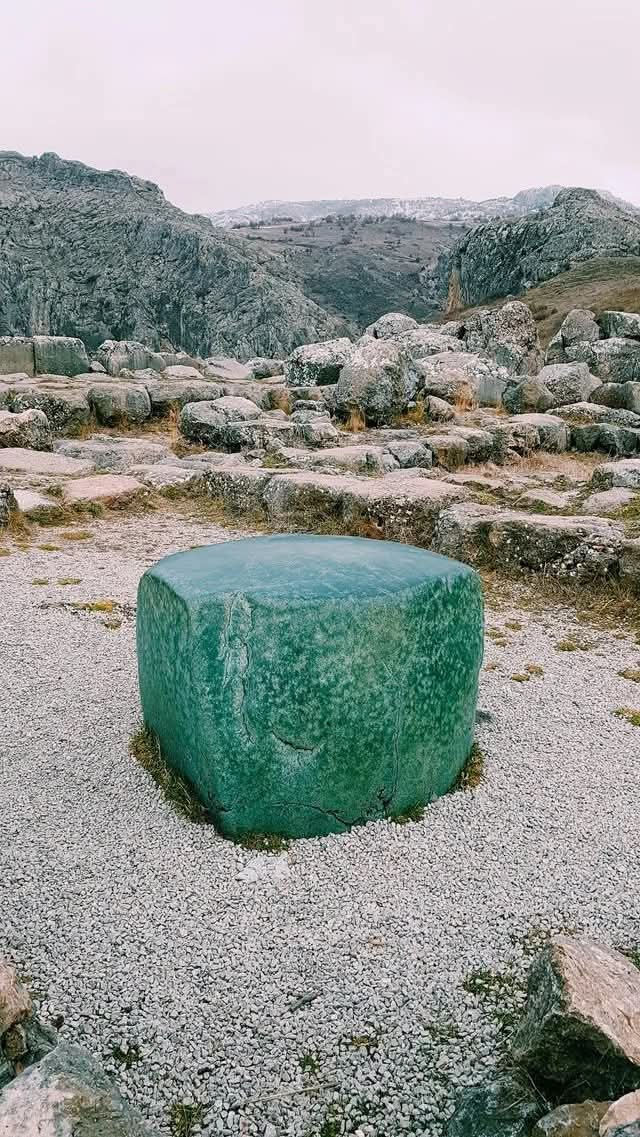
  • The Hattusa Green Stone
    is a roughly cubic block of nephrite standing in the remains of the Great Temple at Hattusa, capital of the Hittites in the late Bronze Age. Now on the hill above Boğazkale, in the Turkish Province of Corum, Hattusa is a World Heritage Site.
    The original purpose of the stone is unknown, but it is a tourist attraction, as it has a magical reputation for granting wishes.
    The Hattusa Green Stone is a roughly cubic block of nephrite standing in the remains of the Great Temple at Hattusa, capital of the Hittites in the late Bronze Age. Now on the hill above Boğazkale, in the Turkish Province of Corum, Hattusa is a World Heritage Site. The original purpose of the stone is unknown, but it is a tourist attraction, as it has a magical reputation for granting wishes.
    0 Kommentare 0 Anteile
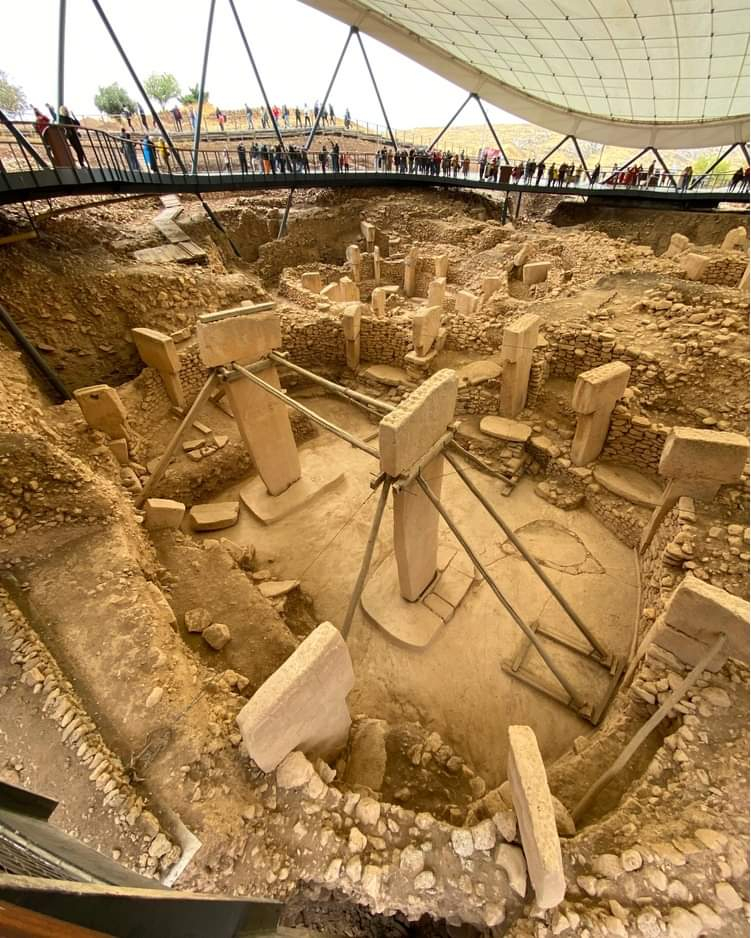
  • Göbekli Tepe, Turkey
    Göbekli Tepe in Turkey, dating back to the 10th millennium BC, is one of the world's oldest known temple complexes. Featuring massive stone pillars and intricate carvings, it predates Stonehenge and offers crucial insights into early human civilization and spirituality. A key archaeological site, it's a must-visit for history buffs and archaeologists.

    #GöbekliTepe #AncientCivilizations #ArchaeologicalWonder
    Göbekli Tepe, Turkey Göbekli Tepe in Turkey, dating back to the 10th millennium BC, is one of the world's oldest known temple complexes. Featuring massive stone pillars and intricate carvings, it predates Stonehenge and offers crucial insights into early human civilization and spirituality. A key archaeological site, it's a must-visit for history buffs and archaeologists. #GöbekliTepe #AncientCivilizations #ArchaeologicalWonder
    0 Kommentare 0 Anteile
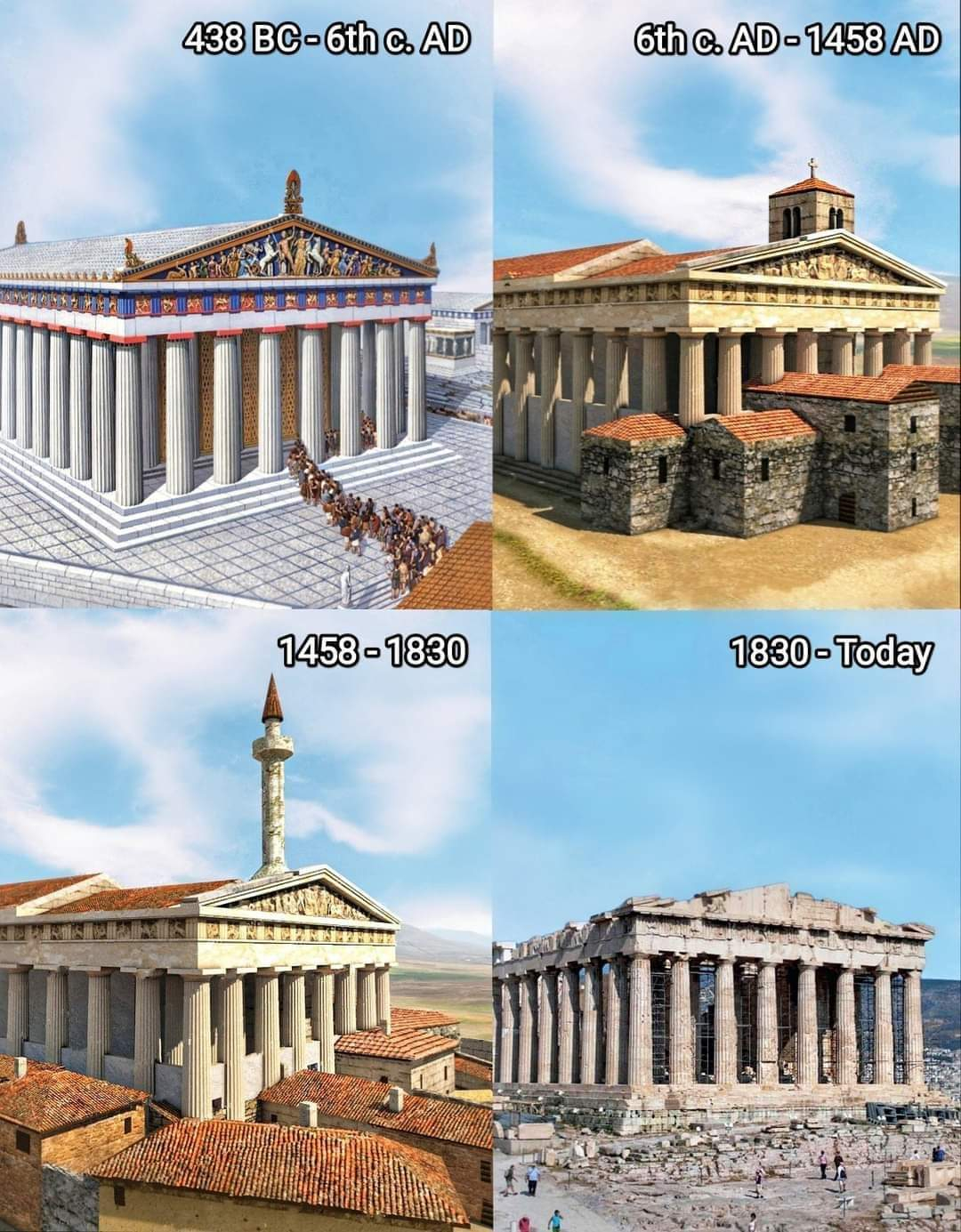
  • From the history of the Parthenon, the temple of Athena built on the Acropolis of Athens in the 5th century BC (the use of the goddess Athenai as a church, mosque and museum, respectively)
    Athens Acropolis and Parthenon spelling
    (Excerpt from Ancient Chronicles)
    From the history of the Parthenon, the temple of Athena built on the Acropolis of Athens in the 5th century BC (the use of the goddess Athenai as a church, mosque and museum, respectively) Athens Acropolis and Parthenon spelling (Excerpt from Ancient Chronicles)
    0 Kommentare 0 Anteile
  • The Tomb of Jahangir:

    Nur-ud-din Muhammad Salim ‘Jahangir’ (31 August 1569 – 28 October 1627); ruled from 1605 until his death in 1627. He was the only great Mughal who is not buried in India apart from the founder of Mughal Empire Babur, buried in Kabul.

    The emperor was ill, it was suggested by the Royal physicians that to recover from ill health he should visit Kabul and Kashmir. Due to cold weather in Kashmir he decided to move to Lahore. On the way to Lahore he died in the foothills of Kashmir near the town of Rajauri on 28 October 1627. A funeral procession transferred his body from Kashmir and arrived in Lahore on Friday, 12 November 1627. The Dilkusha Garden in which he was buried was a "favourite spot" of Jahangir and his wife Nur Jahan, when they lived in Lahore. His son, the new Mughal Emperor Shah Jahan, ordered that a "mausoleum befitting an Emperor" should be built in his father's honour to inter his remains.

    His tomb is one of the magnificent example of Mughal art and architecture. There is some controversy who supervised the design, wife of the Emperor Nur Jahan or the son Shah Jahan. Both had very good eye on architectural design. Beautiful precious and semi-precious stones were used to beautify the grave with the ninety nine attributes of Allah are also engraved here.

    The tomb suffered a great deal of destruction at the hand of Maharajah Ranjeet Singh who stripped the ornaments off the tomb and sent them to Amritsar in order to decorate a Sikh temple. The tomb was also used as the residence of a Sikh army officer of Spanish origin and Sultan Muhammad Khan, brother of Dost Muhammad khan of Kabul, caused great damage to the mausoleum.
    The Tomb of Jahangir: Nur-ud-din Muhammad Salim ‘Jahangir’ (31 August 1569 – 28 October 1627); ruled from 1605 until his death in 1627. He was the only great Mughal who is not buried in India apart from the founder of Mughal Empire Babur, buried in Kabul. The emperor was ill, it was suggested by the Royal physicians that to recover from ill health he should visit Kabul and Kashmir. Due to cold weather in Kashmir he decided to move to Lahore. On the way to Lahore he died in the foothills of Kashmir near the town of Rajauri on 28 October 1627. A funeral procession transferred his body from Kashmir and arrived in Lahore on Friday, 12 November 1627. The Dilkusha Garden in which he was buried was a "favourite spot" of Jahangir and his wife Nur Jahan, when they lived in Lahore. His son, the new Mughal Emperor Shah Jahan, ordered that a "mausoleum befitting an Emperor" should be built in his father's honour to inter his remains. His tomb is one of the magnificent example of Mughal art and architecture. There is some controversy who supervised the design, wife of the Emperor Nur Jahan or the son Shah Jahan. Both had very good eye on architectural design. Beautiful precious and semi-precious stones were used to beautify the grave with the ninety nine attributes of Allah are also engraved here. The tomb suffered a great deal of destruction at the hand of Maharajah Ranjeet Singh who stripped the ornaments off the tomb and sent them to Amritsar in order to decorate a Sikh temple. The tomb was also used as the residence of a Sikh army officer of Spanish origin and Sultan Muhammad Khan, brother of Dost Muhammad khan of Kabul, caused great damage to the mausoleum.
    0 Kommentare 0 Anteile
  • The history of the Parthenon in the Acropolis of Athens over the centuries, as a temple of the goddess Athena, as a Christian church, as a Muslim mosque and as a museum!
    The history of the Parthenon in the Acropolis of Athens over the centuries, as a temple of the goddess Athena, as a Christian church, as a Muslim mosque and as a museum!
    0 Kommentare 0 Anteile
  • Why do Muslims perform circumbulation around the Ka'bah?

    Why do Muslims perform Tawaf around the Ka’bah? What is the significance of going around this Old House? The answer to this question must start with a look at who we are? Why are we here? And finally, the answer to all the previous questions points toward where we are going from here.

    There are physical laws in this universe that we are continuously discovering. Among them is the law of revolution, which applies both to celestial bodies and to atoms and cells. They all revolve around a center and their revolution is usually counterclockwise.

    Everything in the universe must follow physical laws except human beings who are created with consciousness and with free will. The Earth has no choice but to follow its orbit around the sun, and our solar system has no choice but to follow its orbit around the center of the galaxy. In following these physical laws they are obeying their Creator. Only human beings have a conscious choice. They are aware of their ability to choose and consequently, they can obey or disobey. When we Muslims orbit the Ka’bah, we surrender our will to our Creator and willingly become like the other celestial bodies of the universe orbiting in harmony His Old House. The Ka’bah is the first house ever built for the sole purpose of worshipping God, our Creator. It is thought to have been built originally by Adam. It was later rebuilt by Abraham and his son Ishmael long before the Temple in Jerusalem was built by Salomon.

    People keep coming from the four corners of the earth to surrender themselves to their creator and orbit around the Ka’bah seven times in order to fulfill the essence of Islam (surrendering your will to God’s will).

    So, who are we? We are human beings created by God. We are here to go through a journey that will not last for long and while we are here we face situations that require us to make choices. We are responsible for the choices we make and we will answer for them to our Creator. So our final destination from here is toward the One that created us in the first place and is able to gather us again to a Day of Judgment.

    These assumptions are from the eternal message of God to us found in the Torah given to Moses, the Gospel given to Jesus Christ, and the Qur’an given to Mohammad.
    Why do Muslims perform circumbulation around the Ka'bah? Why do Muslims perform Tawaf around the Ka’bah? What is the significance of going around this Old House? The answer to this question must start with a look at who we are? Why are we here? And finally, the answer to all the previous questions points toward where we are going from here. There are physical laws in this universe that we are continuously discovering. Among them is the law of revolution, which applies both to celestial bodies and to atoms and cells. They all revolve around a center and their revolution is usually counterclockwise. Everything in the universe must follow physical laws except human beings who are created with consciousness and with free will. The Earth has no choice but to follow its orbit around the sun, and our solar system has no choice but to follow its orbit around the center of the galaxy. In following these physical laws they are obeying their Creator. Only human beings have a conscious choice. They are aware of their ability to choose and consequently, they can obey or disobey. When we Muslims orbit the Ka’bah, we surrender our will to our Creator and willingly become like the other celestial bodies of the universe orbiting in harmony His Old House. The Ka’bah is the first house ever built for the sole purpose of worshipping God, our Creator. It is thought to have been built originally by Adam. It was later rebuilt by Abraham and his son Ishmael long before the Temple in Jerusalem was built by Salomon. People keep coming from the four corners of the earth to surrender themselves to their creator and orbit around the Ka’bah seven times in order to fulfill the essence of Islam (surrendering your will to God’s will). So, who are we? We are human beings created by God. We are here to go through a journey that will not last for long and while we are here we face situations that require us to make choices. We are responsible for the choices we make and we will answer for them to our Creator. So our final destination from here is toward the One that created us in the first place and is able to gather us again to a Day of Judgment. These assumptions are from the eternal message of God to us found in the Torah given to Moses, the Gospel given to Jesus Christ, and the Qur’an given to Mohammad.
    0 Kommentare 0 Anteile
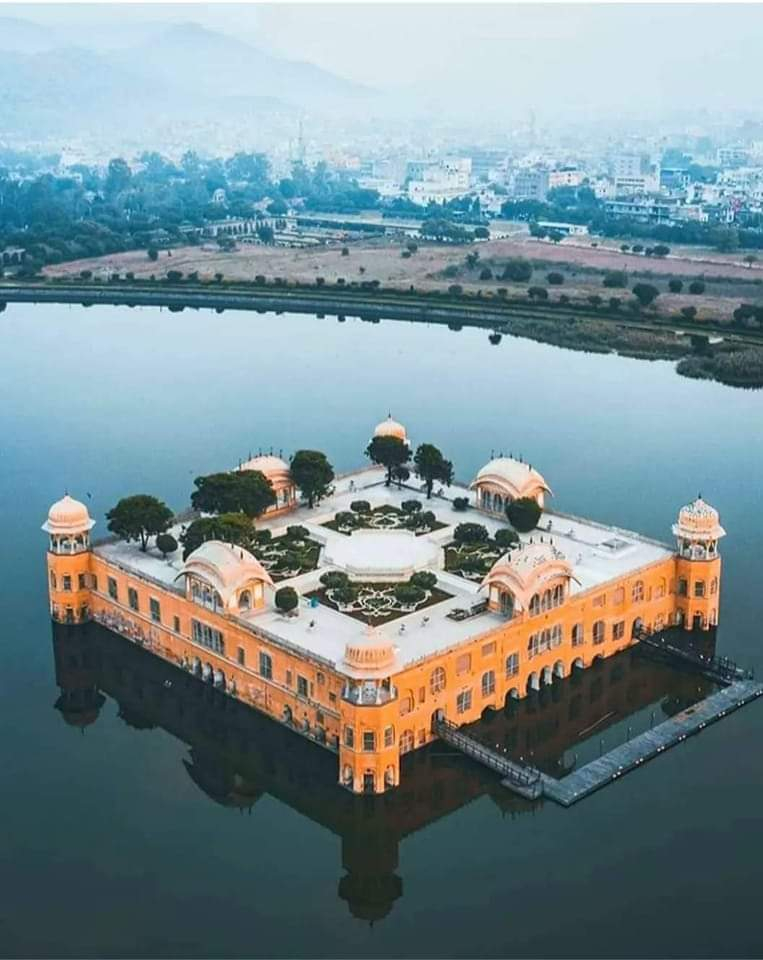
  • Jalmahal Palace, Jaipur, Rajasthan, BHARAT (India)

    Jal Mahal (meaning "Water Palace") is a palace in the middle of the Man Sagar Lake in Jaipur city, the capital of the state of Rajasthan, India. The palace was originally constructed in 1699; the building and the lake around it were later renovated and enlarged in the 18th century by Maharaja Jai Singh II of Amber.

    The interior of the Jal Mahal Palace is not open to visitors.

    .
    .
    .

    #worldwidehindutemples #rajasthan #jaipur #architecture #incredibleindia #india #heritage #pinkcity #ancientindia #jaipurdiaries #jaipurtourism #rajasthantourism #palace #lake
    Jalmahal Palace, Jaipur, Rajasthan, BHARAT (India) 🚩 Jal Mahal (meaning "Water Palace") is a palace in the middle of the Man Sagar Lake in Jaipur city, the capital of the state of Rajasthan, India. The palace was originally constructed in 1699; the building and the lake around it were later renovated and enlarged in the 18th century by Maharaja Jai Singh II of Amber. The interior of the Jal Mahal Palace is not open to visitors. . . . #worldwidehindutemples #rajasthan #jaipur #architecture #incredibleindia #india #heritage #pinkcity #ancientindia #jaipurdiaries #jaipurtourism #rajasthantourism #palace #lake
    0 Kommentare 0 Anteile
Suchergebnis