• Can you believe that Europe and Asia are just 700 meters apart in Istanbul?!

    Yes — less than one kilometer separates two continents at one of the most fascinating geographical points on Earth.

    This is the Bosphorus Strait, which divides Istanbul between its European and Asian sides, making the city one of the few major cities in the world located on two continents.

    Amazing Bosphorus Facts:
    • Length: About 31 km
    • Narrowest point: About 700 m
    • Widest point: Up to 3.7 km
    • Depth: Over 100 m in some areas
    • North: Black Sea
    • South: Sea of Marmara

    But the Bosphorus is far more than a geographical boundary. It is a vital international waterway connecting the Black Sea with the Sea of Marmara, and providing a maritime route toward the Aegean and Mediterranean seas.

    This extraordinary location gives Istanbul something very few cities can claim:

    One city. Two continents. One legendary strait.

    Here’s the question:

    If you were standing on one side of the Bosphorus looking across at the other…

    Would you feel like you were looking at another continent or simply another part of the same city?

    Europe or Asia?
    Which side would you choose to explore first — and why?

    #Geography #BosphorusStrait #Istanbul #Turkey #AsiaAndEurope
    🌍 Can you believe that Europe and Asia are just 700 meters apart in Istanbul?! Yes — less than one kilometer separates two continents at one of the most fascinating geographical points on Earth. 📍 This is the Bosphorus Strait, which divides Istanbul between its European and Asian sides, making the city one of the few major cities in the world located on two continents. 📏 Amazing Bosphorus Facts: • Length: About 31 km • Narrowest point: About 700 m • Widest point: Up to 3.7 km • Depth: Over 100 m in some areas • North: Black Sea • South: Sea of Marmara 🚢 But the Bosphorus is far more than a geographical boundary. It is a vital international waterway connecting the Black Sea with the Sea of Marmara, and providing a maritime route toward the Aegean and Mediterranean seas. 🏙️ This extraordinary location gives Istanbul something very few cities can claim: One city. Two continents. One legendary strait. 🔥 Here’s the question: If you were standing on one side of the Bosphorus looking across at the other… Would you feel like you were looking at another continent or simply another part of the same city? 🇪🇺 Europe or 🌏 Asia? Which side would you choose to explore first — and why? #Geography #BosphorusStrait #Istanbul #Turkey #AsiaAndEurope
    0 Comentários 0 Compartilhamentos
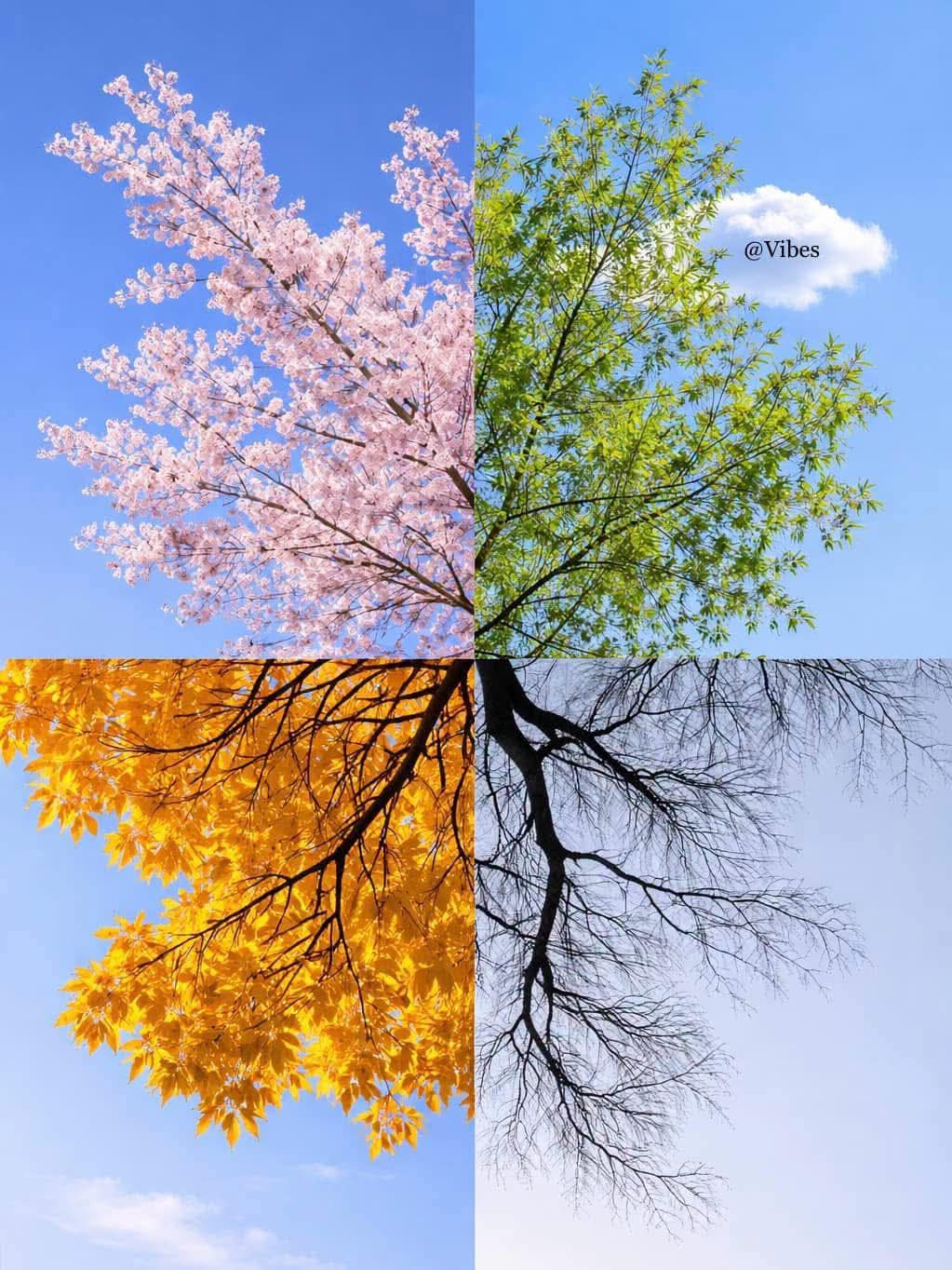
  • Four seasons… one soul
    Life changes, but we keep growing.
    Four seasons… one soul 🌸🌿🍂❄️ Life changes, but we keep growing.
    0 Comentários 0 Compartilhamentos
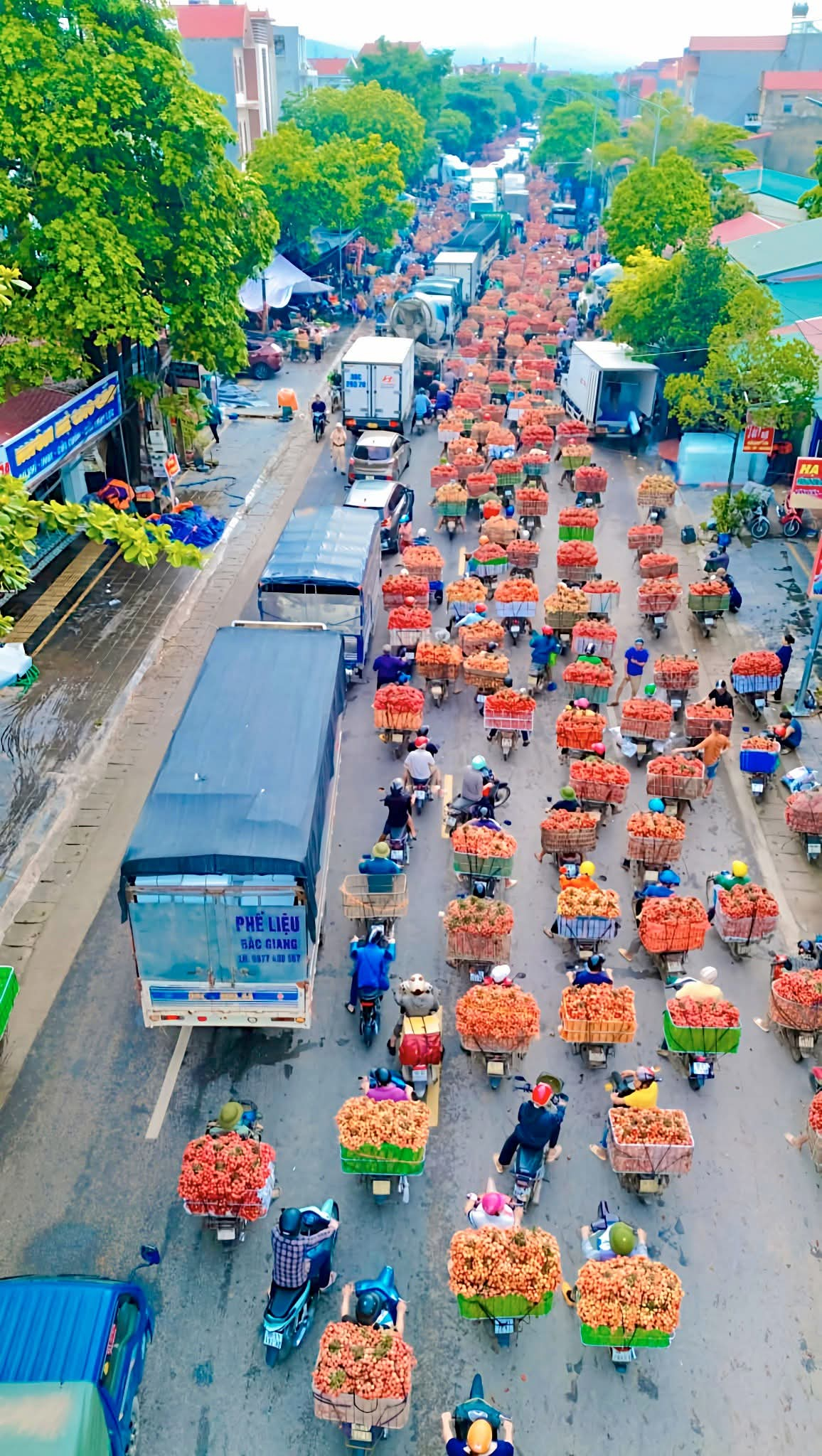
  • Lychee season in Vietnam
    Lychee season in Vietnam 🥰
    0 Comentários 0 Compartilhamentos
  • #Turkey is located at the crossroads of Asia and Europe. It is bordered by Greece and Bulgaria to the northwest, the Black Sea to the north, Georgia to the northeast, Armenia, the Azerbaijani exclave of Nakhchivan, and Iran to the east, Iraq to the southeast, Syria and the Mediterranean Sea to the south, and the Aegean Sea to the west.
    Area: 783,562 square kilometers.
    Topography: Includes the Taurus Mountains in the south, the Pontic Mountains in the north, fertile plains like the Anatolian Plain, and the Central Anatolian Plateau, along with lakes such as Lake Van.
    Water Bodies: Borders four major seas: the Black Sea, the Sea of Marmara, the Aegean Sea, and the Mediterranean Sea.
    2. Climate:
    Coastal Areas:
    Mediterranean and Aegean Coasts: Mediterranean climate with hot, dry summers and mild, wet winters.
    Black Sea Coast: Moderate and humid climate year-round.
    Inland Regions: Continental climate with hot, dry summers and very cold, snowy winters.
    Climate Change: Turkey faces challenges like drought and rising temperatures due to climate change.
    3. Population:
    Population Size: Approximately 84.5 million (2021).
    Population Distribution: Istanbul is the largest city with over 15.5 million residents. Ankara is the second largest, followed by Izmir, Bursa, and Antalya.
    Ethnic Diversity: Predominantly Turks, with a significant Kurdish minority, and smaller Armenian, Arab, and Greek communities.
    Population Growth: About 1.2% annually.
    4. Economy:
    GDP: Approximately $7.209 trillion in 2021.
    Exports: Includes agricultural products, automobiles, textiles, and electronics, valued at $225 billion.
    Imports: Mainly energy and raw materials, totaling $271 billion.
    Unemployment Rate: Around 10.3%.
    Agriculture and Industry: Notable for wheat, hazelnuts, and olives, as well as being a leading producer of automobiles and steel.
    5. Currency:
    The official currency is the Turkish Lira (TRY), which experiences fluctuations in value against foreign currencies.
    6. Tourism:
    Visitor Numbers: Turkey welcomed around 30 million tourists in 2021.
    Revenue: Approximately $24.5 billion.
    Top Destinations:
    Istanbul: Iconic landmarks like Hagia Sophia, the Blue Mosque, and Topkapi Palace.
    Antalya: A hub for coastal tourism.
    Cappadocia: Known for its unique landscapes and hot air balloons.
    Historical Sites: Ephesus and Troy.
    7. History:
    Civilizations: Turkey has been home to various civilizations, including the Hittites, Persians, Romans, and Byzantines.
    Ottoman Era: Spanned from the 14th century to the early 20th century.
    Modern Republic: Established in 1923 under Mustafa Kemal Atatürk, who moved the capital to Ankara and initiated widespread reforms.
    8. Education:
    Education System: Mandatory for 12 years (6 years primary, 3 years middle, 3 years secondary).
    Higher Education: Home to numerous universities, including Istanbul University and Middle East Technical University.
    Literacy Rate: Approximately 96%.
    9. Healthcare:
    Healthcare System: Turkey has a well-developed healthcare system encompassing public and private sectors.
    Medical Tourism: A popular destination for medical and cosmetic treatments, attracting thousands of patients annually.
    Hospitals: Equipped with state-of-the-art medical technology.
    10. Culture:
    Official Language: Turkish.
    Religion: Islam is the predominant religion, with Christian and Jewish minorities.
    Traditions: A blend of Eastern and Western cultural influences.
    Turkey serves as a bridge between East and West, with a rich history and modern development.
    #Turkey is located at the crossroads of Asia and Europe. It is bordered by Greece and Bulgaria to the northwest, the Black Sea to the north, Georgia to the northeast, Armenia, the Azerbaijani exclave of Nakhchivan, and Iran to the east, Iraq to the southeast, Syria and the Mediterranean Sea to the south, and the Aegean Sea to the west. Area: 783,562 square kilometers. Topography: Includes the Taurus Mountains in the south, the Pontic Mountains in the north, fertile plains like the Anatolian Plain, and the Central Anatolian Plateau, along with lakes such as Lake Van. Water Bodies: Borders four major seas: the Black Sea, the Sea of Marmara, the Aegean Sea, and the Mediterranean Sea. 🌐 2. Climate: Coastal Areas: Mediterranean and Aegean Coasts: Mediterranean climate with hot, dry summers and mild, wet winters. Black Sea Coast: Moderate and humid climate year-round. Inland Regions: Continental climate with hot, dry summers and very cold, snowy winters. Climate Change: Turkey faces challenges like drought and rising temperatures due to climate change. 🌐 3. Population: Population Size: Approximately 84.5 million (2021). Population Distribution: Istanbul is the largest city with over 15.5 million residents. Ankara is the second largest, followed by Izmir, Bursa, and Antalya. Ethnic Diversity: Predominantly Turks, with a significant Kurdish minority, and smaller Armenian, Arab, and Greek communities. Population Growth: About 1.2% annually. 🌐 4. Economy: GDP: Approximately $7.209 trillion in 2021. Exports: Includes agricultural products, automobiles, textiles, and electronics, valued at $225 billion. Imports: Mainly energy and raw materials, totaling $271 billion. Unemployment Rate: Around 10.3%. Agriculture and Industry: Notable for wheat, hazelnuts, and olives, as well as being a leading producer of automobiles and steel. 🌐 5. Currency: The official currency is the Turkish Lira (TRY), which experiences fluctuations in value against foreign currencies. 🌐 6. Tourism: Visitor Numbers: Turkey welcomed around 30 million tourists in 2021. Revenue: Approximately $24.5 billion. Top Destinations: Istanbul: Iconic landmarks like Hagia Sophia, the Blue Mosque, and Topkapi Palace. Antalya: A hub for coastal tourism. Cappadocia: Known for its unique landscapes and hot air balloons. Historical Sites: Ephesus and Troy. 🌐 7. History: Civilizations: Turkey has been home to various civilizations, including the Hittites, Persians, Romans, and Byzantines. Ottoman Era: Spanned from the 14th century to the early 20th century. Modern Republic: Established in 1923 under Mustafa Kemal Atatürk, who moved the capital to Ankara and initiated widespread reforms. 🌐 8. Education: Education System: Mandatory for 12 years (6 years primary, 3 years middle, 3 years secondary). Higher Education: Home to numerous universities, including Istanbul University and Middle East Technical University. Literacy Rate: Approximately 96%. 🌐 9. Healthcare: Healthcare System: Turkey has a well-developed healthcare system encompassing public and private sectors. Medical Tourism: A popular destination for medical and cosmetic treatments, attracting thousands of patients annually. Hospitals: Equipped with state-of-the-art medical technology. 🌐 10. Culture: Official Language: Turkish. Religion: Islam is the predominant religion, with Christian and Jewish minorities. Traditions: A blend of Eastern and Western cultural influences. Turkey serves as a bridge between East and West, with a rich history and modern development.
    0 Comentários 0 Compartilhamentos
  • The fast of Ramadan has begun in many parts of the world. It is considered the holiest month for Muslims. The fasting month comes after Eid al-Fitr.

    The duration of the daily fast varies depending on the place and season. In the Nordic countries, the longest fasting period is around 16 hours at the end of the fasting month. On the other hand, in many countries the fasting period is around 12 hours. How long exactly do Muslims fast in different countries? Here is a summary.
    The fast of Ramadan has begun in many parts of the world. It is considered the holiest month for Muslims. The fasting month comes after Eid al-Fitr. The duration of the daily fast varies depending on the place and season. In the Nordic countries, the longest fasting period is around 16 hours at the end of the fasting month. On the other hand, in many countries the fasting period is around 12 hours. How long exactly do Muslims fast in different countries? Here is a summary.
    0 Comentários 0 Compartilhamentos
  • Türkiye is the only place in the world where natural black roses grow, fed by the waters of the Euphrates. A very rare type of flower, only in the village of Halfeti, southeastern province of Şanlıurfa, near Urfa province.

    They appear black during the summer, in other seasons they are very dark red. This variety is due to the density of the soil and the combination of anthocyanins, water-soluble pigments; The soil has a huge impact on this type of pigment, since it is quite sensitive to pH.

    *ai generated. Not a real picture.
    Türkiye is the only place in the world where natural black roses grow, fed by the waters of the Euphrates. A very rare type of flower, only in the village of Halfeti, southeastern province of Şanlıurfa, near Urfa province. They appear black during the summer, in other seasons they are very dark red. This variety is due to the density of the soil and the combination of anthocyanins, water-soluble pigments; The soil has a huge impact on this type of pigment, since it is quite sensitive to pH. *ai generated. Not a real picture.
    0 Comentários 0 Compartilhamentos
  • Türkiye is the only place in the world where natural black roses grow, fed by the waters of the Euphrates. A very rare type of flower, only in the village of Halfeti, southeastern province of Şanlıurfa, near Urfa province.

    They appear black during the summer, in other seasons they are very dark red. This variety is due to the density of the soil and the combination of anthocyanins, water-soluble pigments; The soil has a huge impact on this type of pigment, since it is quite sensitive to pH.
    Türkiye is the only place in the world where natural black roses grow, fed by the waters of the Euphrates. A very rare type of flower, only in the village of Halfeti, southeastern province of Şanlıurfa, near Urfa province. They appear black during the summer, in other seasons they are very dark red. This variety is due to the density of the soil and the combination of anthocyanins, water-soluble pigments; The soil has a huge impact on this type of pigment, since it is quite sensitive to pH. 🖤
    0 Comentários 0 Compartilhamentos
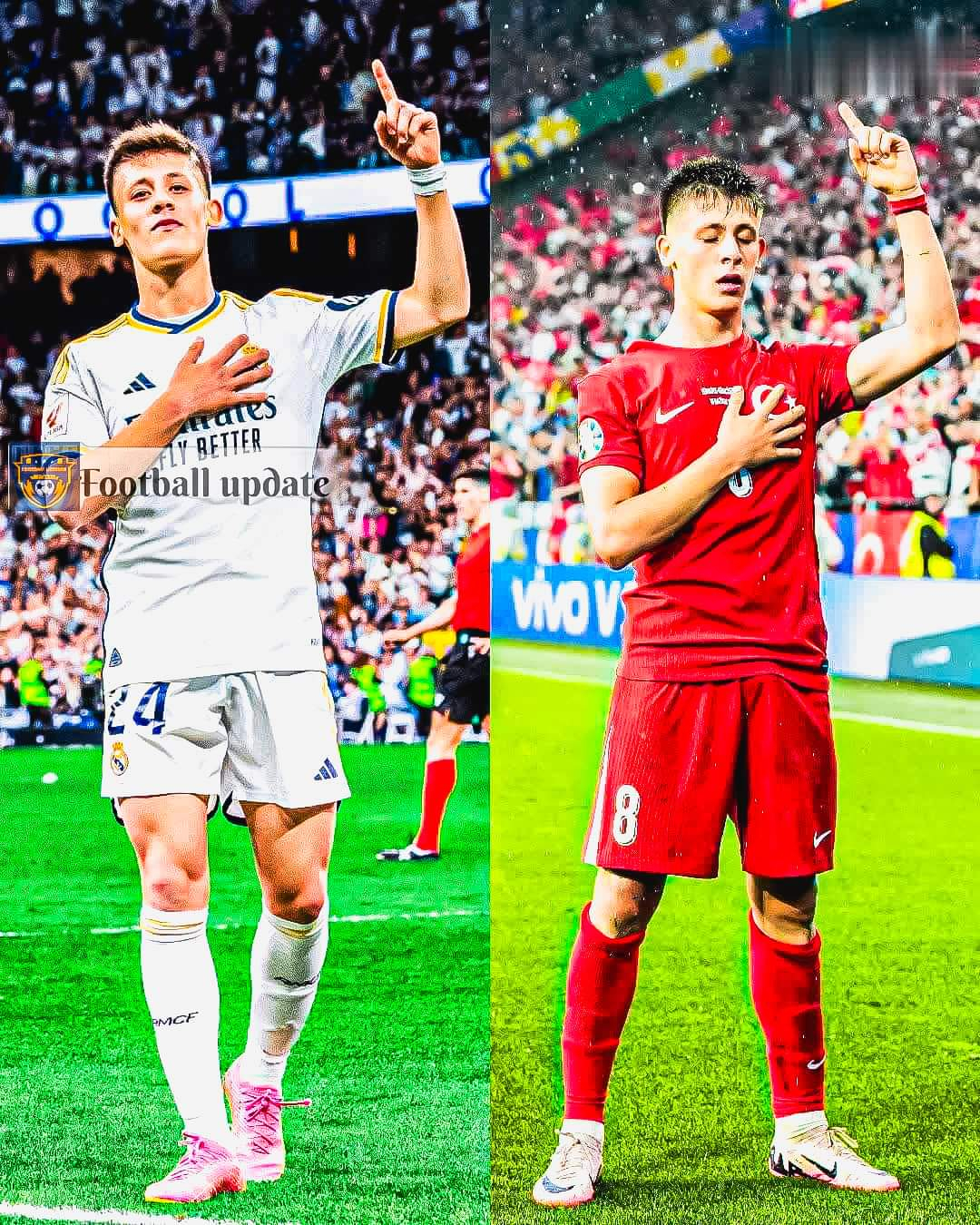
  • 𝗨𝗽𝗱𝗮𝘁𝗲
    Born in Ankara, Turkey in 2005.
    In 2019, at the age of 14, he joined the inferiors of Fenerbahçe. Already one of the most important jewels of Turkish football.
    Debuted in the first division at the age of 16 (). Just a few weeks ago, he signed his first contract.
    He became the youngest goalscorer in the Turkish league. In his first season, he played 16 games and scored 5 goals.
    In 2022, he debuted for the Turkish national team.
    Real Madrid paid €20 million for his talent. In July 2023 he joined the team.
    Injuries delayed his debut, but they didn't compromise his talent. His first goal for Madrid came in March this year.

    And today, against Georgia, he scored a real goal that placed him as the youngest player in the history of his country to achieve it.

    The future of Arda Güler...
    🔔𝗨𝗽𝗱𝗮𝘁𝗲 ☑️ 🔙 Born in Ankara, Turkey in 2005. 💎 In 2019, at the age of 14, he joined the inferiors of Fenerbahçe. Already one of the most important jewels of Turkish football. 📈 Debuted in the first division at the age of 16 (❗). Just a few weeks ago, he signed his first contract. 🔞 He became the youngest goalscorer in the Turkish league. In his first season, he played 16 games and scored 5 goals. 🔝 In 2022, he debuted for the Turkish national team. 🇪🇸 Real Madrid paid €20 million for his talent. In July 2023 he joined the team. 🏥 Injuries delayed his debut, but they didn't compromise his talent. His first goal for Madrid came in March this year. 🇹🇷 And today, against Georgia, he scored a real goal that placed him as the youngest player in the history of his country to achieve it. The future of Arda Güler...
    0 Comentários 0 Compartilhamentos
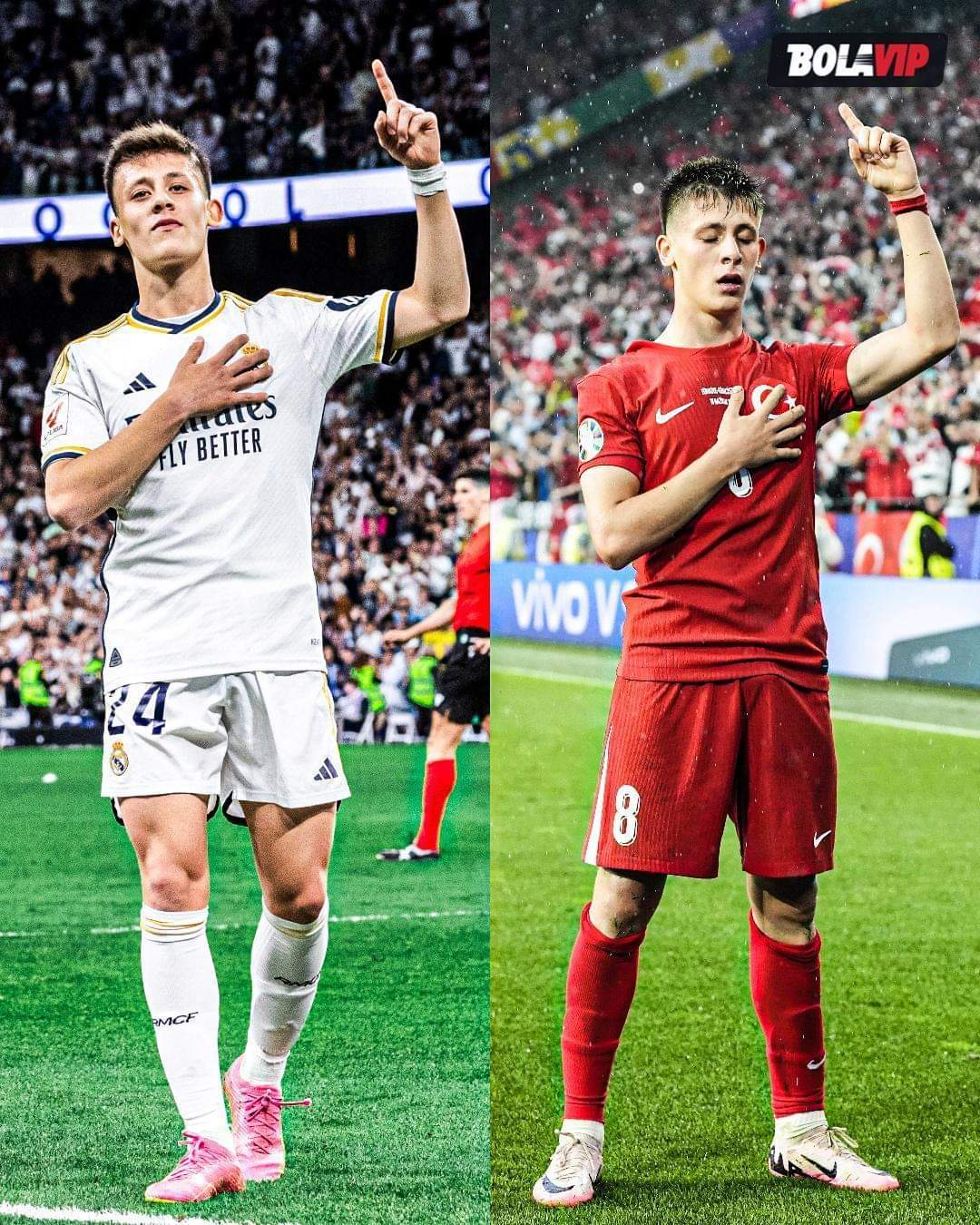
  • Born in Ankara, Turkey, in 2005.

    In 2019, at the age of 14, he joined the youth ranks of Fenerbahçe. He was already considered one of the most important gems in Turkish football.

    He made his first division debut at 16 (). Just a few weeks earlier, he had signed his first professional contract.

    He became the youngest top scorer in the Turkish league. In his first season, he played 16 matches and scored 5 goals.

    In 2022, he debuted with the Turkish National Team.

    Real Madrid paid 20 million euros for his talent. He joined the team in July 2023.

    Injuries delayed his debut, but did not compromise his talent. He scored his first goal for Real Madrid in March this year.

    And today, against Georgia, he scored a true screamer, making him the youngest player in his country’s history to achieve this feat.

    The future of Arda Güler...
    🔙 Born in Ankara, Turkey, in 2005. 💎 In 2019, at the age of 14, he joined the youth ranks of Fenerbahçe. He was already considered one of the most important gems in Turkish football. 📈 He made his first division debut at 16 (❗). Just a few weeks earlier, he had signed his first professional contract. 🔞 He became the youngest top scorer in the Turkish league. In his first season, he played 16 matches and scored 5 goals. 🔝 In 2022, he debuted with the Turkish National Team. 🇪🇸 Real Madrid paid 20 million euros for his talent. He joined the team in July 2023. 🏥 Injuries delayed his debut, but did not compromise his talent. He scored his first goal for Real Madrid in March this year. 🇹🇷 And today, against Georgia, he scored a true screamer, making him the youngest player in his country’s history to achieve this feat. The future of Arda Güler...
    0 Comentários 0 Compartilhamentos
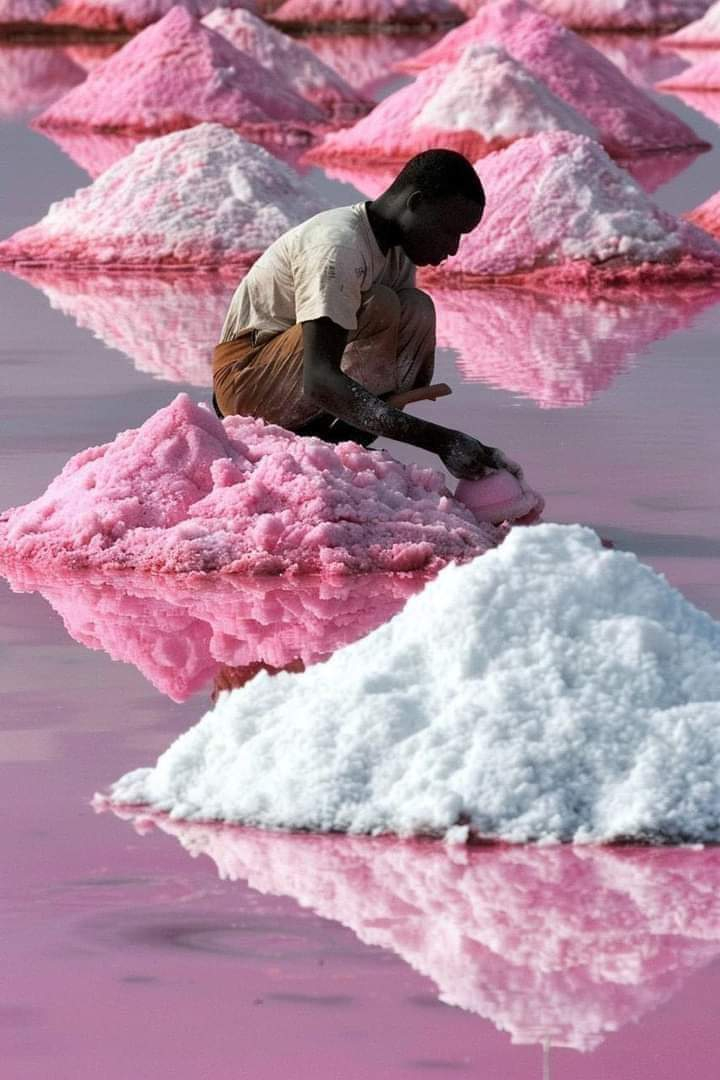
  • Lake Rosa (locally known as Lake Retba) is located north of the Senegalese Cape Verde peninsula, in the northeast of the African country. At a distance of 35 km from Dakar. It has an area of 3 km². The adjective pink comes from the color of its waters, which become especially pinkish during the dry season. This is due to an algae called (Dunaliella salina) that makes a red pigment to absorb sunlight. The high level of salinity allows people to float easily, just like in the Dead Sea.
    Lake Rosa (locally known as Lake Retba) is located north of the Senegalese Cape Verde peninsula, in the northeast of the African country. At a distance of 35 km from Dakar. It has an area of 3 km². The adjective pink comes from the color of its waters, which become especially pinkish during the dry season. This is due to an algae called (Dunaliella salina) that makes a red pigment to absorb sunlight. The high level of salinity allows people to float easily, just like in the Dead Sea.
    0 Comentários 0 Compartilhamentos
Páginas Impulsionadas