• Can you believe that Europe and Asia are just 700 meters apart in Istanbul?!

    Yes — less than one kilometer separates two continents at one of the most fascinating geographical points on Earth.

    This is the Bosphorus Strait, which divides Istanbul between its European and Asian sides, making the city one of the few major cities in the world located on two continents.

    Amazing Bosphorus Facts:
    • Length: About 31 km
    • Narrowest point: About 700 m
    • Widest point: Up to 3.7 km
    • Depth: Over 100 m in some areas
    • North: Black Sea
    • South: Sea of Marmara

    But the Bosphorus is far more than a geographical boundary. It is a vital international waterway connecting the Black Sea with the Sea of Marmara, and providing a maritime route toward the Aegean and Mediterranean seas.

    This extraordinary location gives Istanbul something very few cities can claim:

    One city. Two continents. One legendary strait.

    Here’s the question:

    If you were standing on one side of the Bosphorus looking across at the other…

    Would you feel like you were looking at another continent or simply another part of the same city?

    Europe or Asia?
    Which side would you choose to explore first — and why?

    #Geography #BosphorusStrait #Istanbul #Turkey #AsiaAndEurope
    🌍 Can you believe that Europe and Asia are just 700 meters apart in Istanbul?! Yes — less than one kilometer separates two continents at one of the most fascinating geographical points on Earth. 📍 This is the Bosphorus Strait, which divides Istanbul between its European and Asian sides, making the city one of the few major cities in the world located on two continents. 📏 Amazing Bosphorus Facts: • Length: About 31 km • Narrowest point: About 700 m • Widest point: Up to 3.7 km • Depth: Over 100 m in some areas • North: Black Sea • South: Sea of Marmara 🚢 But the Bosphorus is far more than a geographical boundary. It is a vital international waterway connecting the Black Sea with the Sea of Marmara, and providing a maritime route toward the Aegean and Mediterranean seas. 🏙️ This extraordinary location gives Istanbul something very few cities can claim: One city. Two continents. One legendary strait. 🔥 Here’s the question: If you were standing on one side of the Bosphorus looking across at the other… Would you feel like you were looking at another continent or simply another part of the same city? 🇪🇺 Europe or 🌏 Asia? Which side would you choose to explore first — and why? #Geography #BosphorusStrait #Istanbul #Turkey #AsiaAndEurope
    0 Commentarios 0 Acciones
  • Shanghai Cooperation Organization spans 10 member states and more than 3.5B people

    Eurasian bloc covers 36M square kilometers, representing around one-quarter of global GDP and over 15% of international trade

    Founded in 2001 after emerging from ‘Shanghai Five,’ organization has expanded to include India, Pakistan, Iran and Belarus, while Türkiye is a dialogue partner
    📌 Shanghai Cooperation Organization spans 10 member states and more than 3.5B people 📈 Eurasian bloc covers 36M square kilometers, representing around one-quarter of global GDP and over 15% of international trade 📜 Founded in 2001 after emerging from ‘Shanghai Five,’ organization has expanded to include India, Pakistan, Iran and Belarus, while Türkiye is a dialogue partner
    0 Commentarios 0 Acciones
  • Shanghai Cooperation Organization summit begins in Bishkek, Kyrgyzstan, marking 25th anniversary of Eurasian bloc

    Leaders from member states representing more than 40% of world population and around quarter of global GDP attend meeting

    Summit set to conclude with signing of Bishkek Declaration, followed by SCO Plus meeting featuring Turkish President Recep Tayyip Erdogan

    More here http://v.aa.com.tr/4043325
    🌏 Shanghai Cooperation Organization summit begins in Bishkek, Kyrgyzstan, marking 25th anniversary of Eurasian bloc 🤝 Leaders from member states representing more than 40% of world population and around quarter of global GDP attend meeting 📌 Summit set to conclude with signing of Bishkek Declaration, followed by SCO Plus meeting featuring Turkish President Recep Tayyip Erdogan More here 🔗 http://v.aa.com.tr/4043325
    0 Commentarios 0 Acciones
  • TURKEY
    Things you probably didn’t know about Türkiye (breaking common myths):

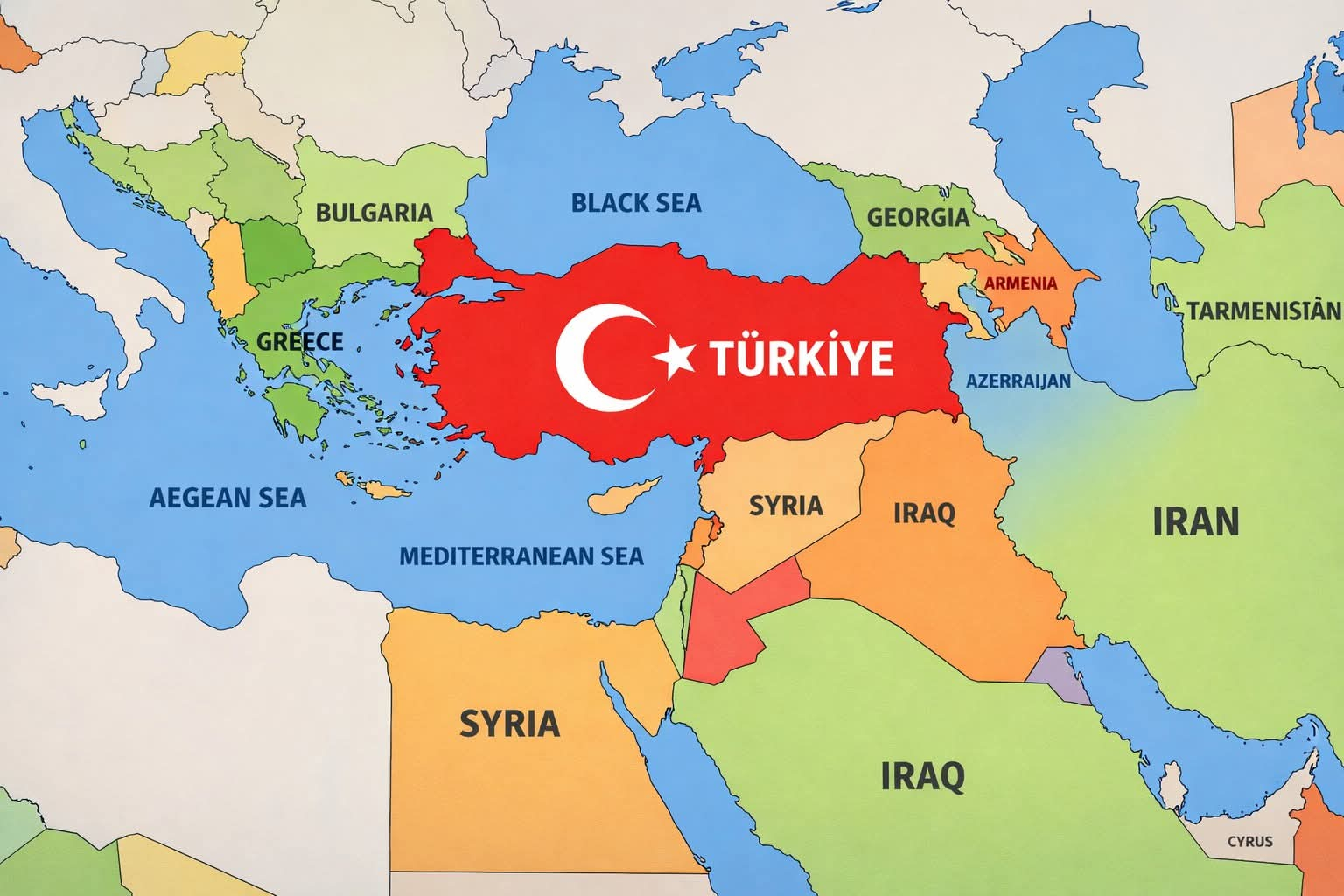
    A bridge between continents: One of the few countries in the world that spans both Europe and Asia — with Istanbul divided by the Bosphorus Strait.

    Not the capital you think: While Istanbul is the most famous city, the real capital is Ankara.

    Empire legacy: The heart of the Ottoman Empire for over 600 years, influencing Europe, Asia, and Africa.

    Hagia Sophia is unique: The iconic Hagia Sophia has served as a church, mosque, and museum throughout history.

    Cradle of civilizations: Home to ancient cultures like the Hittites, Greeks, and Romans — leaving behind incredible archaeological heritage.

    Tea > Coffee: Contrary to popular belief, tea is consumed more than coffee and is a daily essential.

    Turkish baths: The famous “hammam” is a centuries-old tradition of relaxation and cleansing from the Ottoman era.

    Unreal landscapes: Places like Cappadocia are known for fairy chimneys and breathtaking hot air balloon rides.

    Rich cuisine: From kebabs to baklava and Turkish delight, Turkish food is loved worldwide.

    Strategic location: Controls key routes between the Black Sea and the Mediterranean — making it geopolitically important.

    Historic bazaars: The Grand Bazaar in Istanbul is one of the oldest and largest covered markets in the world.

    Cultural diversity: A unique blend of European, Asian, and Middle Eastern influences in architecture, music, and traditions.

    Global TV hits: Turkish series and films are hugely popular in Latin America and beyond.

    Follow for more amazing facts!
    Like | Comment | Share

    #Turkey #Türkiye #Travel #History #Culture #Explore
    🇹🇷 TURKEY 🇹🇷 🧠😍 Things you probably didn’t know about Türkiye (breaking common myths): 👏👏 🌍 A bridge between continents: One of the few countries in the world that spans both Europe and Asia — with Istanbul divided by the Bosphorus Strait. 🏛️ Not the capital you think: While Istanbul is the most famous city, the real capital is Ankara. 👑 Empire legacy: The heart of the Ottoman Empire for over 600 years, influencing Europe, Asia, and Africa. 🕌 Hagia Sophia is unique: The iconic Hagia Sophia has served as a church, mosque, and museum throughout history. 🏺 Cradle of civilizations: Home to ancient cultures like the Hittites, Greeks, and Romans — leaving behind incredible archaeological heritage. 🍵 Tea > Coffee: Contrary to popular belief, tea is consumed more than coffee and is a daily essential. 🛁 Turkish baths: The famous “hammam” is a centuries-old tradition of relaxation and cleansing from the Ottoman era. 🎈 Unreal landscapes: Places like Cappadocia are known for fairy chimneys and breathtaking hot air balloon rides. 🍽️ Rich cuisine: From kebabs to baklava and Turkish delight, Turkish food is loved worldwide. 🌐 Strategic location: Controls key routes between the Black Sea and the Mediterranean — making it geopolitically important. 🛍️ Historic bazaars: The Grand Bazaar in Istanbul is one of the oldest and largest covered markets in the world. 🎶 Cultural diversity: A unique blend of European, Asian, and Middle Eastern influences in architecture, music, and traditions. 📺 Global TV hits: Turkish series and films are hugely popular in Latin America and beyond. 👉 Follow for more amazing facts! 🌍✨ ❤️ Like | 💬 Comment | 🔁 Share #Turkey #Türkiye #Travel #History #Culture #Explore
    1
    0 Commentarios 0 Acciones
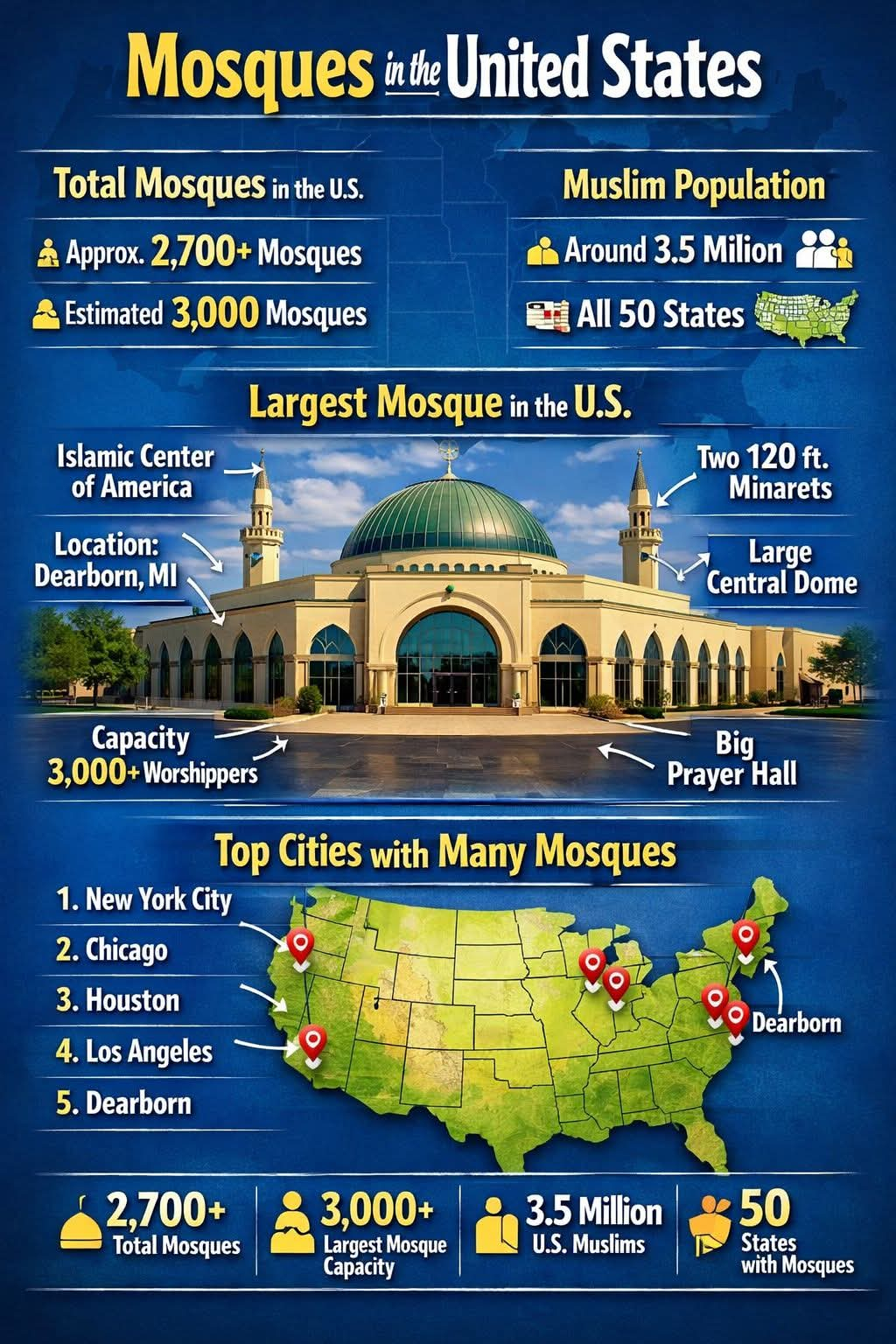
  • The United States has a growing Muslim community and thousands of mosques spread across the country. According to research by the Institute for Social Policy and Understanding, there are approximately 2,700 to 3,000 mosques in America today. These mosques serve as places for daily prayers, Friday congregational prayers, Islamic education, and community activities. Over the past few decades, the number of mosques has increased significantly due to the rising Muslim population and immigration from different parts of the world.
    The Muslim population in the United States is estimated to be around 3.5 million people. Muslims in America come from diverse ethnic backgrounds including Arabs, South Asians, African Americans, Turks, and Africans. Because of this diversity, many mosques also function as cultural and community centers where people gather for religious learning, charity work, and social support.
    One of the largest and most well-known mosques in the country is the Islamic Center of America, located in Dearborn, Michigan. This mosque is famous for its beautiful architecture, large central dome, and tall minarets. It can accommodate more than 3,000 worshippers at a time and is considered one of the biggest Islamic centers in North America.
    Major cities such as New York City, Chicago, Houston, and Los Angeles have many mosques because they have large Muslim populations. These mosques play an important role in maintaining religious identity, promoting community unity, and supporting charitable and educational activities throughout the United States.
    The United States has a growing Muslim community and thousands of mosques spread across the country. According to research by the Institute for Social Policy and Understanding, there are approximately 2,700 to 3,000 mosques in America today. These mosques serve as places for daily prayers, Friday congregational prayers, Islamic education, and community activities. Over the past few decades, the number of mosques has increased significantly due to the rising Muslim population and immigration from different parts of the world. The Muslim population in the United States is estimated to be around 3.5 million people. Muslims in America come from diverse ethnic backgrounds including Arabs, South Asians, African Americans, Turks, and Africans. Because of this diversity, many mosques also function as cultural and community centers where people gather for religious learning, charity work, and social support. One of the largest and most well-known mosques in the country is the Islamic Center of America, located in Dearborn, Michigan. This mosque is famous for its beautiful architecture, large central dome, and tall minarets. It can accommodate more than 3,000 worshippers at a time and is considered one of the biggest Islamic centers in North America. Major cities such as New York City, Chicago, Houston, and Los Angeles have many mosques because they have large Muslim populations. These mosques play an important role in maintaining religious identity, promoting community unity, and supporting charitable and educational activities throughout the United States.
    0 Commentarios 0 Acciones
  • The Linguistic Structure of Iran
    Iran is a highly diverse country with many languages spoken across its regions. The most prominent language is Persian (Farsi), which serves as the official language. However, there are several other major languages, often categorized into distinct linguistic groups:
    1. Indo-Iranian Group
    • Persian (Farsi) – Official and widely spoken across Iran.
    • Kurdish – Mainly spoken in western regions.
    • Baluchi – Spoken in southeastern Iran.
    2. Turkic Group
    • Azerbaijani (Azeri) – Predominantly spoken in the northwest.
    • Turkmen – Spoken in the northeastern provinces.
    • Qashqai (Kashkai) is a Turkic language spoken by the Qashqai people, a semi-nomadic pastoralist group primarily living in the southwestern region of Iran, particularly in Fars province. It belongs to the Oghuz branch of the Turkic language family, which includes Azerbaijani, Turkish, and Turkmen. Qashqai is closely related to Azerbaijani, and many speakers are bilingual, also fluent in Persian (Farsi). The Qashqai people have a rich cultural heritage and maintain their own distinct traditions, including their language, despite the dominance of Persian in the region.

    3. Semitic Group
    • Arabic – Spoken in the southwestern regions, particularly Khuzestan.
    4. Caucasian and Other Minority Languages
    • Gilaki and Mazandarani – Spoken along the Caspian Sea coast.
    • Armenian – Spoken by the Armenian minority in various cities.
    Hashtags:
    #LinguisticDiversity #IranLanguages #PersianLanguage #CulturalDiversity #Iran #Linguistics
    The Linguistic Structure of Iran 🇮🇷 Iran is a highly diverse country with many languages spoken across its regions. The most prominent language is Persian (Farsi), which serves as the official language. However, there are several other major languages, often categorized into distinct linguistic groups: 1. Indo-Iranian Group • Persian (Farsi) – Official and widely spoken across Iran. • Kurdish – Mainly spoken in western regions. • Baluchi – Spoken in southeastern Iran. 2. Turkic Group • Azerbaijani (Azeri) – Predominantly spoken in the northwest. • Turkmen – Spoken in the northeastern provinces. • Qashqai (Kashkai) is a Turkic language spoken by the Qashqai people, a semi-nomadic pastoralist group primarily living in the southwestern region of Iran, particularly in Fars province. It belongs to the Oghuz branch of the Turkic language family, which includes Azerbaijani, Turkish, and Turkmen. Qashqai is closely related to Azerbaijani, and many speakers are bilingual, also fluent in Persian (Farsi). The Qashqai people have a rich cultural heritage and maintain their own distinct traditions, including their language, despite the dominance of Persian in the region. • 3. Semitic Group • Arabic – Spoken in the southwestern regions, particularly Khuzestan. 4. Caucasian and Other Minority Languages • Gilaki and Mazandarani – Spoken along the Caspian Sea coast. • Armenian – Spoken by the Armenian minority in various cities. Hashtags: #LinguisticDiversity #IranLanguages #PersianLanguage #CulturalDiversity #Iran #Linguistics
    0 Commentarios 0 Acciones
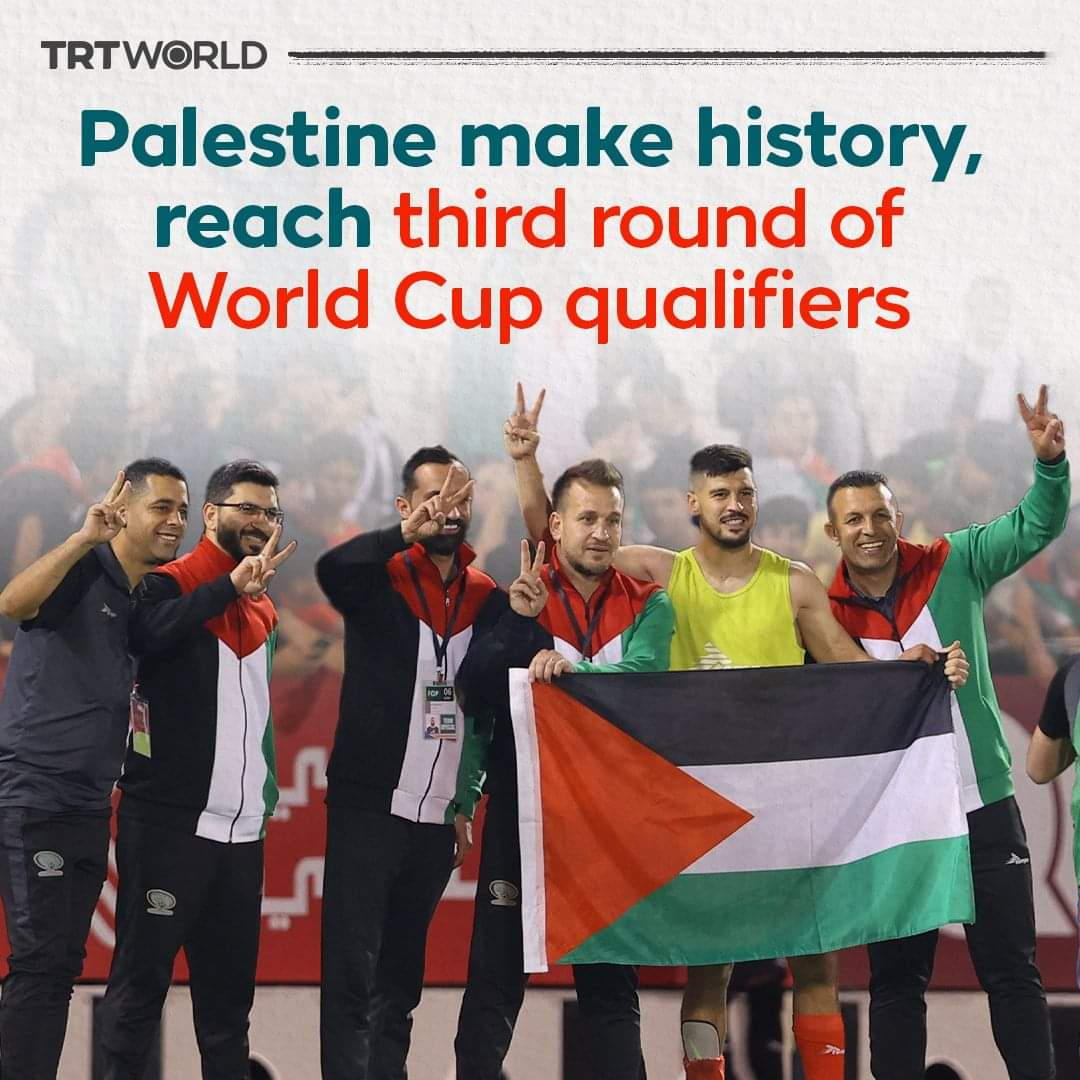
  • Palestine has made history by booking a place in the third round of the FIFA World Cup qualifiers for the first time, following a goalless draw against Lebanon in Doha.

    Palestine needed only a draw to progress after starting their Group I match on seven points on Thursday, and despite some harsh tactics from Lebanon, who were shown seven yellow cards, they got the result they wanted.

    It will also mark the fourth consecutive time Palestine has booked their place in the AFC Asian Cup finals, to be hosted by Saudi Arabia in 2027.

    Despite Israel's genocidal war on besieged Gaza, the Palestinian team has already claimed a piece of footballing history this year by making a debut appearance in the Asian Cup knockout phase.

    Palestinian players have always struggled to focus on the pitch, especially since the start of Israel's genocidal war on Gaza and the deterioration of the situation in the occupied West Bank.

    Many players have suffered the loss of loved ones in the blockaded enclave, while others have been unable to participate in their national team due to the harsh travel restrictions imposed on them.
    Palestine has made history by booking a place in the third round of the FIFA World Cup qualifiers for the first time, following a goalless draw against Lebanon in Doha. Palestine needed only a draw to progress after starting their Group I match on seven points on Thursday, and despite some harsh tactics from Lebanon, who were shown seven yellow cards, they got the result they wanted. It will also mark the fourth consecutive time Palestine has booked their place in the AFC Asian Cup finals, to be hosted by Saudi Arabia in 2027. Despite Israel's genocidal war on besieged Gaza, the Palestinian team has already claimed a piece of footballing history this year by making a debut appearance in the Asian Cup knockout phase. Palestinian players have always struggled to focus on the pitch, especially since the start of Israel's genocidal war on Gaza and the deterioration of the situation in the occupied West Bank. Many players have suffered the loss of loved ones in the blockaded enclave, while others have been unable to participate in their national team due to the harsh travel restrictions imposed on them.
    0 Commentarios 0 Acciones
  • EurAsianTimes:
    Türkiye'nin 5. Nesil hayalet, çift motorlu uçağı KAAN , geliştirilmiş itiş gücü ve aerodinamiğe, optimize edilmiş savaş yarıçapına, düşük radar kesit alanına, sensör füzyonuna, gelişmiş ve dahili multispektral sensörlere (EW ve RF/IR), otonomiye, süper seyire, ağ destekli gelişmiş veri bağlantısı yeteneklerine sahip olacak.

    KAAN milli Hava-Hava ve Hava- Yer füzeleriyle donatılacak .

    Daha da önemlisi, Türkiye kendi TF6000 ve TF10000 jet motorlarını üretiyor
    EurAsianTimes: 🇹🇷Türkiye'nin 5. Nesil hayalet, çift motorlu uçağı KAAN , geliştirilmiş itiş gücü ve aerodinamiğe, optimize edilmiş savaş yarıçapına, düşük radar kesit alanına, sensör füzyonuna, gelişmiş ve dahili multispektral sensörlere (EW ve RF/IR), otonomiye, süper seyire, ağ destekli gelişmiş veri bağlantısı yeteneklerine sahip olacak. KAAN milli Hava-Hava ve Hava- Yer füzeleriyle donatılacak . Daha da önemlisi, Türkiye kendi TF6000 ve TF10000 jet motorlarını üretiyor
    0 Commentarios 0 Acciones
  • People of Kazakhstan are getting ready to celebrate Nowruz (or Nauryz in Kazakh language) on March 22 by holding three-day festivities this year. As usual, they will be celebrating this great holiday along with their Central Asian neighbors, Afghanistan, Albania, Azerbaijan, Iran, Macedonia, and Turkic states of Russian Federation. To Kazakhs, Nauryz symbolizes the beginning of spring and renewal of nature.
    People of Kazakhstan are getting ready to celebrate Nowruz (or Nauryz in Kazakh language) on March 22 by holding three-day festivities this year. As usual, they will be celebrating this great holiday along with their Central Asian neighbors, Afghanistan, Albania, Azerbaijan, Iran, Macedonia, and Turkic states of Russian Federation. To Kazakhs, Nauryz symbolizes the beginning of spring and renewal of nature.
    0 Commentarios 0 Acciones
  • Ortaköy Camii - Ortaköy Mosque

    officially the Büyük Mecidiye Camii (Grand Imperial Mosque of Sultan Abdülmecid) in Beşiktaş, Istanbul, Turkey, is situated at the waterside of the Ortaköy pier square, one of the most popular locations on the Bosphorus. This structure is symbolic of the district of Ortaköy as it has a distinctive view of the Bosphorus Strait of Istanbul and the Bosphorus Bridge. The mosque can be viewed from the Bosphorus Cruise that is famous among tourists, to go from the Asian side of Istanbul to the European side on a ferry boat.

    History
    Located on the site of the present-day Ortaköy Mosque, there previously was a small masjid. Built in 1720, it was ruined during the Patrona Halil Uprising in 1731. The current mosque, which was erected in its place, was ordered by the Ottoman sultan Abdülmecid and built between 1854 and 1856, on the ruins of the Cantemir Palace. Its architects were Armenian father and son Garabet Amira Balyan and Nigoğayos Balyan (who also designed the nearby Dolmabahçe Palace and the Dolmabahçe Mosque), who designed it in the Neo-Baroque style.

    The single dome of the mosque was originally built using bricks. However, the dome developed cracks throughout time and was ready to collapse, so a new dome was reconstructed using concrete. In 1894, there was an earthquake that damaged the mosque, and it also suffered a minor fire in 1984. Thus, the structure has undergone a number of repair and restoration work in its time. Today, it is in fair shape.

    Features
    It consists of a two-story "sultan apartment" which has a "U shaped" plan, a main venue with a square plan which is covered with one dome. The "sliced facades" with mounting columns are "enriched" by carvings as well as relief, giving the mosque a "dynamic appearance". There are two rows of windows providing the main venue a "good illumination"

    The mosque is "pint-sized" in comparison to other mosques "on the other side of the golden horn". The mosque was built in Neo-baroque style. In terms of the interior space, this mosque is modest in scale, though the inside is quite spacious with its wide, "high bay windows" which refract its reflection in water as well as daylight. Floral patterned frescoes adorn the inside of the singular dome, along with "niche-like" windows bordered by imitation curtains. Materials like marble were used to build the mihrab and minbar, pink mosaics were also used to decorate the Mihrab. The reconstructed dome was built from concrete, while stone was used to build the two, slim minarets.

    There are also several panels of calligraphy executed by Abdülmecid I himself, as he was a calligrapher along with being a sultan.
    Ortaköy Camii - Ortaköy Mosque officially the Büyük Mecidiye Camii (Grand Imperial Mosque of Sultan Abdülmecid) in Beşiktaş, Istanbul, Turkey, is situated at the waterside of the Ortaköy pier square, one of the most popular locations on the Bosphorus. This structure is symbolic of the district of Ortaköy as it has a distinctive view of the Bosphorus Strait of Istanbul and the Bosphorus Bridge. The mosque can be viewed from the Bosphorus Cruise that is famous among tourists, to go from the Asian side of Istanbul to the European side on a ferry boat. History Located on the site of the present-day Ortaköy Mosque, there previously was a small masjid. Built in 1720, it was ruined during the Patrona Halil Uprising in 1731. The current mosque, which was erected in its place, was ordered by the Ottoman sultan Abdülmecid and built between 1854 and 1856, on the ruins of the Cantemir Palace. Its architects were Armenian father and son Garabet Amira Balyan and Nigoğayos Balyan (who also designed the nearby Dolmabahçe Palace and the Dolmabahçe Mosque), who designed it in the Neo-Baroque style. The single dome of the mosque was originally built using bricks. However, the dome developed cracks throughout time and was ready to collapse, so a new dome was reconstructed using concrete. In 1894, there was an earthquake that damaged the mosque, and it also suffered a minor fire in 1984. Thus, the structure has undergone a number of repair and restoration work in its time. Today, it is in fair shape. Features It consists of a two-story "sultan apartment" which has a "U shaped" plan, a main venue with a square plan which is covered with one dome. The "sliced facades" with mounting columns are "enriched" by carvings as well as relief, giving the mosque a "dynamic appearance". There are two rows of windows providing the main venue a "good illumination" The mosque is "pint-sized" in comparison to other mosques "on the other side of the golden horn". The mosque was built in Neo-baroque style. In terms of the interior space, this mosque is modest in scale, though the inside is quite spacious with its wide, "high bay windows" which refract its reflection in water as well as daylight. Floral patterned frescoes adorn the inside of the singular dome, along with "niche-like" windows bordered by imitation curtains. Materials like marble were used to build the mihrab and minbar, pink mosaics were also used to decorate the Mihrab. The reconstructed dome was built from concrete, while stone was used to build the two, slim minarets. There are also several panels of calligraphy executed by Abdülmecid I himself, as he was a calligrapher along with being a sultan.
    0 Commentarios 0 Acciones
Resultados de la búsqueda