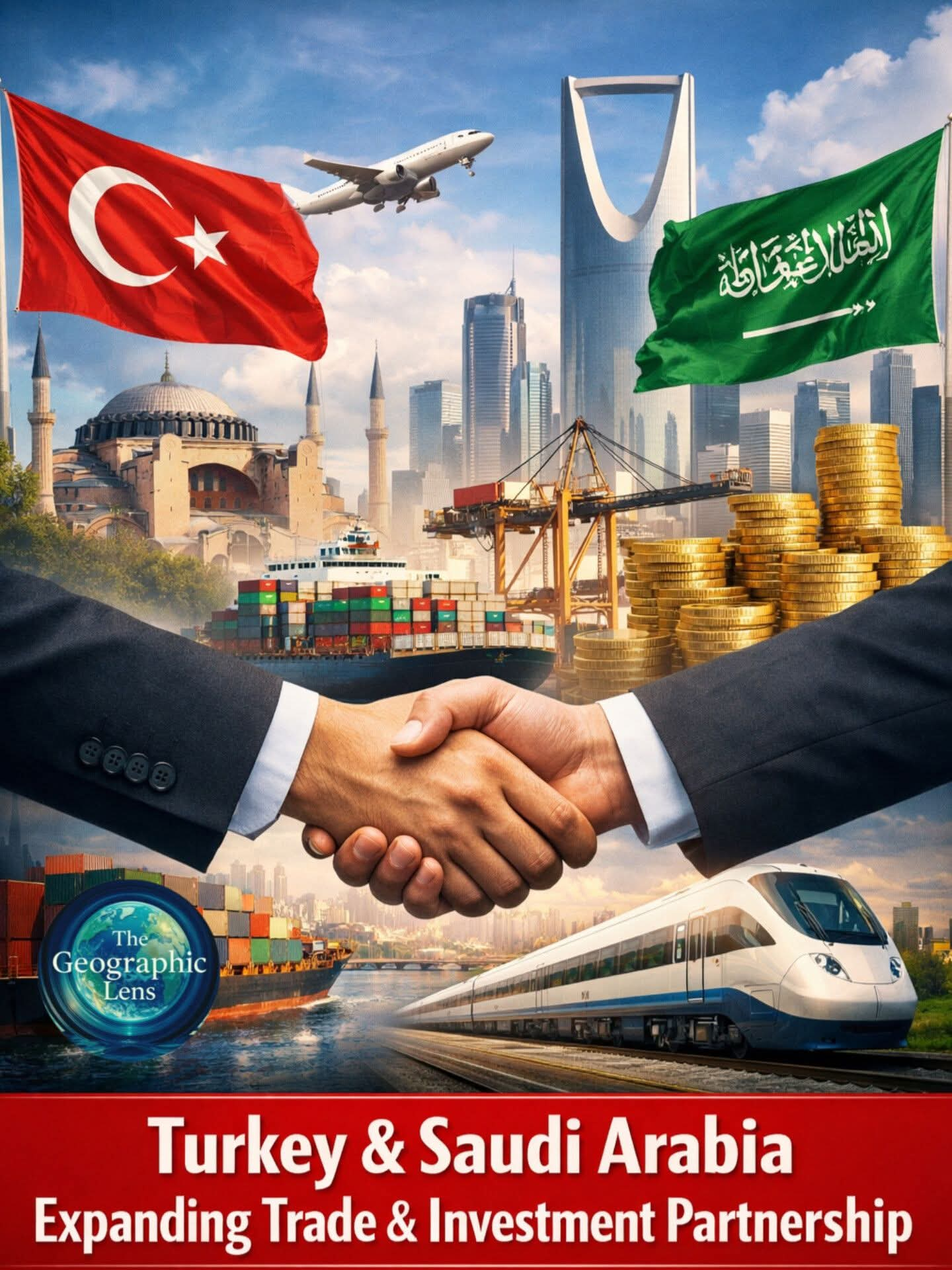
• Turkey–Saudi Arabia … Expanding Trade & Investment Partnership Toward New Economic Opportunities

    Reports indicate that Türkiye and Saudi Arabia have signed a new protocol aimed at strengthening trade and investment relations between the two countries during the conclusion of the third meeting of the Turkish–Saudi Coordination Council.

    Context: The agreement reflects growing economic cooperation between Ankara and Riyadh as both countries seek to expand regional partnerships, diversify investments, and increase bilateral trade opportunities.

    Key dynamics:
    Expanding bilateral trade and investment cooperation
    Strengthening economic coordination between Türkiye and Saudi Arabia
    Supporting joint projects and regional economic partnerships
    Enhancing connectivity between Middle Eastern markets

    Source: Statements from the Turkish Ministry of Trade regarding the Turkish–Saudi Coordination Council meeting

    #Turkey #SaudiArabia #Trade #Investment #Economy #MiddleEast #Diplomacy #Business #BreakingNews
    Turkey–Saudi Arabia ๐Ÿ‡น๐Ÿ‡ท๐Ÿค๐Ÿ‡ธ๐Ÿ‡ฆ… Expanding Trade & Investment Partnership Toward New Economic Opportunities ๐ŸŒ๐Ÿ’ผ Reports indicate that Türkiye and Saudi Arabia have signed a new protocol aimed at strengthening trade and investment relations between the two countries during the conclusion of the third meeting of the Turkish–Saudi Coordination Council. ๐Ÿ“Š Context: The agreement reflects growing economic cooperation between Ankara and Riyadh as both countries seek to expand regional partnerships, diversify investments, and increase bilateral trade opportunities. ๐ŸŒ Key dynamics: ๐Ÿ“ˆ Expanding bilateral trade and investment cooperation ๐Ÿค Strengthening economic coordination between Türkiye and Saudi Arabia ๐Ÿ—๏ธ Supporting joint projects and regional economic partnerships ๐ŸŒ Enhancing connectivity between Middle Eastern markets ๐Ÿ“Œ Source: Statements from the Turkish Ministry of Trade regarding the Turkish–Saudi Coordination Council meeting #Turkey #SaudiArabia #Trade #Investment #Economy #MiddleEast #Diplomacy #Business #BreakingNews
    0 Commenti 0 condivisioni
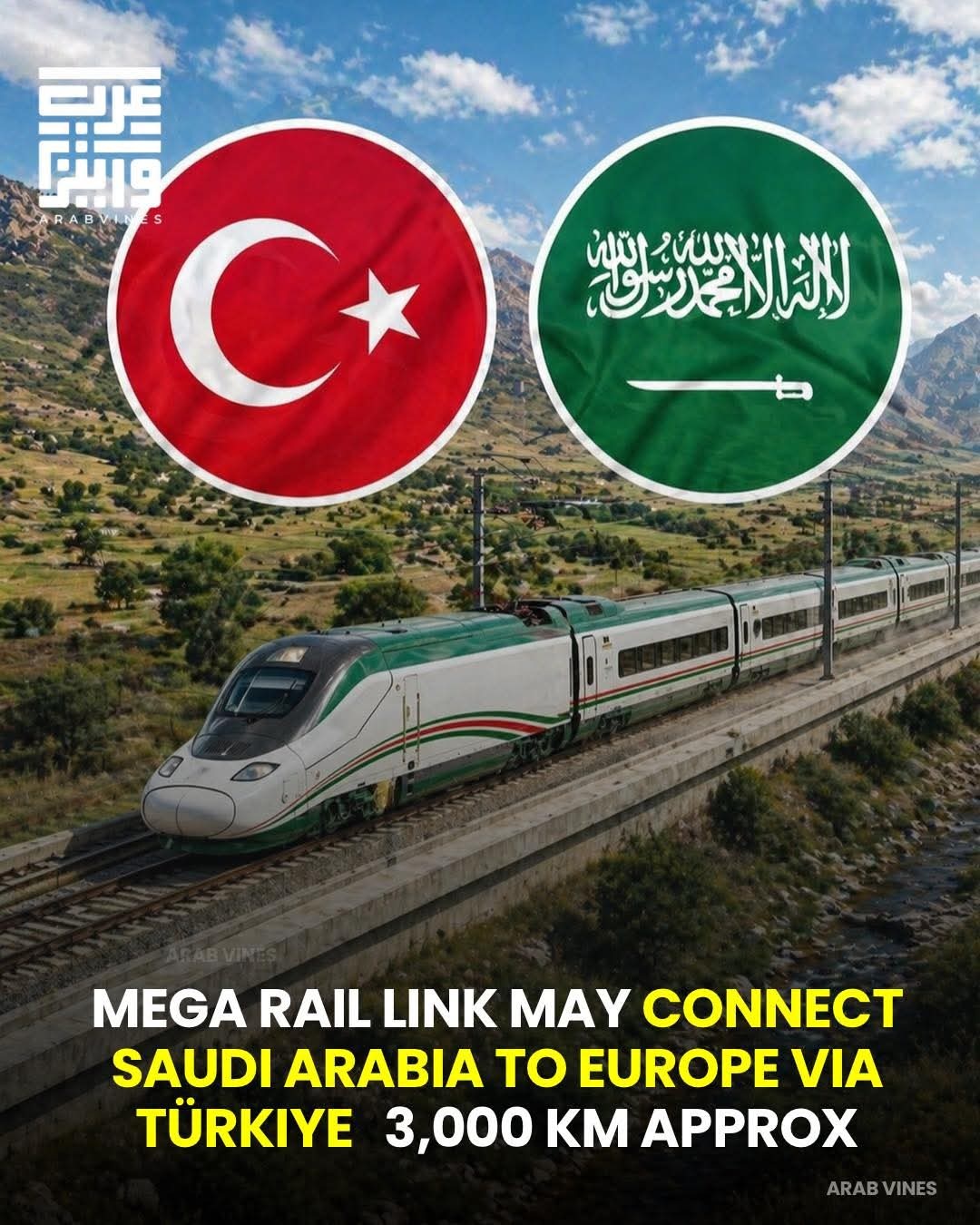
  • A powerful new railway route is being explored linking Saudi Arabia to Türkiye through Jordan and Syria.

    Why it matters:
    • Faster travel across the region
    • Stronger trade connections
    • A major boost to regional cooperation

    If approved, this could become one of the Middle East’s most important transport corridors.
    A powerful new railway route is being explored linking Saudi Arabia to Türkiye through Jordan and Syria. Why it matters: • Faster travel across the region • Stronger trade connections • A major boost to regional cooperation If approved, this could become one of the Middle East’s most important transport corridors.
    0 Commenti 0 condivisioni
  • A Historic Move After 125 Years!

    The Hejaz Railway, first launched by Sultan Abdul Hamid II in 1900 to connect Istanbul to Mecca and Medina, is being revived after 125 years!

    Türkiye, Jordan, and Syria have signed a protocol for reconstruction. A separate protocol with Saudi Arabia will follow soon.

    The new line will stretch from Istanbul → Damascus → Amman → Medina, aiming to provide safe, affordable travel for pilgrims and boost international trade.

    Originally completed in 1908, the railway was disrupted during World War I, but now it will return as a modern link of faith, history, and commerce.

    #HejazRailway #History #OttomanEmpire #AbdulHamidII #Pilgrimage #FaithAndTrade #Turkey #Jordan #Syria #SaudiArabia
    A Historic Move After 125 Years! ๐Ÿš‚โœจ The Hejaz Railway, first launched by Sultan Abdul Hamid II in 1900 to connect Istanbul to Mecca and Medina, is being revived after 125 years! ๐Ÿ‡น๐Ÿ‡ท Türkiye, ๐Ÿ‡ฏ๐Ÿ‡ด Jordan, and ๐Ÿ‡ธ๐Ÿ‡พ Syria have signed a protocol for reconstruction. A separate protocol with Saudi Arabia will follow soon. The new line will stretch from Istanbul → Damascus → Amman → Medina, aiming to provide safe, affordable travel for pilgrims and boost international trade. ๐Ÿ•Œ Originally completed in 1908, the railway was disrupted during World War I, but now it will return as a modern link of faith, history, and commerce. #HejazRailway #History #OttomanEmpire #AbdulHamidII #Pilgrimage #FaithAndTrade #Turkey #Jordan #Syria #SaudiArabia
    1
    0 Commenti 0 condivisioni
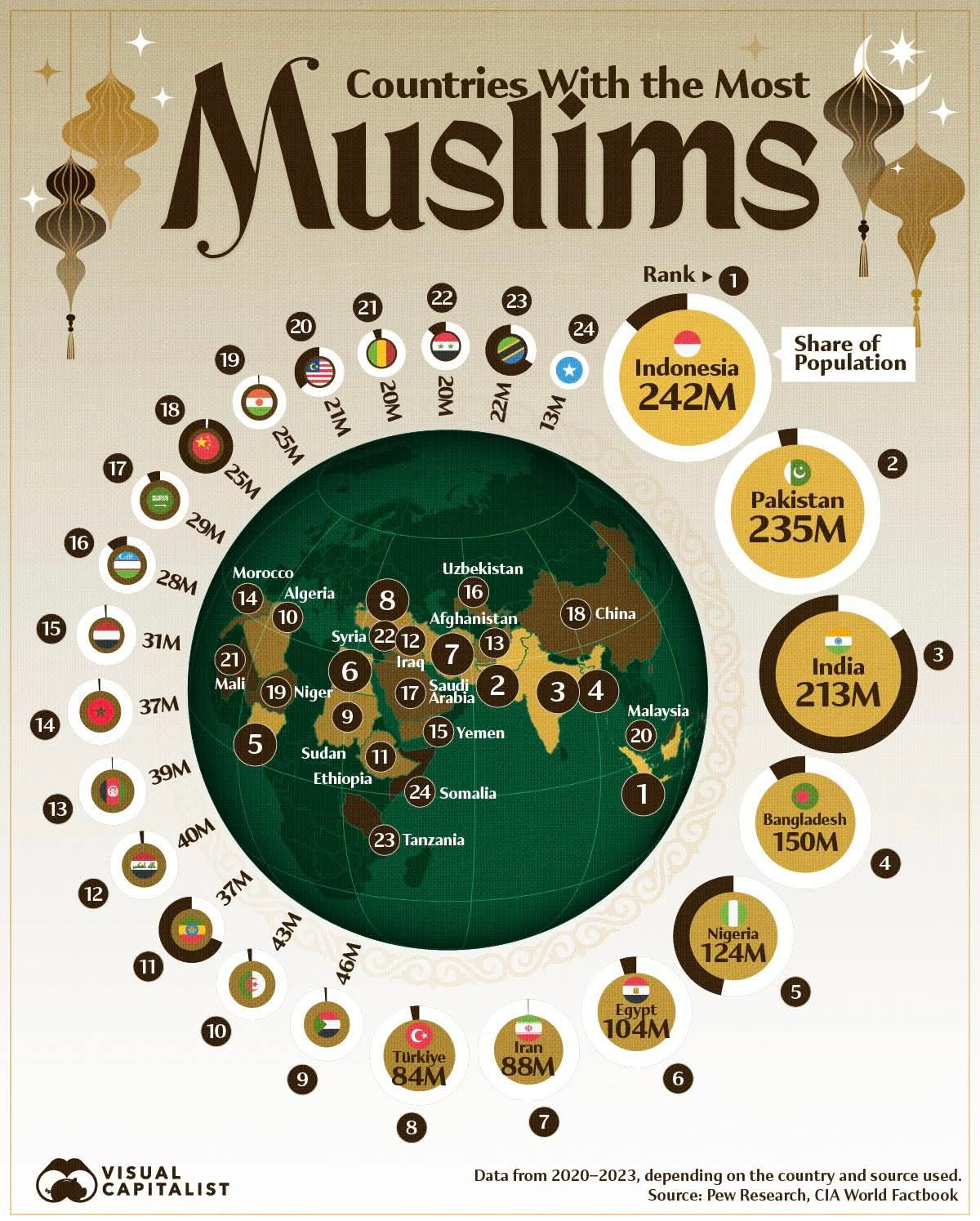
  • Countries With the Most Muslims (% Population)

    1. Indonesia - 242M (87.0%)
    2. Pakistan - 235M (96.3%)
    3. India - 213M (15.3%)
    4. Bangladesh - 150M (91.0%)
    5. Nigeria - 124M (53.5%)
    6. Egypt - 104M (95%)
    7. Iran - 88M (99.8%)
    8. Turkey - 84M (97%)
    9. Sudan - 46M (99%)
    10. Algeria - 43M (98.0%)
    11. Iraq - 40M (98%)
    12. Afghanistan - 39M (99.7%)
    13. Ethiopia - 37M (31.3%)
    14. Morocco - 37M (99.0%)
    15. Yemen - 31M (99.1%)
    16. Saudi Arabia - 29M (92.7%)
    17. Uzbekistan - 28M (88.0%)
    18. China - 25M (1.4%)
    19. Nigér - 25M (99.3%)
    20. Tanzania - 22M (34.1%)
    21. Malaysia - 21M (63.5%)
    22. Mali - 20M (93.9%)
    23. Syria - 20M (87.0%)
    24. Somalia - 13M (99.8%)

    The data comes from two complementary sources: Pew Research, which tracks global religious affiliation, and the CIA World Factbook, which publishes national demographic splits.

    Countries With the Largest Muslim Populations: Islam is the world’s second-largest religion, with 1.8 billion Muslims dispersed across every continent. Due to data constraints, the most recent figures between 2020–2023 have been utilized, depending on availability per country. Africa is home to some of the fastest-growing Muslim populations. Nigeria, already the continent’s most populous country, now counts over 124 million Muslims, comprising more than half its citizens. In North Africa, Egypt and Algeria each report that roughly 95-98% of their inhabitants identify as Muslim, reflecting centuries-old cultural and religious continuity.
    ๐Ÿ•Œ Countries With the Most Muslims (% Population) 1. ๐Ÿ‡ฎ๐Ÿ‡ฉ Indonesia - 242M (87.0%) 2. ๐Ÿ‡ต๐Ÿ‡ฐ Pakistan - 235M (96.3%) 3. ๐Ÿ‡ฎ๐Ÿ‡ณ India - 213M (15.3%) 4. ๐Ÿ‡ง๐Ÿ‡ฉ Bangladesh - 150M (91.0%) 5. ๐Ÿ‡ณ๐Ÿ‡ฌ Nigeria - 124M (53.5%) 6. ๐Ÿ‡ช๐Ÿ‡ฌ Egypt - 104M (95%) 7. ๐Ÿ‡ฎ๐Ÿ‡ท Iran - 88M (99.8%) 8. ๐Ÿ‡น๐Ÿ‡ท Turkey - 84M (97%) 9. ๐Ÿ‡ธ๐Ÿ‡ฉ Sudan - 46M (99%) 10. ๐Ÿ‡ฉ๐Ÿ‡ฟ Algeria - 43M (98.0%) 11. ๐Ÿ‡ฎ๐Ÿ‡ถ Iraq - 40M (98%) 12. ๐Ÿ‡ฆ๐Ÿ‡ซ Afghanistan - 39M (99.7%) 13. ๐Ÿ‡ช๐Ÿ‡น Ethiopia - 37M (31.3%) 14. ๐Ÿ‡ฒ๐Ÿ‡ฆ Morocco - 37M (99.0%) 15. ๐Ÿ‡พ๐Ÿ‡ช Yemen - 31M (99.1%) 16. ๐Ÿ‡ธ๐Ÿ‡ฆ Saudi Arabia - 29M (92.7%) 17. ๐Ÿ‡บ๐Ÿ‡ฟ Uzbekistan - 28M (88.0%) 18. ๐Ÿ‡จ๐Ÿ‡ณ China - 25M (1.4%) 19. ๐Ÿ‡ณ๐Ÿ‡ช Nigér - 25M (99.3%) 20. ๐Ÿ‡น๐Ÿ‡ฟ Tanzania - 22M (34.1%) 21. ๐Ÿ‡ฒ๐Ÿ‡พ Malaysia - 21M (63.5%) 22. ๐Ÿ‡ฒ๐Ÿ‡ฑ Mali - 20M (93.9%) 23. ๐Ÿ‡ธ๐Ÿ‡พ Syria - 20M (87.0%) 24. ๐Ÿ‡ธ๐Ÿ‡ด Somalia - 13M (99.8%) ๐Ÿ“Œ The data comes from two complementary sources: Pew Research, which tracks global religious affiliation, and the CIA World Factbook, which publishes national demographic splits. Countries With the Largest Muslim Populations: Islam is the world’s second-largest religion, with 1.8 billion Muslims dispersed across every continent. Due to data constraints, the most recent figures between 2020–2023 have been utilized, depending on availability per country. Africa is home to some of the fastest-growing Muslim populations. Nigeria, already the continent’s most populous country, now counts over 124 million Muslims, comprising more than half its citizens. In North Africa, Egypt and Algeria each report that roughly 95-98% of their inhabitants identify as Muslim, reflecting centuries-old cultural and religious continuity.
    0 Commenti 0 condivisioni
  • Diabetes rates around the world:

    1. Pakistan: 30.8%
    2. Kuwait: 24.9%
    8. Egypt: 20.9%
    10. Qatar: 19.5%
    12. Malaysia: 19%
    14. Saudi Arabia: 18.7%
    17. Mexico: 16.9%
    26. Turkey: 14.5%
    27. Bangladesh: 14.2%
    48. Sri Lanka: 11.3%
    53. South Africa: 10.8%
    54. Iraq: 10.7%
    55. United States: 10.7%
    56. Indonesia: 10.6%
    57. China: 10.6%
    60. Spain: 10.3%
    63. Thailand: 9.7%
    64. India: 9.6%
    71. Iran: 9.1%
    74. Portugal: 9.1%
    78. Brazil: 8.8%
    83. Nepal: 8.7%
    86. North Korea: 8.6%
    96. Canada: 7.7%
    107. Philippines: 7.1%
    113. South Korea: 6.8%
    116. Japan: 6.6%
    127. Australia: 6.4%
    129. Italy: 6.4%
    132. United Kingdom: 6.3%
    135. New Zealand: 6.2%
    139. Vietnam: 6.1%
    153. Russia: 5.6%
    162. Argentina: 5.4%
    165. France: 5.3%
    169. Ethiopia: 5%
    183. Kenya: 4%
    186. Nigeria: 3.6%

    Percentage of people age 20-79 who have type 1 or type 2 diabetes
    Diabetes rates around the world: 1. ๐Ÿ‡ต๐Ÿ‡ฐPakistan: 30.8% 2. ๐Ÿ‡ฐ๐Ÿ‡ผKuwait: 24.9% 8. ๐Ÿ‡ช๐Ÿ‡ฌEgypt: 20.9% 10. ๐Ÿ‡ถ๐Ÿ‡ฆQatar: 19.5% 12. ๐Ÿ‡ฒ๐Ÿ‡พMalaysia: 19% 14. ๐Ÿ‡ธ๐Ÿ‡ฆSaudi Arabia: 18.7% 17. ๐Ÿ‡ฒ๐Ÿ‡ฝMexico: 16.9% 26. ๐Ÿ‡น๐Ÿ‡ทTurkey: 14.5% 27. ๐Ÿ‡ง๐Ÿ‡ฉBangladesh: 14.2% 48. ๐Ÿ‡ฑ๐Ÿ‡ฐSri Lanka: 11.3% 53. ๐Ÿ‡ฟ๐Ÿ‡ฆSouth Africa: 10.8% 54. ๐Ÿ‡ฎ๐Ÿ‡ถIraq: 10.7% 55. ๐Ÿ‡บ๐Ÿ‡ธUnited States: 10.7% 56. ๐Ÿ‡ฎ๐Ÿ‡ฉIndonesia: 10.6% 57. ๐Ÿ‡จ๐Ÿ‡ณChina: 10.6% 60. ๐Ÿ‡ช๐Ÿ‡ธSpain: 10.3% 63. ๐Ÿ‡น๐Ÿ‡ญThailand: 9.7% 64. ๐Ÿ‡ฎ๐Ÿ‡ณIndia: 9.6% 71. ๐Ÿ‡ฎ๐Ÿ‡ทIran: 9.1% 74. ๐Ÿ‡ต๐Ÿ‡นPortugal: 9.1% 78. ๐Ÿ‡ง๐Ÿ‡ทBrazil: 8.8% 83. ๐Ÿ‡ณ๐Ÿ‡ตNepal: 8.7% 86. ๐Ÿ‡ฐ๐Ÿ‡ตNorth Korea: 8.6% 96. ๐Ÿ‡จ๐Ÿ‡ฆCanada: 7.7% 107. ๐Ÿ‡ต๐Ÿ‡ญPhilippines: 7.1% 113. ๐Ÿ‡ฐ๐Ÿ‡ทSouth Korea: 6.8% 116. ๐Ÿ‡ฏ๐Ÿ‡ตJapan: 6.6% 127. ๐Ÿ‡ฆ๐Ÿ‡บAustralia: 6.4% 129. ๐Ÿ‡ฎ๐Ÿ‡นItaly: 6.4% 132. ๐Ÿ‡ฌ๐Ÿ‡งUnited Kingdom: 6.3% 135. ๐Ÿ‡ณ๐Ÿ‡ฟNew Zealand: 6.2% 139. ๐Ÿ‡ป๐Ÿ‡ณVietnam: 6.1% 153. ๐Ÿ‡ท๐Ÿ‡บRussia: 5.6% 162. ๐Ÿ‡ฆ๐Ÿ‡ทArgentina: 5.4% 165. ๐Ÿ‡ซ๐Ÿ‡ทFrance: 5.3% 169. ๐Ÿ‡ช๐Ÿ‡นEthiopia: 5% 183. ๐Ÿ‡ฐ๐Ÿ‡ชKenya: 4% 186. ๐Ÿ‡ณ๐Ÿ‡ฌNigeria: 3.6% ๐Ÿ“Œ Percentage of people age 20-79 who have type 1 or type 2 diabetes
    0 Commenti 0 condivisioni
  • Most Populous Countries in The World (August 2025)

    1. India - 1,465,677,586 (1.47B)
    2. China - 1,415,623,588 (1.42B)
    3. United States - 347,538,693 (348M)
    4. Indonesia - 286,035,530 (286M)
    5. Pakistan - 255,219,554 (255M)
    6. Nigeria - 238,251,907 (238M)
    7. Brazil - 212,932,800 (213M)
    8. Bangladesh - 176,002,683 (176M)
    9. Russia - 143,876,305 (144M)
    10. Ethiopia - 135,983,125 (136M)
    11. Mexico - 132,107,942 (132M)
    12. Japan - 123,007,892 (123M)
    13. Egypt - 118,638,206 (119M)
    14. Philippines - 116,926,846 (117M)
    15. DR Congo - 113,367,106 (113M)
    16. Vietnam - 101,689,007 (102M)
    17. Iran - 92,543,805 (92M)
    18. Turkey - 87,716,710 (88M)
    19. Germany - 84,004,876 (84M)
    20. Thailand - 71,612,755 (72M)
    21. Tanzania - 70,801,979 (71M)
    22. United Kingdom - 69,609,918 (70M)
    23. France - 66,665,565 (67M)
    24. South Africa - 64,849,940 (65M)
    25. Italy - 59,117,339 (59M)
    26. Kenya - 57,680,076 (58M)
    27. Myanmar - 54,900,269 (55M)
    28. Colombia - 53,500,821 (54M)
    29. South Korea - 51,659,659 (52M)
    30. Sudan - 51,821,910 (52M)
    31. Uganda - 51,562,757 (52M)
    32. Spain - 47,886,966 (48M)
    33. Algeria - 47,520,822 (48M)
    34. Iraq - 47,151,180 (47M)
    35. Argentina - 45,873,616 (46M)
    36. Afghanistan - 43,999,045 (44M)
    37. Yemen - 41,927,208 (42M)
    38. Canada - 40,180,416 (40M)
    39. Angola - 39,187,953 (39M)
    40. Morocco - 38,479,712 (38M)
    41. Poland - 38,080,709 (38M)
    42. Uzbekistan - 37,146,431 (37M)
    43. Malaysia - 36,036,035 (36M)
    44. Mozambique - 35,760,667 (36M)
    45. Ghana - 35,150,102 (35M)
    46. Peru - 34,626,633 (35M)
    47. Saudi Arabia - 34,647,916 (35M)
    48. Madagascar - 32,842,738 (33M)
    49. ๐Ÿ‡จ๐Ÿ‡ฎ Côte d'Ivoire - 32,813,785 (33M)
    50. Cameroon - 29,978,049 (30M)
    Most Populous Countries in The World (August 2025) 1. ๐Ÿ‡ฎ๐Ÿ‡ณ India - 1,465,677,586 (1.47B) 2. ๐Ÿ‡จ๐Ÿ‡ณ China - 1,415,623,588 (1.42B) 3. ๐Ÿ‡บ๐Ÿ‡ธ United States - 347,538,693 (348M) 4. ๐Ÿ‡ฎ๐Ÿ‡ฉ Indonesia - 286,035,530 (286M) 5. ๐Ÿ‡ต๐Ÿ‡ฐ Pakistan - 255,219,554 (255M) 6. ๐Ÿ‡ณ๐Ÿ‡ฌ Nigeria - 238,251,907 (238M) 7. ๐Ÿ‡ง๐Ÿ‡ท Brazil - 212,932,800 (213M) 8. ๐Ÿ‡ง๐Ÿ‡ฉ Bangladesh - 176,002,683 (176M) 9. ๐Ÿ‡ท๐Ÿ‡บ Russia - 143,876,305 (144M) 10. ๐Ÿ‡ช๐Ÿ‡น Ethiopia - 135,983,125 (136M) 11. ๐Ÿ‡ฒ๐Ÿ‡ฝ Mexico - 132,107,942 (132M) 12. ๐Ÿ‡ฏ๐Ÿ‡ต Japan - 123,007,892 (123M) 13. ๐Ÿ‡ช๐Ÿ‡ฌ Egypt - 118,638,206 (119M) 14. ๐Ÿ‡ต๐Ÿ‡ญ Philippines - 116,926,846 (117M) 15. ๐Ÿ‡จ๐Ÿ‡ฉ DR Congo - 113,367,106 (113M) 16. ๐Ÿ‡ป๐Ÿ‡ณ Vietnam - 101,689,007 (102M) 17. ๐Ÿ‡ฎ๐Ÿ‡ท Iran - 92,543,805 (92M) 18. ๐Ÿ‡น๐Ÿ‡ท Turkey - 87,716,710 (88M) 19. ๐Ÿ‡ฉ๐Ÿ‡ช Germany - 84,004,876 (84M) 20. ๐Ÿ‡น๐Ÿ‡ญ Thailand - 71,612,755 (72M) 21. ๐Ÿ‡น๐Ÿ‡ฟ Tanzania - 70,801,979 (71M) 22. ๐Ÿ‡ฌ๐Ÿ‡ง United Kingdom - 69,609,918 (70M) 23. ๐Ÿ‡ซ๐Ÿ‡ท France - 66,665,565 (67M) 24. ๐Ÿ‡ฟ๐Ÿ‡ฆ South Africa - 64,849,940 (65M) 25. ๐Ÿ‡ฎ๐Ÿ‡น Italy - 59,117,339 (59M) 26. ๐Ÿ‡ฐ๐Ÿ‡ช Kenya - 57,680,076 (58M) 27. ๐Ÿ‡ฒ๐Ÿ‡ฒ Myanmar - 54,900,269 (55M) 28. ๐Ÿ‡จ๐Ÿ‡ด Colombia - 53,500,821 (54M) 29. ๐Ÿ‡ฐ๐Ÿ‡ท South Korea - 51,659,659 (52M) 30. ๐Ÿ‡ธ๐Ÿ‡ฉ Sudan - 51,821,910 (52M) 31. ๐Ÿ‡บ๐Ÿ‡ฌ Uganda - 51,562,757 (52M) 32. ๐Ÿ‡ช๐Ÿ‡ธ Spain - 47,886,966 (48M) 33. ๐Ÿ‡ฉ๐Ÿ‡ฟ Algeria - 47,520,822 (48M) 34. ๐Ÿ‡ฎ๐Ÿ‡ถ Iraq - 47,151,180 (47M) 35. ๐Ÿ‡ฆ๐Ÿ‡ท Argentina - 45,873,616 (46M) 36. ๐Ÿ‡ฆ๐Ÿ‡ซ Afghanistan - 43,999,045 (44M) 37. ๐Ÿ‡พ๐Ÿ‡ช Yemen - 41,927,208 (42M) 38. ๐Ÿ‡จ๐Ÿ‡ฆ Canada - 40,180,416 (40M) 39. ๐Ÿ‡ฆ๐Ÿ‡ด Angola - 39,187,953 (39M) 40. ๐Ÿ‡ฒ๐Ÿ‡ฆ Morocco - 38,479,712 (38M) 41. ๐Ÿ‡ต๐Ÿ‡ฑ Poland - 38,080,709 (38M) 42. ๐Ÿ‡บ๐Ÿ‡ฟ Uzbekistan - 37,146,431 (37M) 43. ๐Ÿ‡ฒ๐Ÿ‡พ Malaysia - 36,036,035 (36M) 44. ๐Ÿ‡ฒ๐Ÿ‡ฟ Mozambique - 35,760,667 (36M) 45. ๐Ÿ‡ฌ๐Ÿ‡ญ Ghana - 35,150,102 (35M) 46. ๐Ÿ‡ต๐Ÿ‡ช Peru - 34,626,633 (35M) 47. ๐Ÿ‡ธ๐Ÿ‡ฆ Saudi Arabia - 34,647,916 (35M) 48. ๐Ÿ‡ฒ๐Ÿ‡ฌ Madagascar - 32,842,738 (33M) 49. ๐Ÿ‡จ๐Ÿ‡ฎ Côte d'Ivoire - 32,813,785 (33M) 50. ๐Ÿ‡จ๐Ÿ‡ฒ Cameroon - 29,978,049 (30M)
    0 Commenti 0 condivisioni
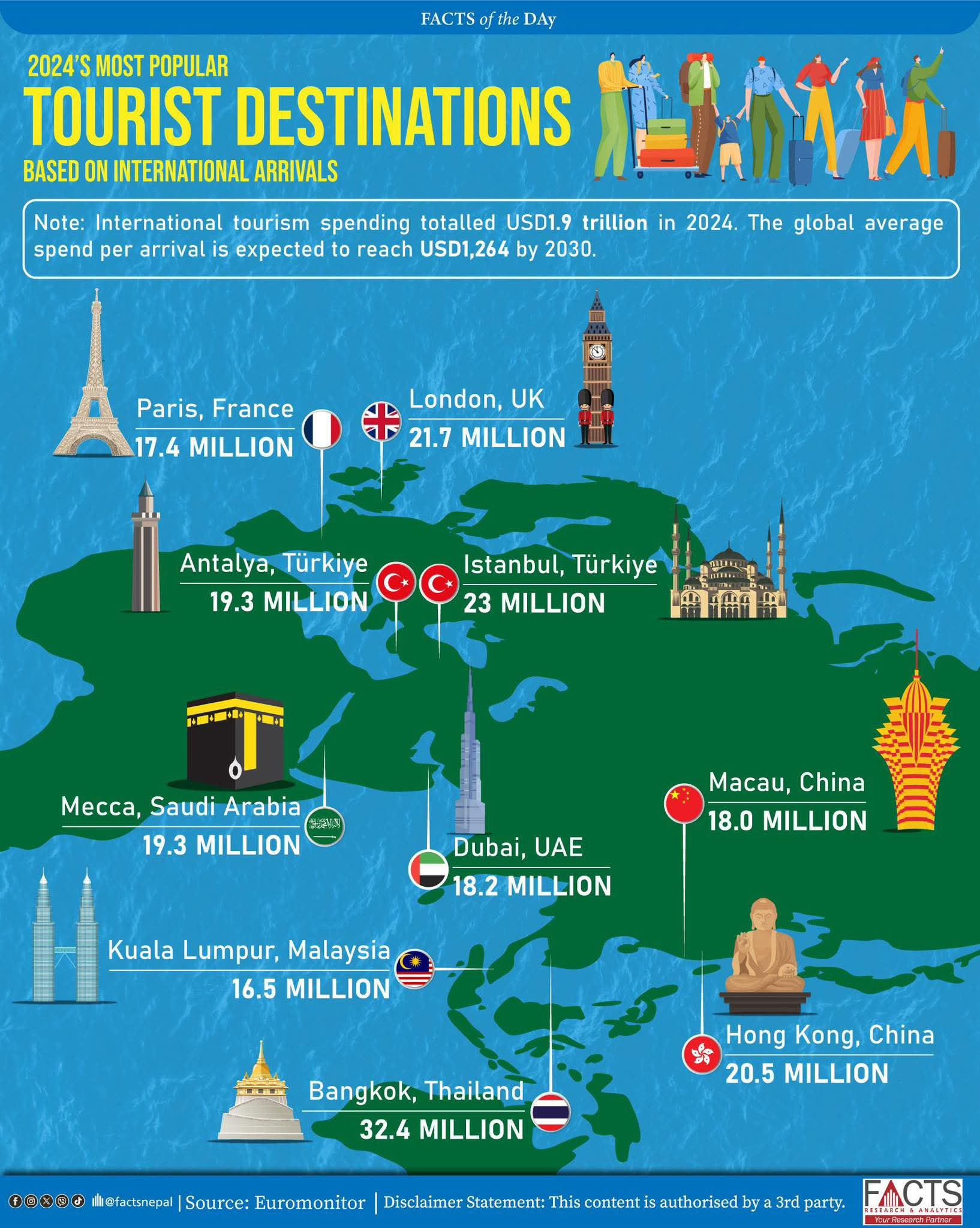
  • Bangkok topped the list of international arrivals by city with 32 million trips in 2024.
    #FACTSNepal #Nepal #facts #FOD #Factsoftheday #factsinternational #data #world #tourist #bangkok #turkey #uk #China #saudiarabia
    Bangkok topped the list of international arrivals by city with 32 million trips in 2024. #FACTSNepal #Nepal #facts #FOD #Factsoftheday #factsinternational #data #world #tourist #bangkok #turkey #uk #China #saudiarabia
    0 Commenti 0 condivisioni
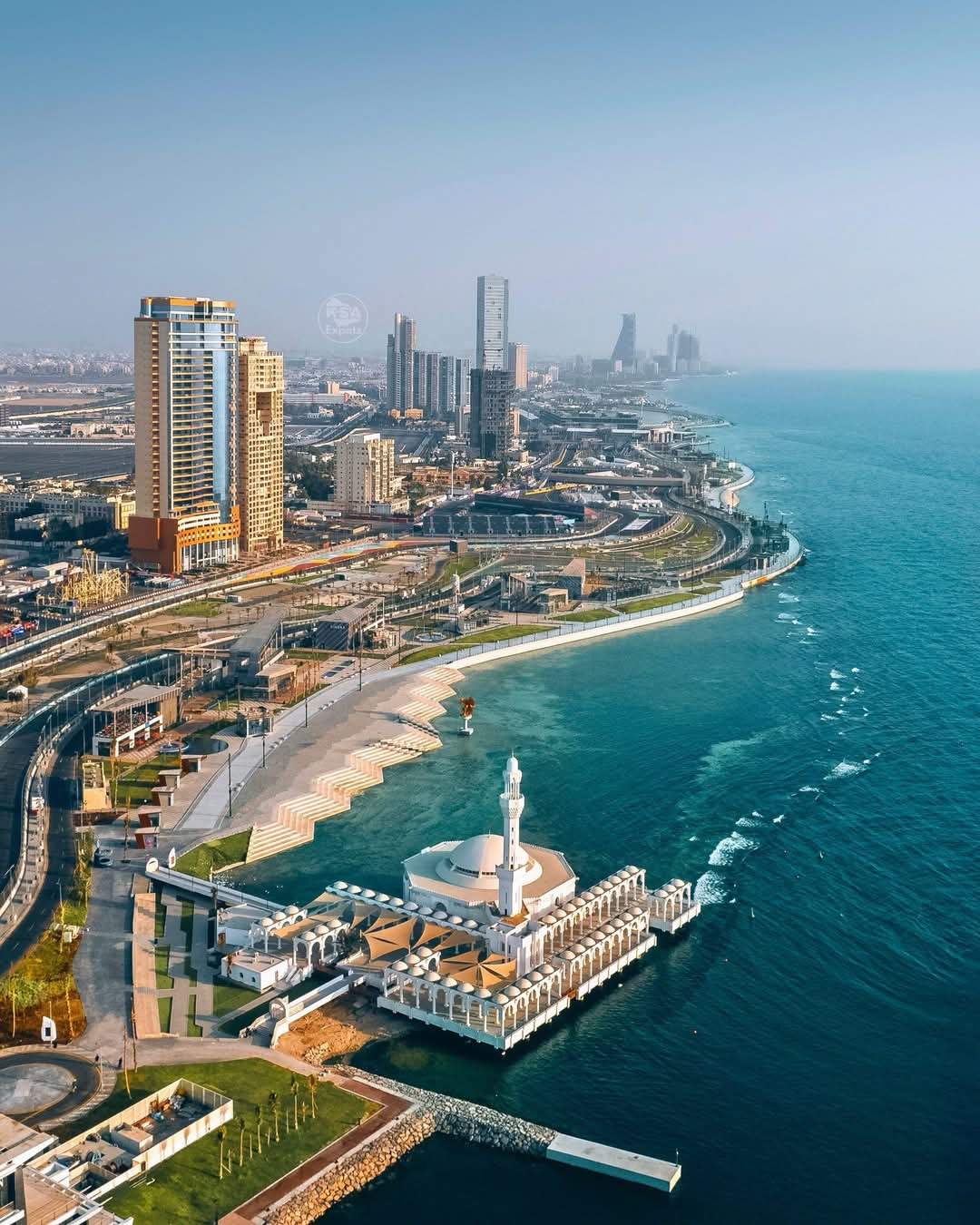
  • Jeddah, Saudi Arabia ๏ธ
    Jeddah, Saudi Arabia ๐Ÿ‡ธ๐Ÿ‡ฆ ๐ŸŒดโœจ๏ธ
    0 Commenti 0 condivisioni
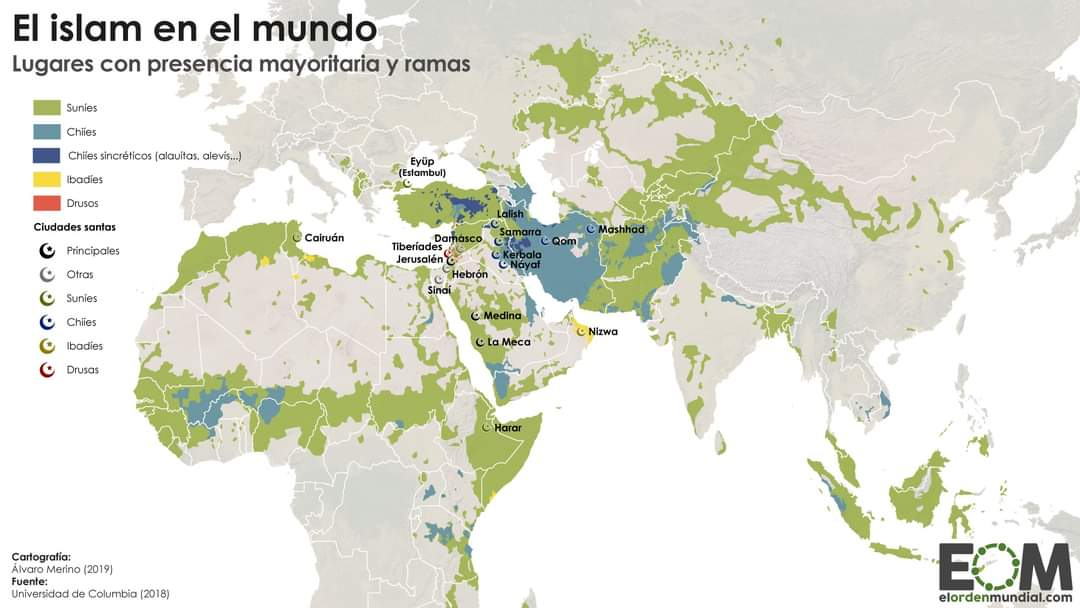
  • Islamic World

    The Islamic world refers to countries and regions where Islam is dominant, influencing various aspects of life, including culture, politics, law, and education. It is not just limited to the Middle East; it spans Africa, Asia, and Europe.
    Critical Aspects of the Islamic World:
    1. Geographical Spread:
    Middle East and North Africa (MENA): The heartland of Islam, including countries like Saudi Arabia, Egypt, Iran, and Turkey.
    South Asia: Countries like Pakistan, Bangladesh, and Afghanistan, where Islam plays a central role.
    Southeast Asia: Indonesia, the world's most populous Muslim-majority country, Malaysia, and Brunei.
    Sub-Saharan Africa: Countries like Nigeria, Sudan, and Somalia have significant Muslim populations.
    Europe: There are significant Muslim communities in Bosnia and Herzegovina, Albania, and growing populations in Western Europe due to migration.
    2. Cultural and Religious Practices:
    Religious Practices: The Five Pillars of Islam (Shahada, Salah, Zakat, Sawm, Hajj) are central to Islamic life.
    Islamic Law (Sharia): In many Muslim-majority countries, Sharia law influences or directly governs legal systems, covering everything from criminal law to personal status issues like marriage and inheritance.
    Language: Arabic is the liturgical language of Islam, but other languages, such as Persian, Turkish, Urdu, and Malay, are widely spoken in the Islamic world.
    3. Historical Contributions:
    The Golden Age of Islam (8th to 14th century) was a period of significant advancements in science, medicine, mathematics, and philosophy, with learning centres in cities like Baghdad, Cairo, and Cordoba.
    Architecture: Islamic architecture is renowned for its mosques, madrasas (schools), and palaces, featuring minarets, domes, and intricate geometric designs.
    4. Modern-Day Dynamics:
    Political Landscape: The Islamic world includes various governance systems, from monarchies in the Gulf States to republics in Iran and Turkey. Political Islam and movements like the Muslim Brotherhood have had significant influence in some regions.
    Economic Power: The Islamic world includes some of the world's largest oil producers, like Saudi Arabia and Iran, which play a critical role in global energy markets.
    Social Issues: The Islamic world faces diverse social challenges, from modernisation and globalisation to debates over women's rights, democracy, and the role of religion in the state.
    5. Global Influence:
    Diaspora: Significant Muslim communities in Europe, North America, and other parts of the world contribute to the global influence of Islam.
    Interfaith Relations: Islam is one of the world's major religions, with interfaith dialogue becoming increasingly important in promoting understanding and cooperation between different religious communities.
    The Islamic world is diverse and complex, with a rich history and significant impact on global culture, politics, and economics.
    Islamic World The Islamic world refers to countries and regions where Islam is dominant, influencing various aspects of life, including culture, politics, law, and education. It is not just limited to the Middle East; it spans Africa, Asia, and Europe. Critical Aspects of the Islamic World: 1. Geographical Spread: Middle East and North Africa (MENA): The heartland of Islam, including countries like Saudi Arabia, Egypt, Iran, and Turkey. South Asia: Countries like Pakistan, Bangladesh, and Afghanistan, where Islam plays a central role. Southeast Asia: Indonesia, the world's most populous Muslim-majority country, Malaysia, and Brunei. Sub-Saharan Africa: Countries like Nigeria, Sudan, and Somalia have significant Muslim populations. Europe: There are significant Muslim communities in Bosnia and Herzegovina, Albania, and growing populations in Western Europe due to migration. 2. Cultural and Religious Practices: Religious Practices: The Five Pillars of Islam (Shahada, Salah, Zakat, Sawm, Hajj) are central to Islamic life. Islamic Law (Sharia): In many Muslim-majority countries, Sharia law influences or directly governs legal systems, covering everything from criminal law to personal status issues like marriage and inheritance. Language: Arabic is the liturgical language of Islam, but other languages, such as Persian, Turkish, Urdu, and Malay, are widely spoken in the Islamic world. 3. Historical Contributions: The Golden Age of Islam (8th to 14th century) was a period of significant advancements in science, medicine, mathematics, and philosophy, with learning centres in cities like Baghdad, Cairo, and Cordoba. Architecture: Islamic architecture is renowned for its mosques, madrasas (schools), and palaces, featuring minarets, domes, and intricate geometric designs. 4. Modern-Day Dynamics: Political Landscape: The Islamic world includes various governance systems, from monarchies in the Gulf States to republics in Iran and Turkey. Political Islam and movements like the Muslim Brotherhood have had significant influence in some regions. Economic Power: The Islamic world includes some of the world's largest oil producers, like Saudi Arabia and Iran, which play a critical role in global energy markets. Social Issues: The Islamic world faces diverse social challenges, from modernisation and globalisation to debates over women's rights, democracy, and the role of religion in the state. 5. Global Influence: Diaspora: Significant Muslim communities in Europe, North America, and other parts of the world contribute to the global influence of Islam. Interfaith Relations: Islam is one of the world's major religions, with interfaith dialogue becoming increasingly important in promoting understanding and cooperation between different religious communities. The Islamic world is diverse and complex, with a rich history and significant impact on global culture, politics, and economics.
    0 Commenti 0 condivisioni
  • Tunzale Memmedzade from Azerbaijan was the first person to write the Holy Quran on silk. She completed this huge task in 3 years.

    Life in Saudi Arabia
    Tunzale Memmedzade from Azerbaijan was the first person to write the Holy Quran on silk. She completed this huge task in 3 years. ๐Ÿ“ท Life in Saudi Arabia
    0 Commenti 0 condivisioni
Pagine in Evidenza