• Iman Doesn't Freeze! Muslims
    From Praying Outside in Extreme Snowfall as Masjid was Full in Russia
    ALLAHU AKBAR

    #Salah #Islam #Muslim #Prayer #Namaz #IslamicReminder #Quran #Sunnah #Jummah #Fajr #LearnSalah
    Iman Doesn't Freeze! Muslims From Praying Outside in Extreme Snowfall as Masjid was Full in Russia ALLAHU AKBAR #Salah #Islam #Muslim #Prayer #Namaz #IslamicReminder #Quran #Sunnah #Jummah #Fajr #LearnSalah
    0 Comments 0 Shares
  • ๐€๐ซ๐š๐Ÿ๐š๐ก ๐ˆ๐›๐š๐๐š๐ก ๐‘๐จ๐ฎ๐ญ๐ข๐ง๐ž - ๐…๐ซ๐จ๐ฆ ๐…๐š๐ฃ๐ซ ๐ญ๐ข๐ฅ๐ฅ ๐Œ๐š๐ ๐ก๐ซ๐ข๐›
    You should block specific times for ibadah and preplan this day.

    Wake up 1 hour before Fajr.
    Offer tahajjud cry to Allah make 5 duas that will change your life repeatedly. Beg like a child.

    Quickly eat some protien rich food for fasting on the day of Arafah.
    “Fasting on the day of Arafah expiates for the sins of the previous year and of the coming year.”
    [Sahih Muslim]

    Offer Fajr
    Make dhikr for 30 mins
    Read Quran for 30 mins.

    After sunrise
    Offer 8 rakat Duha Salaah (2 rakat are enough but today is all about pushing your limits and doing the best you can)

    Do your house chores, go to work.

    Offer Dhohr
    Send Salawat/Durood 100 times.
    (Again push yourself this day is important)
    Repent Astaghfirullah - 200 times.
    SubhanAllahi Wabihamdihi - 100 times
    SubhanAllahi wahihamdihi adada khalqhi - 30 times.
    Make dua list - write down duas and names of people in your life who you care and love make dua repeatedly.
    Make dua for yourself - Check my wall for duas for Arafah - it's my pinned post.
    Make sure you are making personal duas that move your heart and makes you cry.

    Sleep for sometime - take a nap.

    Offer Asr.
    Make dua till Iftar - if you are working cooking busy yourself with dhikr.
    Break your fast.

    Get busy with Takbeerat inshaAllah.
    Enjoy Eid! :)
    ๐€๐ซ๐š๐Ÿ๐š๐ก ๐ˆ๐›๐š๐๐š๐ก ๐‘๐จ๐ฎ๐ญ๐ข๐ง๐ž - ๐…๐ซ๐จ๐ฆ ๐…๐š๐ฃ๐ซ ๐ญ๐ข๐ฅ๐ฅ ๐Œ๐š๐ ๐ก๐ซ๐ข๐› You should block specific times for ibadah and preplan this day. ๐Ÿ’ซ Wake up 1 hour before Fajr. Offer tahajjud cry to Allah make 5 duas that will change your life repeatedly. Beg like a child. ๐Ÿ’ซ Quickly eat some protien rich food for fasting on the day of Arafah. ๐Ÿ“š “Fasting on the day of Arafah expiates for the sins of the previous year and of the coming year.” [Sahih Muslim] ๐Ÿ’ซ Offer Fajr Make dhikr for 30 mins Read Quran for 30 mins. ๐Ÿ’ซ After sunrise Offer 8 rakat Duha Salaah (2 rakat are enough but today is all about pushing your limits and doing the best you can) Do your house chores, go to work. ๐Ÿ’ซ Offer Dhohr Send Salawat/Durood 100 times. (Again push yourself this day is important) Repent Astaghfirullah - 200 times. SubhanAllahi Wabihamdihi - 100 times SubhanAllahi wahihamdihi adada khalqhi - 30 times. Make dua list - write down duas and names of people in your life who you care and love make dua repeatedly. Make dua for yourself - Check my wall for duas for Arafah - it's my pinned post. Make sure you are making personal duas that move your heart and makes you cry. ๐Ÿ’ซ Sleep for sometime - take a nap. ๐Ÿ’ซ Offer Asr. Make dua till Iftar - if you are working cooking busy yourself with dhikr. Break your fast. ๐Ÿ’ซ Get busy with Takbeerat inshaAllah. Enjoy Eid! :)
    0 Comments 0 Shares
  • How To Pray Tahajjud (Night Prayer)

    โ—‹First start off with reciting the Dua for Tahajjud before starting the salah.

    โ—‹Then Pray 2 rakats of Salah each (without iqamah) and it can be prayed till 8 rakat, how much of that you want to pray for example, 2 rakat or 4 rakat or 6 rakat or 8 rakat is upto you but more is always better.

    โ—‹After Tahajjud Salah is done, it is the sunnah to end with three rakat witr and if time is short (Fajr time is near) then end with one rakat of Witr Salah.

    โ—‹If you are going to pray Tahajjud then pray Witr prayer after Tahajjud Prayer, but if you have already prayed Witr after Isha Prayer then do not pray Witr Prayer again because there is only one Witr in a night.

    โ—‹Make Dua and ask for forgiveness and for Jannatul Ferdous and refuge against Hellfire.

    โ—‹It is best to pray Tahajjud Salah 1 to 1.5 hours (last one third of night) before Fajr starts.

    โ—‹Tahajjud prayer should be start at 12 am, 1 am 2 am or 3 am

    Dua Before Tahajjud

    ุงู„ู„ู‘ูŽู‡ูู…ู‘ูŽ ู„ูŽูƒูŽ ุงู„ู’ุญูŽู…ู’ุฏู ุฃูŽู†ู’ุชูŽ ู‚ูŽูŠู‘ูู…ู ุงู„ุณู‘ูŽู…ูŽูˆูŽุงุชู ูˆูŽุงู„ุฃูŽุฑู’ุถู ูˆูŽู…ูŽู†ู’ ูููŠู‡ูู†ู‘ูŽ ูˆูŽู„ูŽูƒูŽ ุงู„ู’ุญูŽู…ู’ุฏูุŒ ู„ูŽูƒูŽ ู…ูู„ู’ูƒู ุงู„ุณู‘ูŽู…ูŽูˆูŽุงุชู ูˆูŽุงู„ุฃูŽุฑู’ุถู ูˆูŽู…ูŽู†ู’ ูููŠู‡ูู†ู‘ูŽุŒ ูˆูŽู„ูŽูƒูŽ ุงู„ู’ุญูŽู…ู’ุฏู ุฃูŽู†ู’ุชูŽ ู†ููˆุฑู ุงู„ุณู‘ูŽู…ูŽูˆูŽุงุชู ูˆูŽุงู„ุฃูŽุฑู’ุถูุŒ ูˆูŽู„ูŽูƒูŽ ุงู„ู’ุญูŽู…ู’ุฏู ุฃูŽู†ู’ุชูŽ ุงู„ู’ุญูŽู‚ู‘ูุŒ ูˆูŽูˆูŽุนู’ุฏููƒูŽ ุงู„ู’ุญูŽู‚ู‘ูุŒ ูˆูŽู„ูู‚ูŽุงุคููƒูŽ ุญูŽู‚ู‘ูŒุŒ ูˆูŽู‚ูŽูˆู’ู„ููƒูŽ ุญูŽู‚ู‘ูŒุŒ ูˆูŽุงู„ู’ุฌูŽู†ู‘ูŽุฉู ุญูŽู‚ู‘ูŒุŒ ูˆูŽุงู„ู†ู‘ูŽุงุฑู ุญูŽู‚ู‘ูŒุŒ ูˆูŽุงู„ู†ู‘ูŽุจููŠู‘ููˆู†ูŽ ุญูŽู‚ู‘ูŒุŒ ูˆูŽู…ูุญูŽู…ู‘ูŽุฏูŒ ุตู„ู‰ ุงู„ู„ู‡ ุนู„ูŠู‡ ูˆุณู„ู… ุญูŽู‚ู‘ูŒุŒ ูˆูŽุงู„ุณู‘ูŽุงุนูŽุฉู ุญูŽู‚ู‘ูŒุŒ ุงู„ู„ู‘ูŽู‡ูู…ู‘ูŽ ู„ูŽูƒูŽ ุฃูŽุณู’ู„ูŽู…ู’ุชูุŒ ูˆูŽุจููƒูŽ ุขู…ูŽู†ู’ุชู ูˆูŽุนูŽู„ูŽูŠู’ูƒูŽ ุชูŽูˆูŽูƒู‘ูŽู„ู’ุชูุŒ ูˆูŽุฅูู„ูŽูŠู’ูƒูŽ ุฃูŽู†ูŽุจู’ุชูุŒ ูˆูŽุจููƒูŽ ุฎูŽุงุตูŽู…ู’ุชูุŒ ูˆูŽุฅูู„ูŽูŠู’ูƒูŽ ุญูŽุงูƒูŽู…ู’ุชูุŒ ููŽุงุบู’ููุฑู’ ู„ููŠ ู…ูŽุง ู‚ูŽุฏู‘ูŽู…ู’ุชู ูˆูŽู…ูŽุง ุฃูŽุฎู‘ูŽุฑู’ุชูุŒ ูˆูŽู…ูŽุง ุฃูŽุณู’ุฑูŽุฑู’ุชู ูˆูŽู…ูŽุง ุฃูŽุนู’ู„ูŽู†ู’ุชูุŒ ุฃูŽู†ู’ุชูŽ ุงู„ู’ู…ูู‚ูŽุฏู‘ูู…ู ูˆูŽุฃูŽู†ู’ุชูŽ ุงู„ู’ู…ูุคูŽุฎู‘ูุฑูุŒ ู„ุงูŽ ุฅูู„ูŽู‡ูŽ ุฅูู„ุงู‘ูŽ ุฃูŽู†ู’ุชูŽ ู€ ุฃูŽูˆู’ ู„ุงูŽ ุฅูู„ูŽู‡ูŽ ุบูŽูŠู’ุฑููƒูŽ

    Allahumma Lakal-Hamd. Anta Qaiyyimus-Samawati Wal-Ard Wa Man Fihinna. Walakal-Hamd, Laka Mulkus-Samawati Wal-Ard Wa Man Fihinna. Walakal-Hamd, Anta Nurus-Samawati Wal-Ard. Wa Lakal-Hamd, Anta-l-Haq Wa Wa'duka-Lhaq, Wa Liqa'uka Haq, Wa Qauluka Haq, Wal-Jannatu Han Wan-Naru Haq Wannabiyuna Haq. Wa Muhammadun, Sallal-Lahu'alaihi Wasallam, Haq, Was-Sa'atu Haq. Allahumma Aslamtu Laka Wabika Amantu, Wa 'Alaika Tawakkaltu, Wa ilaika Anabtu Wa Bika Khasamtu, Wa ilaika Hakamtu Faghfir Li Ma Qaddamtu Wama Akh-Khartu Wama As-Rartu Wama'a Lantu, Anta-l-Muqaddim Wa Anta-l-Mu Akh-Khir, La ilaha illa Anta

    O Allah! All the praises are for you, You are the Holder of the Heavens and the Earth, And whatever is in them. All the praises are for You; You have the possession of the Heavens and the Earth And whatever is in them. All the praises are for You; You are the Light of the Heavens and the Earth And all the praises are for You; You are the King of the Heavens and the Earth; And all the praises are for You; You are the Truth and Your Promise is the truth, And to meet You is true, Your Word is the truth And Paradise is true And Hell is true And all the Prophets (Peace be upon them) are true; And Muhammad is true, And the Day of Resurrection is true. O Allah ! I surrender (my will) to You; I believe in You and depend on You. And repent to You, And with Your help I argue (with my opponents, the non-believers) And I take You as a judge (to judge between us). Please forgive me my previous And future sins; And whatever I concealed or revealed And You are the One who make (some people) forward And (some) backward. There is none to be worshipped but you.
    [Sahih al-Bukhari 1120]

    “The Lord descends every night to the lowest heaven when one-third of the night remains and says: ‘Who will call upon Me, that I may answer Him? Who will ask of Me, that I may give him? Who will seek My forgiveness, that I may forgive him?’”

    **you can pray tahajjud even after Ramadan
    How To Pray Tahajjud (Night Prayer) โ—‹First start off with reciting the Dua for Tahajjud before starting the salah. โ—‹Then Pray 2 rakats of Salah each (without iqamah) and it can be prayed till 8 rakat, how much of that you want to pray for example, 2 rakat or 4 rakat or 6 rakat or 8 rakat is upto you but more is always better. โ—‹After Tahajjud Salah is done, it is the sunnah to end with three rakat witr and if time is short (Fajr time is near) then end with one rakat of Witr Salah. โ—‹If you are going to pray Tahajjud then pray Witr prayer after Tahajjud Prayer, but if you have already prayed Witr after Isha Prayer then do not pray Witr Prayer again because there is only one Witr in a night. โ—‹Make Dua and ask for forgiveness and for Jannatul Ferdous and refuge against Hellfire. โ—‹It is best to pray Tahajjud Salah 1 to 1.5 hours (last one third of night) before Fajr starts. โ—‹Tahajjud prayer should be start at 12 am, 1 am 2 am or 3 am Dua Before Tahajjud ุงู„ู„ู‘ูŽู‡ูู…ู‘ูŽ ู„ูŽูƒูŽ ุงู„ู’ุญูŽู…ู’ุฏู ุฃูŽู†ู’ุชูŽ ู‚ูŽูŠู‘ูู…ู ุงู„ุณู‘ูŽู…ูŽูˆูŽุงุชู ูˆูŽุงู„ุฃูŽุฑู’ุถู ูˆูŽู…ูŽู†ู’ ูููŠู‡ูู†ู‘ูŽ ูˆูŽู„ูŽูƒูŽ ุงู„ู’ุญูŽู…ู’ุฏูุŒ ู„ูŽูƒูŽ ู…ูู„ู’ูƒู ุงู„ุณู‘ูŽู…ูŽูˆูŽุงุชู ูˆูŽุงู„ุฃูŽุฑู’ุถู ูˆูŽู…ูŽู†ู’ ูููŠู‡ูู†ู‘ูŽุŒ ูˆูŽู„ูŽูƒูŽ ุงู„ู’ุญูŽู…ู’ุฏู ุฃูŽู†ู’ุชูŽ ู†ููˆุฑู ุงู„ุณู‘ูŽู…ูŽูˆูŽุงุชู ูˆูŽุงู„ุฃูŽุฑู’ุถูุŒ ูˆูŽู„ูŽูƒูŽ ุงู„ู’ุญูŽู…ู’ุฏู ุฃูŽู†ู’ุชูŽ ุงู„ู’ุญูŽู‚ู‘ูุŒ ูˆูŽูˆูŽุนู’ุฏููƒูŽ ุงู„ู’ุญูŽู‚ู‘ูุŒ ูˆูŽู„ูู‚ูŽุงุคููƒูŽ ุญูŽู‚ู‘ูŒุŒ ูˆูŽู‚ูŽูˆู’ู„ููƒูŽ ุญูŽู‚ู‘ูŒุŒ ูˆูŽุงู„ู’ุฌูŽู†ู‘ูŽุฉู ุญูŽู‚ู‘ูŒุŒ ูˆูŽุงู„ู†ู‘ูŽุงุฑู ุญูŽู‚ู‘ูŒุŒ ูˆูŽุงู„ู†ู‘ูŽุจููŠู‘ููˆู†ูŽ ุญูŽู‚ู‘ูŒุŒ ูˆูŽู…ูุญูŽู…ู‘ูŽุฏูŒ ุตู„ู‰ ุงู„ู„ู‡ ุนู„ูŠู‡ ูˆุณู„ู… ุญูŽู‚ู‘ูŒุŒ ูˆูŽุงู„ุณู‘ูŽุงุนูŽุฉู ุญูŽู‚ู‘ูŒุŒ ุงู„ู„ู‘ูŽู‡ูู…ู‘ูŽ ู„ูŽูƒูŽ ุฃูŽุณู’ู„ูŽู…ู’ุชูุŒ ูˆูŽุจููƒูŽ ุขู…ูŽู†ู’ุชู ูˆูŽุนูŽู„ูŽูŠู’ูƒูŽ ุชูŽูˆูŽูƒู‘ูŽู„ู’ุชูุŒ ูˆูŽุฅูู„ูŽูŠู’ูƒูŽ ุฃูŽู†ูŽุจู’ุชูุŒ ูˆูŽุจููƒูŽ ุฎูŽุงุตูŽู…ู’ุชูุŒ ูˆูŽุฅูู„ูŽูŠู’ูƒูŽ ุญูŽุงูƒูŽู…ู’ุชูุŒ ููŽุงุบู’ููุฑู’ ู„ููŠ ู…ูŽุง ู‚ูŽุฏู‘ูŽู…ู’ุชู ูˆูŽู…ูŽุง ุฃูŽุฎู‘ูŽุฑู’ุชูุŒ ูˆูŽู…ูŽุง ุฃูŽุณู’ุฑูŽุฑู’ุชู ูˆูŽู…ูŽุง ุฃูŽุนู’ู„ูŽู†ู’ุชูุŒ ุฃูŽู†ู’ุชูŽ ุงู„ู’ู…ูู‚ูŽุฏู‘ูู…ู ูˆูŽุฃูŽู†ู’ุชูŽ ุงู„ู’ู…ูุคูŽุฎู‘ูุฑูุŒ ู„ุงูŽ ุฅูู„ูŽู‡ูŽ ุฅูู„ุงู‘ูŽ ุฃูŽู†ู’ุชูŽ ู€ ุฃูŽูˆู’ ู„ุงูŽ ุฅูู„ูŽู‡ูŽ ุบูŽูŠู’ุฑููƒูŽ Allahumma Lakal-Hamd. Anta Qaiyyimus-Samawati Wal-Ard Wa Man Fihinna. Walakal-Hamd, Laka Mulkus-Samawati Wal-Ard Wa Man Fihinna. Walakal-Hamd, Anta Nurus-Samawati Wal-Ard. Wa Lakal-Hamd, Anta-l-Haq Wa Wa'duka-Lhaq, Wa Liqa'uka Haq, Wa Qauluka Haq, Wal-Jannatu Han Wan-Naru Haq Wannabiyuna Haq. Wa Muhammadun, Sallal-Lahu'alaihi Wasallam, Haq, Was-Sa'atu Haq. Allahumma Aslamtu Laka Wabika Amantu, Wa 'Alaika Tawakkaltu, Wa ilaika Anabtu Wa Bika Khasamtu, Wa ilaika Hakamtu Faghfir Li Ma Qaddamtu Wama Akh-Khartu Wama As-Rartu Wama'a Lantu, Anta-l-Muqaddim Wa Anta-l-Mu Akh-Khir, La ilaha illa Anta O Allah! All the praises are for you, You are the Holder of the Heavens and the Earth, And whatever is in them. All the praises are for You; You have the possession of the Heavens and the Earth And whatever is in them. All the praises are for You; You are the Light of the Heavens and the Earth And all the praises are for You; You are the King of the Heavens and the Earth; And all the praises are for You; You are the Truth and Your Promise is the truth, And to meet You is true, Your Word is the truth And Paradise is true And Hell is true And all the Prophets (Peace be upon them) are true; And Muhammad is true, And the Day of Resurrection is true. O Allah ! I surrender (my will) to You; I believe in You and depend on You. And repent to You, And with Your help I argue (with my opponents, the non-believers) And I take You as a judge (to judge between us). Please forgive me my previous And future sins; And whatever I concealed or revealed And You are the One who make (some people) forward And (some) backward. There is none to be worshipped but you. [Sahih al-Bukhari 1120] “The Lord descends every night to the lowest heaven when one-third of the night remains and says: ‘Who will call upon Me, that I may answer Him? Who will ask of Me, that I may give him? Who will seek My forgiveness, that I may forgive him?’” **you can pray tahajjud even after Ramadan
    0 Comments 0 Shares
  • Salaah this Ramadan

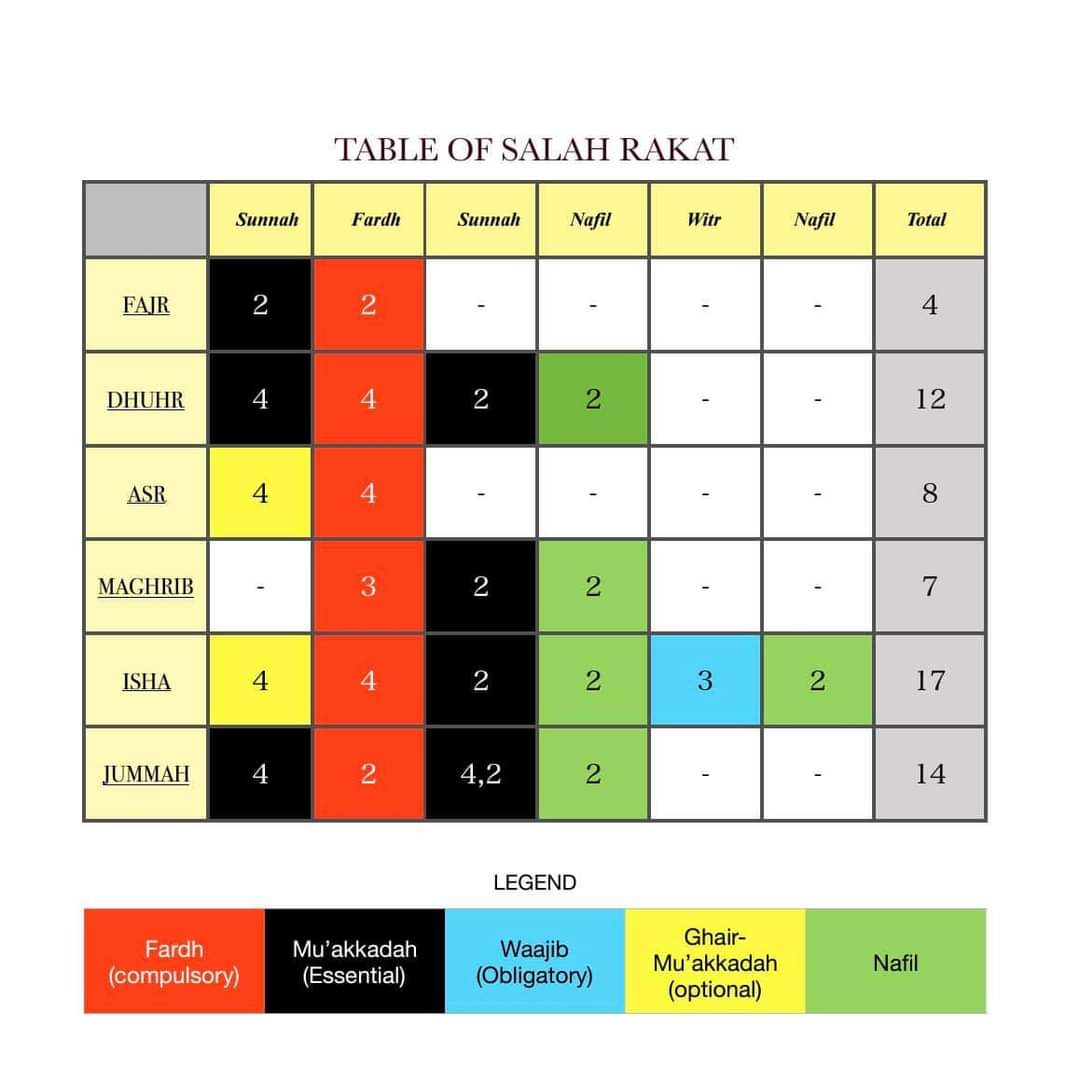
    Fajr - 2 Sunnah + 2 Fard

    Duha - 2 Rakah from sunrise till 15 mins before Dhohr (This is also known as ishraaq or awwabeen).

    Dhohr - 4 Sunnah + 4 Fard + 2 Sunnah + (personal no.of nafl)

    Asr - 4 Sunnah + 4 Fard
    Rasool Allah ๏ทบ used to pray 4 rakah sunnah before Asr.
    "May Allah have mercy on one who prays 4 rakaat before the Asr Prayer."
    - Prophet Muhammad ๏ทบ
    [Tirmidhi no. 395]

    Maghrib - 3 Fard + 2 Sunnah + (personal no.of nafl)

    Awwabeen - 6 Rakah (2 x 3 sets) or 8 rakah or 10. Keep alternating, don't offer fixed number of rakah.
    - Prayer Rasool Allah ุตูŽู„ู‘ูŽู‰ ุงู„ู„ู‘ูŽู‡ู ุนูŽู„ูŽูŠู’ู‡ู ูˆูŽุณูŽู„ู‘ูŽู…ูŽ used to offer between Maghrib and Isha. He ุตูŽู„ู‘ูŽู‰ ุงู„ู„ู‘ูŽู‡ู ุนูŽู„ูŽูŠู’ู‡ู ูˆูŽุณูŽู„ู‘ูŽู…ูŽ would just continue praying from maghrib till isha. There are no fixed number of rakah. Some hadith say 6 but it's better to keep alternating.

    Isha - 4 Fard + 2 Sunnah + 4 Sunnah + (personal no.of nafl)

    Taraweeh - 20 (2 x10)

    Witr - 3 (can be 1 as well - any odd number really)

    Also it's important to remember that Sunnah prayer is divided into 2 parts:
    1. Sunnah mu'kaddah- salaah the prophet ุตูŽู„ู‘ูŽู‰ ุงู„ู„ู‘ูŽู‡ู ุนูŽู„ูŽูŠู’ู‡ู ูˆูŽุณูŽู„ู‘ูŽู…ูŽ never left.

    2. Ger Sunnah mu'kaddah- he read it at times and left sometimes.

    This 4 rakaah sunnah during Asr is ger mu'kaddah which means the prophet ุตูŽู„ู‘ูŽู‰ ุงู„ู„ู‘ูŽู‡ู ุนูŽู„ูŽูŠู’ู‡ู ูˆูŽุณูŽู„ู‘ูŽู…ูŽ would pray it sometimes and leave it at other times.

    Also the 12 rawatib hadith we have 12 sunnahs they are as follows:
    2 Sunnah before 2 Fard of Fajr.
    4 Sunnah before 4 Fard of Dhohr and 2 after it.
    4 Fard of Asr only
    2 Sunnah after 3 Fardh of Maghrib.
    2 Sunnah after 4 Rakaah Fardh of Isha.

    This is 12 rawatib... the rest of the sunnahs and nawafils come under ger mu'kaddah salaah.

    “Whoever perseveres in performing twelve cycles of prayer from the Sunnah, Allah will build a house for him in Paradise. They are four cycles before noon prayer and two after it, two cycles after sunset prayer, two cycles after evening prayer, and two cycles before dawn prayer.”
    - Prophet Muhammad ุตูŽู„ู‘ูŽู‰ ุงู„ู„ู‘ูŽู‡ู ุนูŽู„ูŽูŠู’ู‡ู ูˆูŽุณูŽู„ู‘ูŽู…ูŽ
    [Tirmidhiฬ„ 414]

    For 4 Sunnah after isha:

    ‘Abdullah ibn Masud ุฑุถูŠ ุงู„ู„ู‡ ุนู†ู‡ said:
    โWhoever prays four rak‘ahs after ‘Isha’, not separating them with a tasleem, they will be equivalent (in virtue) to four like them on Laylat al-Qadr.โž
    This was narrated by Ibn Abi Shaybah in al-Musannaf (2/127). He said: Wakee‘ told us, from ‘Abd al-Jabbaar ibn ‘Abbaas, from Qays ibn Wahb, from Murrah, from ‘Abdullah.
    This isnaad is jayyid and intact.

    Ibn ‘Umar ุฑุถูŠ ุงู„ู„ู‡ ุนู†ู‡ said: The Messenger of Allah ๏ทบ said:
    โWhoever prays ‘Isha’ in congregation, and prays four rak‘ahs before he leaves the mosque, it will be equivalent to Laylat al-Qadr.โž

    Narrated by at-Tabaraani in al-Mu‘jam al-Kabeer (13.14/ p. 130) and in al-Mu‘jam al-Awsat (5/245). Musnad Abi Haneefah (p. 223).
    Salaah this Ramadan ๐Ÿ“ฟ๐Ÿคฒ๐Ÿ•Œ ๐ŸŒป Fajr - 2 Sunnah + 2 Fard ๐ŸŒธ Duha - 2 Rakah from sunrise till 15 mins before Dhohr (This is also known as ishraaq or awwabeen). ๐ŸŒป Dhohr - 4 Sunnah + 4 Fard + 2 Sunnah + (personal no.of nafl) ๐ŸŒป Asr - 4 Sunnah + 4 Fard Rasool Allah ๏ทบ used to pray 4 rakah sunnah before Asr. "May Allah have mercy on one who prays 4 rakaat before the Asr Prayer." - Prophet Muhammad ๏ทบ [Tirmidhi no. 395] ๐ŸŒป Maghrib - 3 Fard + 2 Sunnah + (personal no.of nafl) ๐ŸŒธ Awwabeen - 6 Rakah (2 x 3 sets) or 8 rakah or 10. Keep alternating, don't offer fixed number of rakah. - Prayer Rasool Allah ุตูŽู„ู‘ูŽู‰ ุงู„ู„ู‘ูŽู‡ู ุนูŽู„ูŽูŠู’ู‡ู ูˆูŽุณูŽู„ู‘ูŽู…ูŽ used to offer between Maghrib and Isha. ๐Ÿ™‚ He ุตูŽู„ู‘ูŽู‰ ุงู„ู„ู‘ูŽู‡ู ุนูŽู„ูŽูŠู’ู‡ู ูˆูŽุณูŽู„ู‘ูŽู…ูŽ would just continue praying from maghrib till isha. There are no fixed number of rakah. Some hadith say 6 but it's better to keep alternating. ๐ŸŒป Isha - 4 Fard + 2 Sunnah + 4 Sunnah + (personal no.of nafl) ๐ŸŒธ Taraweeh - 20 (2 x10) ๐ŸŒธ Witr - 3 (can be 1 as well - any odd number really) Also it's important to remember that Sunnah prayer is divided into 2 parts: 1. Sunnah mu'kaddah- salaah the prophet ุตูŽู„ู‘ูŽู‰ ุงู„ู„ู‘ูŽู‡ู ุนูŽู„ูŽูŠู’ู‡ู ูˆูŽุณูŽู„ู‘ูŽู…ูŽ never left. 2. Ger Sunnah mu'kaddah- he read it at times and left sometimes. This 4 rakaah sunnah during Asr is ger mu'kaddah which means the prophet ุตูŽู„ู‘ูŽู‰ ุงู„ู„ู‘ูŽู‡ู ุนูŽู„ูŽูŠู’ู‡ู ูˆูŽุณูŽู„ู‘ูŽู…ูŽ would pray it sometimes and leave it at other times. Also the 12 rawatib hadith we have 12 sunnahs they are as follows: 2 Sunnah before 2 Fard of Fajr. 4 Sunnah before 4 Fard of Dhohr and 2 after it. 4 Fard of Asr only 2 Sunnah after 3 Fardh of Maghrib. 2 Sunnah after 4 Rakaah Fardh of Isha. This is 12 rawatib... the rest of the sunnahs and nawafils come under ger mu'kaddah salaah. “Whoever perseveres in performing twelve cycles of prayer from the Sunnah, Allah will build a house for him in Paradise. They are four cycles before noon prayer and two after it, two cycles after sunset prayer, two cycles after evening prayer, and two cycles before dawn prayer.” - Prophet Muhammad ุตูŽู„ู‘ูŽู‰ ุงู„ู„ู‘ูŽู‡ู ุนูŽู„ูŽูŠู’ู‡ู ูˆูŽุณูŽู„ู‘ูŽู…ูŽ [Tirmidhiฬ„ 414] For 4 Sunnah after isha: ๐Ÿ“š ‘Abdullah ibn Masud ุฑุถูŠ ุงู„ู„ู‡ ุนู†ู‡ said: โWhoever prays four rak‘ahs after ‘Isha’, not separating them with a tasleem, they will be equivalent (in virtue) to four like them on Laylat al-Qadr.โž This was narrated by Ibn Abi Shaybah in al-Musannaf (2/127). He said: Wakee‘ told us, from ‘Abd al-Jabbaar ibn ‘Abbaas, from Qays ibn Wahb, from Murrah, from ‘Abdullah. This isnaad is jayyid and intact. ๐ŸŒŸ ๐Ÿ“š Ibn ‘Umar ุฑุถูŠ ุงู„ู„ู‡ ุนู†ู‡ said: The Messenger of Allah ๏ทบ said: โWhoever prays ‘Isha’ in congregation, and prays four rak‘ahs before he leaves the mosque, it will be equivalent to Laylat al-Qadr.โž Narrated by at-Tabaraani in al-Mu‘jam al-Kabeer (13.14/ p. 130) and in al-Mu‘jam al-Awsat (5/245). Musnad Abi Haneefah (p. 223). ๐ŸŒŸ
    0 Comments 0 Shares
  • ๐—œ๐˜€๐—น๐—ฎ๐—บ๐—ถ๐—ฐ ๐— ๐—ผ๐—ป๐˜๐—ต๐˜€
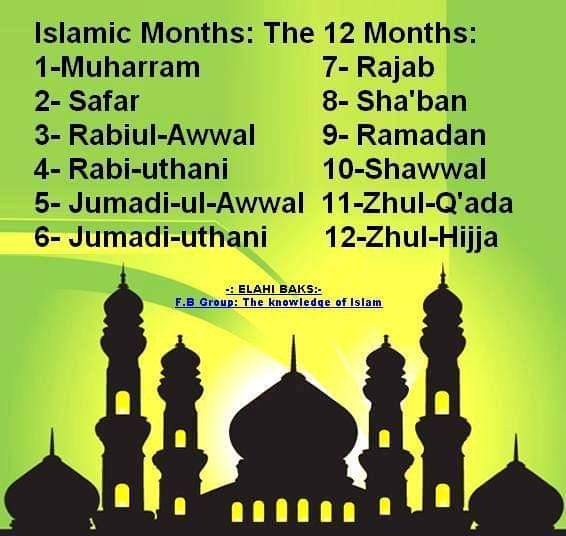
    1. Muharram
    2. Safar
    3. Rabbiul awwal
    4. Rabbiul akhir
    5. Jumada awwal
    6. Jumada akhir
    7. Rajab
    8. Sha'aban
    9. Ramadan
    10. Shawwal
    11. Dhul-Qidah
    12. Dhul-Haji

    ๐—”๐—ฟ๐˜๐—ถ๐—ฐ๐—น๐—ฒ๐˜€ ๐—ผ๐—ณ ๐—™๐—ฎ๐—ถ๐˜๐—ต
    1. Belief in Allah
    2. Belief in Prophets
    3. Belief in Holy Book (The Qur'an)
    4. Belief in Angels
    5. Belief in Qadr
    6. Belief in the Day of Judgment

    ๐—ก๐—ฎ๐—บ๐—ฒ๐˜€ ๐—ผ๐—ณ 25 ๐—ฃ๐—ฟ๐—ผ๐—ฝ๐—ต๐—ฒ๐˜๐˜€
    1. Nabi Adam
    2. Nabi Idris
    3. Nabi Nuh
    4. Nabi Hud
    5. Nabi Salih
    6. Nabi Lut
    7. Nabi Ibrahim
    8. Nabi Ismael
    9. Nabi Ishaq (Isaac)
    10. Nabi Yaqub
    11. Nabi Yusuf
    12. Nabi Shu'aib
    13. Nabi Ayyub
    14. Nabi Dhulkifl
    15. Nabi Musa
    16. Nabi Harun
    17. Nabi Dawud
    18. Nabi Sulayman
    19. Nabi Ilias
    20. Nabi Alyasa
    21. Nabi Yunus
    22. Nabi Zakariya
    23. Nabi Yahya
    24. Nabi Isa
    25. Nabi Muhammad

    ๐—ง๐—ต๐—ฒ 4 ๐—ฆ๐˜‚๐—ป๐—ป๐—ถ ๐—œ๐—บ๐—ฎ๐—บ๐˜€
    1. Imam Malik Ibn Anas
    2. Imam Abu Hanifah
    3. Imam Ash Shafi'i
    4. Imam Ahmed Ibn Hanbal

    5 ๐—ฃ๐—ถ๐—น๐—น๐—ฎ๐—ฟ๐˜€ ๐—ผ๐—ณ ๐—œ๐˜€๐—น๐—ฎ๐—บ
    1. Faith
    2. Salah
    3. Fasting
    4. Zakat
    5. Hajj

    5 ๐——๐—ฎ๐—ถ๐—น๐˜† ๐—ฃ๐—ฟ๐—ฎ๐˜†๐—ฒ๐—ฟ๐˜€
    1. Fajr - 2 raka'at
    2. Dzuhur - 4 raka'at
    3. Asr - 4 raka'at
    4. Maghrib - 3 raka'at
    5. Isha - 4 raka'at

    Bless your timeline
    ๐—œ๐˜€๐—น๐—ฎ๐—บ๐—ถ๐—ฐ ๐— ๐—ผ๐—ป๐˜๐—ต๐˜€ 1. Muharram 2. Safar 3. Rabbiul awwal 4. Rabbiul akhir 5. Jumada awwal 6. Jumada akhir 7. Rajab 8. Sha'aban 9. Ramadan 10. Shawwal 11. Dhul-Qidah 12. Dhul-Haji ๐—”๐—ฟ๐˜๐—ถ๐—ฐ๐—น๐—ฒ๐˜€ ๐—ผ๐—ณ ๐—™๐—ฎ๐—ถ๐˜๐—ต 1. Belief in Allah 2. Belief in Prophets 3. Belief in Holy Book (The Qur'an) 4. Belief in Angels 5. Belief in Qadr 6. Belief in the Day of Judgment ๐—ก๐—ฎ๐—บ๐—ฒ๐˜€ ๐—ผ๐—ณ 25 ๐—ฃ๐—ฟ๐—ผ๐—ฝ๐—ต๐—ฒ๐˜๐˜€ 1. Nabi Adam 2. Nabi Idris 3. Nabi Nuh 4. Nabi Hud 5. Nabi Salih 6. Nabi Lut 7. Nabi Ibrahim 8. Nabi Ismael 9. Nabi Ishaq (Isaac) 10. Nabi Yaqub 11. Nabi Yusuf 12. Nabi Shu'aib 13. Nabi Ayyub 14. Nabi Dhulkifl 15. Nabi Musa 16. Nabi Harun 17. Nabi Dawud 18. Nabi Sulayman 19. Nabi Ilias 20. Nabi Alyasa 21. Nabi Yunus 22. Nabi Zakariya 23. Nabi Yahya 24. Nabi Isa 25. Nabi Muhammad ๐—ง๐—ต๐—ฒ 4 ๐—ฆ๐˜‚๐—ป๐—ป๐—ถ ๐—œ๐—บ๐—ฎ๐—บ๐˜€ 1. Imam Malik Ibn Anas 2. Imam Abu Hanifah 3. Imam Ash Shafi'i 4. Imam Ahmed Ibn Hanbal 5 ๐—ฃ๐—ถ๐—น๐—น๐—ฎ๐—ฟ๐˜€ ๐—ผ๐—ณ ๐—œ๐˜€๐—น๐—ฎ๐—บ 1. Faith 2. Salah 3. Fasting 4. Zakat 5. Hajj 5 ๐——๐—ฎ๐—ถ๐—น๐˜† ๐—ฃ๐—ฟ๐—ฎ๐˜†๐—ฒ๐—ฟ๐˜€ 1. Fajr - 2 raka'at 2. Dzuhur - 4 raka'at 3. Asr - 4 raka'at 4. Maghrib - 3 raka'at 5. Isha - 4 raka'at Bless your timeline ๐ŸŒป๐Ÿ–‡๏ธ
    0 Comments 0 Shares
  • Unbelievably Ramadan is almost here, we are approximately 105 days away bi'ithmillah. We need to start getting ready before it’s too late. When will it be too late? It’ll be too late on the first day of Ramadan!

    We can’t go from a life of doing just the basics of Islam to suddenly fasting and making extra prayers and reading Quran all day long overnight. If we try to do that, most of us will burn out within the first week.

    So instead of waiting until Ramadan is upon us, take these simple yet productive steps to prepare ourselves for the best month of the year, in shaa'Allah!

    Start Fasting Now!
    There’s no reason to wait until Ramadan to start fasting. You can start right now. There are certain days of the week and certain times of the month when it’s preferred to fast.

    Begin fasting on Mondays and Thursdays. If you can’t do both days, then choose just one of them and stick with it.
    You can also fast on the 13th, 14th, and 15th of the month. Of course, we’re talking about the lunar months. Encourage your friends to fast and break fast with you specially all new Muslims in your circle.

    Start Reading Quran Now!
    Many Muslims have the intention of reading the entire Quran during the month of Ramadan. The vast majority of us don’t make it all the way.

    If you’re tired of falling short year after year, then you should get into the habit of reading the Quran now. Don’t wait until Ramadan. If you begin reading a little bit every day now, you’ll be more comfortable with completing a full juz on a daily basis when Ramadan comes.

    Try reading a little bit of the Quran after Salaatul Fajr (the Dawn prayer).
    If you’re not already doing so, read Surat al Kahf (the Chapter of the Cave) every Friday.
    Try reading the Quran at the masjid as well as at home. This way, you’ll be comfortable reading the Book of Allah no matter where you are.

    Start Making Night Prayers Now!
    One of the best things about Ramadan is making the nightly Taraweeh prayers. But I’m sure you’ve noticed how things change throughout the month.

    Usually, when Ramadan starts, there are a lot of people showing up at the Masjid for Taraweeh. By the second week, that numbers has gone down by two thirds. Then it shoots back up again during the last ten days (or the last seven).

    Don’t get caught in the same routine again. If you get into the habit of making Tahajjud prayers now on a regular basis, you’ll be better equipped for these long prayers when Ramadan comes.

    Just a few tips on making Tahajjud:
    Start slowly! Don’t start off making 40 rakat (units) of Tahajjud and wear yourself out after a couple of days. Just do what is easy for you, even if that is only two rakat.
    Take this time to practice your Qiraat (Quran recitation).
    Make dua! Supplication in the middle of the night is especially beloved by Allah.

    Last but not least start Giving Sadaqah Now!
    Of course, good deeds performed during Ramadan are worth much more than those done during the rest of the year. That’s why many Muslims try to increase their good deeds during this month.

    Sadaqah (voluntary charity) is another good deed you can do. But you don’t have to wait until Ramadan. Begin giving Sadaqah immediately and it’ll be even easier to do so during Ramadan.

    In shaa'Allah, these tips will help you prepare for Ramadan. Don’t worry if you can’t do them all. Just do what’s easiest for you and it’ll be easier when the big month comes. Also don't forget to make up your days, time does not pause or stop for no one...

    May Allah subhana wa taa'la grant us all sound minds, unshakable faith and good health to reach the blessed month of Ramadan, ameen. ๐Ÿฝ

    #RamadanIsComing
    Unbelievably Ramadan is almost here, we are approximately 105 days away bi'ithmillah. We need to start getting ready before it’s too late. When will it be too late? It’ll be too late on the first day of Ramadan! We can’t go from a life of doing just the basics of Islam to suddenly fasting and making extra prayers and reading Quran all day long overnight. If we try to do that, most of us will burn out within the first week. So instead of waiting until Ramadan is upon us, take these simple yet productive steps to prepare ourselves for the best month of the year, in shaa'Allah! Start Fasting Now! There’s no reason to wait until Ramadan to start fasting. You can start right now. There are certain days of the week and certain times of the month when it’s preferred to fast. Begin fasting on Mondays and Thursdays. If you can’t do both days, then choose just one of them and stick with it. You can also fast on the 13th, 14th, and 15th of the month. Of course, we’re talking about the lunar months. Encourage your friends to fast and break fast with you specially all new Muslims in your circle. Start Reading Quran Now! Many Muslims have the intention of reading the entire Quran during the month of Ramadan. The vast majority of us don’t make it all the way. If you’re tired of falling short year after year, then you should get into the habit of reading the Quran now. Don’t wait until Ramadan. If you begin reading a little bit every day now, you’ll be more comfortable with completing a full juz on a daily basis when Ramadan comes. Try reading a little bit of the Quran after Salaatul Fajr (the Dawn prayer). If you’re not already doing so, read Surat al Kahf (the Chapter of the Cave) every Friday. Try reading the Quran at the masjid as well as at home. This way, you’ll be comfortable reading the Book of Allah no matter where you are. Start Making Night Prayers Now! One of the best things about Ramadan is making the nightly Taraweeh prayers. But I’m sure you’ve noticed how things change throughout the month. Usually, when Ramadan starts, there are a lot of people showing up at the Masjid for Taraweeh. By the second week, that numbers has gone down by two thirds. Then it shoots back up again during the last ten days (or the last seven). Don’t get caught in the same routine again. If you get into the habit of making Tahajjud prayers now on a regular basis, you’ll be better equipped for these long prayers when Ramadan comes. Just a few tips on making Tahajjud: Start slowly! Don’t start off making 40 rakat (units) of Tahajjud and wear yourself out after a couple of days. Just do what is easy for you, even if that is only two rakat. Take this time to practice your Qiraat (Quran recitation). Make dua! Supplication in the middle of the night is especially beloved by Allah. Last but not least start Giving Sadaqah Now! Of course, good deeds performed during Ramadan are worth much more than those done during the rest of the year. That’s why many Muslims try to increase their good deeds during this month. Sadaqah (voluntary charity) is another good deed you can do. But you don’t have to wait until Ramadan. Begin giving Sadaqah immediately and it’ll be even easier to do so during Ramadan. In shaa'Allah, these tips will help you prepare for Ramadan. Don’t worry if you can’t do them all. Just do what’s easiest for you and it’ll be easier when the big month comes. Also don't forget to make up your days, time does not pause or stop for no one... May Allah subhana wa taa'la grant us all sound minds, unshakable faith and good health to reach the blessed month of Ramadan, ameen. ๐Ÿคฒ๐Ÿฝ #RamadanIsComing
    0 Comments 0 Shares
  • Fajr Prayer in Tešnje Bosnia
    November 13, 2022
    Fajr Prayer in Tešnje Bosnia ๐Ÿ‡ง๐Ÿ‡ฆ November 13, 2022
    0 Comments 0 Shares
  • The King of Kings, Aurangzeb 'ฤ€lamgฤซr is among the most hated men in Indian history, but the truth is that he has been unjustly demonised because he was a pious Muslim who followed Islฤm. That was his only 'crime.'

    In reality, Sultฤn Muแธฅฤซ al-Dฤซn Muแธฅammad Aurangzeb 'ฤ€lamgฤซr he is one of the greatest leaders to have ever ruled the Indian subcontinent and we can say that by looking at his achievements.

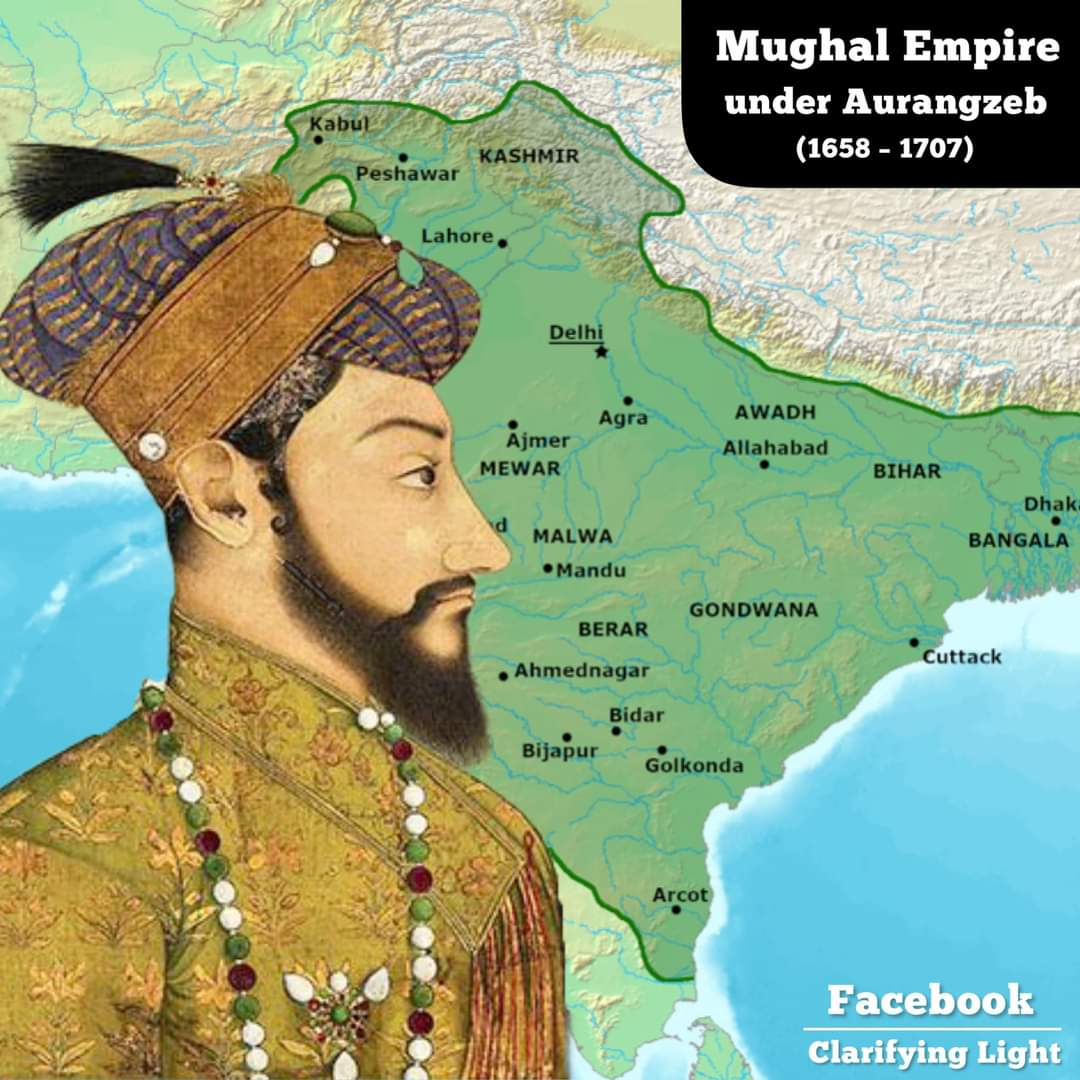
    He became the Mughal ruler in 1658 and under his rule, his territory and land expanded to 4 million square miles, and ruled over an estimated 158 million people. He even surprised China into the world's largest economy.

    The great orthodox Muslim leader Aurangzeb 'ฤ€lamgฤซr was the last prominent Mughal emperor and ruled over the entire Indian subcontinent including present-day; Pakistan, Afghanistan, Kashmir, Bengal as well as northern and southern India. His main goal and focus was to make Islฤm a dominant force in his reign.

    He was said to be both the richest and most powerful leader of his day as he showed tactical and strategic military skill, great powers of dissimulation, and ruthless determination. He also commissioned the compilation of Fatฤwฤ 'ฤ€lamgฤซrฤซ on แธคanafฤซ Fiqh. The Sultฤn was also a disciple of the son of Imฤm Rabbฤnฤซ Mujaddid Alf al-Thฤnฤซ al-Fฤrลซqฤซ al-Sirhindi. He was not only an Islamic scholar, devout worshiper, pious ascetic, and revivalist of his age, but he was also a brave and tolerant king who was filled with Taqwฤ.

    He compiled Fatฤwฤ 'ฤ€lamgฤซri, which served as the Islamic law of India at that time. For instance, he reintroduced the practice of jizya on non-Muslims and banned the old Hindu practice of suttee.

    He banned the consumption of alcohol, music, dancers, painting of living things, prostitution, gambling and in fact many others things that were not in line with the Sharฤซ'ah law in his reign.

    He passed away on a Friday after finishing the Fajr prayer while reciting Kalimah. May Allฤh elevate his rank and al-Fฤtiแธฅa for his noble soul! #History
    The King of Kings, Aurangzeb 'ฤ€lamgฤซr is among the most hated men in Indian history, but the truth is that he has been unjustly demonised because he was a pious Muslim who followed Islฤm. That was his only 'crime.' In reality, Sultฤn Muแธฅฤซ al-Dฤซn Muแธฅammad Aurangzeb 'ฤ€lamgฤซr he is one of the greatest leaders to have ever ruled the Indian subcontinent and we can say that by looking at his achievements. He became the Mughal ruler in 1658 and under his rule, his territory and land expanded to 4 million square miles, and ruled over an estimated 158 million people. He even surprised China into the world's largest economy. The great orthodox Muslim leader Aurangzeb 'ฤ€lamgฤซr was the last prominent Mughal emperor and ruled over the entire Indian subcontinent including present-day; Pakistan, Afghanistan, Kashmir, Bengal as well as northern and southern India. His main goal and focus was to make Islฤm a dominant force in his reign. He was said to be both the richest and most powerful leader of his day as he showed tactical and strategic military skill, great powers of dissimulation, and ruthless determination. He also commissioned the compilation of Fatฤwฤ 'ฤ€lamgฤซrฤซ on แธคanafฤซ Fiqh. The Sultฤn was also a disciple of the son of Imฤm Rabbฤnฤซ Mujaddid Alf al-Thฤnฤซ al-Fฤrลซqฤซ al-Sirhindi. He was not only an Islamic scholar, devout worshiper, pious ascetic, and revivalist of his age, but he was also a brave and tolerant king who was filled with Taqwฤ. He compiled Fatฤwฤ 'ฤ€lamgฤซri, which served as the Islamic law of India at that time. For instance, he reintroduced the practice of jizya on non-Muslims and banned the old Hindu practice of suttee. He banned the consumption of alcohol, music, dancers, painting of living things, prostitution, gambling and in fact many others things that were not in line with the Sharฤซ'ah law in his reign. He passed away on a Friday after finishing the Fajr prayer while reciting Kalimah. May Allฤh elevate his rank and al-Fฤtiแธฅa for his noble soul! #History
    0 Comments 0 Shares