• 8 children. 1 mother and 1 grandmother underway on camels and donkeys in remote Chad. The Arabe people of Chad are thought to have originally arrived in the country in the 7th century after crossing from Egypt, through Sudan, to get there. These days they make up one of the 200+ nomadic tribal groups that criss-cross the country each day on the backs of camels, cows, donkeys and horse-drawn carriages. They are normally incredibly shy with photographers and usually dislike us being in their world. Therefore encounters like this require careful attention, handling and kindness from someone who knows them well. When Arabs migrate, their whole homes are packed up on their livestock. The youngest children and animals, along with family elders who can’t keep pace, get to ride in fairytale boxes on tops of camels. Their movements are what initially drove me to plan this expedition in Chad. I have yet to set the dates for a future visit but if you are curious to join me please message me. #ingervandyke #wildimagesphototours #chad #nomads #arabe
    8 children. 1 mother and 1 grandmother underway on camels and donkeys in remote Chad. The Arabe people of Chad are thought to have originally arrived in the country in the 7th century after crossing from Egypt, through Sudan, to get there. These days they make up one of the 200+ nomadic tribal groups that criss-cross the country each day on the backs of camels, cows, donkeys and horse-drawn carriages. They are normally incredibly shy with photographers and usually dislike us being in their world. Therefore encounters like this require careful attention, handling and kindness from someone who knows them well. When Arabs migrate, their whole homes are packed up on their livestock. The youngest children and animals, along with family elders who can’t keep pace, get to ride in fairytale boxes on tops of camels. Their movements are what initially drove me to plan this expedition in Chad. I have yet to set the dates for a future visit but if you are curious to join me please message me. #ingervandyke #wildimagesphototours #chad #nomads #arabe
    0 Comentários 0 Compartilhamentos
  • All eyes on Palestine and Sudan

    Credit: @shahd_rajab51
    All eyes on Palestine and Sudan Credit: @shahd_rajab51
    0 Comentários 0 Compartilhamentos
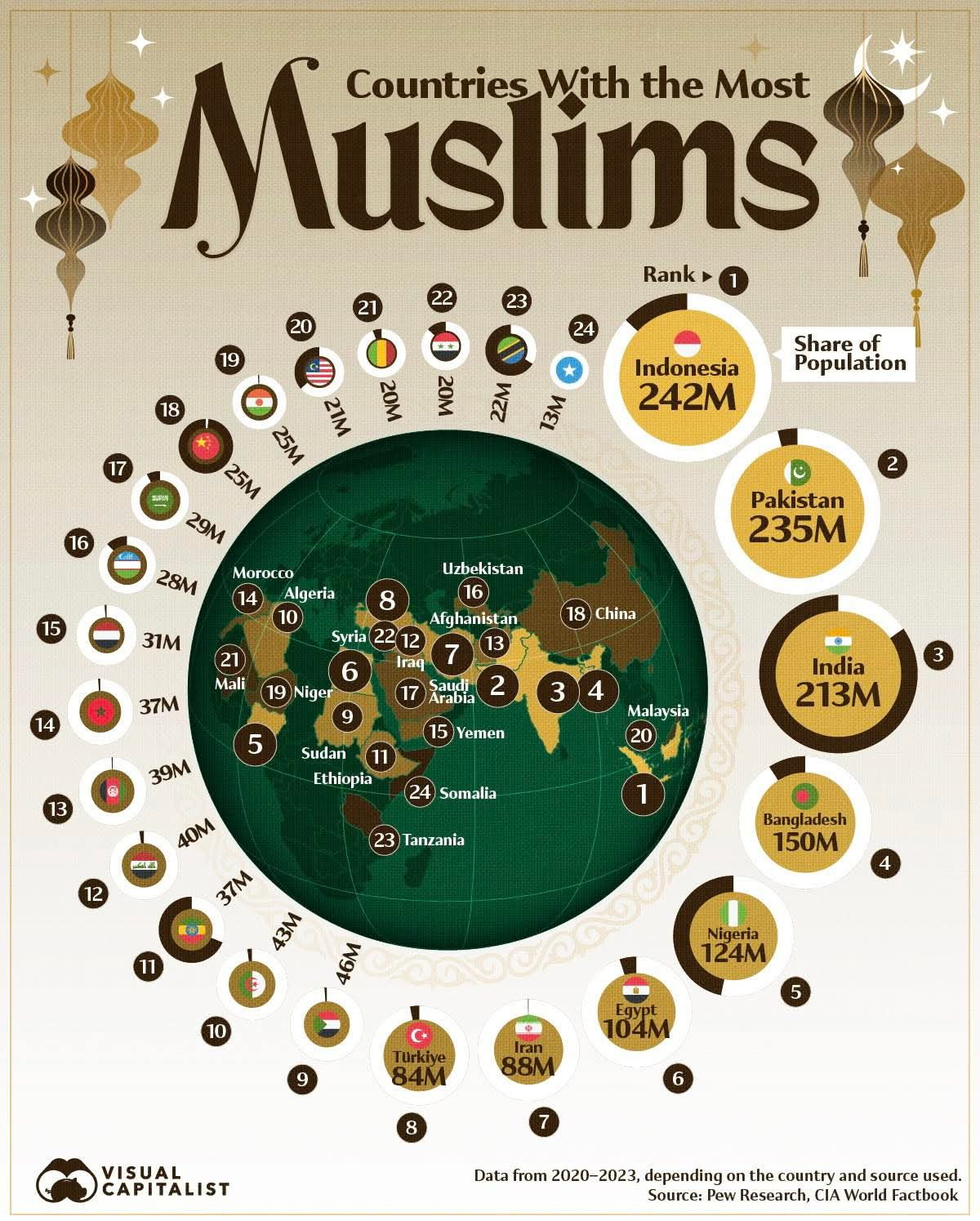
  • Countries With the Most Muslims (% Population)

    1. Indonesia - 242M (87.0%)
    2. Pakistan - 235M (96.3%)
    3. India - 213M (15.3%)
    4. Bangladesh - 150M (91.0%)
    5. Nigeria - 124M (53.5%)
    6. Egypt - 104M (95%)
    7. Iran - 88M (99.8%)
    8. Turkey - 84M (97%)
    9. Sudan - 46M (99%)
    10. Algeria - 43M (98.0%)
    11. Iraq - 40M (98%)
    12. Afghanistan - 39M (99.7%)
    13. Ethiopia - 37M (31.3%)
    14. Morocco - 37M (99.0%)
    15. Yemen - 31M (99.1%)
    16. Saudi Arabia - 29M (92.7%)
    17. Uzbekistan - 28M (88.0%)
    18. China - 25M (1.4%)
    19. Nigér - 25M (99.3%)
    20. Tanzania - 22M (34.1%)
    21. Malaysia - 21M (63.5%)
    22. Mali - 20M (93.9%)
    23. Syria - 20M (87.0%)
    24. Somalia - 13M (99.8%)

    The data comes from two complementary sources: Pew Research, which tracks global religious affiliation, and the CIA World Factbook, which publishes national demographic splits.

    Countries With the Largest Muslim Populations: Islam is the world’s second-largest religion, with 1.8 billion Muslims dispersed across every continent. Due to data constraints, the most recent figures between 2020–2023 have been utilized, depending on availability per country. Africa is home to some of the fastest-growing Muslim populations. Nigeria, already the continent’s most populous country, now counts over 124 million Muslims, comprising more than half its citizens. In North Africa, Egypt and Algeria each report that roughly 95-98% of their inhabitants identify as Muslim, reflecting centuries-old cultural and religious continuity.
    🕌 Countries With the Most Muslims (% Population) 1. 🇮🇩 Indonesia - 242M (87.0%) 2. 🇵🇰 Pakistan - 235M (96.3%) 3. 🇮🇳 India - 213M (15.3%) 4. 🇧🇩 Bangladesh - 150M (91.0%) 5. 🇳🇬 Nigeria - 124M (53.5%) 6. 🇪🇬 Egypt - 104M (95%) 7. 🇮🇷 Iran - 88M (99.8%) 8. 🇹🇷 Turkey - 84M (97%) 9. 🇸🇩 Sudan - 46M (99%) 10. 🇩🇿 Algeria - 43M (98.0%) 11. 🇮🇶 Iraq - 40M (98%) 12. 🇦🇫 Afghanistan - 39M (99.7%) 13. 🇪🇹 Ethiopia - 37M (31.3%) 14. 🇲🇦 Morocco - 37M (99.0%) 15. 🇾🇪 Yemen - 31M (99.1%) 16. 🇸🇦 Saudi Arabia - 29M (92.7%) 17. 🇺🇿 Uzbekistan - 28M (88.0%) 18. 🇨🇳 China - 25M (1.4%) 19. 🇳🇪 Nigér - 25M (99.3%) 20. 🇹🇿 Tanzania - 22M (34.1%) 21. 🇲🇾 Malaysia - 21M (63.5%) 22. 🇲🇱 Mali - 20M (93.9%) 23. 🇸🇾 Syria - 20M (87.0%) 24. 🇸🇴 Somalia - 13M (99.8%) 📌 The data comes from two complementary sources: Pew Research, which tracks global religious affiliation, and the CIA World Factbook, which publishes national demographic splits. Countries With the Largest Muslim Populations: Islam is the world’s second-largest religion, with 1.8 billion Muslims dispersed across every continent. Due to data constraints, the most recent figures between 2020–2023 have been utilized, depending on availability per country. Africa is home to some of the fastest-growing Muslim populations. Nigeria, already the continent’s most populous country, now counts over 124 million Muslims, comprising more than half its citizens. In North Africa, Egypt and Algeria each report that roughly 95-98% of their inhabitants identify as Muslim, reflecting centuries-old cultural and religious continuity.
    0 Comentários 0 Compartilhamentos
  • Most Populous Countries in The World (August 2025)

    1. India - 1,465,677,586 (1.47B)
    2. China - 1,415,623,588 (1.42B)
    3. United States - 347,538,693 (348M)
    4. Indonesia - 286,035,530 (286M)
    5. Pakistan - 255,219,554 (255M)
    6. Nigeria - 238,251,907 (238M)
    7. Brazil - 212,932,800 (213M)
    8. Bangladesh - 176,002,683 (176M)
    9. Russia - 143,876,305 (144M)
    10. Ethiopia - 135,983,125 (136M)
    11. Mexico - 132,107,942 (132M)
    12. Japan - 123,007,892 (123M)
    13. Egypt - 118,638,206 (119M)
    14. Philippines - 116,926,846 (117M)
    15. DR Congo - 113,367,106 (113M)
    16. Vietnam - 101,689,007 (102M)
    17. Iran - 92,543,805 (92M)
    18. Turkey - 87,716,710 (88M)
    19. Germany - 84,004,876 (84M)
    20. Thailand - 71,612,755 (72M)
    21. Tanzania - 70,801,979 (71M)
    22. United Kingdom - 69,609,918 (70M)
    23. France - 66,665,565 (67M)
    24. South Africa - 64,849,940 (65M)
    25. Italy - 59,117,339 (59M)
    26. Kenya - 57,680,076 (58M)
    27. Myanmar - 54,900,269 (55M)
    28. Colombia - 53,500,821 (54M)
    29. South Korea - 51,659,659 (52M)
    30. Sudan - 51,821,910 (52M)
    31. Uganda - 51,562,757 (52M)
    32. Spain - 47,886,966 (48M)
    33. Algeria - 47,520,822 (48M)
    34. Iraq - 47,151,180 (47M)
    35. Argentina - 45,873,616 (46M)
    36. Afghanistan - 43,999,045 (44M)
    37. Yemen - 41,927,208 (42M)
    38. Canada - 40,180,416 (40M)
    39. Angola - 39,187,953 (39M)
    40. Morocco - 38,479,712 (38M)
    41. Poland - 38,080,709 (38M)
    42. Uzbekistan - 37,146,431 (37M)
    43. Malaysia - 36,036,035 (36M)
    44. Mozambique - 35,760,667 (36M)
    45. Ghana - 35,150,102 (35M)
    46. Peru - 34,626,633 (35M)
    47. Saudi Arabia - 34,647,916 (35M)
    48. Madagascar - 32,842,738 (33M)
    49. 🇨🇮 Côte d'Ivoire - 32,813,785 (33M)
    50. Cameroon - 29,978,049 (30M)
    Most Populous Countries in The World (August 2025) 1. 🇮🇳 India - 1,465,677,586 (1.47B) 2. 🇨🇳 China - 1,415,623,588 (1.42B) 3. 🇺🇸 United States - 347,538,693 (348M) 4. 🇮🇩 Indonesia - 286,035,530 (286M) 5. 🇵🇰 Pakistan - 255,219,554 (255M) 6. 🇳🇬 Nigeria - 238,251,907 (238M) 7. 🇧🇷 Brazil - 212,932,800 (213M) 8. 🇧🇩 Bangladesh - 176,002,683 (176M) 9. 🇷🇺 Russia - 143,876,305 (144M) 10. 🇪🇹 Ethiopia - 135,983,125 (136M) 11. 🇲🇽 Mexico - 132,107,942 (132M) 12. 🇯🇵 Japan - 123,007,892 (123M) 13. 🇪🇬 Egypt - 118,638,206 (119M) 14. 🇵🇭 Philippines - 116,926,846 (117M) 15. 🇨🇩 DR Congo - 113,367,106 (113M) 16. 🇻🇳 Vietnam - 101,689,007 (102M) 17. 🇮🇷 Iran - 92,543,805 (92M) 18. 🇹🇷 Turkey - 87,716,710 (88M) 19. 🇩🇪 Germany - 84,004,876 (84M) 20. 🇹🇭 Thailand - 71,612,755 (72M) 21. 🇹🇿 Tanzania - 70,801,979 (71M) 22. 🇬🇧 United Kingdom - 69,609,918 (70M) 23. 🇫🇷 France - 66,665,565 (67M) 24. 🇿🇦 South Africa - 64,849,940 (65M) 25. 🇮🇹 Italy - 59,117,339 (59M) 26. 🇰🇪 Kenya - 57,680,076 (58M) 27. 🇲🇲 Myanmar - 54,900,269 (55M) 28. 🇨🇴 Colombia - 53,500,821 (54M) 29. 🇰🇷 South Korea - 51,659,659 (52M) 30. 🇸🇩 Sudan - 51,821,910 (52M) 31. 🇺🇬 Uganda - 51,562,757 (52M) 32. 🇪🇸 Spain - 47,886,966 (48M) 33. 🇩🇿 Algeria - 47,520,822 (48M) 34. 🇮🇶 Iraq - 47,151,180 (47M) 35. 🇦🇷 Argentina - 45,873,616 (46M) 36. 🇦🇫 Afghanistan - 43,999,045 (44M) 37. 🇾🇪 Yemen - 41,927,208 (42M) 38. 🇨🇦 Canada - 40,180,416 (40M) 39. 🇦🇴 Angola - 39,187,953 (39M) 40. 🇲🇦 Morocco - 38,479,712 (38M) 41. 🇵🇱 Poland - 38,080,709 (38M) 42. 🇺🇿 Uzbekistan - 37,146,431 (37M) 43. 🇲🇾 Malaysia - 36,036,035 (36M) 44. 🇲🇿 Mozambique - 35,760,667 (36M) 45. 🇬🇭 Ghana - 35,150,102 (35M) 46. 🇵🇪 Peru - 34,626,633 (35M) 47. 🇸🇦 Saudi Arabia - 34,647,916 (35M) 48. 🇲🇬 Madagascar - 32,842,738 (33M) 49. 🇨🇮 Côte d'Ivoire - 32,813,785 (33M) 50. 🇨🇲 Cameroon - 29,978,049 (30M)
    0 Comentários 0 Compartilhamentos
  • Two years into one of the world’s deadliest — and most underreported — conflicts, Sudan is being torn apart.

    Fighting between the Sudanese army and paramilitary RSF has turned cities into graveyards. Bodies lie unburied. Hospitals are in ruins. Entire towns have been emptied.

    About 30% of Sudan’s population have fled their homes.

    Aid groups warn the real death toll could be far higher than reported — many areas are inaccessible, and communication blackouts hide the full scale of atrocities.

    The brutality is clear, but what we know may only scratch the surface.
    Two years into one of the world’s deadliest — and most underreported — conflicts, Sudan is being torn apart. Fighting between the Sudanese army and paramilitary RSF has turned cities into graveyards. Bodies lie unburied. Hospitals are in ruins. Entire towns have been emptied. About 30% of Sudan’s population have fled their homes. Aid groups warn the real death toll could be far higher than reported — many areas are inaccessible, and communication blackouts hide the full scale of atrocities. The brutality is clear, but what we know may only scratch the surface.
    1
    0 Comentários 0 Compartilhamentos
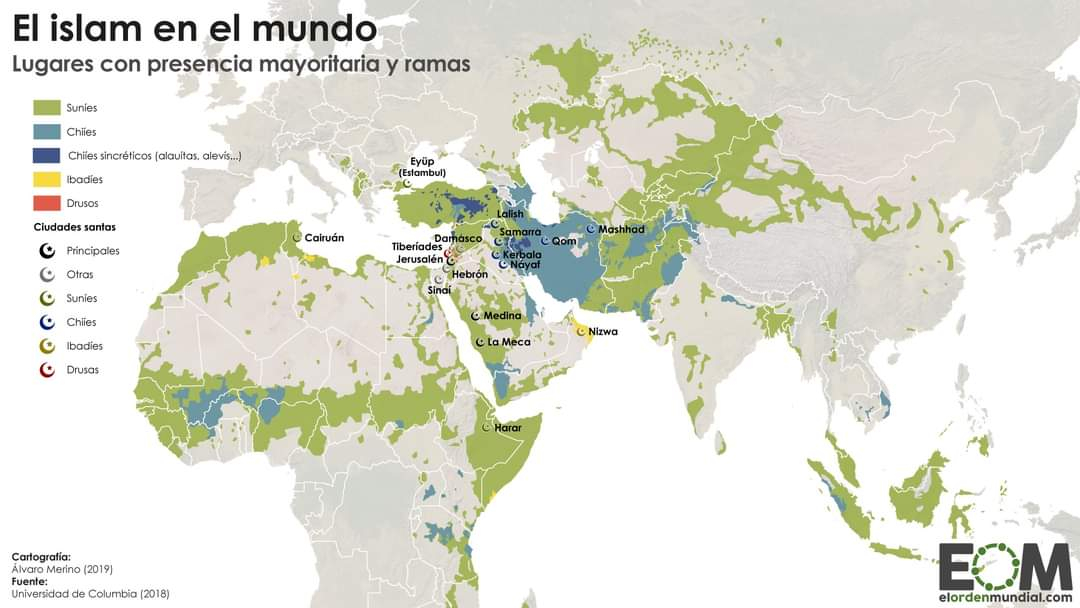
  • Islamic World

    The Islamic world refers to countries and regions where Islam is dominant, influencing various aspects of life, including culture, politics, law, and education. It is not just limited to the Middle East; it spans Africa, Asia, and Europe.
    Critical Aspects of the Islamic World:
    1. Geographical Spread:
    Middle East and North Africa (MENA): The heartland of Islam, including countries like Saudi Arabia, Egypt, Iran, and Turkey.
    South Asia: Countries like Pakistan, Bangladesh, and Afghanistan, where Islam plays a central role.
    Southeast Asia: Indonesia, the world's most populous Muslim-majority country, Malaysia, and Brunei.
    Sub-Saharan Africa: Countries like Nigeria, Sudan, and Somalia have significant Muslim populations.
    Europe: There are significant Muslim communities in Bosnia and Herzegovina, Albania, and growing populations in Western Europe due to migration.
    2. Cultural and Religious Practices:
    Religious Practices: The Five Pillars of Islam (Shahada, Salah, Zakat, Sawm, Hajj) are central to Islamic life.
    Islamic Law (Sharia): In many Muslim-majority countries, Sharia law influences or directly governs legal systems, covering everything from criminal law to personal status issues like marriage and inheritance.
    Language: Arabic is the liturgical language of Islam, but other languages, such as Persian, Turkish, Urdu, and Malay, are widely spoken in the Islamic world.
    3. Historical Contributions:
    The Golden Age of Islam (8th to 14th century) was a period of significant advancements in science, medicine, mathematics, and philosophy, with learning centres in cities like Baghdad, Cairo, and Cordoba.
    Architecture: Islamic architecture is renowned for its mosques, madrasas (schools), and palaces, featuring minarets, domes, and intricate geometric designs.
    4. Modern-Day Dynamics:
    Political Landscape: The Islamic world includes various governance systems, from monarchies in the Gulf States to republics in Iran and Turkey. Political Islam and movements like the Muslim Brotherhood have had significant influence in some regions.
    Economic Power: The Islamic world includes some of the world's largest oil producers, like Saudi Arabia and Iran, which play a critical role in global energy markets.
    Social Issues: The Islamic world faces diverse social challenges, from modernisation and globalisation to debates over women's rights, democracy, and the role of religion in the state.
    5. Global Influence:
    Diaspora: Significant Muslim communities in Europe, North America, and other parts of the world contribute to the global influence of Islam.
    Interfaith Relations: Islam is one of the world's major religions, with interfaith dialogue becoming increasingly important in promoting understanding and cooperation between different religious communities.
    The Islamic world is diverse and complex, with a rich history and significant impact on global culture, politics, and economics.
    Islamic World The Islamic world refers to countries and regions where Islam is dominant, influencing various aspects of life, including culture, politics, law, and education. It is not just limited to the Middle East; it spans Africa, Asia, and Europe. Critical Aspects of the Islamic World: 1. Geographical Spread: Middle East and North Africa (MENA): The heartland of Islam, including countries like Saudi Arabia, Egypt, Iran, and Turkey. South Asia: Countries like Pakistan, Bangladesh, and Afghanistan, where Islam plays a central role. Southeast Asia: Indonesia, the world's most populous Muslim-majority country, Malaysia, and Brunei. Sub-Saharan Africa: Countries like Nigeria, Sudan, and Somalia have significant Muslim populations. Europe: There are significant Muslim communities in Bosnia and Herzegovina, Albania, and growing populations in Western Europe due to migration. 2. Cultural and Religious Practices: Religious Practices: The Five Pillars of Islam (Shahada, Salah, Zakat, Sawm, Hajj) are central to Islamic life. Islamic Law (Sharia): In many Muslim-majority countries, Sharia law influences or directly governs legal systems, covering everything from criminal law to personal status issues like marriage and inheritance. Language: Arabic is the liturgical language of Islam, but other languages, such as Persian, Turkish, Urdu, and Malay, are widely spoken in the Islamic world. 3. Historical Contributions: The Golden Age of Islam (8th to 14th century) was a period of significant advancements in science, medicine, mathematics, and philosophy, with learning centres in cities like Baghdad, Cairo, and Cordoba. Architecture: Islamic architecture is renowned for its mosques, madrasas (schools), and palaces, featuring minarets, domes, and intricate geometric designs. 4. Modern-Day Dynamics: Political Landscape: The Islamic world includes various governance systems, from monarchies in the Gulf States to republics in Iran and Turkey. Political Islam and movements like the Muslim Brotherhood have had significant influence in some regions. Economic Power: The Islamic world includes some of the world's largest oil producers, like Saudi Arabia and Iran, which play a critical role in global energy markets. Social Issues: The Islamic world faces diverse social challenges, from modernisation and globalisation to debates over women's rights, democracy, and the role of religion in the state. 5. Global Influence: Diaspora: Significant Muslim communities in Europe, North America, and other parts of the world contribute to the global influence of Islam. Interfaith Relations: Islam is one of the world's major religions, with interfaith dialogue becoming increasingly important in promoting understanding and cooperation between different religious communities. The Islamic world is diverse and complex, with a rich history and significant impact on global culture, politics, and economics.
    0 Comentários 0 Compartilhamentos
  • 20 Haziran Dünya Mülteci Günü

    Tarihimiz boyunca kendisine sığınan tüm mazlumlara sahip çıkıp misafir eden bir milletin ferdi olarak; tüm dünya toplumlarının aynı anlayış ve dayanışma içinde mültecilerin yaşam koşullarını iyileştirmesi dileğiyle...

    “Herkes, zulümden kurtulmak için başka ülkelere iltica etme ve bundan yararlanma hakkına sahiptir."

    (İnsan Hakları Evrensel Beyannamesi / Madde 14)

    BM verilerine göre evlerini terk etmek zorunda kalan insanların sayısı 82.4 milyonu aştı

    En çok mülteci veren ülkeler:

    1. Suriye: 6.7 milyon
    2. Filistin: 5.5 milyon
    3. Afganistan: 2.7 milyon
    4. Güney Sudan: 2.3 milyon

    BM verilerine göre dünyada en çok mülteci ağırlayan ülkeler:

    1. Türkiye: 3.7 milyon
    2. Pakistan: 1.4 milyon
    3. Uganda: 1.2 milyon
    4. Sudan: 1.1 milyon
    5. Almanya: 1.1 milyon

    #DünyaMülteciGünü
    #DünyaMültecilerGünü #WorldRefugeeDay #refugeeday
    #Mülteci #Refugee #Muhacir #Sığınma
    #AB #Avrupa #Europa #world
    20 Haziran Dünya Mülteci Günü Tarihimiz boyunca kendisine sığınan tüm mazlumlara sahip çıkıp misafir eden bir milletin ferdi olarak; tüm dünya toplumlarının aynı anlayış ve dayanışma içinde mültecilerin yaşam koşullarını iyileştirmesi dileğiyle... “Herkes, zulümden kurtulmak için başka ülkelere iltica etme ve bundan yararlanma hakkına sahiptir." (İnsan Hakları Evrensel Beyannamesi / Madde 14) BM verilerine göre evlerini terk etmek zorunda kalan insanların sayısı 82.4 milyonu aştı En çok mülteci veren ülkeler: 1. 🇸🇾Suriye: 6.7 milyon 2. 🇵🇸Filistin: 5.5 milyon 3. 🇦🇫Afganistan: 2.7 milyon 4. 🇸🇸Güney Sudan: 2.3 milyon BM verilerine göre dünyada en çok mülteci ağırlayan ülkeler: 1. 🇹🇷Türkiye: 3.7 milyon 2. 🇵🇰Pakistan: 1.4 milyon 3. 🇺🇬Uganda: 1.2 milyon 4. 🇸🇩Sudan: 1.1 milyon 5. 🇩🇪Almanya: 1.1 milyon #DünyaMülteciGünü🌍 #DünyaMültecilerGünü #WorldRefugeeDay #refugeeday #Mülteci #Refugee #Muhacir #Sığınma #AB #Avrupa #Europa #world
    0 Comentários 0 Compartilhamentos
  • TAVUS KUŞUNUN YELPAZESİNDEKİ MUHTEŞEM DETAYLAR

    1- Erkek tavus kuşunda her yıl yenilenen yaklaşık 200 kuyruk tüyü vardır.

    2- Tüylerden 170 kadarı göz şeklindedir, bunlar 'göz tüyü' olarak adlandırılır. Kalan 30 tüy ise yelpazeye son derece estetik bir dış sınır çizen 't tüyleri'dir.

    3- Tavus kuşları kuyruk tüylerini sergilerken ortaya çıkan yelpazede göz tüylerinin oldukça düzenli bir yayılım gösterdiği, t ve göz tüylerinin de mikroskobik ölçüde çok kompleks bir yapıya sahip oldukları görülür. Gözlerin her biri görünür vaziyettedir, çünkü yelpazede ön sırada kısa tüyler, arka sırada uzun tüyler yerleştirilmiştir.

    4- Bir tavus kuşunun tüyündeki bu göz alıcı renklerin bir özelliği, görüş açısına göre değişmeleridir. Burada renkler pigmentlerle (hayvan veya bitki dokularına renk veren madde) değil, ince-film adı verilen ve barbüllerde gerçekleşen optik (görme ve gözle ilgili) bir etki sayesinde ortaya çıkar. www.tuymucizesi.com

    5- Barbüller kuş tüyleri üzerindeki en ince yapılardır ve ancak mikroskop altında görünürler. Bir tavus kuşu tüyü üzerinde çok sayıda tüycük bulunur ve her bir tüycük üzerinde de yaklaşık bir milyon barbül vardır. Tavus kuşunun göz tüyü üzerindeki barbüller, bronz, mavi, koyu mor ve yeşil renklerde görünürler.

    6- Barbüllerde ortaya çıkan ince-film etkisi, üç keratin tabakada gerçekleşir. Bu etki, üç tabakada aynı anda gerçekleşir ve ortaya değişik renkler çıkar. Keratin tabakaların belli bir rengi üretmesi ancak son derece ince olmaları sayesinde mümkün olur. Keratin tabakaların kalınlığı milimetrenin sadece yirmi binde biri kadardır ve bu, en parlak rengi üretmede 'optimal' kalınlıktır. Çünkü tabaka kalınlığı, gözle görülebilir ışığın dalga boyunu geçmemelidir.

    Görüldüğü gibi tavus kuşu tüyündeki düzen son derece komplekstir ve şuuru olmayan bir tavus kuşunun bu düzeni kendi kendine akledip vücuduna yerleştirmesi mümkün değildir. Tavus kuşu tüylerindeki bu düzeni sağlayan ve onlardan harika desenler çıkaran Yüce Allah'tır. Rabbimiz'in hayranlık uyandıran yaratma sanatı bir Kuran ayetinde şöyle bildirilmiştir:

    "Allah, her canlıyı sudan yarattı. İşte bunlardan kimi karnı üzerinde yürümekte, kimi iki ayağı üzerinde yürümekte, kimi de dört (ayağı) üzerinde yürümektedir. Allah, dilediğini yaratır. Hiç şüphesiz Allah, her şeye güç yetirendir."; (Nur Suresi, 45)
    TAVUS KUŞUNUN YELPAZESİNDEKİ MUHTEŞEM DETAYLAR 1- Erkek tavus kuşunda her yıl yenilenen yaklaşık 200 kuyruk tüyü vardır. 2- Tüylerden 170 kadarı göz şeklindedir, bunlar 'göz tüyü' olarak adlandırılır. Kalan 30 tüy ise yelpazeye son derece estetik bir dış sınır çizen 't tüyleri'dir. 3- Tavus kuşları kuyruk tüylerini sergilerken ortaya çıkan yelpazede göz tüylerinin oldukça düzenli bir yayılım gösterdiği, t ve göz tüylerinin de mikroskobik ölçüde çok kompleks bir yapıya sahip oldukları görülür. Gözlerin her biri görünür vaziyettedir, çünkü yelpazede ön sırada kısa tüyler, arka sırada uzun tüyler yerleştirilmiştir. 4- Bir tavus kuşunun tüyündeki bu göz alıcı renklerin bir özelliği, görüş açısına göre değişmeleridir. Burada renkler pigmentlerle (hayvan veya bitki dokularına renk veren madde) değil, ince-film adı verilen ve barbüllerde gerçekleşen optik (görme ve gözle ilgili) bir etki sayesinde ortaya çıkar. www.tuymucizesi.com 5- Barbüller kuş tüyleri üzerindeki en ince yapılardır ve ancak mikroskop altında görünürler. Bir tavus kuşu tüyü üzerinde çok sayıda tüycük bulunur ve her bir tüycük üzerinde de yaklaşık bir milyon barbül vardır. Tavus kuşunun göz tüyü üzerindeki barbüller, bronz, mavi, koyu mor ve yeşil renklerde görünürler. 6- Barbüllerde ortaya çıkan ince-film etkisi, üç keratin tabakada gerçekleşir. Bu etki, üç tabakada aynı anda gerçekleşir ve ortaya değişik renkler çıkar. Keratin tabakaların belli bir rengi üretmesi ancak son derece ince olmaları sayesinde mümkün olur. Keratin tabakaların kalınlığı milimetrenin sadece yirmi binde biri kadardır ve bu, en parlak rengi üretmede 'optimal' kalınlıktır. Çünkü tabaka kalınlığı, gözle görülebilir ışığın dalga boyunu geçmemelidir. Görüldüğü gibi tavus kuşu tüyündeki düzen son derece komplekstir ve şuuru olmayan bir tavus kuşunun bu düzeni kendi kendine akledip vücuduna yerleştirmesi mümkün değildir. Tavus kuşu tüylerindeki bu düzeni sağlayan ve onlardan harika desenler çıkaran Yüce Allah'tır. Rabbimiz'in hayranlık uyandıran yaratma sanatı bir Kuran ayetinde şöyle bildirilmiştir: "Allah, her canlıyı sudan yarattı. İşte bunlardan kimi karnı üzerinde yürümekte, kimi iki ayağı üzerinde yürümekte, kimi de dört (ayağı) üzerinde yürümektedir. Allah, dilediğini yaratır. Hiç şüphesiz Allah, her şeye güç yetirendir."; (Nur Suresi, 45)
    0 Comentários 0 Compartilhamentos
  • Over 100 people were killed, and dozens more injured, after the paramilitary Rapid Support Forces (RSF) attacked the village of Wad al Noora in Sudan’s Gezira state on June 5, officials said.

    UNICEF Executive Director Catherina Russell said in a statement that at least 35 children were killed and 20 others injured during the attacks.

    On June 6, Sudan’s Transitional Sovereignty Council accused the RSF of committing a massacre in the village and killing “a large number of innocents,” while the RSF said they attacked three camps housing elements of the army and intelligence personnel.

    Madani Resistance Committee, a local pro-democracy activists group, put the toll at “more than 104,” and accused the paramilitaries of looting Wad al Noura during the attacks.

    The war between the RSF and the Sudanese army, which broke out in April 2023, has wrecked the country as clashes spread across multiple cities and pushed its population to the brink of famine.

    More than 14,000 people have been killed and thousands more have been wounded, with hundreds of thousands displaced.
    Over 100 people were killed, and dozens more injured, after the paramilitary Rapid Support Forces (RSF) attacked the village of Wad al Noora in Sudan’s Gezira state on June 5, officials said. UNICEF Executive Director Catherina Russell said in a statement that at least 35 children were killed and 20 others injured during the attacks. On June 6, Sudan’s Transitional Sovereignty Council accused the RSF of committing a massacre in the village and killing “a large number of innocents,” while the RSF said they attacked three camps housing elements of the army and intelligence personnel. Madani Resistance Committee, a local pro-democracy activists group, put the toll at “more than 104,” and accused the paramilitaries of looting Wad al Noura during the attacks. The war between the RSF and the Sudanese army, which broke out in April 2023, has wrecked the country as clashes spread across multiple cities and pushed its population to the brink of famine. More than 14,000 people have been killed and thousands more have been wounded, with hundreds of thousands displaced.
    0 Comentários 0 Compartilhamentos
  • Sudan'ın orta kesimlerindeki Cezira eyaletinin Ved en-Nora köyünde HDK saldırıları sonucunda 100'den fazla kişi yaşamını yitirdi http://v.aa.com.tr/3241494
    Sudan'ın orta kesimlerindeki Cezira eyaletinin Ved en-Nora köyünde HDK saldırıları sonucunda 100'den fazla kişi yaşamını yitirdi http://v.aa.com.tr/3241494
    0 Comentários 0 Compartilhamentos
Páginas Impulsionadas