• 8 children. 1 mother and 1 grandmother underway on camels and donkeys in remote Chad. The Arabe people of Chad are thought to have originally arrived in the country in the 7th century after crossing from Egypt, through Sudan, to get there. These days they make up one of the 200+ nomadic tribal groups that criss-cross the country each day on the backs of camels, cows, donkeys and horse-drawn carriages. They are normally incredibly shy with photographers and usually dislike us being in their world. Therefore encounters like this require careful attention, handling and kindness from someone who knows them well. When Arabs migrate, their whole homes are packed up on their livestock. The youngest children and animals, along with family elders who can’t keep pace, get to ride in fairytale boxes on tops of camels. Their movements are what initially drove me to plan this expedition in Chad. I have yet to set the dates for a future visit but if you are curious to join me please message me. #ingervandyke #wildimagesphototours #chad #nomads #arabe
    8 children. 1 mother and 1 grandmother underway on camels and donkeys in remote Chad. The Arabe people of Chad are thought to have originally arrived in the country in the 7th century after crossing from Egypt, through Sudan, to get there. These days they make up one of the 200+ nomadic tribal groups that criss-cross the country each day on the backs of camels, cows, donkeys and horse-drawn carriages. They are normally incredibly shy with photographers and usually dislike us being in their world. Therefore encounters like this require careful attention, handling and kindness from someone who knows them well. When Arabs migrate, their whole homes are packed up on their livestock. The youngest children and animals, along with family elders who can’t keep pace, get to ride in fairytale boxes on tops of camels. Their movements are what initially drove me to plan this expedition in Chad. I have yet to set the dates for a future visit but if you are curious to join me please message me. #ingervandyke #wildimagesphototours #chad #nomads #arabe
    0 Comments 0 Shares
  • Koçerler, (nomads) Beşiri
    #Urfa
    #Turkey
    Koçerler, (nomads) Beşiri #Urfa #Turkey
    0 Comments 0 Shares
  • Village Life in Eastern Turkey

    The photos in the series capture people going about their daily lives; riding on horseback, bathing in the lakes and rivers, sitting around campfires and tending to their animals. Most noticeable is the stunning scenery that acts as a backdrop – from sprawling mountain ranges with snowy peaks to vast, dry open plains.

    Nadir describes what he found while exploring as “hidden lives,” lives being lived off the beaten track, away from the hustle and bustle of the city. “Once I traversed the steep paths and reached remote mountain villages such as Toreli, Alacayar, Bilgi and Uzuntekne, I was greeted with a kind of lifestyle very few of us have ever witnessed.”
    He met the region’s nomadic people in 2012 and one of them, Semsettin, took him to the highlands on horseback. “I felt like I was traveling in a different time,” he says. “I was fascinated by the eccentric relationship between the nomads and nature and animals.”

    These lives felt a world away from what Nadir is used to. It’s underpinned by this relationship with the natural world – nature’s “unmitigated presence,” he writes, means, “the profound unease that comes with modern living is entirely absent in these villages.”
    He’d never really considered what modern lives focused on technology were doing to people, but he became obsessed by these ideas. He read sociologists like Zygmunt Bauman, Paul Virilio, and Manuel Castells, who argue that “new technologies wiped out the concepts of time and place and gradually reduced human experiences.”

    But as he journeyed the mountains and foothills around Van, Nadir felt that time and place seemed alive and well. Technology clearly has its upsides and downsides, but in Nadir’s pictures we see a world removed from its clutches.

    by Alex Kahl
    Village Life in Eastern Turkey The photos in the series capture people going about their daily lives; riding on horseback, bathing in the lakes and rivers, sitting around campfires and tending to their animals. Most noticeable is the stunning scenery that acts as a backdrop – from sprawling mountain ranges with snowy peaks to vast, dry open plains. Nadir describes what he found while exploring as “hidden lives,” lives being lived off the beaten track, away from the hustle and bustle of the city. “Once I traversed the steep paths and reached remote mountain villages such as Toreli, Alacayar, Bilgi and Uzuntekne, I was greeted with a kind of lifestyle very few of us have ever witnessed.” He met the region’s nomadic people in 2012 and one of them, Semsettin, took him to the highlands on horseback. “I felt like I was traveling in a different time,” he says. “I was fascinated by the eccentric relationship between the nomads and nature and animals.” These lives felt a world away from what Nadir is used to. It’s underpinned by this relationship with the natural world – nature’s “unmitigated presence,” he writes, means, “the profound unease that comes with modern living is entirely absent in these villages.” He’d never really considered what modern lives focused on technology were doing to people, but he became obsessed by these ideas. He read sociologists like Zygmunt Bauman, Paul Virilio, and Manuel Castells, who argue that “new technologies wiped out the concepts of time and place and gradually reduced human experiences.” But as he journeyed the mountains and foothills around Van, Nadir felt that time and place seemed alive and well. Technology clearly has its upsides and downsides, but in Nadir’s pictures we see a world removed from its clutches. by Alex Kahl
    1
    0 Comments 0 Shares
  • Koçerler, (nomads) Beşiri
    #Urfa
    #Turkey
    Koçerler, (nomads) Beşiri #Urfa #Turkey
    0 Comments 0 Shares
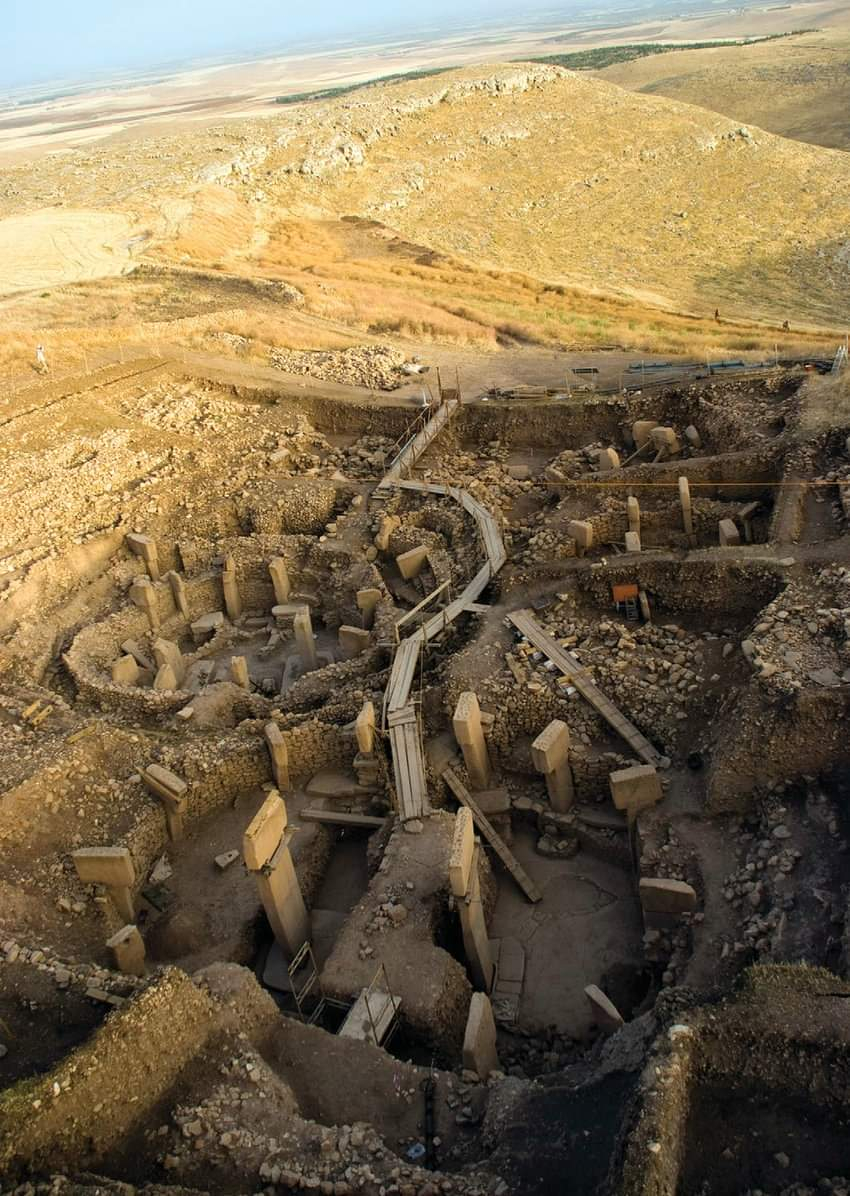
  • The mystery of Göbekli Tepe: humanity's first temple intrigues researchers !!!
    Archaeologists don't know how to solve the riddle of a place that predates Earth's great civilizations by thousands of years...
    Göbekli Tepe is one of the great mysteries of the world. Few archaeological discoveries intrigue researchers as much as this one, which may be humanity's first temple. The structure (located on the territory of present-day Turkey) was erected around 10,000 years before Christ by nomadic societies of hunter-gatherers from the Neolithic period.
    Alignment with constellations:
    Everything in Göbekli Tepe is mysterious. From the techniques used to erect the monoliths without the help of animals to the fact that no human settlements were found near this temple. The site is believed to be a shrine due to its configuration and alignment with different constellations, and thus it is deduced that there was a cult that looked to the sky.
    (See other photos in the first comments).
    The discoveries made in the region suggest that this was the exact point at which the revolution in agriculture, religion and even society began. It is possible that the complex of temples or shrines at Göbekli Tepe represented fertility, life or abundance, as reliefs found there depict animals.
    Göbekli Tepe is a challenge for archaeologists, as it completely rejects the idea that only sedentary communities erected monumental buildings. That's because the temple was possibly built by nomads more than 5,000 years before Stonehenge or the pyramids of Egypt.
    The mystery of Göbekli Tepe: humanity's first temple intrigues researchers !!! Archaeologists don't know how to solve the riddle of a place that predates Earth's great civilizations by thousands of years... Göbekli Tepe is one of the great mysteries of the world. Few archaeological discoveries intrigue researchers as much as this one, which may be humanity's first temple. The structure (located on the territory of present-day Turkey) was erected around 10,000 years before Christ by nomadic societies of hunter-gatherers from the Neolithic period. Alignment with constellations: Everything in Göbekli Tepe is mysterious. From the techniques used to erect the monoliths without the help of animals to the fact that no human settlements were found near this temple. The site is believed to be a shrine due to its configuration and alignment with different constellations, and thus it is deduced that there was a cult that looked to the sky. (See other photos in the first comments). The discoveries made in the region suggest that this was the exact point at which the revolution in agriculture, religion and even society began. It is possible that the complex of temples or shrines at Göbekli Tepe represented fertility, life or abundance, as reliefs found there depict animals. Göbekli Tepe is a challenge for archaeologists, as it completely rejects the idea that only sedentary communities erected monumental buildings. That's because the temple was possibly built by nomads more than 5,000 years before Stonehenge or the pyramids of Egypt.
    0 Comments 0 Shares
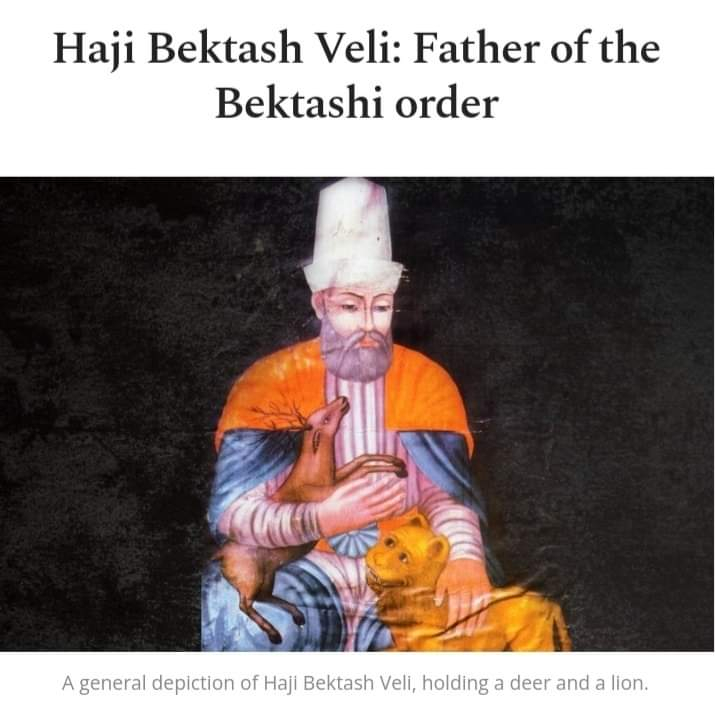
  • 𝐓𝐨𝐝𝐚𝐲 𝐦𝐚𝐫𝐤𝐬 𝐭𝐡𝐞 𝟕𝟓𝟏 𝐝𝐞𝐚𝐭𝐡 𝐚𝐧𝐧𝐢𝐯𝐞𝐫𝐬𝐚𝐫𝐲 𝐨𝐟 𝐭𝐡𝐞 𝐠𝐫𝐞𝐚𝐭 𝐒𝐚𝐲𝐲𝐢𝐝 𝐒𝐚𝐢𝐧𝐭 𝐇𝐚𝐣𝐢 𝐁𝐞𝐤𝐭𝐚𝐬𝐡 𝐕𝐞𝐥𝐢, 𝐥𝐞𝐭'𝐬 𝐫𝐞𝐚𝐝 𝐚𝐛𝐨𝐮𝐭 𝐡𝐢𝐬 𝐥𝐢𝐟𝐞 𝐚𝐧𝐝 𝐥𝐞𝐠𝐚𝐜𝐲!

    Haji Bektash Veli (1209-1271) or Wali (in the Ottoman Turkish) : حاجی بکتاش ولی. – was a Muslim mystic, saint, Sayyid, and a Sufi Master who was born in Nishapur city of contemporary Khorasan and later migrated to Anatolia where he preached Islamic Faith to the Christian and Turkish masses.

    His original name was "Sayyid Muhammad ibn Sayyid Ibrāhim Ātā". He was one of the figures who flourished in the Sultanate of Rum and had an important influence on the Turkish nomads of Asia Minor. He is also referred to as the Sultan of Hearts and the Derwish of the Derwishes. Haji Bektash Veli was a descendant of Sayyidina Musa Al Kazim the Seventh Imam of Ahle Bayt (The Celestial Prophetic Household). And thus his lineage reached back to the Leader of the Youth of Paradise Sayyidina Hussain Ibn Ali, Noble Grandson of Prophet Muhammad ﷺ.

    Haji Bektash Veli is rightly considered one of the four poles (Aqtab) of Anatolia by all the Sufi Orders of Anatolia. With the rest being Mevlana Rumi, Shaban-i Veli, and Haji Bayram-i Veli May Allah have mercy upon all.

    These four greay Aqtab (singular Qutb a high ranked Sufi and Wali Allah) played a rather instrumental role in the Islamization of Asia Minor or modern Turkey. Selçuk rulers were able to exterminate the Byzantine power in Asia Minor however they cooperated with these great Sufi Masters for spreading Islam all over Anatolia using Sufi culture & Dawah (preaching).

    Today, Haji Bektash Veli is falsely perceived as some Alevi figure who had heterodox beliefs. This is a misnomer since the Alevis began to associate with Bektash longtime after he had passed away. Ibn Khallikan (1211 – 1282), was a 13th century Sunni Shafi'i Islamic scholar and historian who reports that the Shi'ite or Alevi tendencies belonged not to him but rather to some of his murids, who took refuge in his Tekke (Sufi Lodge at Suluca Kara Oyuk in Kirşehir. So, in reality Haji Bektash was a Sunni Saint and Sufi Master.

    The Ottoman Elite Corp Yeniçeri had a great attachment to Haji Bektash Veli whose name was invoked in official ceremonies. He was seen as the Spiritual Mentor of the Yeniçeri troops. For this reason few of the modern researchers falsely regard the Yeniçeri Corp and its troops to be Shia or Alevi in Faith. But this myth is easily debunked since Yeniçeri were always at the forefront of defending the Ottoman Sunni Creed. During the Safavid Twelver aggression in 1500s, Yeniçeri were alarmed of the dangers of forced spread of Shiaism by Safavid Shah Ismail and thus they supported and helped Ottoman Caliph Yavuz Selim 1 to secure the throne. After this a mighty Persian campaign was launched in which Ottoman military including Yeniçeris laid waste to Safavids at Chaldiran. This is an undeniable historical fact which proves that religious Orientation of Yeniçeris was Orthodox Sunnism same as Ottoman rulers.

    May Allah bestow mercy and blessings upon the soul of Sayyid Haji Bektash Veli. May the Divine Nur illumine his grave. Amin

    Sources:

    TDV İslam Ansiklopedisi (in Turkish)
    Ibn Khallikan, Shakāyik
    𝐓𝐨𝐝𝐚𝐲 𝐦𝐚𝐫𝐤𝐬 𝐭𝐡𝐞 𝟕𝟓𝟏 𝐝𝐞𝐚𝐭𝐡 𝐚𝐧𝐧𝐢𝐯𝐞𝐫𝐬𝐚𝐫𝐲 𝐨𝐟 𝐭𝐡𝐞 𝐠𝐫𝐞𝐚𝐭 𝐒𝐚𝐲𝐲𝐢𝐝 𝐒𝐚𝐢𝐧𝐭 𝐇𝐚𝐣𝐢 𝐁𝐞𝐤𝐭𝐚𝐬𝐡 𝐕𝐞𝐥𝐢, 𝐥𝐞𝐭'𝐬 𝐫𝐞𝐚𝐝 𝐚𝐛𝐨𝐮𝐭 𝐡𝐢𝐬 𝐥𝐢𝐟𝐞 𝐚𝐧𝐝 𝐥𝐞𝐠𝐚𝐜𝐲! Haji Bektash Veli (1209-1271) or Wali (in the Ottoman Turkish) : حاجی بکتاش ولی. – was a Muslim mystic, saint, Sayyid, and a Sufi Master who was born in Nishapur city of contemporary Khorasan and later migrated to Anatolia where he preached Islamic Faith to the Christian and Turkish masses. His original name was "Sayyid Muhammad ibn Sayyid Ibrāhim Ātā". He was one of the figures who flourished in the Sultanate of Rum and had an important influence on the Turkish nomads of Asia Minor. He is also referred to as the Sultan of Hearts and the Derwish of the Derwishes. Haji Bektash Veli was a descendant of Sayyidina Musa Al Kazim the Seventh Imam of Ahle Bayt (The Celestial Prophetic Household). And thus his lineage reached back to the Leader of the Youth of Paradise Sayyidina Hussain Ibn Ali, Noble Grandson of Prophet Muhammad ﷺ. Haji Bektash Veli is rightly considered one of the four poles (Aqtab) of Anatolia by all the Sufi Orders of Anatolia. With the rest being Mevlana Rumi, Shaban-i Veli, and Haji Bayram-i Veli May Allah have mercy upon all. These four greay Aqtab (singular Qutb a high ranked Sufi and Wali Allah) played a rather instrumental role in the Islamization of Asia Minor or modern Turkey. Selçuk rulers were able to exterminate the Byzantine power in Asia Minor however they cooperated with these great Sufi Masters for spreading Islam all over Anatolia using Sufi culture & Dawah (preaching). Today, Haji Bektash Veli is falsely perceived as some Alevi figure who had heterodox beliefs. This is a misnomer since the Alevis began to associate with Bektash longtime after he had passed away. Ibn Khallikan (1211 – 1282), was a 13th century Sunni Shafi'i Islamic scholar and historian who reports that the Shi'ite or Alevi tendencies belonged not to him but rather to some of his murids, who took refuge in his Tekke (Sufi Lodge at Suluca Kara Oyuk in Kirşehir. So, in reality Haji Bektash was a Sunni Saint and Sufi Master. The Ottoman Elite Corp Yeniçeri had a great attachment to Haji Bektash Veli whose name was invoked in official ceremonies. He was seen as the Spiritual Mentor of the Yeniçeri troops. For this reason few of the modern researchers falsely regard the Yeniçeri Corp and its troops to be Shia or Alevi in Faith. But this myth is easily debunked since Yeniçeri were always at the forefront of defending the Ottoman Sunni Creed. During the Safavid Twelver aggression in 1500s, Yeniçeri were alarmed of the dangers of forced spread of Shiaism by Safavid Shah Ismail and thus they supported and helped Ottoman Caliph Yavuz Selim 1 to secure the throne. After this a mighty Persian campaign was launched in which Ottoman military including Yeniçeris laid waste to Safavids at Chaldiran. This is an undeniable historical fact which proves that religious Orientation of Yeniçeris was Orthodox Sunnism same as Ottoman rulers. May Allah bestow mercy and blessings upon the soul of Sayyid Haji Bektash Veli. May the Divine Nur illumine his grave. Amin 🤲 Sources: TDV İslam Ansiklopedisi (in Turkish) Ibn Khallikan, Shakāyik
    0 Comments 0 Shares