• #InPhotos: Muslims worldwide celebrate Eid al-Fitr as Ramadan ends. The festival marks the conclusion of a month of fasting and devotion, bringing families and communities together in prayer, feasting, and joy.

    #EidAlFitr #RamadanEnds #EidCelebration #GlobalMuslims #IndiaTodayGlobal
    #InPhotos: Muslims worldwide celebrate Eid al-Fitr as Ramadan ends. The festival marks the conclusion of a month of fasting and devotion, bringing families and communities together in prayer, feasting, and joy. #EidAlFitr #RamadanEnds #EidCelebration #GlobalMuslims #IndiaTodayGlobal
    0 التعليقات 0 نشر
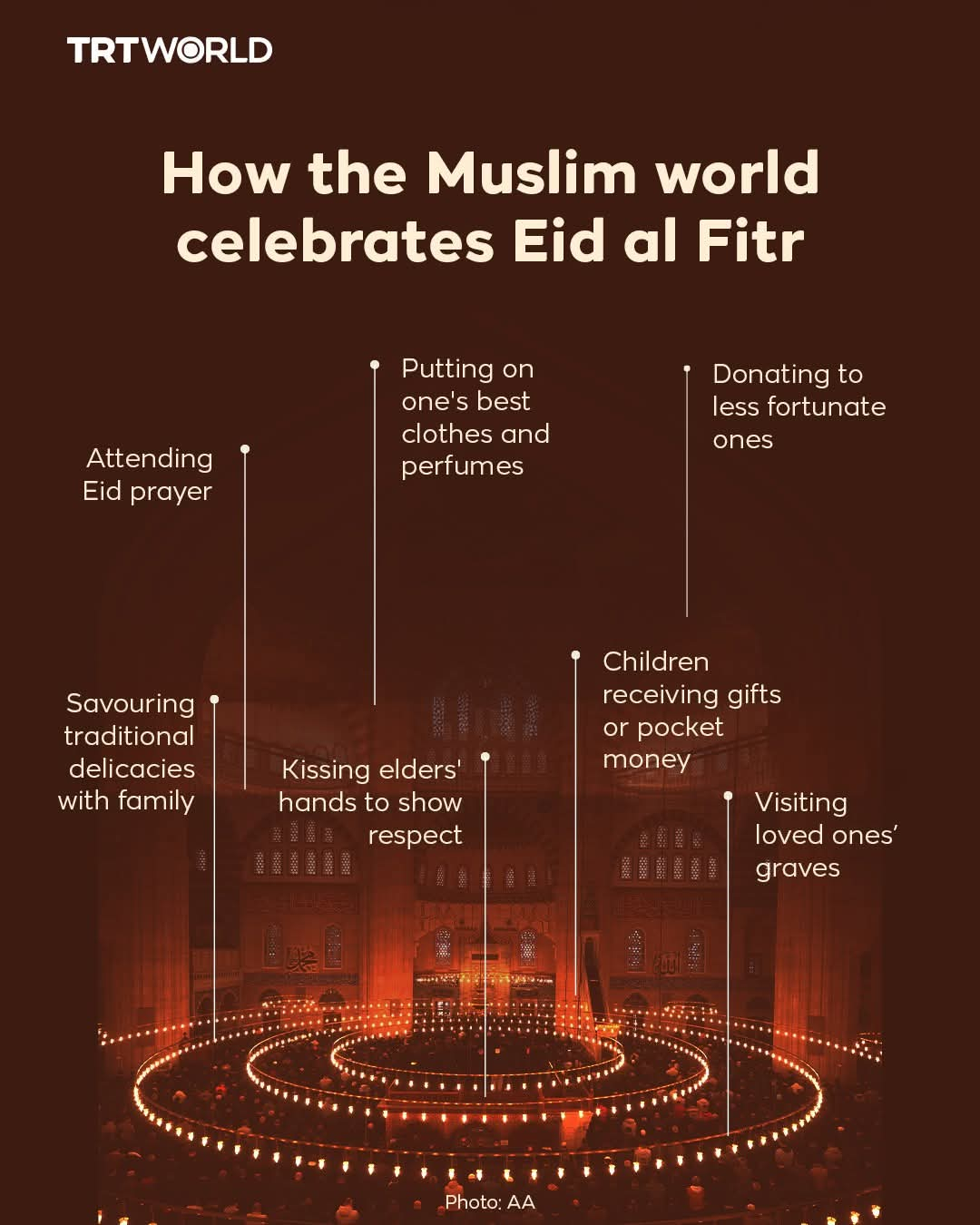
  • Eid al Fitr is being celebrated by hundreds of millions of Muslims worldwide, marking the end of the holy month of Ramadan, a month of fasting.

    A time of joy, gratitude and community, here are some of the traditions upheld on Eid days.
    Eid al Fitr is being celebrated by hundreds of millions of Muslims worldwide, marking the end of the holy month of Ramadan, a month of fasting. A time of joy, gratitude and community, here are some of the traditions upheld on Eid days.
    0 التعليقات 0 نشر
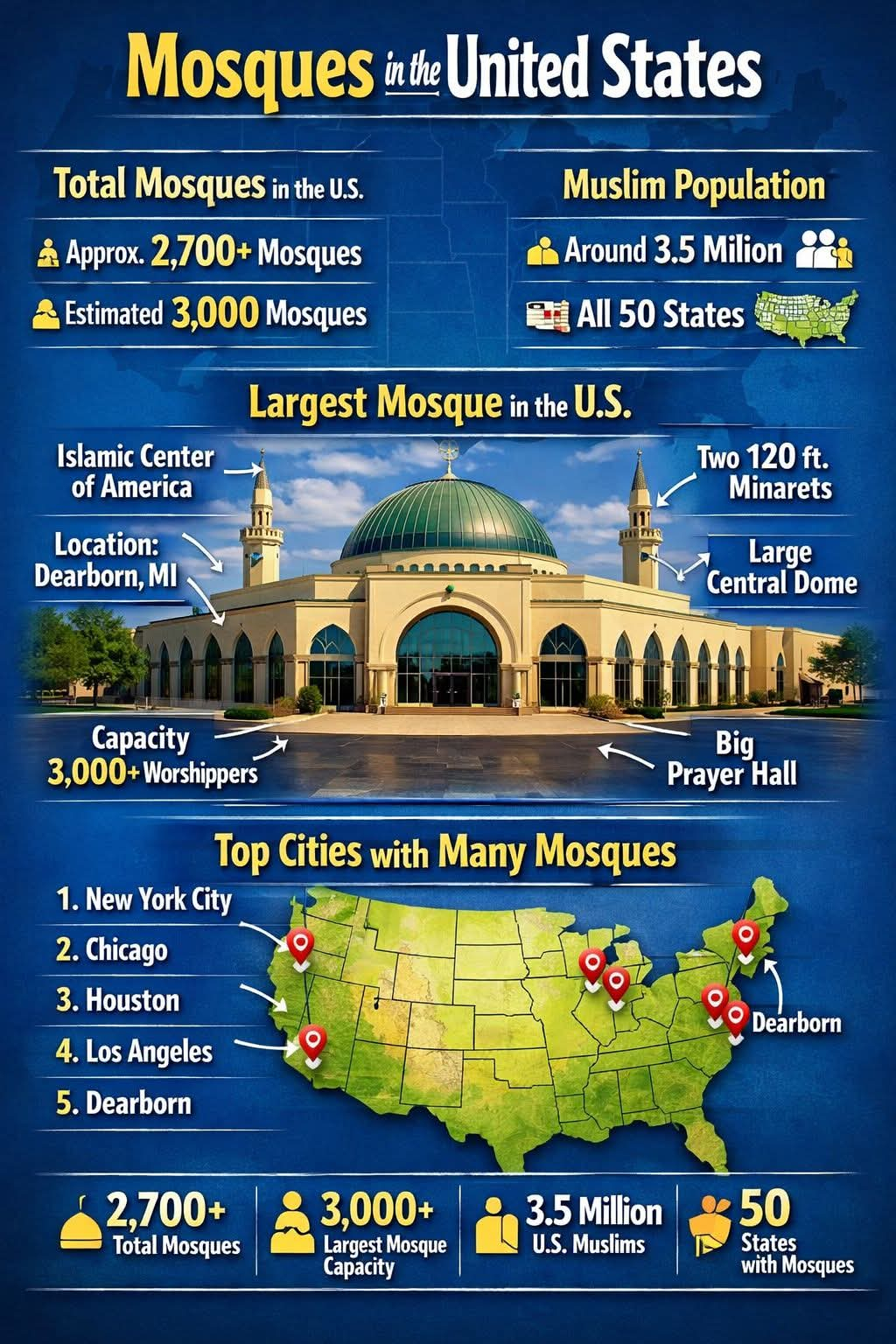
  • The United States has a growing Muslim community and thousands of mosques spread across the country. According to research by the Institute for Social Policy and Understanding, there are approximately 2,700 to 3,000 mosques in America today. These mosques serve as places for daily prayers, Friday congregational prayers, Islamic education, and community activities. Over the past few decades, the number of mosques has increased significantly due to the rising Muslim population and immigration from different parts of the world.
    The Muslim population in the United States is estimated to be around 3.5 million people. Muslims in America come from diverse ethnic backgrounds including Arabs, South Asians, African Americans, Turks, and Africans. Because of this diversity, many mosques also function as cultural and community centers where people gather for religious learning, charity work, and social support.
    One of the largest and most well-known mosques in the country is the Islamic Center of America, located in Dearborn, Michigan. This mosque is famous for its beautiful architecture, large central dome, and tall minarets. It can accommodate more than 3,000 worshippers at a time and is considered one of the biggest Islamic centers in North America.
    Major cities such as New York City, Chicago, Houston, and Los Angeles have many mosques because they have large Muslim populations. These mosques play an important role in maintaining religious identity, promoting community unity, and supporting charitable and educational activities throughout the United States.
    The United States has a growing Muslim community and thousands of mosques spread across the country. According to research by the Institute for Social Policy and Understanding, there are approximately 2,700 to 3,000 mosques in America today. These mosques serve as places for daily prayers, Friday congregational prayers, Islamic education, and community activities. Over the past few decades, the number of mosques has increased significantly due to the rising Muslim population and immigration from different parts of the world. The Muslim population in the United States is estimated to be around 3.5 million people. Muslims in America come from diverse ethnic backgrounds including Arabs, South Asians, African Americans, Turks, and Africans. Because of this diversity, many mosques also function as cultural and community centers where people gather for religious learning, charity work, and social support. One of the largest and most well-known mosques in the country is the Islamic Center of America, located in Dearborn, Michigan. This mosque is famous for its beautiful architecture, large central dome, and tall minarets. It can accommodate more than 3,000 worshippers at a time and is considered one of the biggest Islamic centers in North America. Major cities such as New York City, Chicago, Houston, and Los Angeles have many mosques because they have large Muslim populations. These mosques play an important role in maintaining religious identity, promoting community unity, and supporting charitable and educational activities throughout the United States.
    0 التعليقات 0 نشر
  • Azerbaijani Muslim woman stitches entire Qur’an by hand in three years

    A Muslim female artist from Azerbaijan has completed an extraordinary spiritual project by stitching the entire Holy Qur’an onto silky fabric over a period of three years.

    The work reflects devotion, patience, and deep reverence for the sacred text, drawing admiration across communities.

    How do such acts of dedication strengthen personal faith?
    Azerbaijani Muslim woman stitches entire Qur’an by hand in three years A Muslim female artist from Azerbaijan has completed an extraordinary spiritual project by stitching the entire Holy Qur’an onto silky fabric over a period of three years. The work reflects devotion, patience, and deep reverence for the sacred text, drawing admiration across communities. How do such acts of dedication strengthen personal faith?
    0 التعليقات 0 نشر
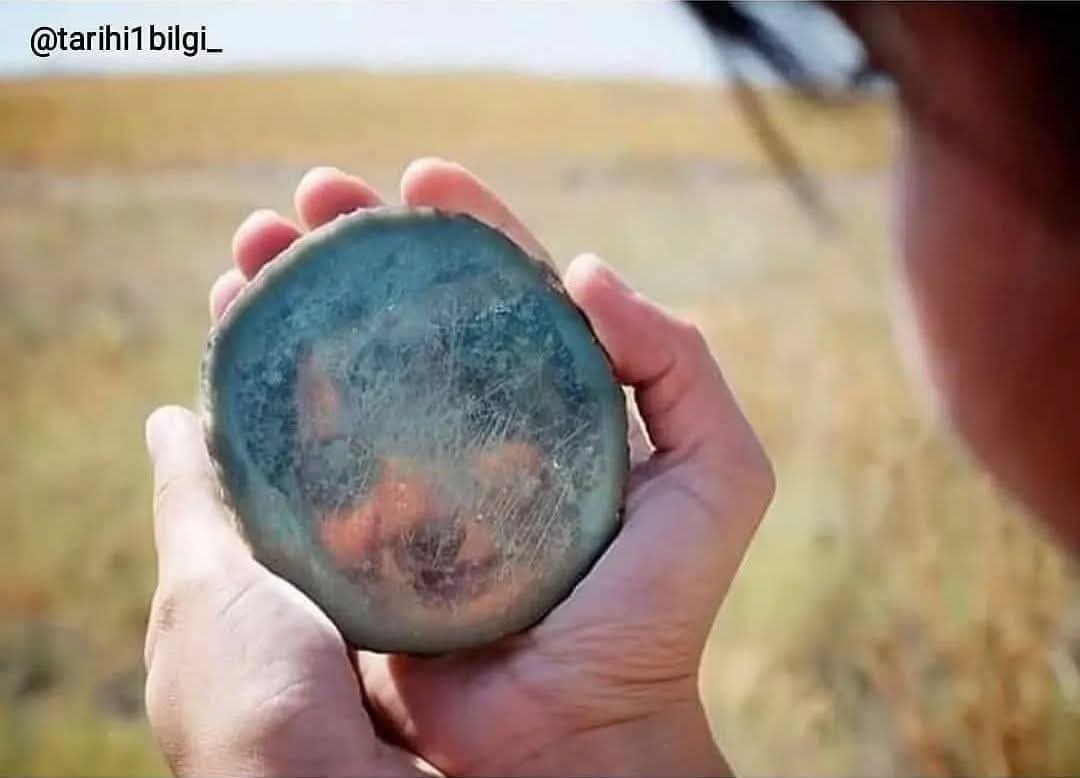
  • Dünyanın en eski aynası 8000 yıl önce Anadolu'da; obsidyenden yapıldı. Arkeoloğun yüzünün yansımasını görüyorsunuz.

    • Bu değerli ayna; Çatalhöyük 2012 kazılarında keşfedilmişti.

    • 1 Temmuz 2012'de, 21 üyeden oluşan Dünya Kültür Mirası Komitesi, St Peterburg'da, Çatalhöyük'ü Dünya Kültür Mirası Listesi'ne ekledi.

    #tarih #çatalhöyük #history
    📌 Dünyanın en eski aynası 8000 yıl önce Anadolu'da; obsidyenden yapıldı. Arkeoloğun yüzünün yansımasını görüyorsunuz. • Bu değerli ayna; Çatalhöyük 2012 kazılarında keşfedilmişti. • 1 Temmuz 2012'de, 21 üyeden oluşan Dünya Kültür Mirası Komitesi, St Peterburg'da, Çatalhöyük'ü Dünya Kültür Mirası Listesi'ne ekledi. #tarih #çatalhöyük #history
    0 التعليقات 0 نشر
  • “Ne yaparsanız yapın soykırımı unutmayın. Çünkü unutulan soykırım tekrarlanır....”

    - Aliya İzzetbegoviç

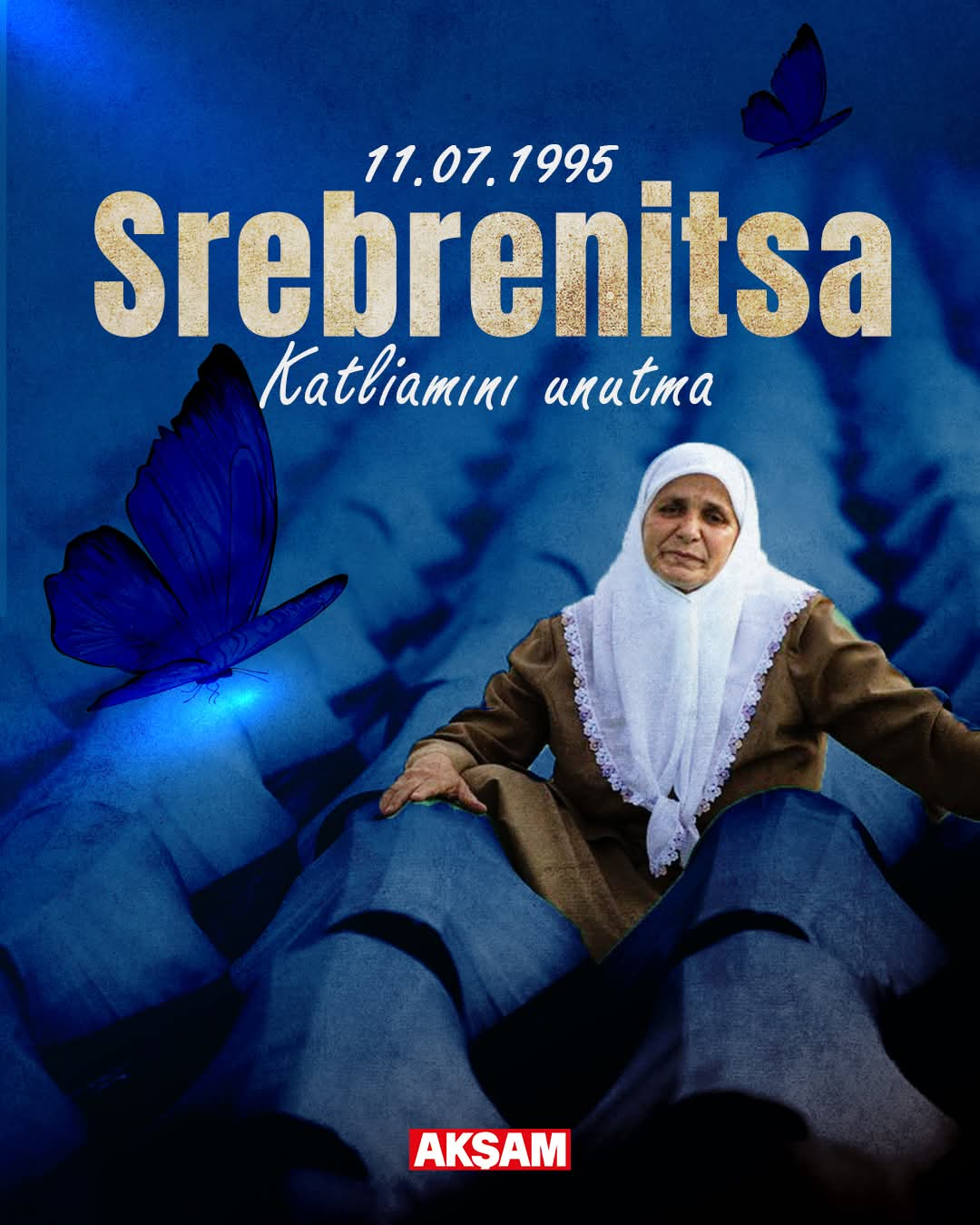
    11 Temmuz 1995'te dünyanın gözü önünde 8 bin 372 Boşnak katledildi.

    #Srebrenitsa soykırımının üzerinden 30 yıl geçti ama acısı hiç dinmedi.
    “Ne yaparsanız yapın soykırımı unutmayın. Çünkü unutulan soykırım tekrarlanır....” - Aliya İzzetbegoviç 📌11 Temmuz 1995'te dünyanın gözü önünde 8 bin 372 Boşnak katledildi. 🦋 #Srebrenitsa soykırımının üzerinden 30 yıl geçti ama acısı hiç dinmedi.
    0 التعليقات 0 نشر
  • #Turkey is located at the crossroads of Asia and Europe. It is bordered by Greece and Bulgaria to the northwest, the Black Sea to the north, Georgia to the northeast, Armenia, the Azerbaijani exclave of Nakhchivan, and Iran to the east, Iraq to the southeast, Syria and the Mediterranean Sea to the south, and the Aegean Sea to the west.
    Area: 783,562 square kilometers.
    Topography: Includes the Taurus Mountains in the south, the Pontic Mountains in the north, fertile plains like the Anatolian Plain, and the Central Anatolian Plateau, along with lakes such as Lake Van.
    Water Bodies: Borders four major seas: the Black Sea, the Sea of Marmara, the Aegean Sea, and the Mediterranean Sea.
    2. Climate:
    Coastal Areas:
    Mediterranean and Aegean Coasts: Mediterranean climate with hot, dry summers and mild, wet winters.
    Black Sea Coast: Moderate and humid climate year-round.
    Inland Regions: Continental climate with hot, dry summers and very cold, snowy winters.
    Climate Change: Turkey faces challenges like drought and rising temperatures due to climate change.
    3. Population:
    Population Size: Approximately 84.5 million (2021).
    Population Distribution: Istanbul is the largest city with over 15.5 million residents. Ankara is the second largest, followed by Izmir, Bursa, and Antalya.
    Ethnic Diversity: Predominantly Turks, with a significant Kurdish minority, and smaller Armenian, Arab, and Greek communities.
    Population Growth: About 1.2% annually.
    4. Economy:
    GDP: Approximately $7.209 trillion in 2021.
    Exports: Includes agricultural products, automobiles, textiles, and electronics, valued at $225 billion.
    Imports: Mainly energy and raw materials, totaling $271 billion.
    Unemployment Rate: Around 10.3%.
    Agriculture and Industry: Notable for wheat, hazelnuts, and olives, as well as being a leading producer of automobiles and steel.
    5. Currency:
    The official currency is the Turkish Lira (TRY), which experiences fluctuations in value against foreign currencies.
    6. Tourism:
    Visitor Numbers: Turkey welcomed around 30 million tourists in 2021.
    Revenue: Approximately $24.5 billion.
    Top Destinations:
    Istanbul: Iconic landmarks like Hagia Sophia, the Blue Mosque, and Topkapi Palace.
    Antalya: A hub for coastal tourism.
    Cappadocia: Known for its unique landscapes and hot air balloons.
    Historical Sites: Ephesus and Troy.
    7. History:
    Civilizations: Turkey has been home to various civilizations, including the Hittites, Persians, Romans, and Byzantines.
    Ottoman Era: Spanned from the 14th century to the early 20th century.
    Modern Republic: Established in 1923 under Mustafa Kemal Atatürk, who moved the capital to Ankara and initiated widespread reforms.
    8. Education:
    Education System: Mandatory for 12 years (6 years primary, 3 years middle, 3 years secondary).
    Higher Education: Home to numerous universities, including Istanbul University and Middle East Technical University.
    Literacy Rate: Approximately 96%.
    9. Healthcare:
    Healthcare System: Turkey has a well-developed healthcare system encompassing public and private sectors.
    Medical Tourism: A popular destination for medical and cosmetic treatments, attracting thousands of patients annually.
    Hospitals: Equipped with state-of-the-art medical technology.
    10. Culture:
    Official Language: Turkish.
    Religion: Islam is the predominant religion, with Christian and Jewish minorities.
    Traditions: A blend of Eastern and Western cultural influences.
    Turkey serves as a bridge between East and West, with a rich history and modern development.
    #Turkey is located at the crossroads of Asia and Europe. It is bordered by Greece and Bulgaria to the northwest, the Black Sea to the north, Georgia to the northeast, Armenia, the Azerbaijani exclave of Nakhchivan, and Iran to the east, Iraq to the southeast, Syria and the Mediterranean Sea to the south, and the Aegean Sea to the west. Area: 783,562 square kilometers. Topography: Includes the Taurus Mountains in the south, the Pontic Mountains in the north, fertile plains like the Anatolian Plain, and the Central Anatolian Plateau, along with lakes such as Lake Van. Water Bodies: Borders four major seas: the Black Sea, the Sea of Marmara, the Aegean Sea, and the Mediterranean Sea. 🌐 2. Climate: Coastal Areas: Mediterranean and Aegean Coasts: Mediterranean climate with hot, dry summers and mild, wet winters. Black Sea Coast: Moderate and humid climate year-round. Inland Regions: Continental climate with hot, dry summers and very cold, snowy winters. Climate Change: Turkey faces challenges like drought and rising temperatures due to climate change. 🌐 3. Population: Population Size: Approximately 84.5 million (2021). Population Distribution: Istanbul is the largest city with over 15.5 million residents. Ankara is the second largest, followed by Izmir, Bursa, and Antalya. Ethnic Diversity: Predominantly Turks, with a significant Kurdish minority, and smaller Armenian, Arab, and Greek communities. Population Growth: About 1.2% annually. 🌐 4. Economy: GDP: Approximately $7.209 trillion in 2021. Exports: Includes agricultural products, automobiles, textiles, and electronics, valued at $225 billion. Imports: Mainly energy and raw materials, totaling $271 billion. Unemployment Rate: Around 10.3%. Agriculture and Industry: Notable for wheat, hazelnuts, and olives, as well as being a leading producer of automobiles and steel. 🌐 5. Currency: The official currency is the Turkish Lira (TRY), which experiences fluctuations in value against foreign currencies. 🌐 6. Tourism: Visitor Numbers: Turkey welcomed around 30 million tourists in 2021. Revenue: Approximately $24.5 billion. Top Destinations: Istanbul: Iconic landmarks like Hagia Sophia, the Blue Mosque, and Topkapi Palace. Antalya: A hub for coastal tourism. Cappadocia: Known for its unique landscapes and hot air balloons. Historical Sites: Ephesus and Troy. 🌐 7. History: Civilizations: Turkey has been home to various civilizations, including the Hittites, Persians, Romans, and Byzantines. Ottoman Era: Spanned from the 14th century to the early 20th century. Modern Republic: Established in 1923 under Mustafa Kemal Atatürk, who moved the capital to Ankara and initiated widespread reforms. 🌐 8. Education: Education System: Mandatory for 12 years (6 years primary, 3 years middle, 3 years secondary). Higher Education: Home to numerous universities, including Istanbul University and Middle East Technical University. Literacy Rate: Approximately 96%. 🌐 9. Healthcare: Healthcare System: Turkey has a well-developed healthcare system encompassing public and private sectors. Medical Tourism: A popular destination for medical and cosmetic treatments, attracting thousands of patients annually. Hospitals: Equipped with state-of-the-art medical technology. 🌐 10. Culture: Official Language: Turkish. Religion: Islam is the predominant religion, with Christian and Jewish minorities. Traditions: A blend of Eastern and Western cultural influences. Turkey serves as a bridge between East and West, with a rich history and modern development.
    0 التعليقات 0 نشر
  • Two years into one of the world’s deadliest — and most underreported — conflicts, Sudan is being torn apart.

    Fighting between the Sudanese army and paramilitary RSF has turned cities into graveyards. Bodies lie unburied. Hospitals are in ruins. Entire towns have been emptied.

    About 30% of Sudan’s population have fled their homes.

    Aid groups warn the real death toll could be far higher than reported — many areas are inaccessible, and communication blackouts hide the full scale of atrocities.

    The brutality is clear, but what we know may only scratch the surface.
    Two years into one of the world’s deadliest — and most underreported — conflicts, Sudan is being torn apart. Fighting between the Sudanese army and paramilitary RSF has turned cities into graveyards. Bodies lie unburied. Hospitals are in ruins. Entire towns have been emptied. About 30% of Sudan’s population have fled their homes. Aid groups warn the real death toll could be far higher than reported — many areas are inaccessible, and communication blackouts hide the full scale of atrocities. The brutality is clear, but what we know may only scratch the surface.
    1
    0 التعليقات 0 نشر
  • Eid al Fitr celebrations continue across the world as Muslims come together in prayer, marking the first day of Eid in some countries on March 31. From mosques to open fields, communities unite in gratitude, joy, and reflection, embracing the spirit of Eid.
    Eid al Fitr celebrations continue across the world as Muslims come together in prayer, marking the first day of Eid in some countries on March 31. From mosques to open fields, communities unite in gratitude, joy, and reflection, embracing the spirit of Eid.
    0 التعليقات 0 نشر
  • Eid al Fitr marks the end of the month of Ramadan and is being celebrated by millions of Muslims worldwide.

    During Ramadan, Muslims fast from dawn until sunset, abstaining from food and drink during daylight hours

    After a month of fasting, Eid begins with early morning prayers and is followed by festive gatherings, charity events and shared meals. Lasting for three days, Eid is a time of joy, gratitude and community for Muslims. But this year’s celebrations, like last year’s, are marred by Israel’s genocidal war on Palestine’s Gaza since October 2023.
    Eid al Fitr marks the end of the month of Ramadan and is being celebrated by millions of Muslims worldwide. During Ramadan, Muslims fast from dawn until sunset, abstaining from food and drink during daylight hours After a month of fasting, Eid begins with early morning prayers and is followed by festive gatherings, charity events and shared meals. Lasting for three days, Eid is a time of joy, gratitude and community for Muslims. But this year’s celebrations, like last year’s, are marred by Israel’s genocidal war on Palestine’s Gaza since October 2023.
    0 التعليقات 0 نشر
الصفحات المعززة