• Russia’s Growing Muslim Population
    Islam continues to grow in different parts of the world, and Russia is one of the countries where the Muslim population has a significant presence.
    According to reports:
    • Russia has a Muslim population of over 28 Million
    • There are more than 8,000 Mosques across the country
    • Islam is considered the second largest religion in Russia
    Muslims in Russia belong to diverse ethnic groups and regions, contributing richly to the country’s culture, history, and society.
    From historic mosques in Tatarstan and Chechnya to large Islamic centers in major cities, Islam has a deep-rooted presence in the region.
    This reminds us that Islam is truly a global faith — crossing borders, cultures, and languages.
    May Allah keep the Ummah united and firm upon faith. Ameen.

    #Islam
    #IslamicReminder
    #Deen
    #Sunnah
    #MuslimUmmah
    #IslamicPost
    #Faith
    #IslamicMotivation
    #RussiaMuslims
    #IslamInRussia
    #MuslimPopulation
    #GlobalIslam
    Russia’s Growing Muslim Population 🇷🇺🕌 Islam continues to grow in different parts of the world, and Russia is one of the countries where the Muslim population has a significant presence. According to reports: • Russia has a Muslim population of over 28 Million • There are more than 8,000 Mosques across the country • Islam is considered the second largest religion in Russia Muslims in Russia belong to diverse ethnic groups and regions, contributing richly to the country’s culture, history, and society. From historic mosques in Tatarstan and Chechnya to large Islamic centers in major cities, Islam has a deep-rooted presence in the region. This reminds us that Islam is truly a global faith — crossing borders, cultures, and languages. May Allah keep the Ummah united and firm upon faith. Ameen. #Islam #IslamicReminder #Deen #Sunnah #MuslimUmmah #IslamicPost #Faith #IslamicMotivation #RussiaMuslims #IslamInRussia #MuslimPopulation #GlobalIslam
    0 Comments 0 Shares
  • Turkey’s Population Growth in 2025
    In 2025, Turkey’s population grew by 427,224 people compared to the previous year, reaching a total of 86,092,168 residents.
    This steady rise reflects ongoing demographic momentum shaped by natural growth and social dynamics across the country.

    #fblifestyle
    #Turkey #PopulationGrowth #Demographics #Statistics #2025Data #GlobalTrends #DataUpdate
    Turkey’s Population Growth in 2025🇹🇷📈 In 2025, Turkey’s population grew by 427,224 people compared to the previous year, reaching a total of 86,092,168 residents. This steady rise reflects ongoing demographic momentum shaped by natural growth and social dynamics across the country. 🌍✨ #fblifestyle #Turkey #PopulationGrowth #Demographics #Statistics #2025Data #GlobalTrends #DataUpdate
    0 Comments 0 Shares
  • Iman Doesn't Freeze! Muslims
    From Praying Outside in Extreme Snowfall as Masjid was Full in Russia
    ALLAHU AKBAR

    #Salah #Islam #Muslim #Prayer #Namaz #IslamicReminder #Quran #Sunnah #Jummah #Fajr #LearnSalah
    Iman Doesn't Freeze! Muslims From Praying Outside in Extreme Snowfall as Masjid was Full in Russia ALLAHU AKBAR #Salah #Islam #Muslim #Prayer #Namaz #IslamicReminder #Quran #Sunnah #Jummah #Fajr #LearnSalah
    0 Comments 0 Shares
  • Many people notice the Green Dome in Masjid al-Nabawi, but fewer understand the silver domes around it, especially the large one beside it.

    The Green Dome marks the chamber where the Prophet ﷺ is buried, along with Abu Bakr and Umar RA.

    The silver and grey domes nearby are part of the Ottoman prayer hall roof. They do not mark graves and they are not places of special ritual. They are architectural elements built to cover and organise the prayer space.

    One of these domes is larger and more prominent. It is known as Qubbat al-Maharib (the Dome of the Mihrabs). It sits above the mihrab area, including the Mihrab Uthmani, and serves as a visual marker for the qiblah and the place where the imam leads prayer.

    In simple terms:
    Green Dome → burial chamber of the Prophet ﷺ
    Silver domes → roof domes of the prayer hall
    Qubbat al-Maḥārīb → dome marking the mihrab area

    None of these domes are objects of worship. The honour of Masjid al-Nabawi comes from the Prophet ﷺ and the worship performed inside, not from structures or colours.

    Knowing this helps you appreciate the masjid for what it truly is: a place of prayer, remembrance, and connection to Allah.
    Many people notice the Green Dome in Masjid al-Nabawi, but fewer understand the silver domes around it, especially the large one beside it. The Green Dome marks the chamber where the Prophet ﷺ is buried, along with Abu Bakr and Umar RA. The silver and grey domes nearby are part of the Ottoman prayer hall roof. They do not mark graves and they are not places of special ritual. They are architectural elements built to cover and organise the prayer space. One of these domes is larger and more prominent. It is known as Qubbat al-Maharib (the Dome of the Mihrabs). It sits above the mihrab area, including the Mihrab Uthmani, and serves as a visual marker for the qiblah and the place where the imam leads prayer. In simple terms: • 🟢 Green Dome → burial chamber of the Prophet ﷺ • ⚪ Silver domes → roof domes of the prayer hall • 🕌 Qubbat al-Maḥārīb → dome marking the mihrab area None of these domes are objects of worship. The honour of Masjid al-Nabawi comes from the Prophet ﷺ and the worship performed inside, not from structures or colours. Knowing this helps you appreciate the masjid for what it truly is: a place of prayer, remembrance, and connection to Allah.
    0 Comments 0 Shares
  • Selam News İstanbul Türkiye

    Welcome to Selam News
    Selâm, Merhaba, Hello, أهلاً بك, Hola, Привет, Bonjour, Halla, नमस्ते, Salam, Hallo, 你好呀,

    Haberini paylaş Dünyaya sesini duyur.
    Share your news and make the world hear your voice.

    10 Aralık Dünya İnsan Hakları Günü
    Dünyanın dört bir yanında yaşanan insan hakları ihlallerinin ve bunlara gösterilen iki yüzlü yaklaşımların son bulmasını diliyoruz!
    Madde 1: Bütün insanlar özgür, onur ve haklar bakımından eşit doğarlar. Akıl ve vicdana sahiptirler, birbirlerine karşı kardeşlik anlayışıyla davranmalıdırlar
    İnsan Hakları Evrensel Beyannamesi 72 yaşında

    #10AralıkDünyaİnsanHaklarıGün
    10 December World Human Rights Day
    We hope that the human rights violations and the two-sided approaches to them will come to an end!
    Article 1: All people are born free, equal in dignity and rights. They have reason and conscience, they should treat each other with a sense of brotherhood.
    Universal Declaration of Human Rights 72 years old

    Selam News
    https://selamnews.com/

    #News #people #sosyalmedya #socialmedia
    #Islamic #Muslim #Muslims #Salaam #Selam #Salam #SelamNews
    #İstanbul #Turkey #Türkiye #World
    #10DecemberWorldHumanRightsDay
    #world #people #News #Haber #selam #SelamNews
    ☪️ Selam News 🌍 İstanbul Türkiye 🌐 🇹🇷 Welcome to Selam News Selâm, Merhaba, Hello, أهلاً بك, Hola, Привет, Bonjour, Halla, नमस्ते, Salam, Hallo, 你好呀, Haberini paylaş Dünyaya sesini duyur. Share your news and make the world hear your voice. 📣 10 Aralık Dünya İnsan Hakları Günü Dünyanın dört bir yanında yaşanan insan hakları ihlallerinin ve bunlara gösterilen iki yüzlü yaklaşımların son bulmasını diliyoruz! Madde 1: Bütün insanlar özgür, onur ve haklar bakımından eşit doğarlar. Akıl ve vicdana sahiptirler, birbirlerine karşı kardeşlik anlayışıyla davranmalıdırlar İnsan Hakları Evrensel Beyannamesi 72 yaşında #10AralıkDünyaİnsanHaklarıGün 10 December World Human Rights Day We hope that the human rights violations and the two-sided approaches to them will come to an end! Article 1: All people are born free, equal in dignity and rights. They have reason and conscience, they should treat each other with a sense of brotherhood. Universal Declaration of Human Rights 72 years old ☪️ Selam News 🌍 https://selamnews.com/ #News #people 🌙 #sosyalmedya #socialmedia #Islamic #Muslim #Muslims #Salaam #Selam #Salam #SelamNews #İstanbul #Turkey #Türkiye #World #10DecemberWorldHumanRightsDay #world #people #News #Haber #selam #SelamNews
    1
    0 Comments 0 Shares 4
  • A Gaza-focused meeting in New York brought together US President Donald Trump, Turkish President Recep Tayyip Erdogan, and other Muslim leaders in the region on the sidelines of the UN General Assembly.

    The closed-door talks concluded, with the details yet to be shared. Erdogan described the meeting as “very productive and positive,” Trump called it as “very successful.”

    https://trt.world/cn4h

    #PalestinesVoiceErdogan
    A Gaza-focused meeting in New York brought together US President Donald Trump, Turkish President Recep Tayyip Erdogan, and other Muslim leaders in the region on the sidelines of the UN General Assembly. The closed-door talks concluded, with the details yet to be shared. Erdogan described the meeting as “very productive and positive,” Trump called it as “very successful.” 🔗 https://trt.world/cn4h #PalestinesVoiceErdogan
    0 Comments 0 Shares
  • Abbasi Halifeliği: Rönesans'ı Ateşleyen Bir Devrim

    M.Ö. 750 yılında Abbasiler İslam'ın Altın Çağı'na öncülük ederek Umayadları devirdiler. İkonik Bağdat'taki "Yuvarlak Şehir"inden İslam dünyasını bilgi, kültür ve yenilikçi bir fenerine dönüştürdüler.

    *Bağdat'ta Yeni Bir Çağ*
    M.Ö. 762 yılında Halife Mansur tarafından kurulan Bağdat, Arapları, Farsları, Türkleri ve daha fazlasını canlı bir İslami kimlik altında birleştirerek küresel bir ticaret, diplomasi ve aklın merkezi haline geldi.

    *Öğrenmenin Altın Çağı*
    Harun el-Reşid ve el-Ma'mun gibi halifeler kültürel bir patlamayı körükledi:
    *Bilgelik Evi* Yunanca, Farsça ve Hint metinlerini tercüme etti.
    Harezmi cebiri icat etti, El-Razi tıbbı devrim yaptı ve İbn Sina'nın *Tıp Kanonu* küresel sağlık hizmetini şekillendirdi.
    El-Hasan ibn el-Heysem optiğe öncülük etti, bilimsel yöntemin temelini attı.

    *Sanat ve Felsefe gelişti*
    El-Mutanabbi gibi şairler, Sufi mistikleri ve El-Farabi gibi filozoflar Yunan rasyonalizmini İslam düşüncesiyle harmanlamışlardır. Abbasi mahkemesi ipek, müzik ve kütüphanelerle göz kamaştırdı.

    *Dini Çeşitlilik*
    Abbasiler Sünni İslam'ı teşvik ederken Şii, Haricit ve İsmail düşüncelerinin yükselişini gördüler ve ilahiyat okullarının zengin bir duvar halısını beslediler.

    *Reddet ve Miras*
    10. yüzyıla kadar, parçalanma başladı. 1258 yılında Bağdat'ın Moğol çuvallaması ve vilayet hanedanları Altın Çağ'ı sonlandırdı. Ancak Abbasilerin mirası 1517 yılına kadar Kahire'nin sembolik halifeliğinde yaşadı.

    *Bir Medeni Güç*
    Abbasiler antik bilgeliği, kaynaşmış kültürleri ve Avrupa Rönesansına ilham vermişlerdir. Hikayeleri kalemin kılıçtan daha güçlü olduğunu kanıtlıyor.

    #AbbasidCaliphate #IslamicGoldenAge #HouseOfWisdom #Baghdad #IslamicHistory #HistoryMatters #ScienceAndCulture #MedievalHistory #ZaneHistoryBuff #theinsidehistory
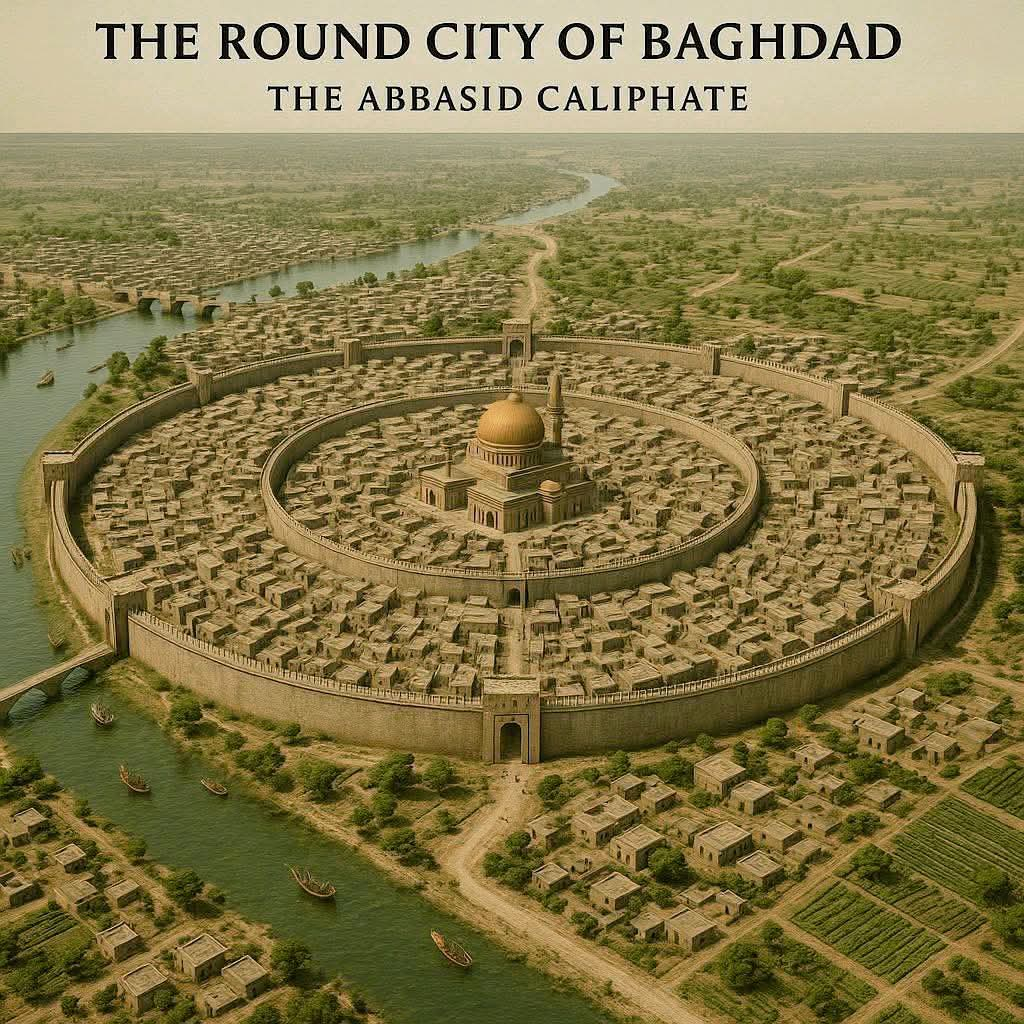
    🏛️ Abbasi Halifeliği: Rönesans'ı Ateşleyen Bir Devrim 🌟 M.Ö. 750 yılında Abbasiler İslam'ın Altın Çağı'na öncülük ederek Umayadları devirdiler. İkonik Bağdat'taki "Yuvarlak Şehir"inden İslam dünyasını bilgi, kültür ve yenilikçi bir fenerine dönüştürdüler. 🕌✨ 🌍 *Bağdat'ta Yeni Bir Çağ* M.Ö. 762 yılında Halife Mansur tarafından kurulan Bağdat, Arapları, Farsları, Türkleri ve daha fazlasını canlı bir İslami kimlik altında birleştirerek küresel bir ticaret, diplomasi ve aklın merkezi haline geldi. 💡 *Öğrenmenin Altın Çağı* Harun el-Reşid ve el-Ma'mun gibi halifeler kültürel bir patlamayı körükledi: 🧠 *Bilgelik Evi* Yunanca, Farsça ve Hint metinlerini tercüme etti. 📚 Harezmi cebiri icat etti, El-Razi tıbbı devrim yaptı ve İbn Sina'nın *Tıp Kanonu* küresel sağlık hizmetini şekillendirdi. 🔬 El-Hasan ibn el-Heysem optiğe öncülük etti, bilimsel yöntemin temelini attı. 🎭 *Sanat ve Felsefe gelişti* El-Mutanabbi gibi şairler, Sufi mistikleri ve El-Farabi gibi filozoflar Yunan rasyonalizmini İslam düşüncesiyle harmanlamışlardır. Abbasi mahkemesi ipek, müzik ve kütüphanelerle göz kamaştırdı. 🎵🎶 🕌 *Dini Çeşitlilik* Abbasiler Sünni İslam'ı teşvik ederken Şii, Haricit ve İsmail düşüncelerinin yükselişini gördüler ve ilahiyat okullarının zengin bir duvar halısını beslediler. 🗣️ *Reddet ve Miras* 10. yüzyıla kadar, parçalanma başladı. 1258 yılında Bağdat'ın Moğol çuvallaması ve vilayet hanedanları Altın Çağ'ı sonlandırdı. Ancak Abbasilerin mirası 1517 yılına kadar Kahire'nin sembolik halifeliğinde yaşadı. 🌙 *Bir Medeni Güç* Abbasiler antik bilgeliği, kaynaşmış kültürleri ve Avrupa Rönesansına ilham vermişlerdir. Hikayeleri kalemin kılıçtan daha güçlü olduğunu kanıtlıyor. ✍️ 💡 #AbbasidCaliphate #IslamicGoldenAge #HouseOfWisdom #Baghdad #IslamicHistory #HistoryMatters #ScienceAndCulture #MedievalHistory #ZaneHistoryBuff #theinsidehistory
    0 Comments 0 Shares
  • Istanbul, Turkey ...
    Did you know that Istanbul, located in Turkey, is one of the most important cities in the world due to its history, culture and geographical location. It is the only city that straddles two continents, Europe and Asia, divided by the Bosphorus Strait. Founded as Byzantium and later known as Constantinople, it was the capital of three great empires: the Roman, the Byzantine and the Ottoman.
    Istanbul is famous for its impressive architecture, such as the Hagia Sophia, the Blue Mosque and the Topkapi Palace, former residences of the Ottoman Sultans. The city is also known for its vibrant culture and diversity, reflected in its cuisine, bazaars and historical monuments.
    Today, Istanbul is the economic and cultural center of Turkey, combining the ancient and the modern. Its streets are filled with bustling markets, such as the Grand Bazaar, along with cosmopolitan neighborhoods and modern skyscrapers. It is a popular tourist destination for its unique mix of cultures, history and modernity.
    Istanbul's Old City reflects the cultural influences of the different empires that ruled the region.
    Istanbul, Turkey 🇹🇷... Did you know that Istanbul, located in Turkey, is one of the most important cities in the world due to its history, culture and geographical location. It is the only city that straddles two continents, Europe and Asia, divided by the Bosphorus Strait. Founded as Byzantium and later known as Constantinople, it was the capital of three great empires: the Roman, the Byzantine and the Ottoman. Istanbul is famous for its impressive architecture, such as the Hagia Sophia, the Blue Mosque and the Topkapi Palace, former residences of the Ottoman Sultans. The city is also known for its vibrant culture and diversity, reflected in its cuisine, bazaars and historical monuments. Today, Istanbul is the economic and cultural center of Turkey, combining the ancient and the modern. Its streets are filled with bustling markets, such as the Grand Bazaar, along with cosmopolitan neighborhoods and modern skyscrapers. It is a popular tourist destination for its unique mix of cultures, history and modernity. Istanbul's Old City reflects the cultural influences of the different empires that ruled the region.
    0 Comments 0 Shares
  • ISTANBUL, TURKEY

    Did you know that Istanbul, located in Turkey, is one of the most important cities in the world for its history, culture and geographical location. It is the only city that spans two continents, Europe and Asia, divided by the Bosporus Strait. Founded as Byzantium and later known as Constantinople, it was the capital of three great empires: the Roman, Byzantine and Ottoman.

    Istanbul is famous for its impressive architecture, such as the Basilica of Santa Sophia, the Blue Mosque and the Topkapi Palace, former residences of the Ottoman sultans. The city is also known for its vibrant culture and diversity, reflected in its cuisine, bazaars, and historical monuments.

    Today, Istanbul is the economic and cultural center of Turkey, combining the ancient and the modern. Its streets are teeming with bustling markets, like the Grand Bazaar, along with cosmopolitan neighborhoods and modern skyscrapers. It's a popular tourist destination for its unique blend of cultures, history, and modernity.

    Istanbul is the Ancient City reflects the cultural influences of the different empires that ruled the region.
    ISTANBUL, TURKEY🇹🇷🥰 Did you know that Istanbul, located in Turkey, is one of the most important cities in the world for its history, culture and geographical location. It is the only city that spans two continents, Europe and Asia, divided by the Bosporus Strait. Founded as Byzantium and later known as Constantinople, it was the capital of three great empires: the Roman, Byzantine and Ottoman. Istanbul is famous for its impressive architecture, such as the Basilica of Santa Sophia, the Blue Mosque and the Topkapi Palace, former residences of the Ottoman sultans. The city is also known for its vibrant culture and diversity, reflected in its cuisine, bazaars, and historical monuments. Today, Istanbul is the economic and cultural center of Turkey, combining the ancient and the modern. Its streets are teeming with bustling markets, like the Grand Bazaar, along with cosmopolitan neighborhoods and modern skyscrapers. It's a popular tourist destination for its unique blend of cultures, history, and modernity. Istanbul is the Ancient City reflects the cultural influences of the different empires that ruled the region.
    0 Comments 0 Shares
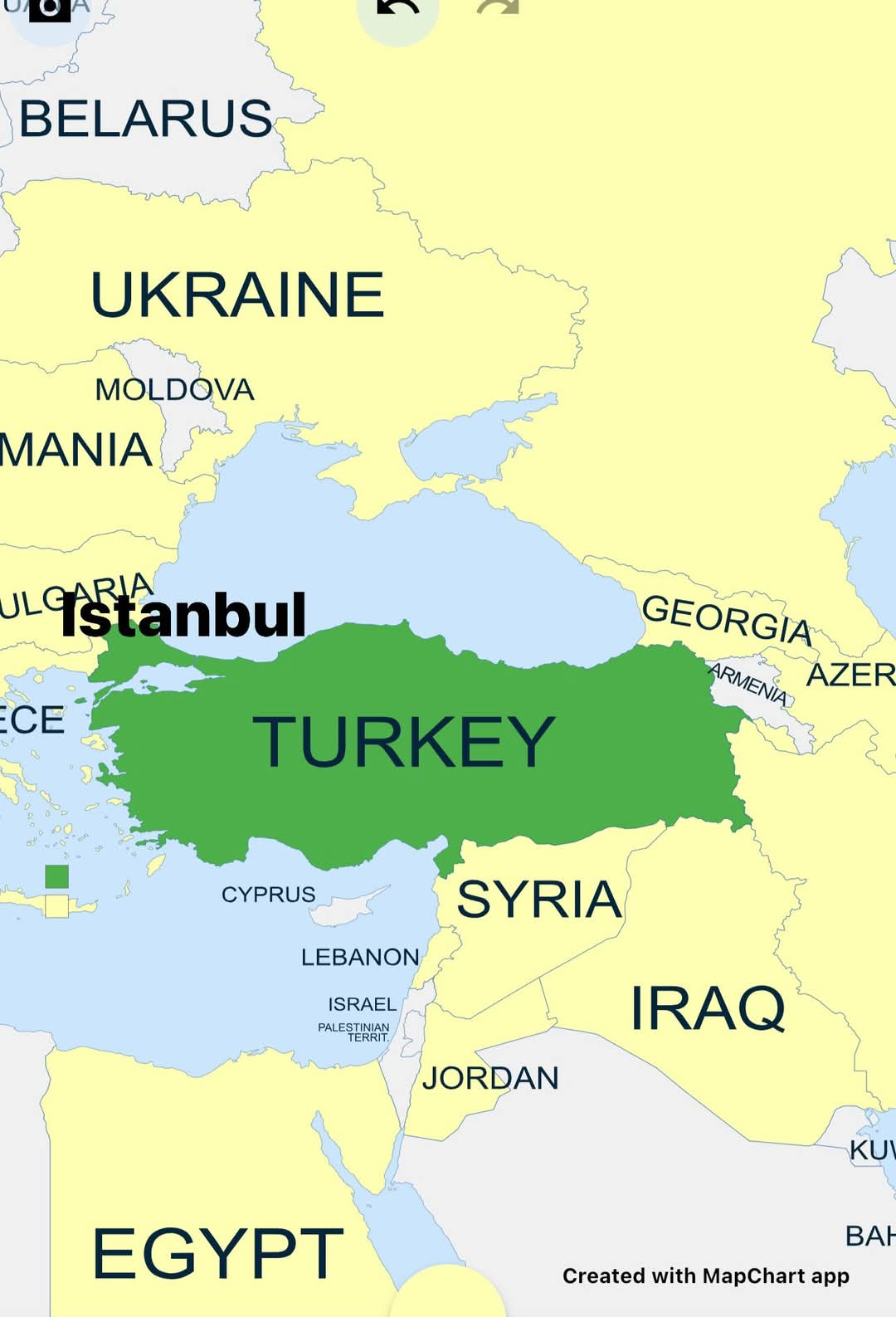
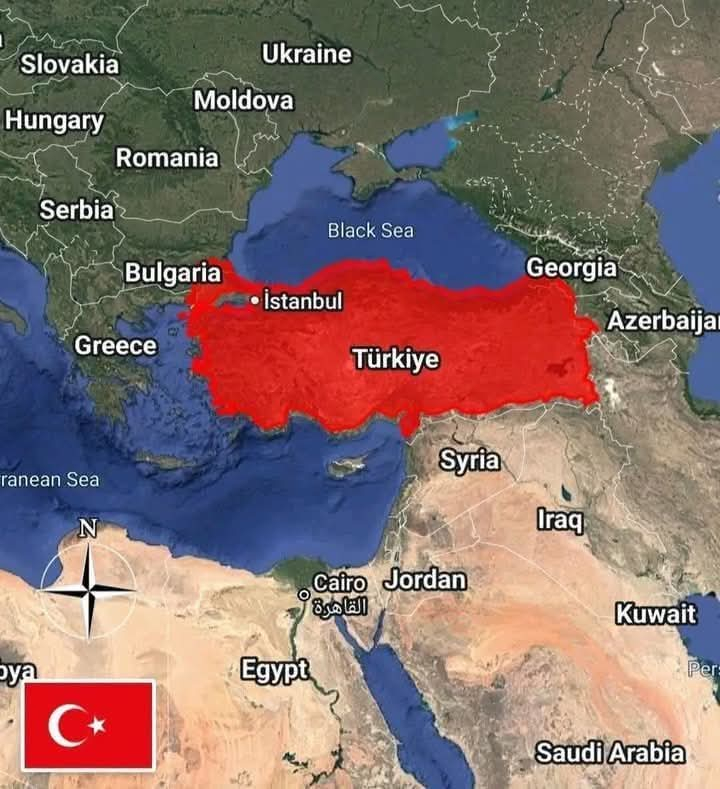
  • #Turkey is located at the crossroads of Asia and Europe. It is bordered by Greece and Bulgaria to the northwest, the Black Sea to the north, Georgia to the northeast, Armenia, the Azerbaijani exclave of Nakhchivan, and Iran to the east, Iraq to the southeast, Syria and the Mediterranean Sea to the south, and the Aegean Sea to the west.
    Area: 783,562 square kilometers.
    Topography: Includes the Taurus Mountains in the south, the Pontic Mountains in the north, fertile plains like the Anatolian Plain, and the Central Anatolian Plateau, along with lakes such as Lake Van.
    Water Bodies: Borders four major seas: the Black Sea, the Sea of Marmara, the Aegean Sea, and the Mediterranean Sea.
    2. Climate:
    Coastal Areas:
    Mediterranean and Aegean Coasts: Mediterranean climate with hot, dry summers and mild, wet winters.
    Black Sea Coast: Moderate and humid climate year-round.
    Inland Regions: Continental climate with hot, dry summers and very cold, snowy winters.
    Climate Change: Turkey faces challenges like drought and rising temperatures due to climate change.
    3. Population:
    Population Size: Approximately 84.5 million (2021).
    Population Distribution: Istanbul is the largest city with over 15.5 million residents. Ankara is the second largest, followed by Izmir, Bursa, and Antalya.
    Ethnic Diversity: Predominantly Turks, with a significant Kurdish minority, and smaller Armenian, Arab, and Greek communities.
    Population Growth: About 1.2% annually.
    4. Economy:
    GDP: Approximately $7.209 trillion in 2021.
    Exports: Includes agricultural products, automobiles, textiles, and electronics, valued at $225 billion.
    Imports: Mainly energy and raw materials, totaling $271 billion.
    Unemployment Rate: Around 10.3%.
    Agriculture and Industry: Notable for wheat, hazelnuts, and olives, as well as being a leading producer of automobiles and steel.
    5. Currency:
    The official currency is the Turkish Lira (TRY), which experiences fluctuations in value against foreign currencies.
    6. Tourism:
    Visitor Numbers: Turkey welcomed around 30 million tourists in 2021.
    Revenue: Approximately $24.5 billion.
    Top Destinations:
    Istanbul: Iconic landmarks like Hagia Sophia, the Blue Mosque, and Topkapi Palace.
    Antalya: A hub for coastal tourism.
    Cappadocia: Known for its unique landscapes and hot air balloons.
    Historical Sites: Ephesus and Troy.
    7. History:
    Civilizations: Turkey has been home to various civilizations, including the Hittites, Persians, Romans, and Byzantines.
    Ottoman Era: Spanned from the 14th century to the early 20th century.
    Modern Republic: Established in 1923 under Mustafa Kemal Atatürk, who moved the capital to Ankara and initiated widespread reforms.
    8. Education:
    Education System: Mandatory for 12 years (6 years primary, 3 years middle, 3 years secondary).
    Higher Education: Home to numerous universities, including Istanbul University and Middle East Technical University.
    Literacy Rate: Approximately 96%.
    9. Healthcare:
    Healthcare System: Turkey has a well-developed healthcare system encompassing public and private sectors.
    Medical Tourism: A popular destination for medical and cosmetic treatments, attracting thousands of patients annually.
    Hospitals: Equipped with state-of-the-art medical technology.
    10. Culture:
    Official Language: Turkish.
    Religion: Islam is the predominant religion, with Christian and Jewish minorities.
    Traditions: A blend of Eastern and Western cultural influences.
    Turkey serves as a bridge between East and West, with a rich history and modern development.
    #Turkey is located at the crossroads of Asia and Europe. It is bordered by Greece and Bulgaria to the northwest, the Black Sea to the north, Georgia to the northeast, Armenia, the Azerbaijani exclave of Nakhchivan, and Iran to the east, Iraq to the southeast, Syria and the Mediterranean Sea to the south, and the Aegean Sea to the west. Area: 783,562 square kilometers. Topography: Includes the Taurus Mountains in the south, the Pontic Mountains in the north, fertile plains like the Anatolian Plain, and the Central Anatolian Plateau, along with lakes such as Lake Van. Water Bodies: Borders four major seas: the Black Sea, the Sea of Marmara, the Aegean Sea, and the Mediterranean Sea. 🌐 2. Climate: Coastal Areas: Mediterranean and Aegean Coasts: Mediterranean climate with hot, dry summers and mild, wet winters. Black Sea Coast: Moderate and humid climate year-round. Inland Regions: Continental climate with hot, dry summers and very cold, snowy winters. Climate Change: Turkey faces challenges like drought and rising temperatures due to climate change. 🌐 3. Population: Population Size: Approximately 84.5 million (2021). Population Distribution: Istanbul is the largest city with over 15.5 million residents. Ankara is the second largest, followed by Izmir, Bursa, and Antalya. Ethnic Diversity: Predominantly Turks, with a significant Kurdish minority, and smaller Armenian, Arab, and Greek communities. Population Growth: About 1.2% annually. 🌐 4. Economy: GDP: Approximately $7.209 trillion in 2021. Exports: Includes agricultural products, automobiles, textiles, and electronics, valued at $225 billion. Imports: Mainly energy and raw materials, totaling $271 billion. Unemployment Rate: Around 10.3%. Agriculture and Industry: Notable for wheat, hazelnuts, and olives, as well as being a leading producer of automobiles and steel. 🌐 5. Currency: The official currency is the Turkish Lira (TRY), which experiences fluctuations in value against foreign currencies. 🌐 6. Tourism: Visitor Numbers: Turkey welcomed around 30 million tourists in 2021. Revenue: Approximately $24.5 billion. Top Destinations: Istanbul: Iconic landmarks like Hagia Sophia, the Blue Mosque, and Topkapi Palace. Antalya: A hub for coastal tourism. Cappadocia: Known for its unique landscapes and hot air balloons. Historical Sites: Ephesus and Troy. 🌐 7. History: Civilizations: Turkey has been home to various civilizations, including the Hittites, Persians, Romans, and Byzantines. Ottoman Era: Spanned from the 14th century to the early 20th century. Modern Republic: Established in 1923 under Mustafa Kemal Atatürk, who moved the capital to Ankara and initiated widespread reforms. 🌐 8. Education: Education System: Mandatory for 12 years (6 years primary, 3 years middle, 3 years secondary). Higher Education: Home to numerous universities, including Istanbul University and Middle East Technical University. Literacy Rate: Approximately 96%. 🌐 9. Healthcare: Healthcare System: Turkey has a well-developed healthcare system encompassing public and private sectors. Medical Tourism: A popular destination for medical and cosmetic treatments, attracting thousands of patients annually. Hospitals: Equipped with state-of-the-art medical technology. 🌐 10. Culture: Official Language: Turkish. Religion: Islam is the predominant religion, with Christian and Jewish minorities. Traditions: A blend of Eastern and Western cultural influences. Turkey serves as a bridge between East and West, with a rich history and modern development.
    0 Comments 0 Shares
More Results