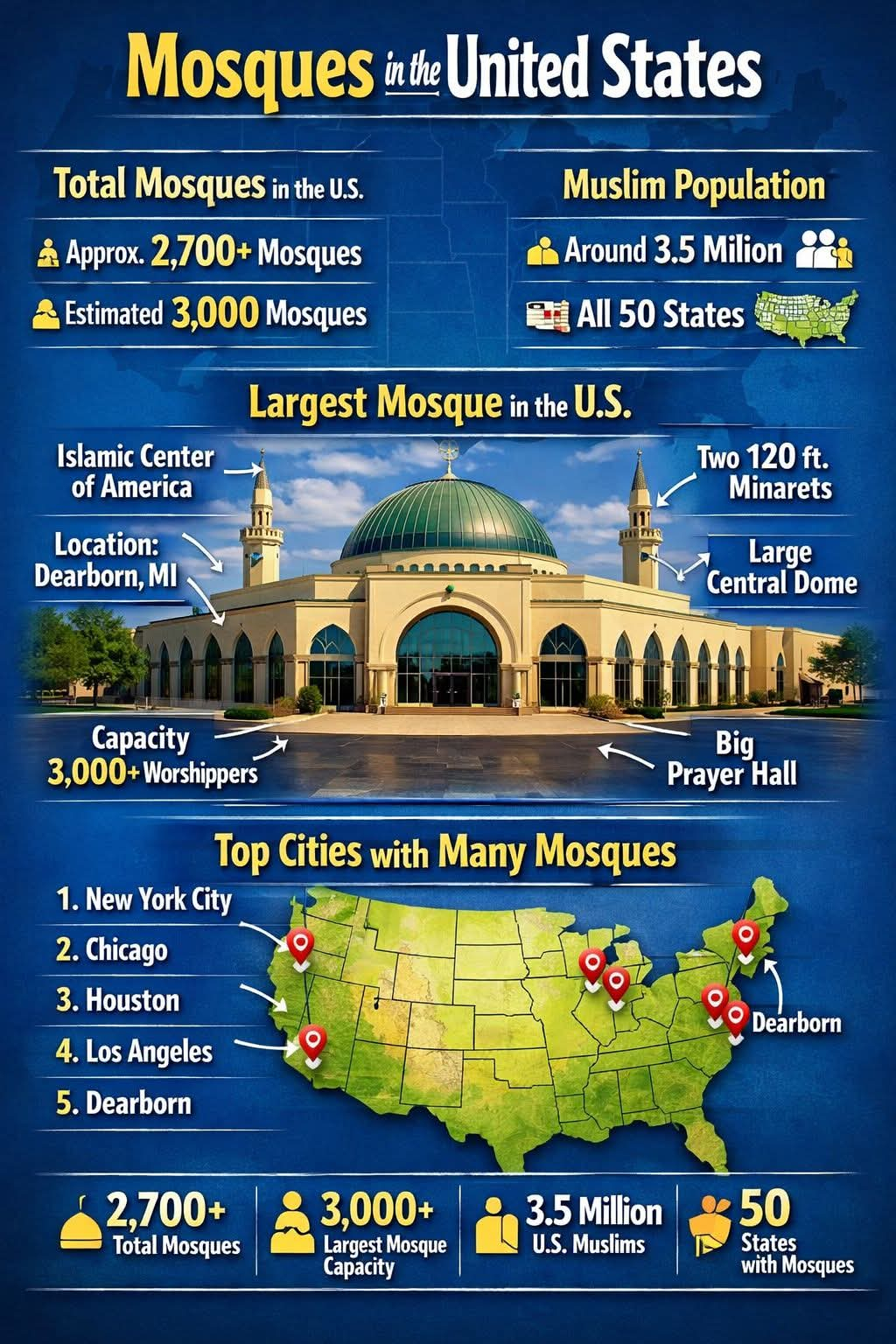
• The United States has a growing Muslim community and thousands of mosques spread across the country. According to research by the Institute for Social Policy and Understanding, there are approximately 2,700 to 3,000 mosques in America today. These mosques serve as places for daily prayers, Friday congregational prayers, Islamic education, and community activities. Over the past few decades, the number of mosques has increased significantly due to the rising Muslim population and immigration from different parts of the world.
    The Muslim population in the United States is estimated to be around 3.5 million people. Muslims in America come from diverse ethnic backgrounds including Arabs, South Asians, African Americans, Turks, and Africans. Because of this diversity, many mosques also function as cultural and community centers where people gather for religious learning, charity work, and social support.
    One of the largest and most well-known mosques in the country is the Islamic Center of America, located in Dearborn, Michigan. This mosque is famous for its beautiful architecture, large central dome, and tall minarets. It can accommodate more than 3,000 worshippers at a time and is considered one of the biggest Islamic centers in North America.
    Major cities such as New York City, Chicago, Houston, and Los Angeles have many mosques because they have large Muslim populations. These mosques play an important role in maintaining religious identity, promoting community unity, and supporting charitable and educational activities throughout the United States.
    The United States has a growing Muslim community and thousands of mosques spread across the country. According to research by the Institute for Social Policy and Understanding, there are approximately 2,700 to 3,000 mosques in America today. These mosques serve as places for daily prayers, Friday congregational prayers, Islamic education, and community activities. Over the past few decades, the number of mosques has increased significantly due to the rising Muslim population and immigration from different parts of the world. The Muslim population in the United States is estimated to be around 3.5 million people. Muslims in America come from diverse ethnic backgrounds including Arabs, South Asians, African Americans, Turks, and Africans. Because of this diversity, many mosques also function as cultural and community centers where people gather for religious learning, charity work, and social support. One of the largest and most well-known mosques in the country is the Islamic Center of America, located in Dearborn, Michigan. This mosque is famous for its beautiful architecture, large central dome, and tall minarets. It can accommodate more than 3,000 worshippers at a time and is considered one of the biggest Islamic centers in North America. Major cities such as New York City, Chicago, Houston, and Los Angeles have many mosques because they have large Muslim populations. These mosques play an important role in maintaining religious identity, promoting community unity, and supporting charitable and educational activities throughout the United States.
    0 Comments 0 Shares
  • Istanbul 2025: A Tourist Wonderland
    In the first nine months of 2025, Istanbul welcomed over 13.5 million travelers .
    By November, the number of foreign visitors had already surpassed 17.5 million .
    By the end of the year, the total is expected to reach 18–20 million tourists .
    #fblifestyle
    #Istanbul #Travel2025 #Tourism #Wanderlust #CityOfDreams #ExploreTurkey #GlobalTravel
    Istanbul 🇹🇷2025: A Tourist Wonderland 🌟 In the first nine months of 2025, Istanbul welcomed over 13.5 million travelers 🕌✈️. By November, the number of foreign visitors had already surpassed 17.5 million 🌍💫. By the end of the year, the total is expected to reach 18–20 million tourists 🎉🏖️. #fblifestyle #Istanbul #Travel2025 #Tourism #Wanderlust #CityOfDreams #ExploreTurkey #GlobalTravel
    0 Comments 0 Shares
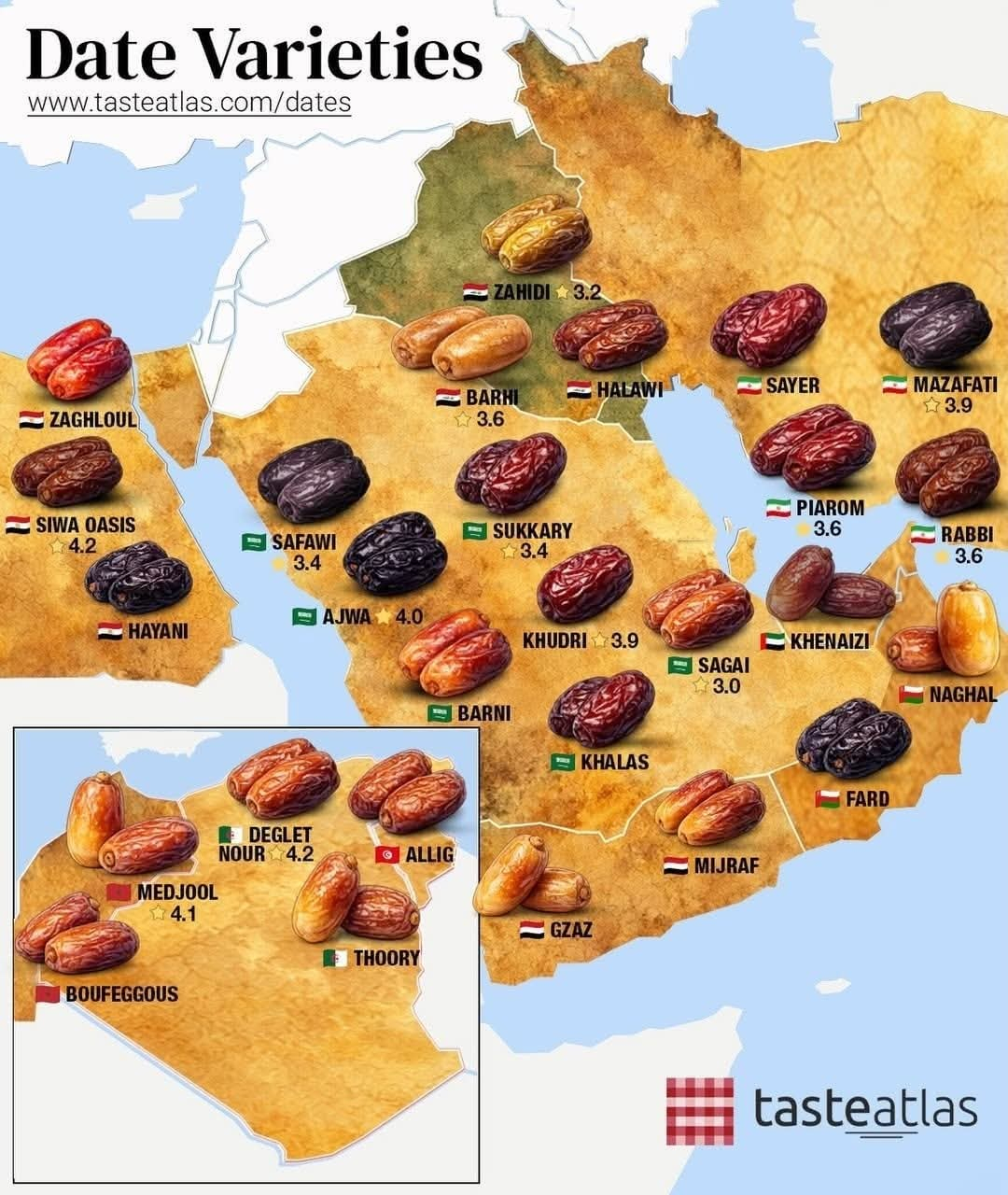
  • From the plush, caramel-rich Medjool of Morocco to the firm, nutty Deglet Noor of Algeria and the dark, “holy” Ajwa of Medina, the Middle East and North Africa offer hundreds of distinct date types that vary wildly in taste and texture. From syrupy and soft to dry and bread-like, each serving a specific purpose whether enjoyed as a fresh snack, a natural sweetener in baking, or a traditional gift. More than just a superfruit, dates are a vital cultural cornerstone and a “desert staple” that have provided essential nutrition, hospitality, and spiritual significance to the region for millennia.

    Ramadan is so close. May Allah allow Us to reach it in good health
    From the plush, caramel-rich Medjool of Morocco to the firm, nutty Deglet Noor of Algeria and the dark, “holy” Ajwa of Medina, the Middle East and North Africa offer hundreds of distinct date types that vary wildly in taste and texture. From syrupy and soft to dry and bread-like, each serving a specific purpose whether enjoyed as a fresh snack, a natural sweetener in baking, or a traditional gift. More than just a superfruit, dates are a vital cultural cornerstone and a “desert staple” that have provided essential nutrition, hospitality, and spiritual significance to the region for millennia. Ramadan is so close. May Allah allow Us to reach it in good health
    0 Comments 0 Shares
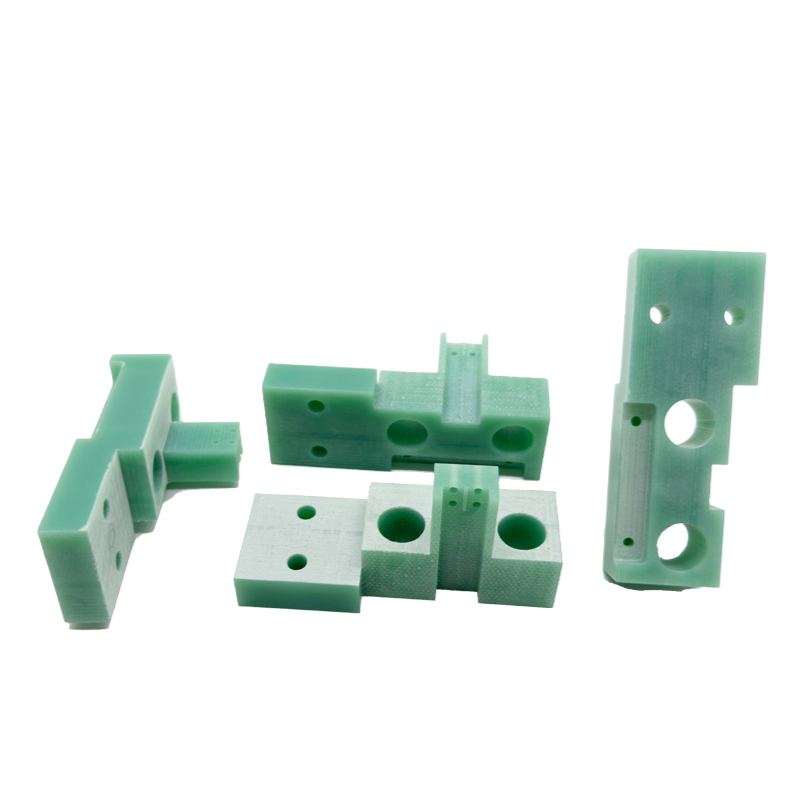
  • Reliable, resilient, and ready for any challenge — Fenhar Epoxy and Fiberglass Laminated materials set the standard in insulation #EpoxyLaminated #FiberglassLaminated #InsulationMaterials #EngineeringQuality #Fenhar https://www.fenharxz.com
    Reliable, resilient, and ready for any challenge — Fenhar Epoxy and Fiberglass Laminated materials set the standard in insulation ⚡🧱 #EpoxyLaminated #FiberglassLaminated #InsulationMaterials #EngineeringQuality #Fenhar https://www.fenharxz.com
    0 Comments 0 Shares
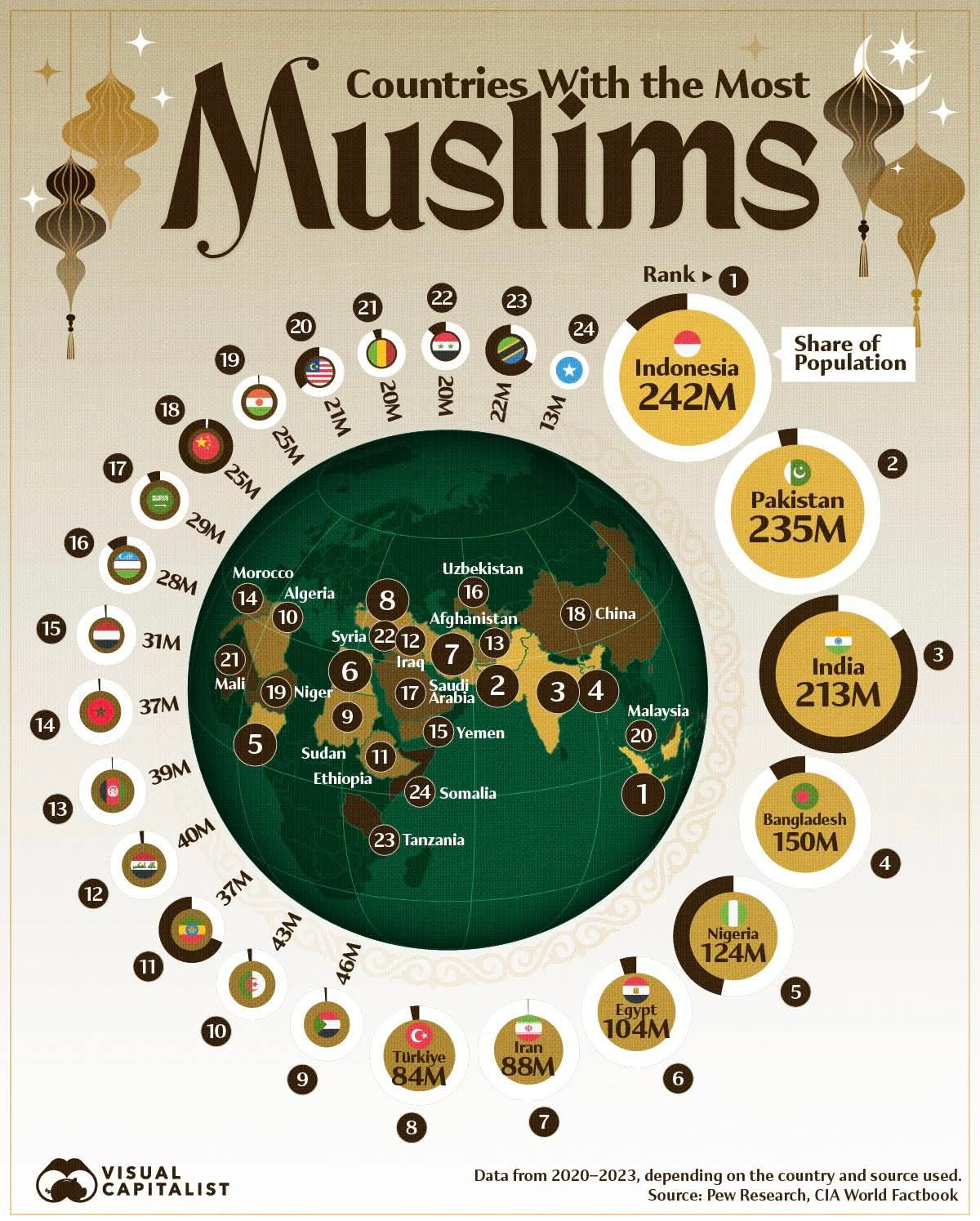
  • Countries With the Most Muslims (% Population)

    1. Indonesia - 242M (87.0%)
    2. Pakistan - 235M (96.3%)
    3. India - 213M (15.3%)
    4. Bangladesh - 150M (91.0%)
    5. Nigeria - 124M (53.5%)
    6. Egypt - 104M (95%)
    7. Iran - 88M (99.8%)
    8. Turkey - 84M (97%)
    9. Sudan - 46M (99%)
    10. Algeria - 43M (98.0%)
    11. Iraq - 40M (98%)
    12. Afghanistan - 39M (99.7%)
    13. Ethiopia - 37M (31.3%)
    14. Morocco - 37M (99.0%)
    15. Yemen - 31M (99.1%)
    16. Saudi Arabia - 29M (92.7%)
    17. Uzbekistan - 28M (88.0%)
    18. China - 25M (1.4%)
    19. Nigér - 25M (99.3%)
    20. Tanzania - 22M (34.1%)
    21. Malaysia - 21M (63.5%)
    22. Mali - 20M (93.9%)
    23. Syria - 20M (87.0%)
    24. Somalia - 13M (99.8%)

    The data comes from two complementary sources: Pew Research, which tracks global religious affiliation, and the CIA World Factbook, which publishes national demographic splits.

    Countries With the Largest Muslim Populations: Islam is the world’s second-largest religion, with 1.8 billion Muslims dispersed across every continent. Due to data constraints, the most recent figures between 2020–2023 have been utilized, depending on availability per country. Africa is home to some of the fastest-growing Muslim populations. Nigeria, already the continent’s most populous country, now counts over 124 million Muslims, comprising more than half its citizens. In North Africa, Egypt and Algeria each report that roughly 95-98% of their inhabitants identify as Muslim, reflecting centuries-old cultural and religious continuity.
    🕌 Countries With the Most Muslims (% Population) 1. 🇮🇩 Indonesia - 242M (87.0%) 2. 🇵🇰 Pakistan - 235M (96.3%) 3. 🇮🇳 India - 213M (15.3%) 4. 🇧🇩 Bangladesh - 150M (91.0%) 5. 🇳🇬 Nigeria - 124M (53.5%) 6. 🇪🇬 Egypt - 104M (95%) 7. 🇮🇷 Iran - 88M (99.8%) 8. 🇹🇷 Turkey - 84M (97%) 9. 🇸🇩 Sudan - 46M (99%) 10. 🇩🇿 Algeria - 43M (98.0%) 11. 🇮🇶 Iraq - 40M (98%) 12. 🇦🇫 Afghanistan - 39M (99.7%) 13. 🇪🇹 Ethiopia - 37M (31.3%) 14. 🇲🇦 Morocco - 37M (99.0%) 15. 🇾🇪 Yemen - 31M (99.1%) 16. 🇸🇦 Saudi Arabia - 29M (92.7%) 17. 🇺🇿 Uzbekistan - 28M (88.0%) 18. 🇨🇳 China - 25M (1.4%) 19. 🇳🇪 Nigér - 25M (99.3%) 20. 🇹🇿 Tanzania - 22M (34.1%) 21. 🇲🇾 Malaysia - 21M (63.5%) 22. 🇲🇱 Mali - 20M (93.9%) 23. 🇸🇾 Syria - 20M (87.0%) 24. 🇸🇴 Somalia - 13M (99.8%) 📌 The data comes from two complementary sources: Pew Research, which tracks global religious affiliation, and the CIA World Factbook, which publishes national demographic splits. Countries With the Largest Muslim Populations: Islam is the world’s second-largest religion, with 1.8 billion Muslims dispersed across every continent. Due to data constraints, the most recent figures between 2020–2023 have been utilized, depending on availability per country. Africa is home to some of the fastest-growing Muslim populations. Nigeria, already the continent’s most populous country, now counts over 124 million Muslims, comprising more than half its citizens. In North Africa, Egypt and Algeria each report that roughly 95-98% of their inhabitants identify as Muslim, reflecting centuries-old cultural and religious continuity.
    0 Comments 0 Shares
  • Alhamdulillah?
    Yes… but with a heavy heart.
    These are not just pictures,these are stories of pain,survival,and resilience.

    People of Gaza carrying their lives on their shoulders,leaving behind the rubble of their homes,the graves of their loved ones,and dreams shattered by war.

    They’ve lost everything yet still say Alhamdulillah with faith that moves mountains.

    May Allah give them strength,patience,and freedom from oppression.

    We may sleep peacefully, but they walk miles for water,bread,and safety.

    Ya Allah,ease their suffering.Protect Gaza. Heal their wounds.Ameen.
    Alhamdulillah? Yes… but with a heavy heart. These are not just pictures,these are stories of pain,survival,and resilience. People of Gaza carrying their lives on their shoulders,leaving behind the rubble of their homes,the graves of their loved ones,and dreams shattered by war. 💔 They’ve lost everything yet still say Alhamdulillah with faith that moves mountains. May Allah give them strength,patience,and freedom from oppression. We may sleep peacefully, but they walk miles for water,bread,and safety. Ya Allah,ease their suffering.Protect Gaza. Heal their wounds.Ameen. 🤲
    0 Comments 0 Shares
  • Are you ready to meet the colorful spectacle of Şanlıurfa?

    A variety of soft, flowy fabrics are waiting for you to choose from!

    Don’t forget to bring back some fabric gifts for your loved ones!

    #GoŞanlıurfa #Şanlıurfa #Türkiye #Culture #balıklıgöl
    Are you ready to meet the colorful spectacle of Şanlıurfa? 🎨 A variety of soft, flowy fabrics are waiting for you to choose from! 💖🧵 Don’t forget to bring back some fabric gifts for your loved ones! 👀 #GoŞanlıurfa #Şanlıurfa #Türkiye #Culture #balıklıgöl
    0 Comments 0 Shares
  • Welcome to Istanbul: The City Between Two Continents!
    Did you know Istanbul is the only city in the world that spans both Europe and Asia? This magical Turkish metropolis is a living museum of history, culture, and modern life—all in one breathtaking place!

    Quick Facts:

    • Location: Northwest Turkey, along the Bosphorus Strait
    • Area: ~5,343 km²
    • Population: 15+ million (Turkey’s largest city!)
    • Language: Turkish
    • Currency: Turkish Lira (TRY)


    Must-See Highlights:

    • Historic Icons: Hagia Sophia, Blue Mosque, Topkapi Palace, Galata Tower, Roman Hippodrome
    • UNESCO Site: The Historic Areas of Istanbul (Byzantine + Ottoman treasures)
    • Bridges That Connect Continents: Bosphorus Bridge & Fatih Sultan Mehmet Bridge
    • Famous Bazaars: Grand Bazaar & Spice Bazaar – centuries of shopping history!
    • Unique Transport: Ferry rides between continents, nostalgic trams, funiculars


    Tastes of Istanbul:

    Kebab, köfte, simit (sesame bread ring), meze plates, sweet baklava, and of course—Turkish tea in tulip-shaped glasses!


    Fun Fact:

    Istanbul was once known as Byzantium and Constantinople, serving as capital of 3 great empires: Roman, Byzantine, and Ottoman!


    Istanbul isn’t just a city—it’s an experience that connects history and the future!

    #Istanbul #VisitTurkey #CityOfTwoContinents #Bosphorus #TurkishCulture #TravelGoals #AmazingWorldGeography
    🇹🇷✨ Welcome to Istanbul: The City Between Two Continents! Did you know Istanbul is the only city in the world that spans both Europe and Asia? This magical Turkish metropolis is a living museum of history, culture, and modern life—all in one breathtaking place! 🌍 Quick Facts: • Location: Northwest Turkey, along the Bosphorus Strait • Area: ~5,343 km² • Population: 15+ million (Turkey’s largest city!) • Language: Turkish • Currency: Turkish Lira (TRY) ⸻ 🕌 Must-See Highlights: • Historic Icons: Hagia Sophia, Blue Mosque, Topkapi Palace, Galata Tower, Roman Hippodrome • UNESCO Site: The Historic Areas of Istanbul (Byzantine + Ottoman treasures) • Bridges That Connect Continents: Bosphorus Bridge & Fatih Sultan Mehmet Bridge • Famous Bazaars: Grand Bazaar & Spice Bazaar – centuries of shopping history! • Unique Transport: Ferry rides between continents, nostalgic trams, funiculars ⸻ 🍽️ Tastes of Istanbul: Kebab, köfte, simit (sesame bread ring), meze plates, sweet baklava, and of course—Turkish tea in tulip-shaped glasses! ⸻ 🔍 Fun Fact: Istanbul was once known as Byzantium and Constantinople, serving as capital of 3 great empires: Roman, Byzantine, and Ottoman! ⸻ Istanbul isn’t just a city—it’s an experience that connects history and the future! #Istanbul #VisitTurkey #CityOfTwoContinents #Bosphorus #TurkishCulture #TravelGoals #AmazingWorldGeography
    0 Comments 0 Shares
  • #Turkey is located at the crossroads of Asia and Europe. It is bordered by Greece and Bulgaria to the northwest, the Black Sea to the north, Georgia to the northeast, Armenia, the Azerbaijani exclave of Nakhchivan, and Iran to the east, Iraq to the southeast, Syria and the Mediterranean Sea to the south, and the Aegean Sea to the west.
    Area: 783,562 square kilometers.
    Topography: Includes the Taurus Mountains in the south, the Pontic Mountains in the north, fertile plains like the Anatolian Plain, and the Central Anatolian Plateau, along with lakes such as Lake Van.
    Water Bodies: Borders four major seas: the Black Sea, the Sea of Marmara, the Aegean Sea, and the Mediterranean Sea.
    2. Climate:
    Coastal Areas:
    Mediterranean and Aegean Coasts: Mediterranean climate with hot, dry summers and mild, wet winters.
    Black Sea Coast: Moderate and humid climate year-round.
    Inland Regions: Continental climate with hot, dry summers and very cold, snowy winters.
    Climate Change: Turkey faces challenges like drought and rising temperatures due to climate change.
    3. Population:
    Population Size: Approximately 84.5 million (2021).
    Population Distribution: Istanbul is the largest city with over 15.5 million residents. Ankara is the second largest, followed by Izmir, Bursa, and Antalya.
    Ethnic Diversity: Predominantly Turks, with a significant Kurdish minority, and smaller Armenian, Arab, and Greek communities.
    Population Growth: About 1.2% annually.
    4. Economy:
    GDP: Approximately $7.209 trillion in 2021.
    Exports: Includes agricultural products, automobiles, textiles, and electronics, valued at $225 billion.
    Imports: Mainly energy and raw materials, totaling $271 billion.
    Unemployment Rate: Around 10.3%.
    Agriculture and Industry: Notable for wheat, hazelnuts, and olives, as well as being a leading producer of automobiles and steel.
    5. Currency:
    The official currency is the Turkish Lira (TRY), which experiences fluctuations in value against foreign currencies.
    6. Tourism:
    Visitor Numbers: Turkey welcomed around 30 million tourists in 2021.
    Revenue: Approximately $24.5 billion.
    Top Destinations:
    Istanbul: Iconic landmarks like Hagia Sophia, the Blue Mosque, and Topkapi Palace.
    Antalya: A hub for coastal tourism.
    Cappadocia: Known for its unique landscapes and hot air balloons.
    Historical Sites: Ephesus and Troy.
    7. History:
    Civilizations: Turkey has been home to various civilizations, including the Hittites, Persians, Romans, and Byzantines.
    Ottoman Era: Spanned from the 14th century to the early 20th century.
    Modern Republic: Established in 1923 under Mustafa Kemal Atatürk, who moved the capital to Ankara and initiated widespread reforms.
    8. Education:
    Education System: Mandatory for 12 years (6 years primary, 3 years middle, 3 years secondary).
    Higher Education: Home to numerous universities, including Istanbul University and Middle East Technical University.
    Literacy Rate: Approximately 96%.
    9. Healthcare:
    Healthcare System: Turkey has a well-developed healthcare system encompassing public and private sectors.
    Medical Tourism: A popular destination for medical and cosmetic treatments, attracting thousands of patients annually.
    Hospitals: Equipped with state-of-the-art medical technology.
    10. Culture:
    Official Language: Turkish.
    Religion: Islam is the predominant religion, with Christian and Jewish minorities.
    Traditions: A blend of Eastern and Western cultural influences.
    Turkey serves as a bridge between East and West, with a rich history and modern development.
    #Turkey is located at the crossroads of Asia and Europe. It is bordered by Greece and Bulgaria to the northwest, the Black Sea to the north, Georgia to the northeast, Armenia, the Azerbaijani exclave of Nakhchivan, and Iran to the east, Iraq to the southeast, Syria and the Mediterranean Sea to the south, and the Aegean Sea to the west. Area: 783,562 square kilometers. Topography: Includes the Taurus Mountains in the south, the Pontic Mountains in the north, fertile plains like the Anatolian Plain, and the Central Anatolian Plateau, along with lakes such as Lake Van. Water Bodies: Borders four major seas: the Black Sea, the Sea of Marmara, the Aegean Sea, and the Mediterranean Sea. 🌐 2. Climate: Coastal Areas: Mediterranean and Aegean Coasts: Mediterranean climate with hot, dry summers and mild, wet winters. Black Sea Coast: Moderate and humid climate year-round. Inland Regions: Continental climate with hot, dry summers and very cold, snowy winters. Climate Change: Turkey faces challenges like drought and rising temperatures due to climate change. 🌐 3. Population: Population Size: Approximately 84.5 million (2021). Population Distribution: Istanbul is the largest city with over 15.5 million residents. Ankara is the second largest, followed by Izmir, Bursa, and Antalya. Ethnic Diversity: Predominantly Turks, with a significant Kurdish minority, and smaller Armenian, Arab, and Greek communities. Population Growth: About 1.2% annually. 🌐 4. Economy: GDP: Approximately $7.209 trillion in 2021. Exports: Includes agricultural products, automobiles, textiles, and electronics, valued at $225 billion. Imports: Mainly energy and raw materials, totaling $271 billion. Unemployment Rate: Around 10.3%. Agriculture and Industry: Notable for wheat, hazelnuts, and olives, as well as being a leading producer of automobiles and steel. 🌐 5. Currency: The official currency is the Turkish Lira (TRY), which experiences fluctuations in value against foreign currencies. 🌐 6. Tourism: Visitor Numbers: Turkey welcomed around 30 million tourists in 2021. Revenue: Approximately $24.5 billion. Top Destinations: Istanbul: Iconic landmarks like Hagia Sophia, the Blue Mosque, and Topkapi Palace. Antalya: A hub for coastal tourism. Cappadocia: Known for its unique landscapes and hot air balloons. Historical Sites: Ephesus and Troy. 🌐 7. History: Civilizations: Turkey has been home to various civilizations, including the Hittites, Persians, Romans, and Byzantines. Ottoman Era: Spanned from the 14th century to the early 20th century. Modern Republic: Established in 1923 under Mustafa Kemal Atatürk, who moved the capital to Ankara and initiated widespread reforms. 🌐 8. Education: Education System: Mandatory for 12 years (6 years primary, 3 years middle, 3 years secondary). Higher Education: Home to numerous universities, including Istanbul University and Middle East Technical University. Literacy Rate: Approximately 96%. 🌐 9. Healthcare: Healthcare System: Turkey has a well-developed healthcare system encompassing public and private sectors. Medical Tourism: A popular destination for medical and cosmetic treatments, attracting thousands of patients annually. Hospitals: Equipped with state-of-the-art medical technology. 🌐 10. Culture: Official Language: Turkish. Religion: Islam is the predominant religion, with Christian and Jewish minorities. Traditions: A blend of Eastern and Western cultural influences. Turkey serves as a bridge between East and West, with a rich history and modern development.
    0 Comments 0 Shares
  • Eid ul-Fitr Mubarak!

    The Mughals celebrated Eid with generosity, love, and grand festivities—from royal feasts to poetry and music. Let’s revive that spirit by spreading joy, kindness, and unity!

    Mughal Unity wishes you a blessed and joyful Eid!

    #EidMubarak #MughalUnity #RoyalEid #FestiveVibes
    ✨ Eid ul-Fitr Mubarak! 🌙🎊 The Mughals celebrated Eid with generosity, love, and grand festivities—from royal feasts to poetry and music. Let’s revive that spirit by spreading joy, kindness, and unity! 💛 🌟 Mughal Unity wishes you a blessed and joyful Eid! #EidMubarak #MughalUnity #RoyalEid #FestiveVibes
    0 Comments 0 Shares
More Results