• Urfa Türkiye
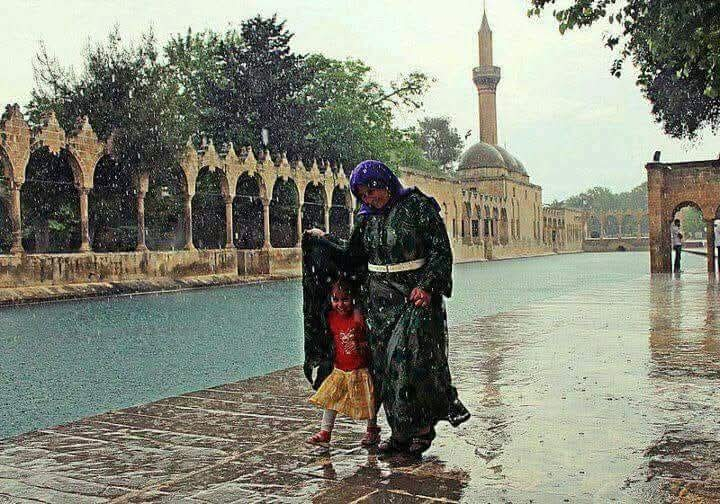
    Step back in time in Şanlıurfa, the "City of Prophets," home to Göbeklitepe, the world's oldest known temple, and the sacred pool of Balıklıgöl; while you're here, be sure to experience the rich, authentic culture and incredible flavors, especially the spicy Urfa kebab, making this southeastern Turkish gem a truly mesmerizing and delicious journey through history and mythology that must be seen to be believed! #Sanliurfa #Gobeklitepe #CityofProphets #Balikligol #UrfaCuisine #AncientHistory #Mesopotamia #TravelTurkey
    Urfa Türkiye Step back in time in Şanlıurfa, the "City of Prophets," home to Göbeklitepe, the world's oldest known temple, and the sacred pool of Balıklıgöl; while you're here, be sure to experience the rich, authentic culture and incredible flavors, especially the spicy Urfa kebab, making this southeastern Turkish gem a truly mesmerizing and delicious journey through history and mythology that must be seen to be believed! ✨ #Sanliurfa #Gobeklitepe #CityofProphets #Balikligol #UrfaCuisine #AncientHistory #Mesopotamia #TravelTurkey
    0 Comments 0 Shares
  • Baitul Khairaat Grand Mosque is an architectural landmark of Palu City, Central Sulawesi, Indonesia . A beautiful mosque with a majestic dome and elegant design, standing as a cultural icon of the area and featuring Indonesia's largest mosque dome and tallest mosque clock tower.
    Baitul Khairaat Grand Mosque is an architectural landmark of Palu City, Central Sulawesi, Indonesia 🇮🇩. A beautiful mosque with a majestic dome and elegant design, standing as a cultural icon of the area and featuring Indonesia's largest mosque dome and tallest mosque clock tower.
    0 Comments 0 Shares
  • Osmanlı, Safevi ve Babür İmparatorlukları:
    1600’lerin Ekonomik Devleri

    17. yüzyılda, üç büyük Türkî imparatorluk — Osmanlı Halifeliği, Safevi İmparatorluğu ve Babür Sultanlığı — Orta Doğu ve Güney Asya’nın geniş bölgelerine hükmediyordu. Her biri kültür, siyaset ve ticaretin birer gücüydü. Ancak saf ekonomik güç bakımından Babür İmparatorluğu diğerlerinin üzerinde yer alıyordu; 1990 uluslararası dolar cinsinden tahmini 74,3 milyar dolarlık bir GSYİH’ya sahipti.

    Bu karşılaştırma, bu imparatorlukların yalnızca kendi bölgelerini değil, aynı zamanda erken modern dünyadaki küresel ticareti, güç dengelerini ve servet akışını nasıl şekillendirdiklerine de ışık tutmaktadır.

    Kaynak: @creative.wam

    Ottoman & Safavid & Mughal Empires :
    The Economic Titans of the 1600s

    In the 17th century, three great Turkic empires ruled vast regions across the Middle East and South Asia - the Ottoman Caliphate, the Safavid Empire, and the Mughal (Babur) Sultanate. Each was a powerhouse of culture, politics, and commerce. But when it came to sheer economic strength, the Mughal (Babur) Empire stood above the rest, boasting an estimated GDP of $74.3 billion (in 1990 international dollars).

    This comparison sheds light on how these empires not only defined their regions but also shaped global trade, power dynamics, and the flow of wealth in the early modern world.

    Credit: @creative.wam
    Osmanlı, Safevi ve Babür İmparatorlukları: 1600’lerin Ekonomik Devleri 17. yüzyılda, üç büyük Türkî imparatorluk — Osmanlı Halifeliği, Safevi İmparatorluğu ve Babür Sultanlığı — Orta Doğu ve Güney Asya’nın geniş bölgelerine hükmediyordu. Her biri kültür, siyaset ve ticaretin birer gücüydü. Ancak saf ekonomik güç bakımından Babür İmparatorluğu diğerlerinin üzerinde yer alıyordu; 1990 uluslararası dolar cinsinden tahmini 74,3 milyar dolarlık bir GSYİH’ya sahipti. Bu karşılaştırma, bu imparatorlukların yalnızca kendi bölgelerini değil, aynı zamanda erken modern dünyadaki küresel ticareti, güç dengelerini ve servet akışını nasıl şekillendirdiklerine de ışık tutmaktadır. Kaynak: @creative.wam Ottoman & Safavid & Mughal Empires : The Economic Titans of the 1600s In the 17th century, three great Turkic empires ruled vast regions across the Middle East and South Asia - the Ottoman Caliphate, the Safavid Empire, and the Mughal (Babur) Sultanate. Each was a powerhouse of culture, politics, and commerce. But when it came to sheer economic strength, the Mughal (Babur) Empire stood above the rest, boasting an estimated GDP of $74.3 billion (in 1990 international dollars). This comparison sheds light on how these empires not only defined their regions but also shaped global trade, power dynamics, and the flow of wealth in the early modern world. Credit: @creative.wam
    0 Comments 0 Shares
  • The Ottoman Empire at Its Peak – 1683

    In 1683, the Ottoman Empire stood as one of the world’s most powerful states, stretching across three continents.

    Territory – From Hungary in the heart of Europe to the Arabian deserts, from North Africa to the Caucasus, the empire spanned 6-7 million square kilometers.

    Capital – Istanbul, once Constantinople, was a global hub of trade, culture, and politics.

    Diversity – The empire united Turks, Arabs, Kurds, Greeks, Armenians, Slavs, Jews, and many more under a vast administrative system.

    Military Power – The Janissaries and navy projected influence across the Mediterranean, Red Sea, and beyond.

    1683 Vienna Campaign – Marked the high tide of Ottoman expansion into Europe, though the failed siege of Vienna also signaled the turning point of imperial fortunes.

    The Ottoman Empire in 1683 was not just a political force — it was a cultural mosaic and a major player in global history.

    A true ISLAMIC UNITY is not only the only solution to provide Peace, Tranquility, and Security today — just as the Ottoman State ensured for 600 years — but also the only path for the economic development of poor Islamic countries.
    The Ottoman Empire at Its Peak – 1683 In 1683, the Ottoman Empire stood as one of the world’s most powerful states, stretching across three continents. 🔹 Territory – From Hungary in the heart of Europe to the Arabian deserts, from North Africa to the Caucasus, the empire spanned 6-7 million square kilometers. 🔹 Capital – Istanbul, once Constantinople, was a global hub of trade, culture, and politics. 🔹 Diversity – The empire united Turks, Arabs, Kurds, Greeks, Armenians, Slavs, Jews, and many more under a vast administrative system. 🔹 Military Power – The Janissaries and navy projected influence across the Mediterranean, Red Sea, and beyond. 🔹 1683 Vienna Campaign – Marked the high tide of Ottoman expansion into Europe, though the failed siege of Vienna also signaled the turning point of imperial fortunes. The Ottoman Empire in 1683 was not just a political force — it was a cultural mosaic and a major player in global history. A true ISLAMIC UNITY is not only the only solution to provide Peace, Tranquility, and Security today — just as the Ottoman State ensured for 600 years — but also the only path for the economic development of poor Islamic countries.
    0 Comments 0 Shares
  • Countries With the Most Muslims (% Population)

    1. Indonesia - 242M (87.0%)
    2. Pakistan - 235M (96.3%)
    3. India - 213M (15.3%)
    4. Bangladesh - 150M (91.0%)
    5. Nigeria - 124M (53.5%)
    6. Egypt - 104M (95%)
    7. Iran - 88M (99.8%)
    8. Turkey - 84M (97%)
    9. Sudan - 46M (99%)
    10. Algeria - 43M (98.0%)
    11. Iraq - 40M (98%)
    12. Afghanistan - 39M (99.7%)
    13. Ethiopia - 37M (31.3%)
    14. Morocco - 37M (99.0%)
    15. Yemen - 31M (99.1%)
    16. Saudi Arabia - 29M (92.7%)
    17. Uzbekistan - 28M (88.0%)
    18. China - 25M (1.4%)
    19. Nigér - 25M (99.3%)
    20. Tanzania - 22M (34.1%)
    21. Malaysia - 21M (63.5%)
    22. Mali - 20M (93.9%)
    23. Syria - 20M (87.0%)
    24. Somalia - 13M (99.8%)

    The data comes from two complementary sources: Pew Research, which tracks global religious affiliation, and the CIA World Factbook, which publishes national demographic splits.

    Countries With the Largest Muslim Populations: Islam is the world’s second-largest religion, with 1.8 billion Muslims dispersed across every continent. Due to data constraints, the most recent figures between 2020–2023 have been utilized, depending on availability per country. Africa is home to some of the fastest-growing Muslim populations. Nigeria, already the continent’s most populous country, now counts over 124 million Muslims, comprising more than half its citizens. In North Africa, Egypt and Algeria each report that roughly 95-98% of their inhabitants identify as Muslim, reflecting centuries-old cultural and religious continuity.
    🕌 Countries With the Most Muslims (% Population) 1. 🇮🇩 Indonesia - 242M (87.0%) 2. 🇵🇰 Pakistan - 235M (96.3%) 3. 🇮🇳 India - 213M (15.3%) 4. 🇧🇩 Bangladesh - 150M (91.0%) 5. 🇳🇬 Nigeria - 124M (53.5%) 6. 🇪🇬 Egypt - 104M (95%) 7. 🇮🇷 Iran - 88M (99.8%) 8. 🇹🇷 Turkey - 84M (97%) 9. 🇸🇩 Sudan - 46M (99%) 10. 🇩🇿 Algeria - 43M (98.0%) 11. 🇮🇶 Iraq - 40M (98%) 12. 🇦🇫 Afghanistan - 39M (99.7%) 13. 🇪🇹 Ethiopia - 37M (31.3%) 14. 🇲🇦 Morocco - 37M (99.0%) 15. 🇾🇪 Yemen - 31M (99.1%) 16. 🇸🇦 Saudi Arabia - 29M (92.7%) 17. 🇺🇿 Uzbekistan - 28M (88.0%) 18. 🇨🇳 China - 25M (1.4%) 19. 🇳🇪 Nigér - 25M (99.3%) 20. 🇹🇿 Tanzania - 22M (34.1%) 21. 🇲🇾 Malaysia - 21M (63.5%) 22. 🇲🇱 Mali - 20M (93.9%) 23. 🇸🇾 Syria - 20M (87.0%) 24. 🇸🇴 Somalia - 13M (99.8%) 📌 The data comes from two complementary sources: Pew Research, which tracks global religious affiliation, and the CIA World Factbook, which publishes national demographic splits. Countries With the Largest Muslim Populations: Islam is the world’s second-largest religion, with 1.8 billion Muslims dispersed across every continent. Due to data constraints, the most recent figures between 2020–2023 have been utilized, depending on availability per country. Africa is home to some of the fastest-growing Muslim populations. Nigeria, already the continent’s most populous country, now counts over 124 million Muslims, comprising more than half its citizens. In North Africa, Egypt and Algeria each report that roughly 95-98% of their inhabitants identify as Muslim, reflecting centuries-old cultural and religious continuity.
    0 Comments 0 Shares
  • Balıklıgöl is a culturally and spiritually significant site that reflects the rich heritage of Şanlıurfa.
    With its peaceful setting and centuries-old symbolism, it remains a place of reflection and respect.

    Learn more at:
    sanliurfa.goturkiye.com

    IG: arifbiradam

    #GoTürkiye #GoŞanlıurfa #Balıklıgöl #Şanlıurfa #GoSustainable
    Balıklıgöl is a culturally and spiritually significant site that reflects the rich heritage of Şanlıurfa. With its peaceful setting and centuries-old symbolism, it remains a place of reflection and respect. Learn more at: sanliurfa.goturkiye.com 📸 IG: arifbiradam #GoTürkiye #GoŞanlıurfa #Balıklıgöl #Şanlıurfa #GoSustainable
    0 Comments 0 Shares
  • The Mosque of the Faculty of Theology at Marmara University
    #Türkiye
    Looking for a unique place to visit? The Marmara University Faculty of Theology Mosque fascinates visitors with its architectural details.

    The new-gen mosque is in fact a complex, composed of study rooms, exhibition areas, a book cafe, a conference hall, and more.

    The star of the show is the mosque’s marvellous dome, representing the rotating movement essential to our universe.

    Explore more on our official İstanbul page:

    #GoTürkiye #Goİstanbul #İstanbul #Mosque #FaithTürkiye #Faith #Architecture
    The Mosque of the Faculty of Theology at Marmara University 📍#Türkiye Looking for a unique place to visit? The Marmara University Faculty of Theology Mosque fascinates visitors with its architectural details. The new-gen mosque is in fact a complex, composed of study rooms, exhibition areas, a book cafe, a conference hall, and more. The star of the show is the mosque’s marvellous dome, representing the rotating movement essential to our universe. Explore more on our official İstanbul page: #GoTürkiye #Goİstanbul #İstanbul #Mosque #FaithTürkiye #Faith #Architecture
    0 Comments 0 Shares
  • Abbasi Halifeliği: Rönesans'ı Ateşleyen Bir Devrim

    M.Ö. 750 yılında Abbasiler İslam'ın Altın Çağı'na öncülük ederek Umayadları devirdiler. İkonik Bağdat'taki "Yuvarlak Şehir"inden İslam dünyasını bilgi, kültür ve yenilikçi bir fenerine dönüştürdüler.

    *Bağdat'ta Yeni Bir Çağ*
    M.Ö. 762 yılında Halife Mansur tarafından kurulan Bağdat, Arapları, Farsları, Türkleri ve daha fazlasını canlı bir İslami kimlik altında birleştirerek küresel bir ticaret, diplomasi ve aklın merkezi haline geldi.

    *Öğrenmenin Altın Çağı*
    Harun el-Reşid ve el-Ma'mun gibi halifeler kültürel bir patlamayı körükledi:
    *Bilgelik Evi* Yunanca, Farsça ve Hint metinlerini tercüme etti.
    Harezmi cebiri icat etti, El-Razi tıbbı devrim yaptı ve İbn Sina'nın *Tıp Kanonu* küresel sağlık hizmetini şekillendirdi.
    El-Hasan ibn el-Heysem optiğe öncülük etti, bilimsel yöntemin temelini attı.

    *Sanat ve Felsefe gelişti*
    El-Mutanabbi gibi şairler, Sufi mistikleri ve El-Farabi gibi filozoflar Yunan rasyonalizmini İslam düşüncesiyle harmanlamışlardır. Abbasi mahkemesi ipek, müzik ve kütüphanelerle göz kamaştırdı.

    *Dini Çeşitlilik*
    Abbasiler Sünni İslam'ı teşvik ederken Şii, Haricit ve İsmail düşüncelerinin yükselişini gördüler ve ilahiyat okullarının zengin bir duvar halısını beslediler.

    *Reddet ve Miras*
    10. yüzyıla kadar, parçalanma başladı. 1258 yılında Bağdat'ın Moğol çuvallaması ve vilayet hanedanları Altın Çağ'ı sonlandırdı. Ancak Abbasilerin mirası 1517 yılına kadar Kahire'nin sembolik halifeliğinde yaşadı.

    *Bir Medeni Güç*
    Abbasiler antik bilgeliği, kaynaşmış kültürleri ve Avrupa Rönesansına ilham vermişlerdir. Hikayeleri kalemin kılıçtan daha güçlü olduğunu kanıtlıyor.

    #AbbasidCaliphate #IslamicGoldenAge #HouseOfWisdom #Baghdad #IslamicHistory #HistoryMatters #ScienceAndCulture #MedievalHistory #ZaneHistoryBuff #theinsidehistory
    🏛️ Abbasi Halifeliği: Rönesans'ı Ateşleyen Bir Devrim 🌟 M.Ö. 750 yılında Abbasiler İslam'ın Altın Çağı'na öncülük ederek Umayadları devirdiler. İkonik Bağdat'taki "Yuvarlak Şehir"inden İslam dünyasını bilgi, kültür ve yenilikçi bir fenerine dönüştürdüler. 🕌✨ 🌍 *Bağdat'ta Yeni Bir Çağ* M.Ö. 762 yılında Halife Mansur tarafından kurulan Bağdat, Arapları, Farsları, Türkleri ve daha fazlasını canlı bir İslami kimlik altında birleştirerek küresel bir ticaret, diplomasi ve aklın merkezi haline geldi. 💡 *Öğrenmenin Altın Çağı* Harun el-Reşid ve el-Ma'mun gibi halifeler kültürel bir patlamayı körükledi: 🧠 *Bilgelik Evi* Yunanca, Farsça ve Hint metinlerini tercüme etti. 📚 Harezmi cebiri icat etti, El-Razi tıbbı devrim yaptı ve İbn Sina'nın *Tıp Kanonu* küresel sağlık hizmetini şekillendirdi. 🔬 El-Hasan ibn el-Heysem optiğe öncülük etti, bilimsel yöntemin temelini attı. 🎭 *Sanat ve Felsefe gelişti* El-Mutanabbi gibi şairler, Sufi mistikleri ve El-Farabi gibi filozoflar Yunan rasyonalizmini İslam düşüncesiyle harmanlamışlardır. Abbasi mahkemesi ipek, müzik ve kütüphanelerle göz kamaştırdı. 🎵🎶 🕌 *Dini Çeşitlilik* Abbasiler Sünni İslam'ı teşvik ederken Şii, Haricit ve İsmail düşüncelerinin yükselişini gördüler ve ilahiyat okullarının zengin bir duvar halısını beslediler. 🗣️ *Reddet ve Miras* 10. yüzyıla kadar, parçalanma başladı. 1258 yılında Bağdat'ın Moğol çuvallaması ve vilayet hanedanları Altın Çağ'ı sonlandırdı. Ancak Abbasilerin mirası 1517 yılına kadar Kahire'nin sembolik halifeliğinde yaşadı. 🌙 *Bir Medeni Güç* Abbasiler antik bilgeliği, kaynaşmış kültürleri ve Avrupa Rönesansına ilham vermişlerdir. Hikayeleri kalemin kılıçtan daha güçlü olduğunu kanıtlıyor. ✍️ 💡 #AbbasidCaliphate #IslamicGoldenAge #HouseOfWisdom #Baghdad #IslamicHistory #HistoryMatters #ScienceAndCulture #MedievalHistory #ZaneHistoryBuff #theinsidehistory
    0 Comments 0 Shares
  • Are you ready to meet the colorful spectacle of Şanlıurfa?

    A variety of soft, flowy fabrics are waiting for you to choose from!

    Don’t forget to bring back some fabric gifts for your loved ones!

    #GoŞanlıurfa #Şanlıurfa #Türkiye #Culture #balıklıgöl
    Are you ready to meet the colorful spectacle of Şanlıurfa? 🎨 A variety of soft, flowy fabrics are waiting for you to choose from! 💖🧵 Don’t forget to bring back some fabric gifts for your loved ones! 👀 #GoŞanlıurfa #Şanlıurfa #Türkiye #Culture #balıklıgöl
    0 Comments 0 Shares
  • Istanbul, Turkey ...
    Did you know that Istanbul, located in Turkey, is one of the most important cities in the world due to its history, culture and geographical location. It is the only city that straddles two continents, Europe and Asia, divided by the Bosphorus Strait. Founded as Byzantium and later known as Constantinople, it was the capital of three great empires: the Roman, the Byzantine and the Ottoman.
    Istanbul is famous for its impressive architecture, such as the Hagia Sophia, the Blue Mosque and the Topkapi Palace, former residences of the Ottoman Sultans. The city is also known for its vibrant culture and diversity, reflected in its cuisine, bazaars and historical monuments.
    Today, Istanbul is the economic and cultural center of Turkey, combining the ancient and the modern. Its streets are filled with bustling markets, such as the Grand Bazaar, along with cosmopolitan neighborhoods and modern skyscrapers. It is a popular tourist destination for its unique mix of cultures, history and modernity.
    Istanbul's Old City reflects the cultural influences of the different empires that ruled the region.
    Istanbul, Turkey 🇹🇷... Did you know that Istanbul, located in Turkey, is one of the most important cities in the world due to its history, culture and geographical location. It is the only city that straddles two continents, Europe and Asia, divided by the Bosphorus Strait. Founded as Byzantium and later known as Constantinople, it was the capital of three great empires: the Roman, the Byzantine and the Ottoman. Istanbul is famous for its impressive architecture, such as the Hagia Sophia, the Blue Mosque and the Topkapi Palace, former residences of the Ottoman Sultans. The city is also known for its vibrant culture and diversity, reflected in its cuisine, bazaars and historical monuments. Today, Istanbul is the economic and cultural center of Turkey, combining the ancient and the modern. Its streets are filled with bustling markets, such as the Grand Bazaar, along with cosmopolitan neighborhoods and modern skyscrapers. It is a popular tourist destination for its unique mix of cultures, history and modernity. Istanbul's Old City reflects the cultural influences of the different empires that ruled the region.
    0 Comments 0 Shares
More Results