• Türkiye's Billions of Dollars Railway Ambition: Connecting China, Europe and the Middle East!

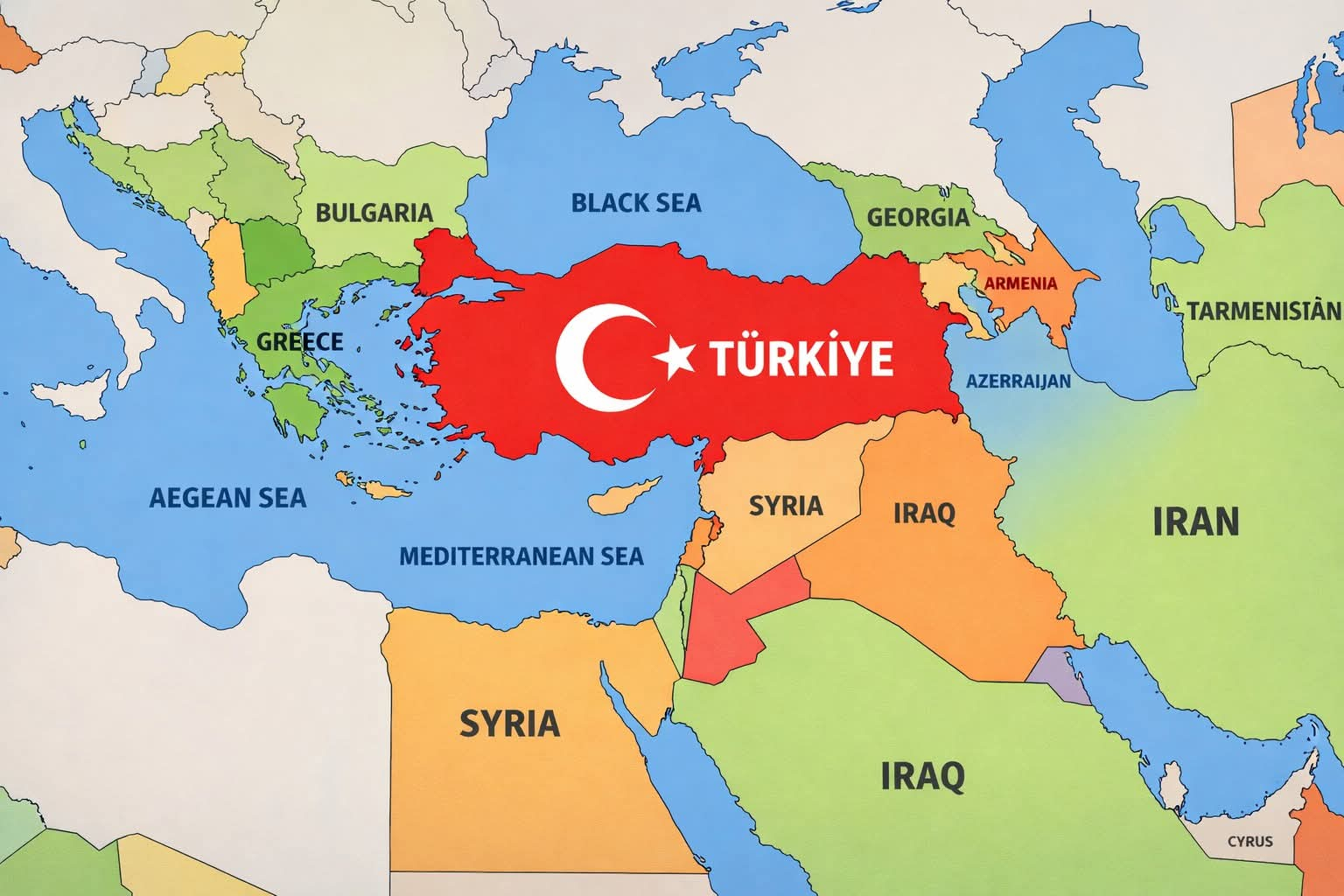
    Türkiye is accelerating its transformation into a major global trade and logistics hub, targeting stronger China–Europe freight connectivity by 2031 while developing strategic routes linking Central Asia, the Gulf and Europe.

    Four major transport corridors are shaping the region's future:

    Middle Corridor: Connects China to Europe through Central Asia, the Caspian Sea, Azerbaijan, Georgia and Türkiye.

    Zangezur Corridor: Aims to strengthen connections between Türkiye, Azerbaijan and Central Asia through a new strategic transport link.

    Iraq Development Road: A planned railway and highway network connecting Iraq's Grand Faw Port to Türkiye and European markets.

    Modern Hijaz Railway: A proposed revival and expansion connecting Türkiye through Syria and Jordan toward Saudi Arabia, with longer-term ambitions to reach Oman.

    Faster and more diversified international trade routes
    Stronger access between Asian and European markets
    New investment opportunities in railways, ports and logistics
    Greater economic integration across the Middle East and Central Asia

    The bigger picture: Türkiye aims to become a central crossroads of Eurasian trade, linking multiple regional freight networks into a more connected transport system.

    Could these corridors reshape global trade routes over the next decade?
    Türkiye's Billions of Dollars Railway Ambition: Connecting China, Europe and the Middle East! Türkiye is accelerating its transformation into a major global trade and logistics hub, targeting stronger China–Europe freight connectivity by 2031 while developing strategic routes linking Central Asia, the Gulf and Europe. Four major transport corridors are shaping the region's future: 🚞 Middle Corridor: Connects China to Europe through Central Asia, the Caspian Sea, Azerbaijan, Georgia and Türkiye. 🚄 Zangezur Corridor: Aims to strengthen connections between Türkiye, Azerbaijan and Central Asia through a new strategic transport link. 🚆 Iraq Development Road: A planned railway and highway network connecting Iraq's Grand Faw Port to Türkiye and European markets. 🚂 Modern Hijaz Railway: A proposed revival and expansion connecting Türkiye through Syria and Jordan toward Saudi Arabia, with longer-term ambitions to reach Oman. ✅ Faster and more diversified international trade routes ✅ Stronger access between Asian and European markets ✅ New investment opportunities in railways, ports and logistics ✅ Greater economic integration across the Middle East and Central Asia 🌐 The bigger picture: Türkiye aims to become a central crossroads of Eurasian trade, linking multiple regional freight networks into a more connected transport system. 💬 Could these corridors reshape global trade routes over the next decade?
    0 Комментарии 0 Поделились
  • The Malwiya Tower, a 52-meter-high spiral minaret with an anticlockwise ramp, is a notable architectural feature of the Great Mosque of Samarra, which was commissioned by Abbasid Caliph Al-Mutawakkil in 848 CE and completed in 852 CE.

    It was once the largest mosque in the world, spanning 17 hectares. It is primarily made of baked and sun-dried brick, with its design inspired by ancient ziggurats.

    The mosque was significantly damaged during the 1278 invasion by Hulagu Khan, with only the outer walls and the Malwiya Tower remaining unharmed. It is currently a component of the Samarra Archaeological City, a UNESCO World Heritage site.

    Recommended Readings:
    - The Monuments of Samarra: Historical Studies and Archaeological Writings by Alastair Northedge.
    - Early Islamic Art and Architecture by Jonathan M. Bloom.
    - The Art and Architecture of Islam 650–1250 by Richard Ettinghausen, Oleg Grabar, and Marilyn Jenkins-Madina (Yale University Press Pelican History of Art).
    The Malwiya Tower, a 52-meter-high spiral minaret with an anticlockwise ramp, is a notable architectural feature of the Great Mosque of Samarra, which was commissioned by Abbasid Caliph Al-Mutawakkil in 848 CE and completed in 852 CE. It was once the largest mosque in the world, spanning 17 hectares. It is primarily made of baked and sun-dried brick, with its design inspired by ancient ziggurats. The mosque was significantly damaged during the 1278 invasion by Hulagu Khan, with only the outer walls and the Malwiya Tower remaining unharmed. It is currently a component of the Samarra Archaeological City, a UNESCO World Heritage site. Recommended Readings: - The Monuments of Samarra: Historical Studies and Archaeological Writings by Alastair Northedge. - Early Islamic Art and Architecture by Jonathan M. Bloom. - The Art and Architecture of Islam 650–1250 by Richard Ettinghausen, Oleg Grabar, and Marilyn Jenkins-Madina (Yale University Press Pelican History of Art).
    0 Комментарии 0 Поделились
  • The Ottoman Empire at Its Greatest Extent

    At its height, the Ottoman Empire was one of the most powerful states in world history, spanning large parts of Southeastern Europe, Western Asia, and North Africa.

    A Transcontinental Empire

    The empire controlled territories surrounding much of the Mediterranean, Black Sea, and Red Sea, creating a strategic bridge between Europe, Asia, and Africa.

    Major Regions Under Ottoman Rule

    Anatolia — the Ottoman heartland
    The Balkans — extensive territories across Southeastern Europe
    Greece — much of the region was incorporated into the empire at different periods
    The Levant — including Syria and surrounding territories
    Mesopotamia — major Ottoman territories in present-day Iraq
    Egypt — an important economic and strategic province
    North Africa — Ottoman territories along much of the southern Mediterranean
    The Arabian Peninsula — including the Hejaz and other regions
    The Caucasus — areas contested and controlled at different times

    Key Facts

    Istanbul (Constantinople) became the imperial capital after the Ottoman conquest of 1453.
    At its height, the empire controlled territories across three continents.
    The Mediterranean Sea, Black Sea, Red Sea, and major land routes were strategically important to Ottoman power.
    The empire ruled over a remarkable diversity of peoples, languages, religions, and cultures.
    Ottoman influence lasted for more than six centuries, from its foundation around the end of the 13th century until its dissolution in the early 20th century.

    From a Frontier State to a Global Power

    What began as a small Anatolian principality developed into a vast empire that became a major political and military power between Europe, Asia, and Africa.

    The Ottoman Empire was not simply a European or Asian empire—it was a truly transcontinental power.

    #OttomanEmpire #OttomanHistory #History #Geography #WorldHistory
    🕌 The Ottoman Empire at Its Greatest Extent At its height, the Ottoman Empire was one of the most powerful states in world history, spanning large parts of Southeastern Europe, Western Asia, and North Africa. 🌍 A Transcontinental Empire The empire controlled territories surrounding much of the Mediterranean, Black Sea, and Red Sea, creating a strategic bridge between Europe, Asia, and Africa. 🗺️ Major Regions Under Ottoman Rule 🇹🇷 Anatolia — the Ottoman heartland 🌍 The Balkans — extensive territories across Southeastern Europe 🇬🇷 Greece — much of the region was incorporated into the empire at different periods 🇸🇾 The Levant — including Syria and surrounding territories 🇮🇶 Mesopotamia — major Ottoman territories in present-day Iraq 🇪🇬 Egypt — an important economic and strategic province 🌍 North Africa — Ottoman territories along much of the southern Mediterranean 🕌 The Arabian Peninsula — including the Hejaz and other regions ⛰️ The Caucasus — areas contested and controlled at different times ⚔️ Key Facts 🔹 Istanbul (Constantinople) became the imperial capital after the Ottoman conquest of 1453. 🔹 At its height, the empire controlled territories across three continents. 🔹 The Mediterranean Sea, Black Sea, Red Sea, and major land routes were strategically important to Ottoman power. 🔹 The empire ruled over a remarkable diversity of peoples, languages, religions, and cultures. 🔹 Ottoman influence lasted for more than six centuries, from its foundation around the end of the 13th century until its dissolution in the early 20th century. 🏛️ From a Frontier State to a Global Power What began as a small Anatolian principality developed into a vast empire that became a major political and military power between Europe, Asia, and Africa. The Ottoman Empire was not simply a European or Asian empire—it was a truly transcontinental power. #OttomanEmpire #OttomanHistory #History #Geography #WorldHistory
    0 Комментарии 0 Поделились
  • Turkish cities are celebrating as a historic agreement brings together three of the world’s largest and most influential Muslim countries:

    Saudi Arabia
    Pakistan
    Turkey

    A historic moment of unity, cooperation, and stronger ties among the three nations.
    Turkish cities 🇹🇷 are celebrating as a historic agreement brings together three of the world’s largest and most influential Muslim countries: Saudi Arabia 🇸🇦 Pakistan 🇵🇰 Turkey 🇹🇷 A historic moment of unity, cooperation, and stronger ties among the three nations.
    0 Комментарии 0 Поделились
  • #Spain were crowned #FIFAWorldCup champions following their 1-0 win against #Argentina in extra time Sunday.

    #US President Donald #Trump and #FIFA President Gianni #Infantino presented the #WorldCup trophy to Spain's players.

    Reuters
    ⚽ 🏆 🇪🇸 #Spain were crowned #FIFAWorldCup champions following their 1-0 win against #Argentina in extra time Sunday. #US President Donald #Trump and #FIFA President Gianni #Infantino presented the #WorldCup trophy to Spain's players. 📸 Reuters
    0 Комментарии 0 Поделились
  • TURKEY
    Things you probably didn’t know about Türkiye (breaking common myths):

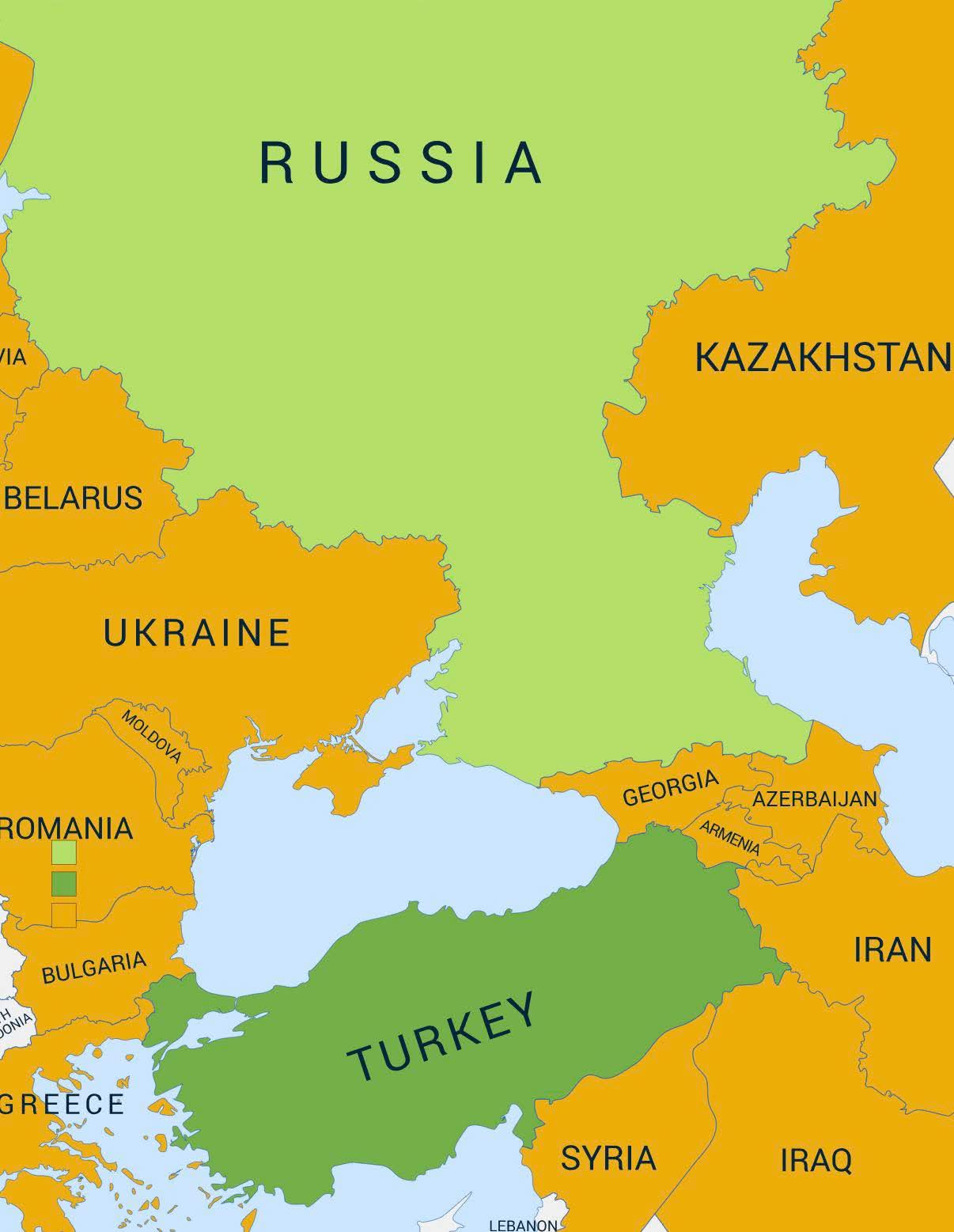
    A bridge between continents: One of the few countries in the world that spans both Europe and Asia — with Istanbul divided by the Bosphorus Strait.

    Not the capital you think: While Istanbul is the most famous city, the real capital is Ankara.

    Empire legacy: The heart of the Ottoman Empire for over 600 years, influencing Europe, Asia, and Africa.

    Hagia Sophia is unique: The iconic Hagia Sophia has served as a church, mosque, and museum throughout history.

    Cradle of civilizations: Home to ancient cultures like the Hittites, Greeks, and Romans — leaving behind incredible archaeological heritage.

    Tea > Coffee: Contrary to popular belief, tea is consumed more than coffee and is a daily essential.

    Turkish baths: The famous “hammam” is a centuries-old tradition of relaxation and cleansing from the Ottoman era.

    Unreal landscapes: Places like Cappadocia are known for fairy chimneys and breathtaking hot air balloon rides.

    Rich cuisine: From kebabs to baklava and Turkish delight, Turkish food is loved worldwide.

    Strategic location: Controls key routes between the Black Sea and the Mediterranean — making it geopolitically important.

    Historic bazaars: The Grand Bazaar in Istanbul is one of the oldest and largest covered markets in the world.

    Cultural diversity: A unique blend of European, Asian, and Middle Eastern influences in architecture, music, and traditions.

    Global TV hits: Turkish series and films are hugely popular in Latin America and beyond.

    Follow for more amazing facts!
    Like | Comment | Share

    #Turkey #Türkiye #Travel #History #Culture #Explore
    🇹🇷 TURKEY 🇹🇷 🧠😍 Things you probably didn’t know about Türkiye (breaking common myths): 👏👏 🌍 A bridge between continents: One of the few countries in the world that spans both Europe and Asia — with Istanbul divided by the Bosphorus Strait. 🏛️ Not the capital you think: While Istanbul is the most famous city, the real capital is Ankara. 👑 Empire legacy: The heart of the Ottoman Empire for over 600 years, influencing Europe, Asia, and Africa. 🕌 Hagia Sophia is unique: The iconic Hagia Sophia has served as a church, mosque, and museum throughout history. 🏺 Cradle of civilizations: Home to ancient cultures like the Hittites, Greeks, and Romans — leaving behind incredible archaeological heritage. 🍵 Tea > Coffee: Contrary to popular belief, tea is consumed more than coffee and is a daily essential. 🛁 Turkish baths: The famous “hammam” is a centuries-old tradition of relaxation and cleansing from the Ottoman era. 🎈 Unreal landscapes: Places like Cappadocia are known for fairy chimneys and breathtaking hot air balloon rides. 🍽️ Rich cuisine: From kebabs to baklava and Turkish delight, Turkish food is loved worldwide. 🌐 Strategic location: Controls key routes between the Black Sea and the Mediterranean — making it geopolitically important. 🛍️ Historic bazaars: The Grand Bazaar in Istanbul is one of the oldest and largest covered markets in the world. 🎶 Cultural diversity: A unique blend of European, Asian, and Middle Eastern influences in architecture, music, and traditions. 📺 Global TV hits: Turkish series and films are hugely popular in Latin America and beyond. 👉 Follow for more amazing facts! 🌍✨ ❤️ Like | 💬 Comment | 🔁 Share #Turkey #Türkiye #Travel #History #Culture #Explore
    1
    0 Комментарии 0 Поделились
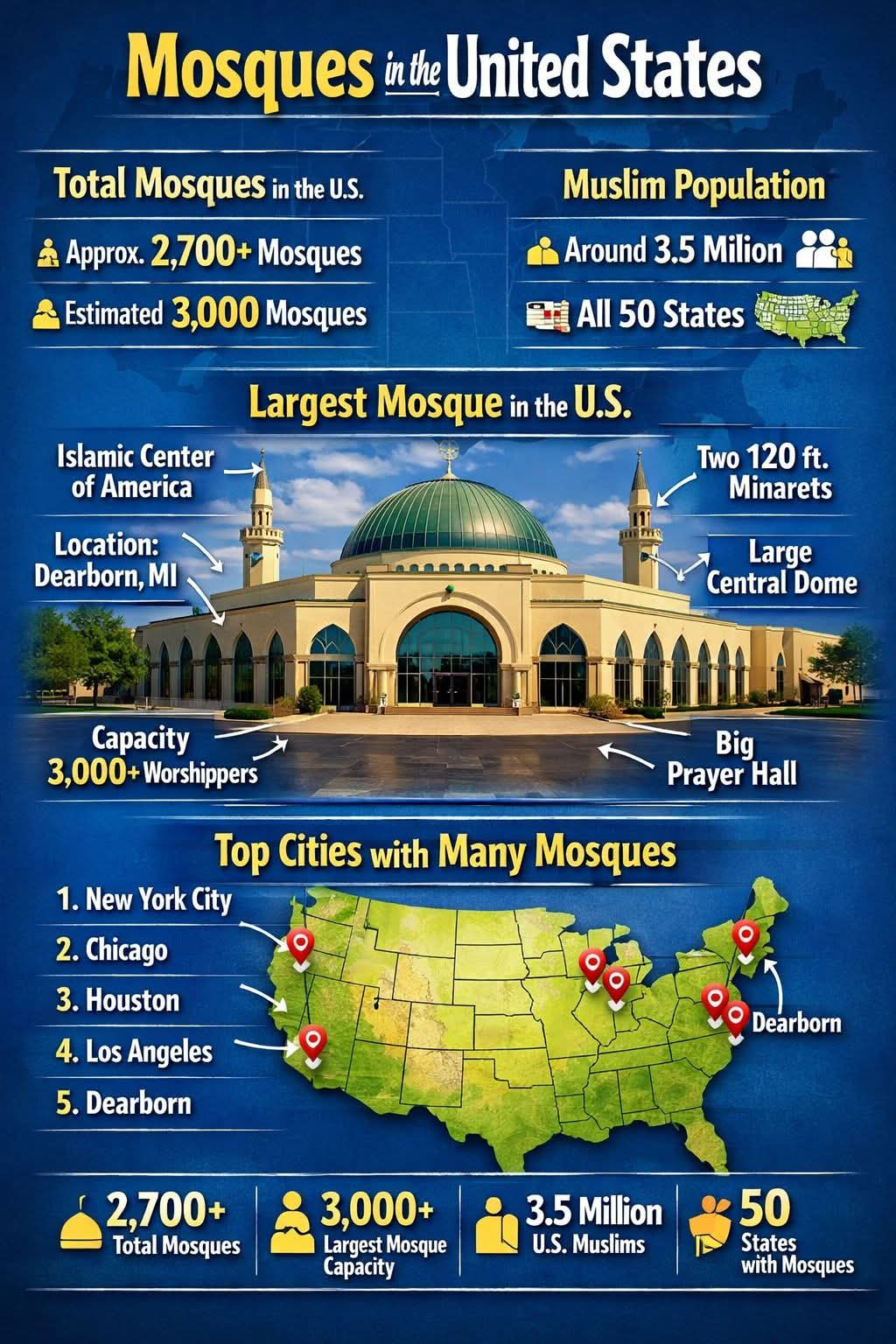
  • The United States has a growing Muslim community and thousands of mosques spread across the country. According to research by the Institute for Social Policy and Understanding, there are approximately 2,700 to 3,000 mosques in America today. These mosques serve as places for daily prayers, Friday congregational prayers, Islamic education, and community activities. Over the past few decades, the number of mosques has increased significantly due to the rising Muslim population and immigration from different parts of the world.
    The Muslim population in the United States is estimated to be around 3.5 million people. Muslims in America come from diverse ethnic backgrounds including Arabs, South Asians, African Americans, Turks, and Africans. Because of this diversity, many mosques also function as cultural and community centers where people gather for religious learning, charity work, and social support.
    One of the largest and most well-known mosques in the country is the Islamic Center of America, located in Dearborn, Michigan. This mosque is famous for its beautiful architecture, large central dome, and tall minarets. It can accommodate more than 3,000 worshippers at a time and is considered one of the biggest Islamic centers in North America.
    Major cities such as New York City, Chicago, Houston, and Los Angeles have many mosques because they have large Muslim populations. These mosques play an important role in maintaining religious identity, promoting community unity, and supporting charitable and educational activities throughout the United States.
    The United States has a growing Muslim community and thousands of mosques spread across the country. According to research by the Institute for Social Policy and Understanding, there are approximately 2,700 to 3,000 mosques in America today. These mosques serve as places for daily prayers, Friday congregational prayers, Islamic education, and community activities. Over the past few decades, the number of mosques has increased significantly due to the rising Muslim population and immigration from different parts of the world. The Muslim population in the United States is estimated to be around 3.5 million people. Muslims in America come from diverse ethnic backgrounds including Arabs, South Asians, African Americans, Turks, and Africans. Because of this diversity, many mosques also function as cultural and community centers where people gather for religious learning, charity work, and social support. One of the largest and most well-known mosques in the country is the Islamic Center of America, located in Dearborn, Michigan. This mosque is famous for its beautiful architecture, large central dome, and tall minarets. It can accommodate more than 3,000 worshippers at a time and is considered one of the biggest Islamic centers in North America. Major cities such as New York City, Chicago, Houston, and Los Angeles have many mosques because they have large Muslim populations. These mosques play an important role in maintaining religious identity, promoting community unity, and supporting charitable and educational activities throughout the United States.
    0 Комментарии 0 Поделились
  • 15 Interesting Facts About Türkiye

    Top Tourist Destination
    Türkiye is consistently among the Top 10 most visited countries in the world, attracting 50+ million international tourists annually.

    Largest City
    The biggest city is Istanbul, with 16+ million people, making it one of the largest cities in Europe.

    Capital City
    The capital is Ankara, located in central Anatolia.

    Population Power
    Türkiye has a population of about 85 million people, making it one of the most populous countries in Europe and the Middle East.

    Unique Geographic Location
    Türkiye sits between Europe and Asia, connected by the Bosphorus strait.

    Large Economy
    Türkiye has one of the largest economies in the world, usually ranking around Top 20 globally by GDP.

    Major Tourist Cities
    Popular tourist destinations include:
    • Istanbul
    • Antalya
    • Izmir
    • Bodrum
    • Cappadocia region.

    Ancient Civilization Center
    Türkiye has hosted many civilizations including the Hittites, Greeks, Romans, Byzantines, and Ottoman Empire.

    World Heritage Sites
    Türkiye has 19 UNESCO World Heritage Sites, including Göbekli Tepe, one of the oldest temples in the world (11,000+ years old).

    Agricultural Power
    Türkiye is one of the world’s largest producers of hazelnuts, apricots, figs, and cherries.

    Strategic Straits
    The Dardanelles and Bosphorus connect the Black Sea to the Mediterranean Sea.

    Huge Airline Hub
    Turkish Airlines flies to more countries than any other airline in the world.

    Beautiful Coastline
    Türkiye has about 8,300 km of coastline along the Black Sea, Aegean Sea, and Mediterranean Sea.

    Famous Cuisine
    Turkish cuisine includes global favorites like Kebab, Baklava, and Turkish Delight.

    Historic Megacity
    Istanbul is the only city in the world located on two continents.

    ⸻

    Türkiye Facts
    Top 10 most visited country in the world
    Population: ~85 million
    Largest city: Istanbul (16M+)
    Bridge between Europe & Asia
    Top 20 global economy
    19 UNESCO World Heritage sites
    Major agricultural exporter
    Turkish Airlines flies to most countries worldwide
    8,000+ km coastline
    World-famous cuisine

    #turkiye #turkey #geography #worldfacts #europe #asia #travel #amazingworldgeography #fblifestyle
    🇹🇷 15 Interesting Facts About Türkiye 🌍 1️⃣ Top Tourist Destination Türkiye is consistently among the Top 10 most visited countries in the world, attracting 50+ million international tourists annually. 2️⃣ Largest City The biggest city is Istanbul, with 16+ million people, making it one of the largest cities in Europe. 3️⃣ Capital City The capital is Ankara, located in central Anatolia. 4️⃣ Population Power Türkiye has a population of about 85 million people, making it one of the most populous countries in Europe and the Middle East. 5️⃣ Unique Geographic Location Türkiye sits between Europe and Asia, connected by the Bosphorus strait. 6️⃣ Large Economy Türkiye has one of the largest economies in the world, usually ranking around Top 20 globally by GDP. 7️⃣ Major Tourist Cities Popular tourist destinations include: • Istanbul • Antalya • Izmir • Bodrum • Cappadocia region. 8️⃣ Ancient Civilization Center Türkiye has hosted many civilizations including the Hittites, Greeks, Romans, Byzantines, and Ottoman Empire. 9️⃣ World Heritage Sites Türkiye has 19 UNESCO World Heritage Sites, including Göbekli Tepe, one of the oldest temples in the world (11,000+ years old). 🔟 Agricultural Power Türkiye is one of the world’s largest producers of hazelnuts, apricots, figs, and cherries. 1️⃣1️⃣ Strategic Straits The Dardanelles and Bosphorus connect the Black Sea to the Mediterranean Sea. 1️⃣2️⃣ Huge Airline Hub Turkish Airlines flies to more countries than any other airline in the world. 1️⃣3️⃣ Beautiful Coastline Türkiye has about 8,300 km of coastline along the Black Sea, Aegean Sea, and Mediterranean Sea. 1️⃣4️⃣ Famous Cuisine Turkish cuisine includes global favorites like Kebab, Baklava, and Turkish Delight. 1️⃣5️⃣ Historic Megacity Istanbul is the only city in the world located on two continents. ⸻ 🌍 Türkiye Facts 🇹🇷 ✈️ Top 10 most visited country in the world 👥 Population: ~85 million 🏙️ Largest city: Istanbul (16M+) 🌉 Bridge between Europe & Asia 💰 Top 20 global economy 🏛️ 19 UNESCO World Heritage sites 🌾 Major agricultural exporter ✈️ Turkish Airlines flies to most countries worldwide 🏖️ 8,000+ km coastline 🍽️ World-famous cuisine #turkiye #turkey #geography #worldfacts #europe #asia #travel #amazingworldgeography #fblifestyle 🌍
    0 Комментарии 0 Поделились
  • Russia’s Growing Muslim Population
    Islam continues to grow in different parts of the world, and Russia is one of the countries where the Muslim population has a significant presence.
    According to reports:
    • Russia has a Muslim population of over 28 Million
    • There are more than 8,000 Mosques across the country
    • Islam is considered the second largest religion in Russia
    Muslims in Russia belong to diverse ethnic groups and regions, contributing richly to the country’s culture, history, and society.
    From historic mosques in Tatarstan and Chechnya to large Islamic centers in major cities, Islam has a deep-rooted presence in the region.
    This reminds us that Islam is truly a global faith — crossing borders, cultures, and languages.
    May Allah keep the Ummah united and firm upon faith. Ameen.

    #Islam
    #IslamicReminder
    #Deen
    #Sunnah
    #MuslimUmmah
    #IslamicPost
    #Faith
    #IslamicMotivation
    #RussiaMuslims
    #IslamInRussia
    #MuslimPopulation
    #GlobalIslam
    Russia’s Growing Muslim Population 🇷🇺🕌 Islam continues to grow in different parts of the world, and Russia is one of the countries where the Muslim population has a significant presence. According to reports: • Russia has a Muslim population of over 28 Million • There are more than 8,000 Mosques across the country • Islam is considered the second largest religion in Russia Muslims in Russia belong to diverse ethnic groups and regions, contributing richly to the country’s culture, history, and society. From historic mosques in Tatarstan and Chechnya to large Islamic centers in major cities, Islam has a deep-rooted presence in the region. This reminds us that Islam is truly a global faith — crossing borders, cultures, and languages. May Allah keep the Ummah united and firm upon faith. Ameen. #Islam #IslamicReminder #Deen #Sunnah #MuslimUmmah #IslamicPost #Faith #IslamicMotivation #RussiaMuslims #IslamInRussia #MuslimPopulation #GlobalIslam
    0 Комментарии 0 Поделились
  • Thought the Middle East had the most Muslims? Think again!
    Indonesia alone has 242 million Muslims — more than the entire Middle East and North Africa region combined (which totals around 400–450 million across dozens of countries). Right behind are Pakistan (235M), India (213M), Bangladesh (150M+), and others, showing how South & Southeast Asia actually dominate the global picture, home to the largest concentrations of the world's 1.8+ billion Muslims.
    Thought the Middle East had the most Muslims? Think again! Indonesia alone has 242 million Muslims — more than the entire Middle East and North Africa region combined (which totals around 400–450 million across dozens of countries). Right behind are Pakistan (235M), India (213M), Bangladesh (150M+), and others, showing how South & Southeast Asia actually dominate the global picture, home to the largest concentrations of the world's 1.8+ billion Muslims.
    0 Комментарии 0 Поделились
Расширенные страницы