• HARRAN: WHERE HISTORY LIVES BENEATH THE DOMES!

    Harran, Şanlıurfa, Türkiye… A timeless land of history and culture.

    With thousands of years of history, distinctive architecture, and a rich cultural heritage, Harran is one of the most remarkable historical settlements in Anatolia. Its iconic domed beehive houses are not only architectural wonders but also precious reminders of the region’s deep-rooted history and traditions.

    Where Earth, Stone, and History Come Together!

    With their distinctive cone-shaped domes, Harran’s traditional houses stand out as remarkable examples of vernacular architecture. Built using traditional materials such as brick and mudbrick, these unique structures were designed to adapt to the region’s climate. Their architectural features help keep interiors cooler during the hot summer months, reflecting the ingenuity of generations who learned to live in harmony with nature.

    Every Dome Tells a Story, Every Wall Preserves a Memory…

    Harran’s historic houses are much more than places to live. They represent the region’s traditional lifestyle, cultural identity, and architectural heritage, carrying the traces of the past into the present. With their timeless character, these extraordinary structures connect generations and offer visitors a glimpse into another era.

    An Unforgettable Destination for History and Culture Lovers!

    With its historic streets, earthy textures, and distinctive domes rising toward the sky, Harran offers a truly unique atmosphere for photographers, travelers, and cultural explorers. Every corner reveals a different perspective, showcasing the remarkable cultural richness of Şanlıurfa.

    Harran’s beehive houses are a legacy of the past, a treasure of the present, and a heritage worth preserving for future generations.

    Discovering our history, protecting our cultural heritage, and passing it on to future generations is a shared responsibility. Because some structures are far more than bricks and earth; they are the memory of a civilization, the identity of a region, and a living story connecting the past to the future.

    Harran | Şanlıurfa, Türkiye
    Following the footsteps of history, discovering the heart of culture.

    #Şanlıurfa #Harran #HarranHouses #BeehiveHouses #HistoricHeritage #CulturalHeritage #AnatolianArchitecture #DiscoverTürkiye #HistoryAndCulture #TravelTürkiye #ExploreTheWorld #HiddenGems
    🏛️ HARRAN: WHERE HISTORY LIVES BENEATH THE DOMES! 🌍✨ 📍 Harran, Şanlıurfa, Türkiye… A timeless land of history and culture. With thousands of years of history, distinctive architecture, and a rich cultural heritage, Harran is one of the most remarkable historical settlements in Anatolia. Its iconic domed beehive houses are not only architectural wonders but also precious reminders of the region’s deep-rooted history and traditions. 🏺🏡 🧱 Where Earth, Stone, and History Come Together! With their distinctive cone-shaped domes, Harran’s traditional houses stand out as remarkable examples of vernacular architecture. Built using traditional materials such as brick and mudbrick, these unique structures were designed to adapt to the region’s climate. Their architectural features help keep interiors cooler during the hot summer months, reflecting the ingenuity of generations who learned to live in harmony with nature. 🌿 Every Dome Tells a Story, Every Wall Preserves a Memory… Harran’s historic houses are much more than places to live. They represent the region’s traditional lifestyle, cultural identity, and architectural heritage, carrying the traces of the past into the present. With their timeless character, these extraordinary structures connect generations and offer visitors a glimpse into another era. 📸 An Unforgettable Destination for History and Culture Lovers! With its historic streets, earthy textures, and distinctive domes rising toward the sky, Harran offers a truly unique atmosphere for photographers, travelers, and cultural explorers. Every corner reveals a different perspective, showcasing the remarkable cultural richness of Şanlıurfa. ✨ Harran’s beehive houses are a legacy of the past, a treasure of the present, and a heritage worth preserving for future generations. Discovering our history, protecting our cultural heritage, and passing it on to future generations is a shared responsibility. Because some structures are far more than bricks and earth; they are the memory of a civilization, the identity of a region, and a living story connecting the past to the future. ❤️🌍 📍 Harran | Şanlıurfa, Türkiye 🏛️ Following the footsteps of history, discovering the heart of culture. #Şanlıurfa #Harran #HarranHouses #BeehiveHouses #HistoricHeritage #CulturalHeritage #AnatolianArchitecture #DiscoverTürkiye #HistoryAndCulture #TravelTürkiye #ExploreTheWorld #HiddenGems
    0 Commentaires 0 parts
  • In 1890, Sirkeci Station opened its doors — and Istanbul became the grand finale of Europe’s most legendary train journey.

    The Orient Express had already become a symbol of luxury travel.

    By 1889, trains could finally reach Constantinople directly from Europe.

    Then, in 1890, a new terminal opened at Sirkeci.

    Designed by Prussian architect August Jasmund, the station combined European railway architecture with Orientalist details and quickly became one of the great gateways into Istanbul.

    Imagine arriving here at the end of the 19th century.

    Porters carrying trunks.

    Horse-drawn carriages waiting outside.

    Travellers stepping into Istanbul after crossing Europe by rail.

    For us, Sirkeci is historic.

    For them, it was the beginning of a new age of travel.

    Would you have wanted to arrive in Istanbul here in 1890?

    AI historical reconstruction inspired by the period
    In 1890, Sirkeci Station opened its doors — and Istanbul became the grand finale of Europe’s most legendary train journey. The Orient Express had already become a symbol of luxury travel. By 1889, trains could finally reach Constantinople directly from Europe. Then, in 1890, a new terminal opened at Sirkeci. Designed by Prussian architect August Jasmund, the station combined European railway architecture with Orientalist details and quickly became one of the great gateways into Istanbul. Imagine arriving here at the end of the 19th century. Porters carrying trunks. Horse-drawn carriages waiting outside. Travellers stepping into Istanbul after crossing Europe by rail. For us, Sirkeci is historic. For them, it was the beginning of a new age of travel. Would you have wanted to arrive in Istanbul here in 1890? AI historical reconstruction inspired by the period
    0 Commentaires 0 parts
  • The Malwiya Tower, a 52-meter-high spiral minaret with an anticlockwise ramp, is a notable architectural feature of the Great Mosque of Samarra, which was commissioned by Abbasid Caliph Al-Mutawakkil in 848 CE and completed in 852 CE.

    It was once the largest mosque in the world, spanning 17 hectares. It is primarily made of baked and sun-dried brick, with its design inspired by ancient ziggurats.

    The mosque was significantly damaged during the 1278 invasion by Hulagu Khan, with only the outer walls and the Malwiya Tower remaining unharmed. It is currently a component of the Samarra Archaeological City, a UNESCO World Heritage site.

    Recommended Readings:
    - The Monuments of Samarra: Historical Studies and Archaeological Writings by Alastair Northedge.
    - Early Islamic Art and Architecture by Jonathan M. Bloom.
    - The Art and Architecture of Islam 650–1250 by Richard Ettinghausen, Oleg Grabar, and Marilyn Jenkins-Madina (Yale University Press Pelican History of Art).
    The Malwiya Tower, a 52-meter-high spiral minaret with an anticlockwise ramp, is a notable architectural feature of the Great Mosque of Samarra, which was commissioned by Abbasid Caliph Al-Mutawakkil in 848 CE and completed in 852 CE. It was once the largest mosque in the world, spanning 17 hectares. It is primarily made of baked and sun-dried brick, with its design inspired by ancient ziggurats. The mosque was significantly damaged during the 1278 invasion by Hulagu Khan, with only the outer walls and the Malwiya Tower remaining unharmed. It is currently a component of the Samarra Archaeological City, a UNESCO World Heritage site. Recommended Readings: - The Monuments of Samarra: Historical Studies and Archaeological Writings by Alastair Northedge. - Early Islamic Art and Architecture by Jonathan M. Bloom. - The Art and Architecture of Islam 650–1250 by Richard Ettinghausen, Oleg Grabar, and Marilyn Jenkins-Madina (Yale University Press Pelican History of Art).
    0 Commentaires 0 parts
  • İstanbul’un ve Boğaz’ın en zarif simgelerinden biri olan Ortaköy Camii (Büyük Mecidiye Camii), gün batımının altın ve kızıl tonlarıyla birleşerek büyüleyici bir manzara sunuyor. 1853 yılında Sultan Abdülmecid tarafından Nigoğos Balyan’a yaptırılan bu zarif eser, Barok mimarisinin Osmanlı estetiğiyle buluştuğu en görkemli örneklerden biridir. Geniş pencerelerinden süzülen ışıkla Boğaz’ın sularına yansıyan silueti, hemen arkasında uzanan 15 Temmuz Şehitler Köprüsü ile kentin tarihi ve modern yüzünü aynı karede birleştirir. Ortaköy sahilinde yürüyüş yapmak, Boğaz esintisi eşliğinde çay yudumlamak ve bu eşsiz gün batımı manzarasını seyretmek, İstanbul’da yaşanacak en unutulmaz deneyimlerden biridir.

    Standing as one of the most elegant landmarks of Istanbul and the Bosphorus, the historic Ortaköy Mosque (Grand Mecidiye Mosque) presents a breathtaking view beneath the golden hues of sunset. Built in 1853 by Sultan Abdülmecid and designed by architect Nigoğos Balyan, this masterpiece is one of the finest examples of Ottoman Baroque architecture. Its ornate facade and tall windows reflect beautifully upon the waters of the Bosphorus, perfectly framed alongside the iconic Bosphorus Bridge. Strolling along the Ortaköy pier, enjoying a warm cup of tea by the waterfront, and watching the sunset over the strait remain among the most unforgettable experiences to enjoy in Istanbul.
    İstanbul’un ve Boğaz’ın en zarif simgelerinden biri olan Ortaköy Camii (Büyük Mecidiye Camii), gün batımının altın ve kızıl tonlarıyla birleşerek büyüleyici bir manzara sunuyor. 1853 yılında Sultan Abdülmecid tarafından Nigoğos Balyan’a yaptırılan bu zarif eser, Barok mimarisinin Osmanlı estetiğiyle buluştuğu en görkemli örneklerden biridir. Geniş pencerelerinden süzülen ışıkla Boğaz’ın sularına yansıyan silueti, hemen arkasında uzanan 15 Temmuz Şehitler Köprüsü ile kentin tarihi ve modern yüzünü aynı karede birleştirir. Ortaköy sahilinde yürüyüş yapmak, Boğaz esintisi eşliğinde çay yudumlamak ve bu eşsiz gün batımı manzarasını seyretmek, İstanbul’da yaşanacak en unutulmaz deneyimlerden biridir. 🇹🇷 🇬🇧 Standing as one of the most elegant landmarks of Istanbul and the Bosphorus, the historic Ortaköy Mosque (Grand Mecidiye Mosque) presents a breathtaking view beneath the golden hues of sunset. Built in 1853 by Sultan Abdülmecid and designed by architect Nigoğos Balyan, this masterpiece is one of the finest examples of Ottoman Baroque architecture. Its ornate facade and tall windows reflect beautifully upon the waters of the Bosphorus, perfectly framed alongside the iconic Bosphorus Bridge. Strolling along the Ortaköy pier, enjoying a warm cup of tea by the waterfront, and watching the sunset over the strait remain among the most unforgettable experiences to enjoy in Istanbul.
    0 Commentaires 0 parts
  • “Don’t Shoot Down Kites, Let the Sky Be Left for Children”

    The Ministry of National Education of Türkiye will organize the “Don’t Shoot Down Kites, Let the Sky Be Left for Children” event across all 81 provinces of Türkiye to draw attention to the ban on kites in Gaza and highlight children’s rights.

    From September 14 to 18, students, together with their parents, will take their calls for peace, education, and security to the sky through kites they have designed, along with drawings and messages.

    The initiative, implemented within the framework of the Turkish Century Education Model, aims to strengthen children’s awareness of compassion and global solidarity.
    🪁🇹🇷🇵🇸 “Don’t Shoot Down Kites, Let the Sky Be Left for Children” 📍 The Ministry of National Education of Türkiye will organize the “Don’t Shoot Down Kites, Let the Sky Be Left for Children” event across all 81 provinces of Türkiye to draw attention to the ban on kites in Gaza and highlight children’s rights. 📆 From September 14 to 18, students, together with their parents, will take their calls for peace, education, and security to the sky through kites they have designed, along with drawings and messages. 📌 The initiative, implemented within the framework of the Turkish Century Education Model, aims to strengthen children’s awareness of compassion and global solidarity.
    0 Commentaires 0 parts
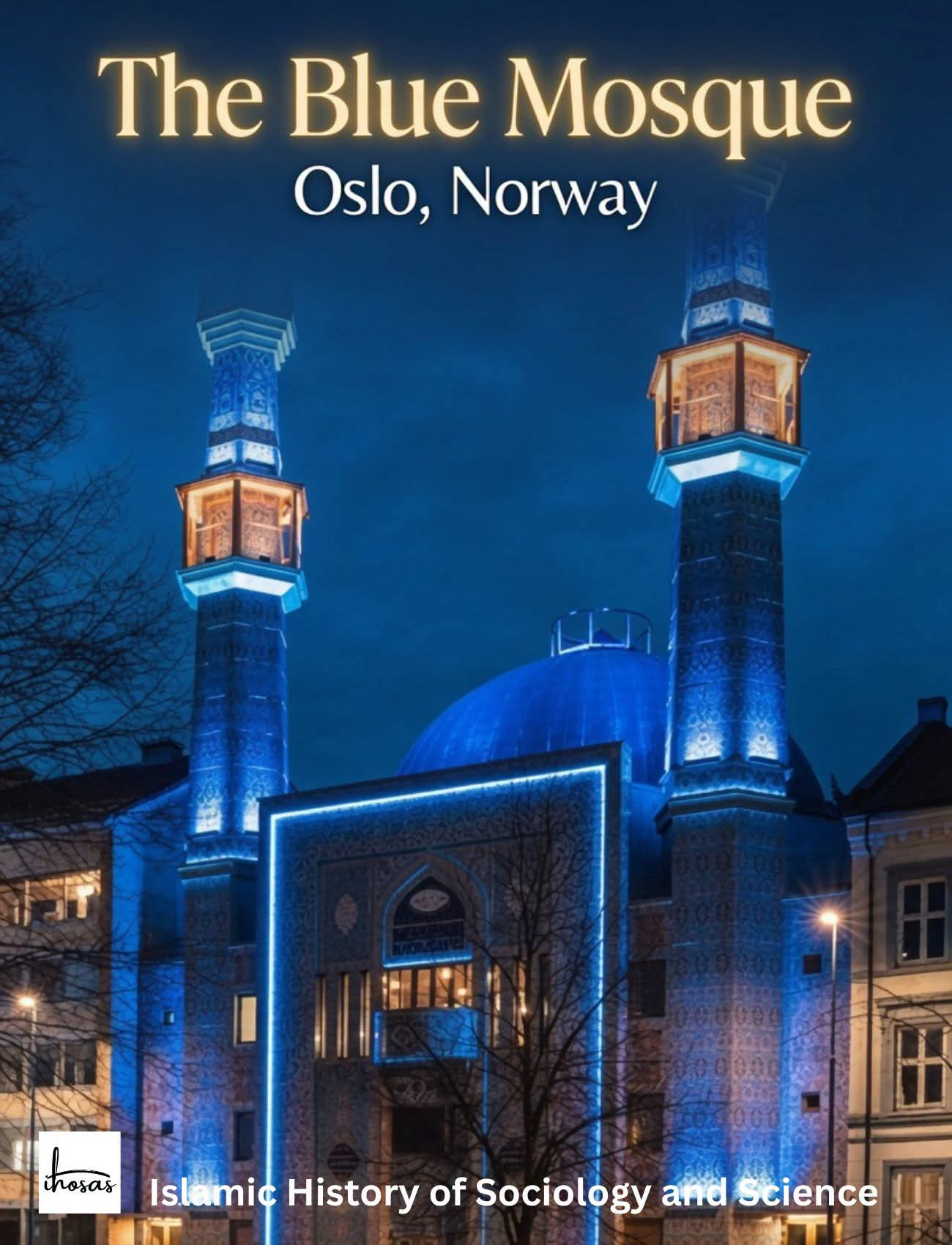
  • The Blue Mosque, also known as the Central Jam-E-Mosque, is a significant place of worship in Grønland, Oslo, that was established in 1995.

    Its exterior is adorned with tiles from Spain and Iran, which display traditional designs and Quranic calligraphy against a blue background.

    The original hand-painted tiles were replaced with more durable, weather-resistant alternatives that remained true to the original design in Norway due to the severe climate.
    The Blue Mosque, also known as the Central Jam-E-Mosque, is a significant place of worship in Grønland, Oslo, that was established in 1995. Its exterior is adorned with tiles from Spain and Iran, which display traditional designs and Quranic calligraphy against a blue background. The original hand-painted tiles were replaced with more durable, weather-resistant alternatives that remained true to the original design in Norway due to the severe climate.
    0 Commentaires 0 parts
  • Designed for precision insulation needs, EPGM203 and EPGC203 laminates support durability and control in advanced electrical components Learn more at https://www.fenharxz.com
    #ElectricalInsulation #TechnicalLaminates #Fenhar
    Designed for precision insulation needs, EPGM203 and EPGC203 laminates support durability and control in advanced electrical components ⚡🧠 Learn more at https://www.fenharxz.com #ElectricalInsulation #TechnicalLaminates #Fenhar
    0 Commentaires 0 parts
  • Hamidiye Camii in Kırşehir, Turkiye, is a truly unique mosque unlike any other. Its interior features a ceiling painted like the sky and a carpet resembling grass, inspired by Qur’an 2:22, which describes the earth as a dwelling and the sky as a canopy.

    Designed by an Azerbaijani architect, the mosque draws visitors from around the world for prayer, reflection, and admiration. Its wooden minbar is crafted to resemble tree trunks, blending naturally with the overall theme. Originally built in the 1910s during the Ottoman era and named after Sultan Abdülhamid II, the mosque later fell into disrepair, was demolished, and rebuilt in 2016.

    With its sky-and-garden imagery, Hamidiye Camii is often said to evoke the gardens of Paradise, making it a serene place for contemplation and worship.

    Fund honest independent Muslim journalism: https://support.islamchannel.tv
    Hamidiye Camii in Kırşehir, Turkiye, is a truly unique mosque unlike any other. Its interior features a ceiling painted like the sky and a carpet resembling grass, inspired by Qur’an 2:22, which describes the earth as a dwelling and the sky as a canopy. Designed by an Azerbaijani architect, the mosque draws visitors from around the world for prayer, reflection, and admiration. Its wooden minbar is crafted to resemble tree trunks, blending naturally with the overall theme. Originally built in the 1910s during the Ottoman era and named after Sultan Abdülhamid II, the mosque later fell into disrepair, was demolished, and rebuilt in 2016. With its sky-and-garden imagery, Hamidiye Camii is often said to evoke the gardens of Paradise, making it a serene place for contemplation and worship. Fund honest independent Muslim journalism: https://support.islamchannel.tv
    0 Commentaires 0 parts
  • The Şemsi Pasha Mosque in Turkey features a stained glass window designed by Ottoman architect Mimar Sinan in 1581 for Grand Vizier Şemsi Pasha.
    The Şemsi Pasha Mosque in Turkey features a stained glass window designed by Ottoman architect Mimar Sinan in 1581 for Grand Vizier Şemsi Pasha.
    0 Commentaires 0 parts
  • Baitul Khairaat Grand Mosque is an architectural landmark of Palu City, Central Sulawesi, Indonesia . A beautiful mosque with a majestic dome and elegant design, standing as a cultural icon of the area and featuring Indonesia's largest mosque dome and tallest mosque clock tower.
    Baitul Khairaat Grand Mosque is an architectural landmark of Palu City, Central Sulawesi, Indonesia 🇮🇩. A beautiful mosque with a majestic dome and elegant design, standing as a cultural icon of the area and featuring Indonesia's largest mosque dome and tallest mosque clock tower.
    0 Commentaires 0 parts
Résultats de Recherche