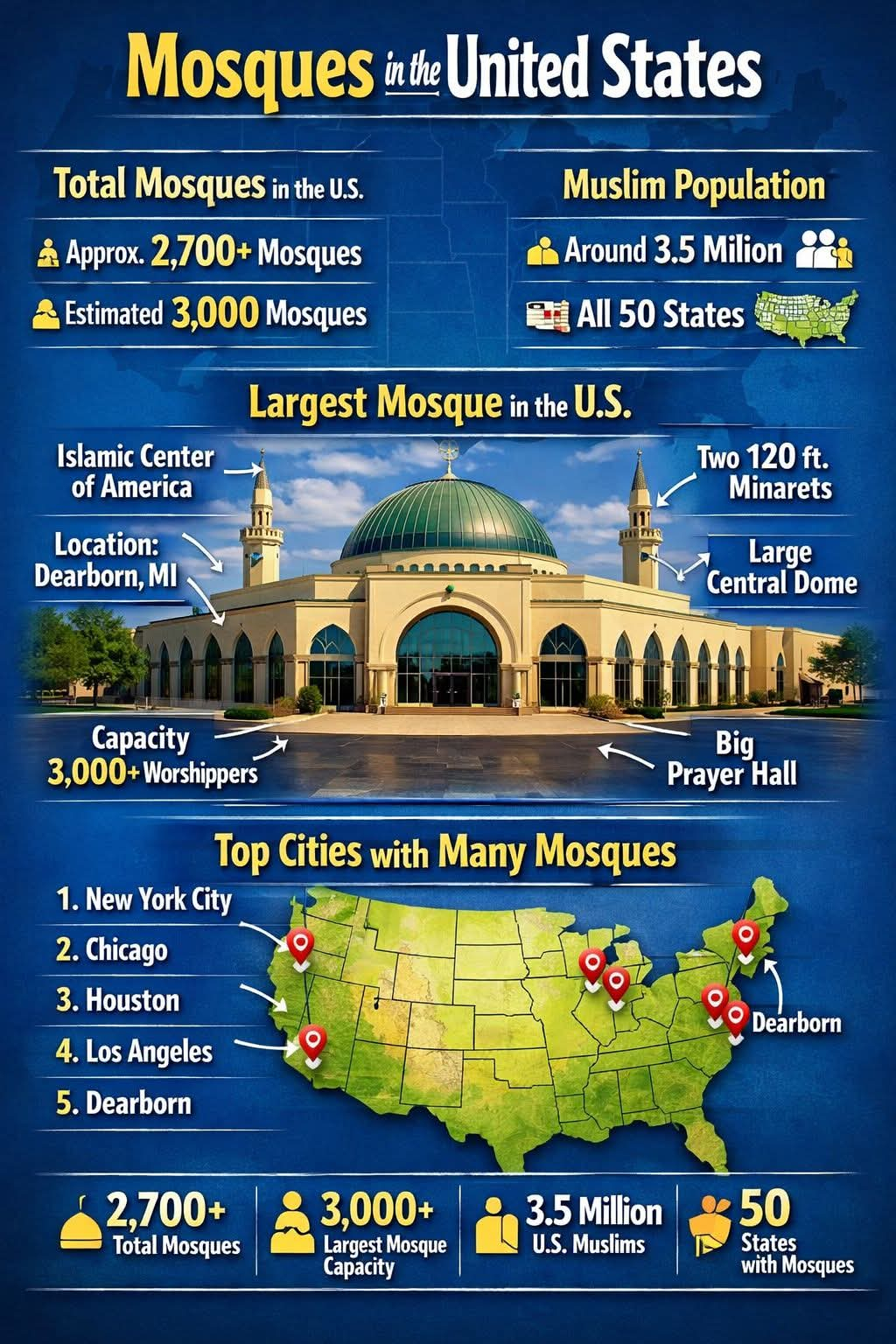
• The United States has a growing Muslim community and thousands of mosques spread across the country. According to research by the Institute for Social Policy and Understanding, there are approximately 2,700 to 3,000 mosques in America today. These mosques serve as places for daily prayers, Friday congregational prayers, Islamic education, and community activities. Over the past few decades, the number of mosques has increased significantly due to the rising Muslim population and immigration from different parts of the world.
    The Muslim population in the United States is estimated to be around 3.5 million people. Muslims in America come from diverse ethnic backgrounds including Arabs, South Asians, African Americans, Turks, and Africans. Because of this diversity, many mosques also function as cultural and community centers where people gather for religious learning, charity work, and social support.
    One of the largest and most well-known mosques in the country is the Islamic Center of America, located in Dearborn, Michigan. This mosque is famous for its beautiful architecture, large central dome, and tall minarets. It can accommodate more than 3,000 worshippers at a time and is considered one of the biggest Islamic centers in North America.
    Major cities such as New York City, Chicago, Houston, and Los Angeles have many mosques because they have large Muslim populations. These mosques play an important role in maintaining religious identity, promoting community unity, and supporting charitable and educational activities throughout the United States.
    The United States has a growing Muslim community and thousands of mosques spread across the country. According to research by the Institute for Social Policy and Understanding, there are approximately 2,700 to 3,000 mosques in America today. These mosques serve as places for daily prayers, Friday congregational prayers, Islamic education, and community activities. Over the past few decades, the number of mosques has increased significantly due to the rising Muslim population and immigration from different parts of the world. The Muslim population in the United States is estimated to be around 3.5 million people. Muslims in America come from diverse ethnic backgrounds including Arabs, South Asians, African Americans, Turks, and Africans. Because of this diversity, many mosques also function as cultural and community centers where people gather for religious learning, charity work, and social support. One of the largest and most well-known mosques in the country is the Islamic Center of America, located in Dearborn, Michigan. This mosque is famous for its beautiful architecture, large central dome, and tall minarets. It can accommodate more than 3,000 worshippers at a time and is considered one of the biggest Islamic centers in North America. Major cities such as New York City, Chicago, Houston, and Los Angeles have many mosques because they have large Muslim populations. These mosques play an important role in maintaining religious identity, promoting community unity, and supporting charitable and educational activities throughout the United States.
    0 Comments 0 Shares
  • Russia’s Growing Muslim Population
    Islam continues to grow in different parts of the world, and Russia is one of the countries where the Muslim population has a significant presence.
    According to reports:
    • Russia has a Muslim population of over 28 Million
    • There are more than 8,000 Mosques across the country
    • Islam is considered the second largest religion in Russia
    Muslims in Russia belong to diverse ethnic groups and regions, contributing richly to the country’s culture, history, and society.
    From historic mosques in Tatarstan and Chechnya to large Islamic centers in major cities, Islam has a deep-rooted presence in the region.
    This reminds us that Islam is truly a global faith — crossing borders, cultures, and languages.
    May Allah keep the Ummah united and firm upon faith. Ameen.

    #Islam
    #IslamicReminder
    #Deen
    #Sunnah
    #MuslimUmmah
    #IslamicPost
    #Faith
    #IslamicMotivation
    #RussiaMuslims
    #IslamInRussia
    #MuslimPopulation
    #GlobalIslam
    Russia’s Growing Muslim Population πŸ‡·πŸ‡ΊπŸ•Œ Islam continues to grow in different parts of the world, and Russia is one of the countries where the Muslim population has a significant presence. According to reports: • Russia has a Muslim population of over 28 Million • There are more than 8,000 Mosques across the country • Islam is considered the second largest religion in Russia Muslims in Russia belong to diverse ethnic groups and regions, contributing richly to the country’s culture, history, and society. From historic mosques in Tatarstan and Chechnya to large Islamic centers in major cities, Islam has a deep-rooted presence in the region. This reminds us that Islam is truly a global faith — crossing borders, cultures, and languages. May Allah keep the Ummah united and firm upon faith. Ameen. #Islam #IslamicReminder #Deen #Sunnah #MuslimUmmah #IslamicPost #Faith #IslamicMotivation #RussiaMuslims #IslamInRussia #MuslimPopulation #GlobalIslam
    0 Comments 0 Shares
  • Eid al Fitr celebrations continue across the world as Muslims come together in prayer, marking the first day of Eid in some countries on March 31. From mosques to open fields, communities unite in gratitude, joy, and reflection, embracing the spirit of Eid.
    Eid al Fitr celebrations continue across the world as Muslims come together in prayer, marking the first day of Eid in some countries on March 31. From mosques to open fields, communities unite in gratitude, joy, and reflection, embracing the spirit of Eid.
    0 Comments 0 Shares
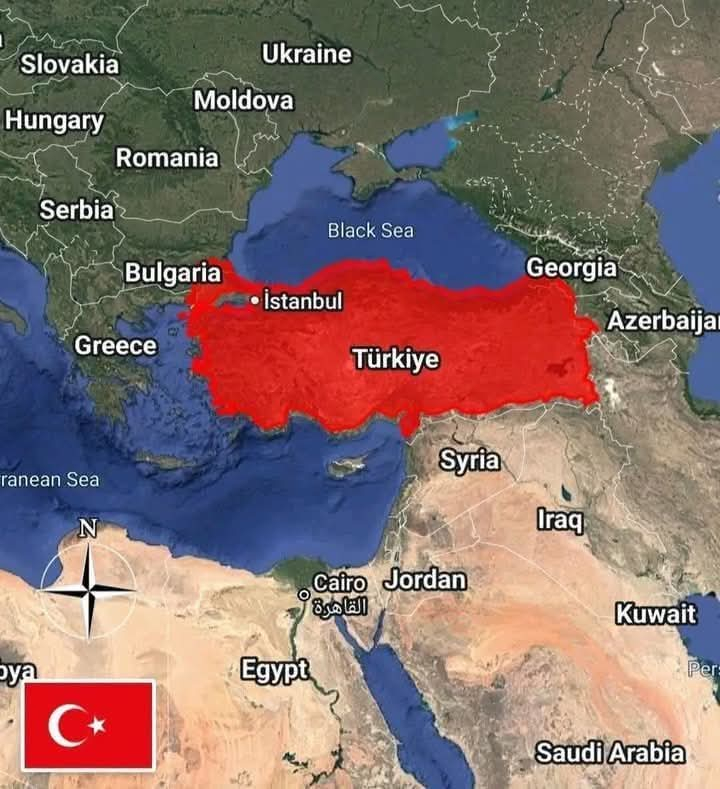
  • #Turkey is a country located at the crossroads of *two continents*, *Asia* and *Europe*, giving it a unique strategic position. Turkey is rich in culture and history, being home to many ancient civilizations, including the *Ottoman Empire* and the *Byzantine Empire*. It is known for its diverse geography, including beautiful *beaches*, towering *mountains*, and amazing archaeological sites. Turkey is also one of the world's major tourist destinations.

    25 Facts About Turkey:

    *1. Geographic Location*
    Turkey is located at the crossroads of *Asia* and *Europe*.

    *2. Capital*
    The capital is *Ankara*, while *Istanbul* is the largest and most famous city.

    *3. Area*
    Turkey covers an area of about *783,356 km²*, making it one of the largest countries in the world.

    *4. Population*
    Turkey's population is approximately *85 million people* in 2024.

    *5. Official Language*
    The official language is *Turkish*.

    *6. Religion*
    The primary religion in Turkey is *Islam*, with the majority being *Sunni Muslims*.

    *7. Government*
    Turkey is a *democratic republic* with a *presidential system*.

    *8. Currency*
    The official currency is the *Turkish Lira (TRY)*.

    *9. Climate*Turkey has a diverse climate: a *Mediterranean climate* on the coast and a *continental climate* in the inland areas.

    *10. Terrain*
    Turkey has varied terrain, including *mountains*, *plains*, and *rivers*.

    *11. Highest Peak*
    The highest peak in Turkey is *Mount Ararat* (Ağrı Dağı), with an elevation of *5,137 meters*.

    *12. Tourism*
    Turkey is one of the most popular tourist destinations, attracting about *40 million tourists annually*.

    *13. Tourist Attractions*
    Turkey has many famous tourist sites, such as *Hagia Sophia* in *Istanbul*, the *Bodrum Mausoleum*, and *Cappadocia*.

    *14. Long History*
    Turkey is home to ancient civilizations such as the *Ottoman Empire*, the *Byzantine Empire*, the *Greeks*, and the *Romans*.

    *15. Historical Significance*
    The city of *Istanbul* was the capital of both the *Byzantine Empire* and the *Ottoman Empire*.

    *16. Turkish Cuisine*
    Turkish cuisine is world-famous, with dishes like *kebab*, *hummus*, *baklava*, and *meze*.

    *17. Sports*
    *Football* is the most popular sport in Turkey, along with *basketball* and *water sports*.

    *18. Turkish Culture*
    Turkey is a blend of *Eastern and Western* influences, reflecting its rich cultural heritage.

    *19. Education*Turkey has a strong educational system, with well-known universities like *Boğaziçi University* and *Istanbul University*.

    *20. Renewable Energy*
    Turkey is investing in *renewable energy*, particularly in *solar* and *wind power*.

    *21. Trade and Industry*
    Turkey is a major commercial hub, exporting products such as *textiles*, *machinery*, and *agricultural products*.

    *22. Islamic Culture*
    Turkey has a rich Islamic history, with many famous *mosques* like the *Sultan Ahmed Mosque (Blue Mosque)*.

    *23. Turkish Arts*
    Turkey is known for its arts, including *calligraphy*, *Islamic decoration*, and *traditional dances*.

    *24. Space and Astronomy*
    Turkey is developing its own space program and aims to reach space in the coming years.

    *25. Politics*
    Turkey is a member of *NATO* and the *G20*, playing a key role in global politics.

    Turkey is a country with a *long history* and *rich culture*, blending *ancient traditions* with modern developments, making it an exciting destination for tourists and investors alike.
    C: Geographic
    #Turkey πŸ‡ΉπŸ‡· is a country located at the crossroads of *two continents*, *Asia* and *Europe*, giving it a unique strategic position. Turkey is rich in culture and history, being home to many ancient civilizations, including the *Ottoman Empire* and the *Byzantine Empire*. It is known for its diverse geography, including beautiful *beaches*, towering *mountains*, and amazing archaeological sites. Turkey is also one of the world's major tourist destinations. 25 Facts About Turkey: 🌐 *1. Geographic Location* Turkey is located at the crossroads of *Asia* and *Europe*. 🌐 *2. Capital* The capital is *Ankara*, while *Istanbul* is the largest and most famous city. 🌐 *3. Area* Turkey covers an area of about *783,356 km²*, making it one of the largest countries in the world. 🌐 *4. Population* Turkey's population is approximately *85 million people* in 2024. 🌐 *5. Official Language* The official language is *Turkish*. 🌐 *6. Religion* The primary religion in Turkey is *Islam*, with the majority being *Sunni Muslims*. 🌐 *7. Government* Turkey is a *democratic republic* with a *presidential system*. 🌐 *8. Currency* The official currency is the *Turkish Lira (TRY)*. 🌐 *9. Climate*Turkey has a diverse climate: a *Mediterranean climate* on the coast and a *continental climate* in the inland areas. 🌐 *10. Terrain* Turkey has varied terrain, including *mountains*, *plains*, and *rivers*. 🌐 *11. Highest Peak* The highest peak in Turkey is *Mount Ararat* (AğrΔ± Dağı), with an elevation of *5,137 meters*. 🌐 *12. Tourism* Turkey is one of the most popular tourist destinations, attracting about *40 million tourists annually*. 🌐 *13. Tourist Attractions* Turkey has many famous tourist sites, such as *Hagia Sophia* in *Istanbul*, the *Bodrum Mausoleum*, and *Cappadocia*. 🌐 *14. Long History* Turkey is home to ancient civilizations such as the *Ottoman Empire*, the *Byzantine Empire*, the *Greeks*, and the *Romans*. 🌐 *15. Historical Significance* The city of *Istanbul* was the capital of both the *Byzantine Empire* and the *Ottoman Empire*. 🌐 *16. Turkish Cuisine* Turkish cuisine is world-famous, with dishes like *kebab*, *hummus*, *baklava*, and *meze*. 🌐 *17. Sports* *Football* is the most popular sport in Turkey, along with *basketball* and *water sports*. 🌐 *18. Turkish Culture* Turkey is a blend of *Eastern and Western* influences, reflecting its rich cultural heritage. 🌐 *19. Education*Turkey has a strong educational system, with well-known universities like *Boğaziçi University* and *Istanbul University*. 🌐 *20. Renewable Energy* Turkey is investing in *renewable energy*, particularly in *solar* and *wind power*. 🌐 *21. Trade and Industry* Turkey is a major commercial hub, exporting products such as *textiles*, *machinery*, and *agricultural products*. 🌐 *22. Islamic Culture* Turkey has a rich Islamic history, with many famous *mosques* like the *Sultan Ahmed Mosque (Blue Mosque)*. 🌐 *23. Turkish Arts* Turkey is known for its arts, including *calligraphy*, *Islamic decoration*, and *traditional dances*. 🌐 *24. Space and Astronomy* Turkey is developing its own space program and aims to reach space in the coming years. 🌐 *25. Politics* Turkey is a member of *NATO* and the *G20*, playing a key role in global politics. Turkey is a country with a *long history* and *rich culture*, blending *ancient traditions* with modern developments, making it an exciting destination for tourists and investors alike. C: Geographic
    0 Comments 0 Shares
  • Millions of Muslims across the globe welcomed the holy month of Ramadan with Tarawih, a special evening prayer observed exclusively during the sacred month of fasting and devotion.

    After breaking their fast at sunset, worshippers traditionally congregate in mosques to perform Tarawih. Meaning “rest” in Arabic, Tarawih is observed after the last daily prayer, Isha.
    Millions of Muslims across the globe welcomed the holy month of Ramadan with Tarawih, a special evening prayer observed exclusively during the sacred month of fasting and devotion. After breaking their fast at sunset, worshippers traditionally congregate in mosques to perform Tarawih. Meaning “rest” in Arabic, Tarawih is observed after the last daily prayer, Isha.
    0 Comments 0 Shares
  • Ramadan in London is a vibrant and spiritual time for the city's Muslim community. Mosques like the East London Mosque and Regents Park Mosque hold special prayers (Taraweeh) and community iftars. Many restaurants and cafes offer late-night meals to accommodate fasting hours. The city also hosts charity events and food drives to support those in need. With London’s diverse population, Ramadan is marked by a mix of traditions from different cultures, making it a unique and inclusive experience.
    Ramadan in London is a vibrant and spiritual time for the city's Muslim community. Mosques like the East London Mosque and Regents Park Mosque hold special prayers (Taraweeh) and community iftars. Many restaurants and cafes offer late-night meals to accommodate fasting hours. The city also hosts charity events and food drives to support those in need. With London’s diverse population, Ramadan is marked by a mix of traditions from different cultures, making it a unique and inclusive experience. πŸ’–πŸ‡¬πŸ‡§
    0 Comments 0 Shares
  • Islamic World

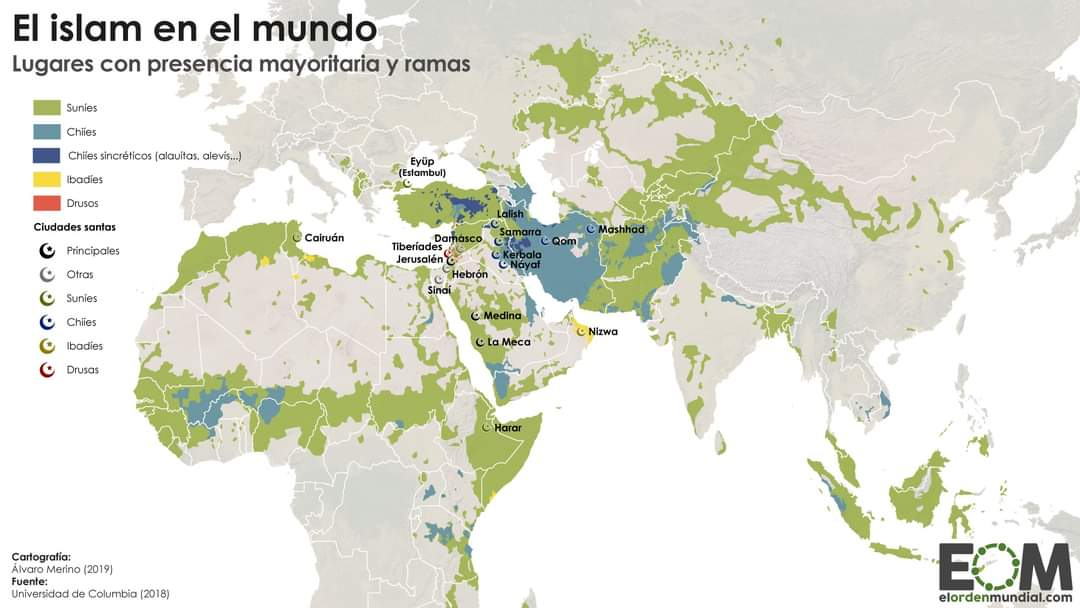
    The Islamic world refers to countries and regions where Islam is dominant, influencing various aspects of life, including culture, politics, law, and education. It is not just limited to the Middle East; it spans Africa, Asia, and Europe.
    Critical Aspects of the Islamic World:
    1. Geographical Spread:
    Middle East and North Africa (MENA): The heartland of Islam, including countries like Saudi Arabia, Egypt, Iran, and Turkey.
    South Asia: Countries like Pakistan, Bangladesh, and Afghanistan, where Islam plays a central role.
    Southeast Asia: Indonesia, the world's most populous Muslim-majority country, Malaysia, and Brunei.
    Sub-Saharan Africa: Countries like Nigeria, Sudan, and Somalia have significant Muslim populations.
    Europe: There are significant Muslim communities in Bosnia and Herzegovina, Albania, and growing populations in Western Europe due to migration.
    2. Cultural and Religious Practices:
    Religious Practices: The Five Pillars of Islam (Shahada, Salah, Zakat, Sawm, Hajj) are central to Islamic life.
    Islamic Law (Sharia): In many Muslim-majority countries, Sharia law influences or directly governs legal systems, covering everything from criminal law to personal status issues like marriage and inheritance.
    Language: Arabic is the liturgical language of Islam, but other languages, such as Persian, Turkish, Urdu, and Malay, are widely spoken in the Islamic world.
    3. Historical Contributions:
    The Golden Age of Islam (8th to 14th century) was a period of significant advancements in science, medicine, mathematics, and philosophy, with learning centres in cities like Baghdad, Cairo, and Cordoba.
    Architecture: Islamic architecture is renowned for its mosques, madrasas (schools), and palaces, featuring minarets, domes, and intricate geometric designs.
    4. Modern-Day Dynamics:
    Political Landscape: The Islamic world includes various governance systems, from monarchies in the Gulf States to republics in Iran and Turkey. Political Islam and movements like the Muslim Brotherhood have had significant influence in some regions.
    Economic Power: The Islamic world includes some of the world's largest oil producers, like Saudi Arabia and Iran, which play a critical role in global energy markets.
    Social Issues: The Islamic world faces diverse social challenges, from modernisation and globalisation to debates over women's rights, democracy, and the role of religion in the state.
    5. Global Influence:
    Diaspora: Significant Muslim communities in Europe, North America, and other parts of the world contribute to the global influence of Islam.
    Interfaith Relations: Islam is one of the world's major religions, with interfaith dialogue becoming increasingly important in promoting understanding and cooperation between different religious communities.
    The Islamic world is diverse and complex, with a rich history and significant impact on global culture, politics, and economics.
    Islamic World The Islamic world refers to countries and regions where Islam is dominant, influencing various aspects of life, including culture, politics, law, and education. It is not just limited to the Middle East; it spans Africa, Asia, and Europe. Critical Aspects of the Islamic World: 1. Geographical Spread: Middle East and North Africa (MENA): The heartland of Islam, including countries like Saudi Arabia, Egypt, Iran, and Turkey. South Asia: Countries like Pakistan, Bangladesh, and Afghanistan, where Islam plays a central role. Southeast Asia: Indonesia, the world's most populous Muslim-majority country, Malaysia, and Brunei. Sub-Saharan Africa: Countries like Nigeria, Sudan, and Somalia have significant Muslim populations. Europe: There are significant Muslim communities in Bosnia and Herzegovina, Albania, and growing populations in Western Europe due to migration. 2. Cultural and Religious Practices: Religious Practices: The Five Pillars of Islam (Shahada, Salah, Zakat, Sawm, Hajj) are central to Islamic life. Islamic Law (Sharia): In many Muslim-majority countries, Sharia law influences or directly governs legal systems, covering everything from criminal law to personal status issues like marriage and inheritance. Language: Arabic is the liturgical language of Islam, but other languages, such as Persian, Turkish, Urdu, and Malay, are widely spoken in the Islamic world. 3. Historical Contributions: The Golden Age of Islam (8th to 14th century) was a period of significant advancements in science, medicine, mathematics, and philosophy, with learning centres in cities like Baghdad, Cairo, and Cordoba. Architecture: Islamic architecture is renowned for its mosques, madrasas (schools), and palaces, featuring minarets, domes, and intricate geometric designs. 4. Modern-Day Dynamics: Political Landscape: The Islamic world includes various governance systems, from monarchies in the Gulf States to republics in Iran and Turkey. Political Islam and movements like the Muslim Brotherhood have had significant influence in some regions. Economic Power: The Islamic world includes some of the world's largest oil producers, like Saudi Arabia and Iran, which play a critical role in global energy markets. Social Issues: The Islamic world faces diverse social challenges, from modernisation and globalisation to debates over women's rights, democracy, and the role of religion in the state. 5. Global Influence: Diaspora: Significant Muslim communities in Europe, North America, and other parts of the world contribute to the global influence of Islam. Interfaith Relations: Islam is one of the world's major religions, with interfaith dialogue becoming increasingly important in promoting understanding and cooperation between different religious communities. The Islamic world is diverse and complex, with a rich history and significant impact on global culture, politics, and economics.
    0 Comments 0 Shares
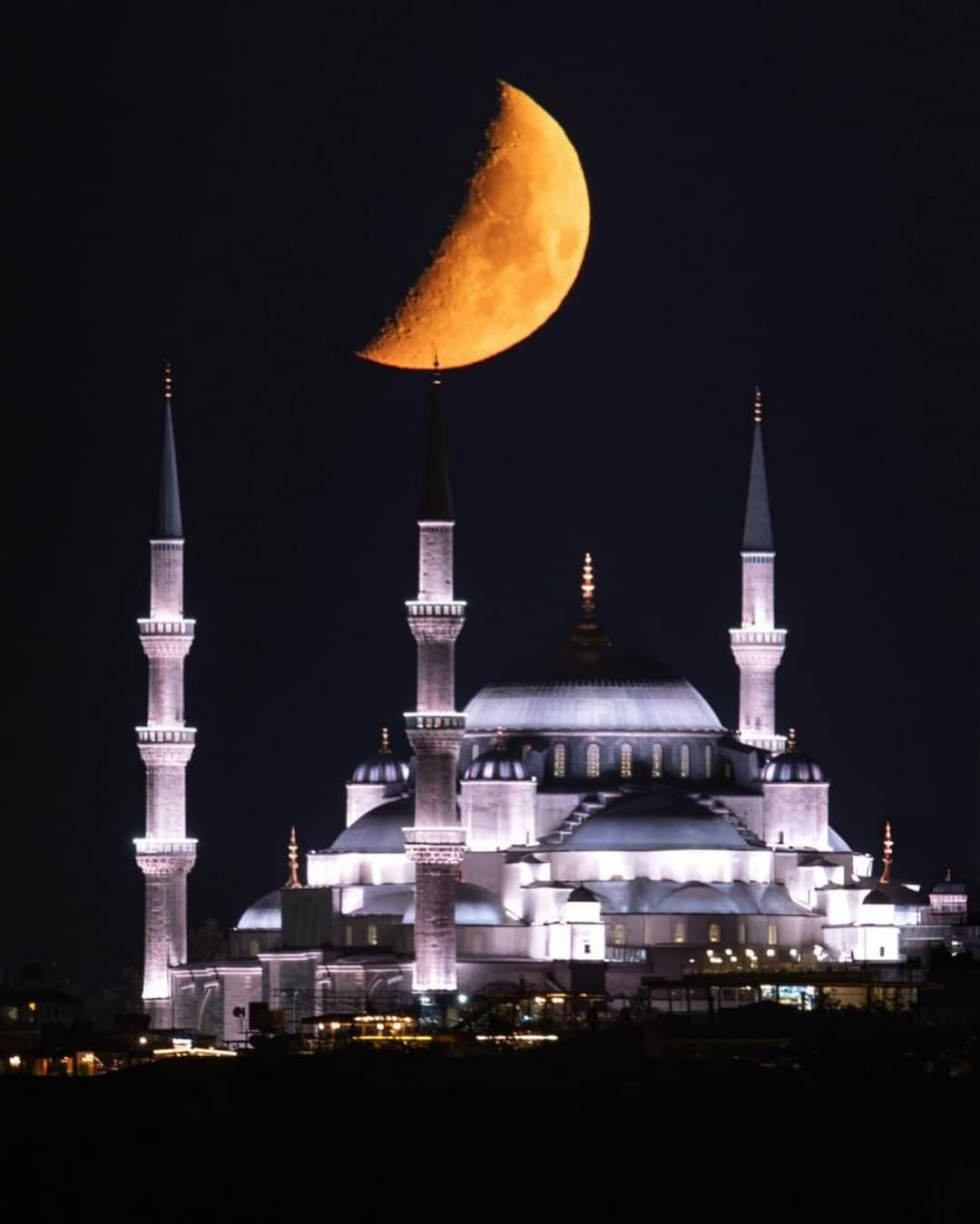
  • Crescent Moon Graces Istanbul’s Sky, Captured Alongside Sultanahmet Mosque

    Istanbul, Turkey – In a breathtaking moment that epitomizes the city’s timeless beauty, a crescent moon was captured shining in the sky above Istanbul, forming a stunning backdrop to the historic Sultanahmet Mosque. The delicate sliver of moonlight seemed to hover directly over the mosque, enhancing the elegance of its minarets and domes. This serene scene, blending natural beauty with architectural grandeur, reflects the rich cultural and spiritual heritage of Istanbul.

    The image of the crescent moon, a symbol deeply intertwined with Turkish identity and Islamic tradition, alongside one of the most iconic mosques in the world, has captivated the hearts of locals and visitors alike. This fleeting yet powerful visual encapsulates the essence of Istanbul, a city where the past and present coexist in perfect harmony.

    Photo by: Hakan SarΔ±
    .
    .
    #istexpats #istanbulexpatcommunity #istanbul #expat #news
    Crescent Moon Graces Istanbul’s Sky, Captured Alongside Sultanahmet Mosque Istanbul, Turkey – In a breathtaking moment that epitomizes the city’s timeless beauty, a crescent moon was captured shining in the sky above Istanbul, forming a stunning backdrop to the historic Sultanahmet Mosque. The delicate sliver of moonlight seemed to hover directly over the mosque, enhancing the elegance of its minarets and domes. This serene scene, blending natural beauty with architectural grandeur, reflects the rich cultural and spiritual heritage of Istanbul. The image of the crescent moon, a symbol deeply intertwined with Turkish identity and Islamic tradition, alongside one of the most iconic mosques in the world, has captivated the hearts of locals and visitors alike. This fleeting yet powerful visual encapsulates the essence of Istanbul, a city where the past and present coexist in perfect harmony. Photo by: Hakan SarΔ± . . #istexpats #istanbulexpatcommunity #istanbul #expat #news
    0 Comments 0 Shares
  • Mourners around the world attended absentee funeral prayers for slain political chief of Hamas Ismail Haniyeh, who was assassinated by Israel on July 31.

    Türkiye, Pakistan, Indonesia, Yemen and occupied East Jerusalem were among the places people flocked to honour Haniyeh.

    Here are some scenes from the mosques in those countries.
    Mourners around the world attended absentee funeral prayers for slain political chief of Hamas Ismail Haniyeh, who was assassinated by Israel on July 31. Türkiye, Pakistan, Indonesia, Yemen and occupied East Jerusalem were among the places people flocked to honour Haniyeh. Here are some scenes from the mosques in those countries.
    0 Comments 0 Shares
  • Masjid Abu Bakr al-Siddiq is located southwest of the Prophet’s Mosque in Madinah. This mosque is a significant site where the Prophet (PBUH) prayed Eid, followed by his companion Abu Bakr al-Siddiq (RA). It was built by Umar ibn Abdul Aziz in the first century of Hijrah and renovated during the reign of King Salman.

    #Madinah #IslamicHeritage #HistoricMosques
    πŸ•Œ Masjid Abu Bakr al-Siddiq is located southwest of the Prophet’s Mosque in Madinah. This mosque is a significant site where the Prophet (PBUH) prayed Eid, followed by his companion Abu Bakr al-Siddiq (RA). It was built by Umar ibn Abdul Aziz in the first century of Hijrah and renovated during the reign of King Salman. #Madinah #IslamicHeritage #HistoricMosques
    0 Comments 0 Shares
More Results