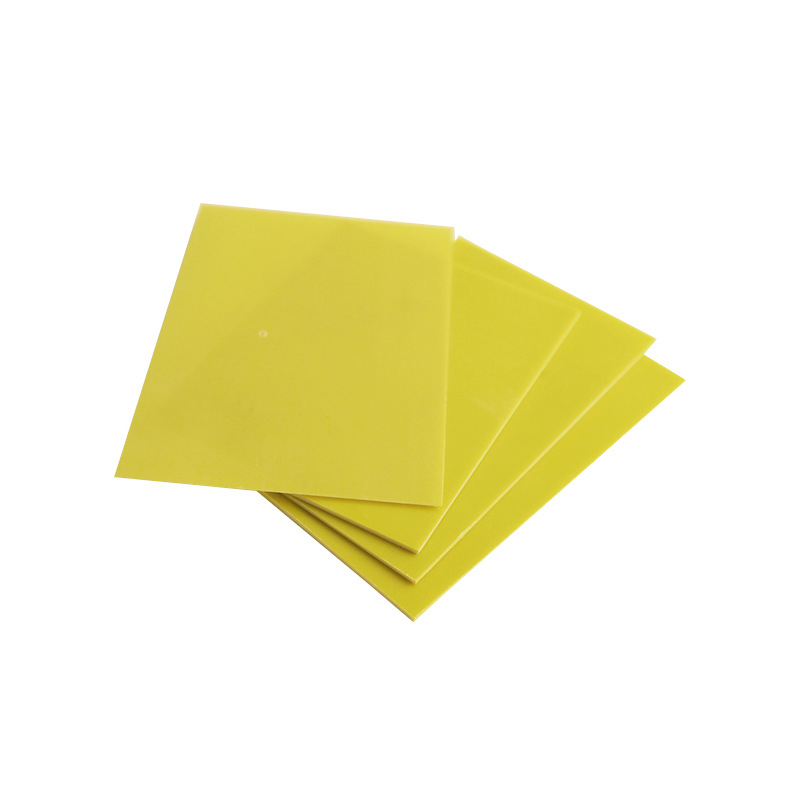
• FR4 PCB substrates deliver excellent mechanical strength and electrical insulation for advanced circuit board applications Learn more at https://www.fenharxz.com/fr4-material-guide.html
    #FR4 #PCBMaterials #Fenhar
    FR4 PCB substrates deliver excellent mechanical strength and electrical insulation for advanced circuit board applications βš‘πŸ”§ Learn more at https://www.fenharxz.com/fr4-material-guide.html #FR4 #PCBMaterials #Fenhar
    0 Comments 0 Shares
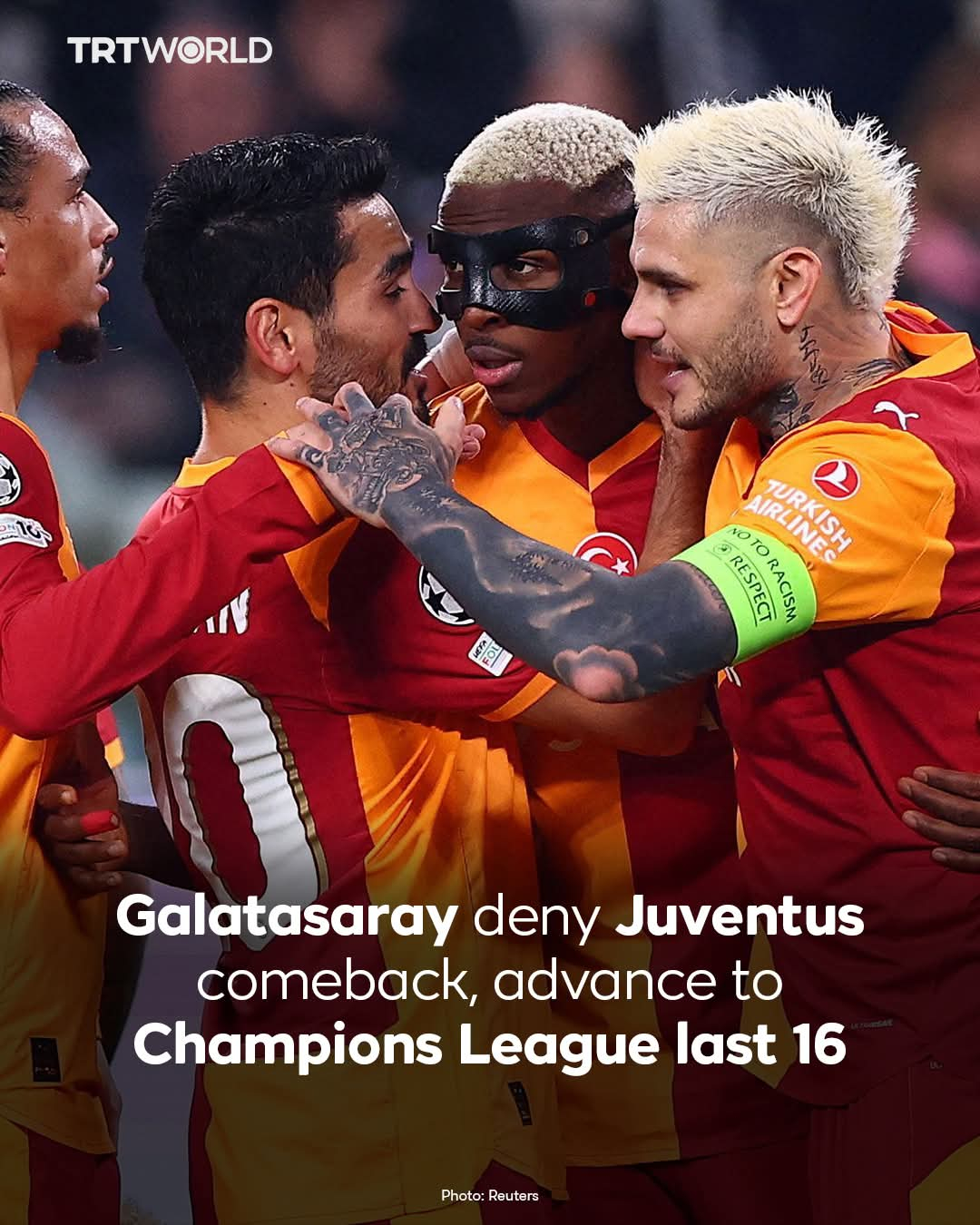
  • Galatasaray lose 3-2 to Juventus but advance to Champions League round of 16 7-5 on aggregate
    https://trt.world/c1k9
    Galatasaray lose 3-2 to Juventus but advance to Champions League round of 16 7-5 on aggregate πŸ”— https://trt.world/c1k9
    0 Comments 0 Shares
  • Designed for precision insulation needs, EPGM203 and EPGC203 laminates support durability and control in advanced electrical components Learn more at https://www.fenharxz.com
    #ElectricalInsulation #TechnicalLaminates #Fenhar
    Designed for precision insulation needs, EPGM203 and EPGC203 laminates support durability and control in advanced electrical components ⚑🧠 Learn more at https://www.fenharxz.com #ElectricalInsulation #TechnicalLaminates #Fenhar
    0 Comments 0 Shares
  • Optimized for demanding applications, glass fiber reinforced and epoxy tubes combine dimensional stability with reliable insulation Learn more at https://www.fenharxz.com
    #AdvancedComposites #FiberGlassTubes #EpoxyTechnology #Fenhar
    Optimized for demanding applications, glass fiber reinforced and epoxy tubes combine dimensional stability with reliable insulation πŸš€πŸ§ͺ Learn more at https://www.fenharxz.com #AdvancedComposites #FiberGlassTubes #EpoxyTechnology #Fenhar
    0 Comments 0 Shares
  • From insulation sheets to advanced engineering plastics, Fenhar ensures top-tier electrical protection for every application #ElectricalInsulation #EngineeringPlastics #IndustrialMaterials #Fenhar https://www.fenharxz.com
    From insulation sheets to advanced engineering plastics, Fenhar ensures top-tier electrical protection for every application βš™οΈβš‘ #ElectricalInsulation #EngineeringPlastics #IndustrialMaterials #Fenhar https://www.fenharxz.com
    0 Comments 0 Shares
  • EPGC21 epoxy glass tubes offer dependable insulation and strength for advanced electrical applications #EPGC21 #EpoxyGlassTube #IndustrialInsulation #Fenhar #HighPerformance https://www.fenharxz.com
    EPGC21 epoxy glass tubes offer dependable insulation and strength for advanced electrical applications ⚑🏭 #EPGC21 #EpoxyGlassTube #IndustrialInsulation #Fenhar #HighPerformance https://www.fenharxz.com
    0 Comments 0 Shares
  • Boost electrical safety with precision-made custom laminated insulation materials #LaminatedInsulation #CustomSolutions #ElectricalSafety #Fenhar #AdvancedMaterials https://www.fenharxz.com
    Boost electrical safety with precision-made custom laminated insulation materials πŸ›‘οΈπŸ”Œ #LaminatedInsulation #CustomSolutions #ElectricalSafety #Fenhar #AdvancedMaterials https://www.fenharxz.com
    0 Comments 0 Shares
  • Turkey: The Golden Bridge Between East and West
    1. Location & Area
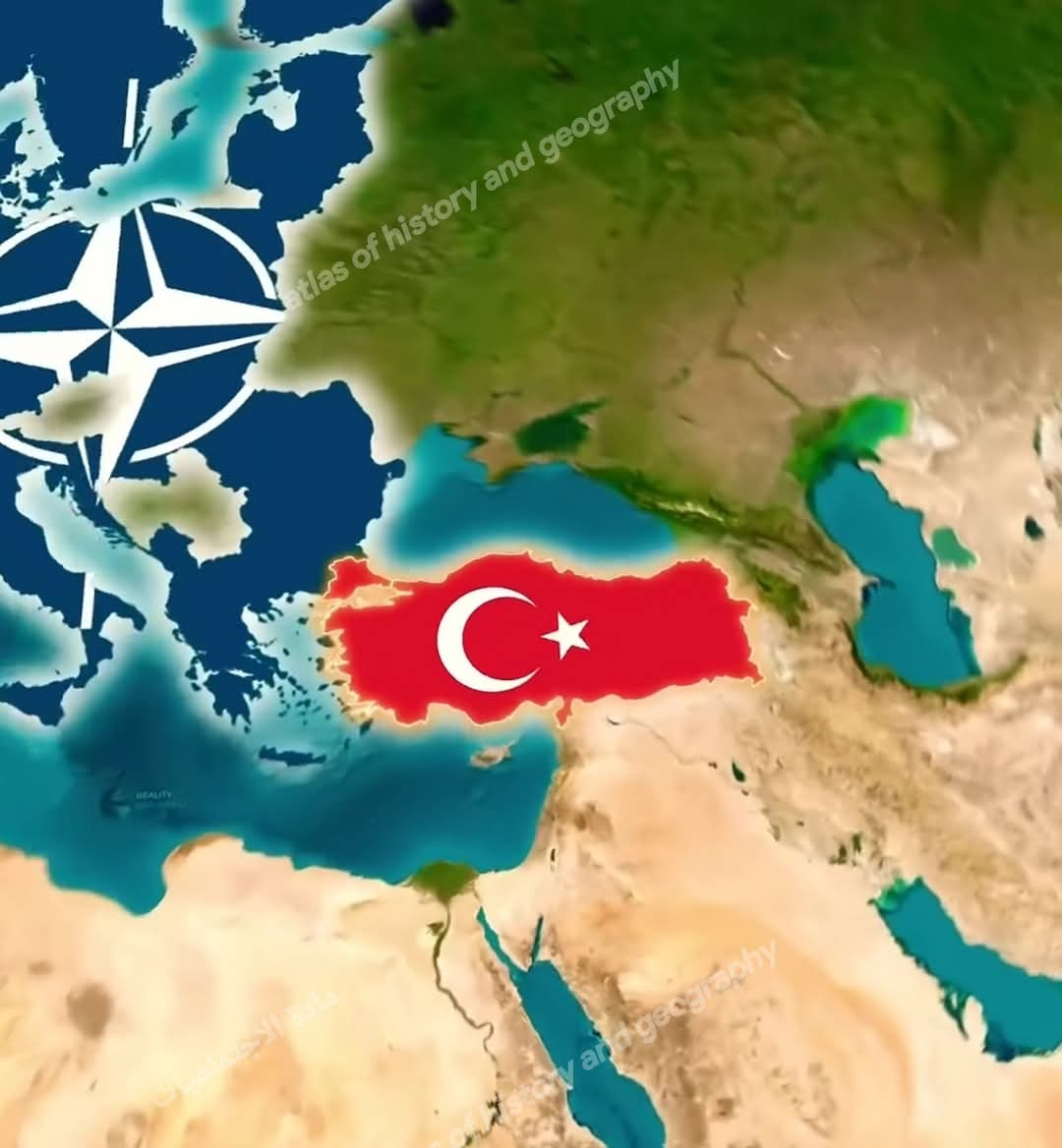
    Turkey spans both Asia and Europe, with a total area of approximately 783,562 km², making it one of the largest countries in the region.

    2. Land of Geographical Diversity
    From Mediterranean coastlines to Anatolian mountains, Turkey offers rich landscapes and diverse cultures.

    3. Ottoman Heritage & Modern Civilization
    With deep roots in the Ottoman Empire, Turkey is filled with historic landmarks like Hagia Sophia and Topkapi Palace.

    4. Population
    Turkey has about 85 million people, mainly concentrated in Istanbul, Ankara, and Izmir.

    5. A Vibrant and Growing Economy
    Its economy is based on industry, tourism, and agriculture, and is considered one of the world’s leading emerging markets.

    6. A Regional Transport Hub
    Turkey acts as a key transport link between Europe and Asia, with modern airways and high-speed rail networks.

    7. A Unique Cultural Identity
    It blends modernity with Islamic traditions, offering a mix of cuisines, arts, and customs from both East and West.

    8. Sports & Entertainment
    Football is the most popular sport, with iconic clubs like Galatasaray and Fenerbahçe based in Istanbul.

    9. Advanced Education & Top Universities
    Turkey attracts international students, especially in fields like medicine, engineering, and political science.

    #Turkey #Istanbul #Anatolia
    Turkey: The Golden Bridge Between East and West 1. πŸ—ΊοΈπŸ“ Location & Area Turkey spans both Asia and Europe, with a total area of approximately 783,562 km², making it one of the largest countries in the region. 2. πŸ‡ΉπŸ‡·πŸžοΈ Land of Geographical Diversity From Mediterranean coastlines to Anatolian mountains, Turkey offers rich landscapes and diverse cultures. 3. πŸ•ŒπŸ›οΈ Ottoman Heritage & Modern Civilization With deep roots in the Ottoman Empire, Turkey is filled with historic landmarks like Hagia Sophia and Topkapi Palace. 4. πŸ‘₯πŸ“Š Population Turkey has about 85 million people, mainly concentrated in Istanbul, Ankara, and Izmir. 5. πŸ’ΉπŸ—οΈ A Vibrant and Growing Economy Its economy is based on industry, tourism, and agriculture, and is considered one of the world’s leading emerging markets. 6. βœˆοΈπŸš… A Regional Transport Hub Turkey acts as a key transport link between Europe and Asia, with modern airways and high-speed rail networks. 7. πŸ•ŒπŸ§• A Unique Cultural Identity It blends modernity with Islamic traditions, offering a mix of cuisines, arts, and customs from both East and West. 8. ⚽🎭 Sports & Entertainment Football is the most popular sport, with iconic clubs like Galatasaray and Fenerbahçe based in Istanbul. 9. πŸ§ πŸŽ“ Advanced Education & Top Universities Turkey attracts international students, especially in fields like medicine, engineering, and political science. #Turkey #Istanbul #Anatolia
    0 Comments 0 Shares
  • Did you know that Australia’s Highway 1 is not just the longest national highway in the country, but also one of the longest in the world? Spanning an extraordinary 14,500 kilometers (9,009 miles), this iconic highway forms a loop around the entire continent, connecting all of Australia’s major coastal cities. Traveling along this route, you’ll experience breathtaking views that range from rugged coastlines and pristine beaches to lush rainforests and arid outback landscapes.

    As you journey along Highway 1, you’ll pass through world-famous cities like Sydney, where the Sydney Opera House and Harbour Bridge await; Melbourne, known for its vibrant arts scene and coffee culture; Brisbane, with its riverside parks and lively cultural precincts; Perth, where you can enjoy stunning sunsets over the Indian Ocean; and Adelaide, the gateway to some of the world’s best wine regions.

    Known as the "National Highway" or simply "The One," this vast road network is vital for connecting Australia’s coastal regions and urban centers. But it’s more than just a transportation route—it’s a road that tells the story of Australia’s diverse geography and rich cultural heritage.

    For travelers, Highway 1 is the ultimate road trip, offering a unique way to explore the vast and varied landscapes of Australia. Whether you’re stopping to surf at a secluded beach, hike through a national park, or discover the history and culture of a new city, each segment of Highway 1 offers its own adventure. This highway is a journey in itself, a pathway to discovering the natural beauty and cultural richness that make Australia a truly unique destination.

    Source: Teachers Travelers
    Did you know that Australia’s Highway 1 is not just the longest national highway in the country, but also one of the longest in the world? Spanning an extraordinary 14,500 kilometers (9,009 miles), this iconic highway forms a loop around the entire continent, connecting all of Australia’s major coastal cities. Traveling along this route, you’ll experience breathtaking views that range from rugged coastlines and pristine beaches to lush rainforests and arid outback landscapes. As you journey along Highway 1, you’ll pass through world-famous cities like Sydney, where the Sydney Opera House and Harbour Bridge await; Melbourne, known for its vibrant arts scene and coffee culture; Brisbane, with its riverside parks and lively cultural precincts; Perth, where you can enjoy stunning sunsets over the Indian Ocean; and Adelaide, the gateway to some of the world’s best wine regions. Known as the "National Highway" or simply "The One," this vast road network is vital for connecting Australia’s coastal regions and urban centers. But it’s more than just a transportation route—it’s a road that tells the story of Australia’s diverse geography and rich cultural heritage. For travelers, Highway 1 is the ultimate road trip, offering a unique way to explore the vast and varied landscapes of Australia. Whether you’re stopping to surf at a secluded beach, hike through a national park, or discover the history and culture of a new city, each segment of Highway 1 offers its own adventure. This highway is a journey in itself, a pathway to discovering the natural beauty and cultural richness that make Australia a truly unique destination. Source: Teachers Travelers
    0 Comments 0 Shares
  • Islamic World

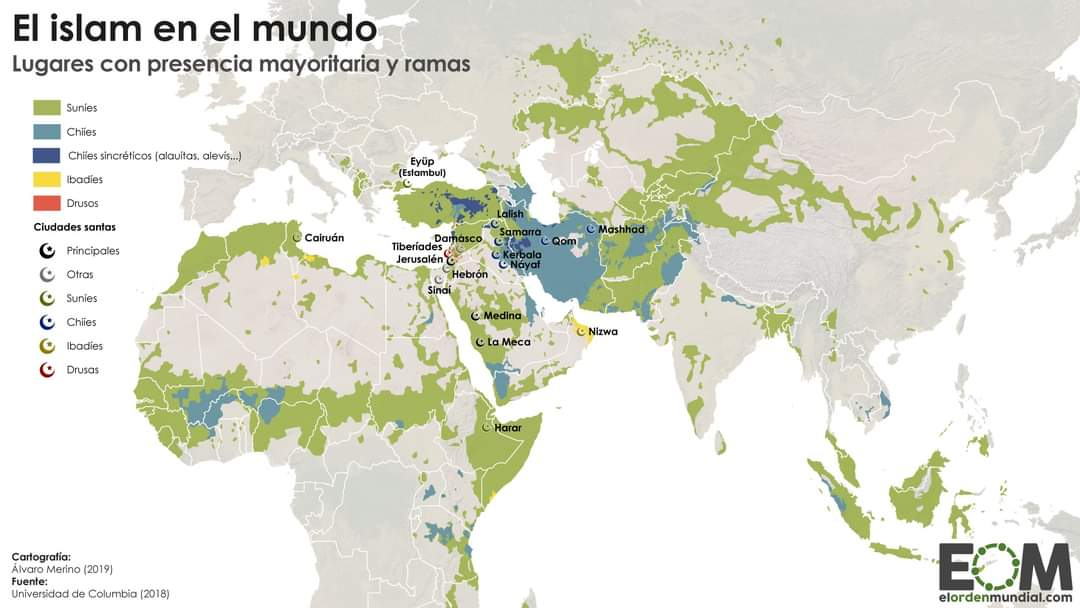
    The Islamic world refers to countries and regions where Islam is dominant, influencing various aspects of life, including culture, politics, law, and education. It is not just limited to the Middle East; it spans Africa, Asia, and Europe.
    Critical Aspects of the Islamic World:
    1. Geographical Spread:
    Middle East and North Africa (MENA): The heartland of Islam, including countries like Saudi Arabia, Egypt, Iran, and Turkey.
    South Asia: Countries like Pakistan, Bangladesh, and Afghanistan, where Islam plays a central role.
    Southeast Asia: Indonesia, the world's most populous Muslim-majority country, Malaysia, and Brunei.
    Sub-Saharan Africa: Countries like Nigeria, Sudan, and Somalia have significant Muslim populations.
    Europe: There are significant Muslim communities in Bosnia and Herzegovina, Albania, and growing populations in Western Europe due to migration.
    2. Cultural and Religious Practices:
    Religious Practices: The Five Pillars of Islam (Shahada, Salah, Zakat, Sawm, Hajj) are central to Islamic life.
    Islamic Law (Sharia): In many Muslim-majority countries, Sharia law influences or directly governs legal systems, covering everything from criminal law to personal status issues like marriage and inheritance.
    Language: Arabic is the liturgical language of Islam, but other languages, such as Persian, Turkish, Urdu, and Malay, are widely spoken in the Islamic world.
    3. Historical Contributions:
    The Golden Age of Islam (8th to 14th century) was a period of significant advancements in science, medicine, mathematics, and philosophy, with learning centres in cities like Baghdad, Cairo, and Cordoba.
    Architecture: Islamic architecture is renowned for its mosques, madrasas (schools), and palaces, featuring minarets, domes, and intricate geometric designs.
    4. Modern-Day Dynamics:
    Political Landscape: The Islamic world includes various governance systems, from monarchies in the Gulf States to republics in Iran and Turkey. Political Islam and movements like the Muslim Brotherhood have had significant influence in some regions.
    Economic Power: The Islamic world includes some of the world's largest oil producers, like Saudi Arabia and Iran, which play a critical role in global energy markets.
    Social Issues: The Islamic world faces diverse social challenges, from modernisation and globalisation to debates over women's rights, democracy, and the role of religion in the state.
    5. Global Influence:
    Diaspora: Significant Muslim communities in Europe, North America, and other parts of the world contribute to the global influence of Islam.
    Interfaith Relations: Islam is one of the world's major religions, with interfaith dialogue becoming increasingly important in promoting understanding and cooperation between different religious communities.
    The Islamic world is diverse and complex, with a rich history and significant impact on global culture, politics, and economics.
    Islamic World The Islamic world refers to countries and regions where Islam is dominant, influencing various aspects of life, including culture, politics, law, and education. It is not just limited to the Middle East; it spans Africa, Asia, and Europe. Critical Aspects of the Islamic World: 1. Geographical Spread: Middle East and North Africa (MENA): The heartland of Islam, including countries like Saudi Arabia, Egypt, Iran, and Turkey. South Asia: Countries like Pakistan, Bangladesh, and Afghanistan, where Islam plays a central role. Southeast Asia: Indonesia, the world's most populous Muslim-majority country, Malaysia, and Brunei. Sub-Saharan Africa: Countries like Nigeria, Sudan, and Somalia have significant Muslim populations. Europe: There are significant Muslim communities in Bosnia and Herzegovina, Albania, and growing populations in Western Europe due to migration. 2. Cultural and Religious Practices: Religious Practices: The Five Pillars of Islam (Shahada, Salah, Zakat, Sawm, Hajj) are central to Islamic life. Islamic Law (Sharia): In many Muslim-majority countries, Sharia law influences or directly governs legal systems, covering everything from criminal law to personal status issues like marriage and inheritance. Language: Arabic is the liturgical language of Islam, but other languages, such as Persian, Turkish, Urdu, and Malay, are widely spoken in the Islamic world. 3. Historical Contributions: The Golden Age of Islam (8th to 14th century) was a period of significant advancements in science, medicine, mathematics, and philosophy, with learning centres in cities like Baghdad, Cairo, and Cordoba. Architecture: Islamic architecture is renowned for its mosques, madrasas (schools), and palaces, featuring minarets, domes, and intricate geometric designs. 4. Modern-Day Dynamics: Political Landscape: The Islamic world includes various governance systems, from monarchies in the Gulf States to republics in Iran and Turkey. Political Islam and movements like the Muslim Brotherhood have had significant influence in some regions. Economic Power: The Islamic world includes some of the world's largest oil producers, like Saudi Arabia and Iran, which play a critical role in global energy markets. Social Issues: The Islamic world faces diverse social challenges, from modernisation and globalisation to debates over women's rights, democracy, and the role of religion in the state. 5. Global Influence: Diaspora: Significant Muslim communities in Europe, North America, and other parts of the world contribute to the global influence of Islam. Interfaith Relations: Islam is one of the world's major religions, with interfaith dialogue becoming increasingly important in promoting understanding and cooperation between different religious communities. The Islamic world is diverse and complex, with a rich history and significant impact on global culture, politics, and economics.
    0 Comments 0 Shares
More Results